iAspirants
Current AffairsPrelims PYQsUPSC CSE SyllabusUPSC CSE StrategyBlogsPricing
Login
iAspirants

Your AI-powered companion for UPSC preparation.

Quick Links

  • Home
  • About Us
  • Current Affairs
  • Prelims PYQs
  • UPSC CSE Syllabus
  • UPSC CSE Strategy
  • Blogs

Company

  • Pricing
  • FAQs
  • Contact Us
  • Login

Legal

  • Privacy Policy
  • Terms & Conditions
  • Return Policy

© 2025 iAspirants, Inc. All rights reserved.

  1. Blogs
  2. International Relations

BRICS Agriculture Ministers Meeting Summary

Published on: 13-Jun-2026

Share this post

BRICS Agriculture Ministers Meeting Summary

Article Summary

BRICS Agriculture Ministers' Meeting - Key Highlights

Date and Location

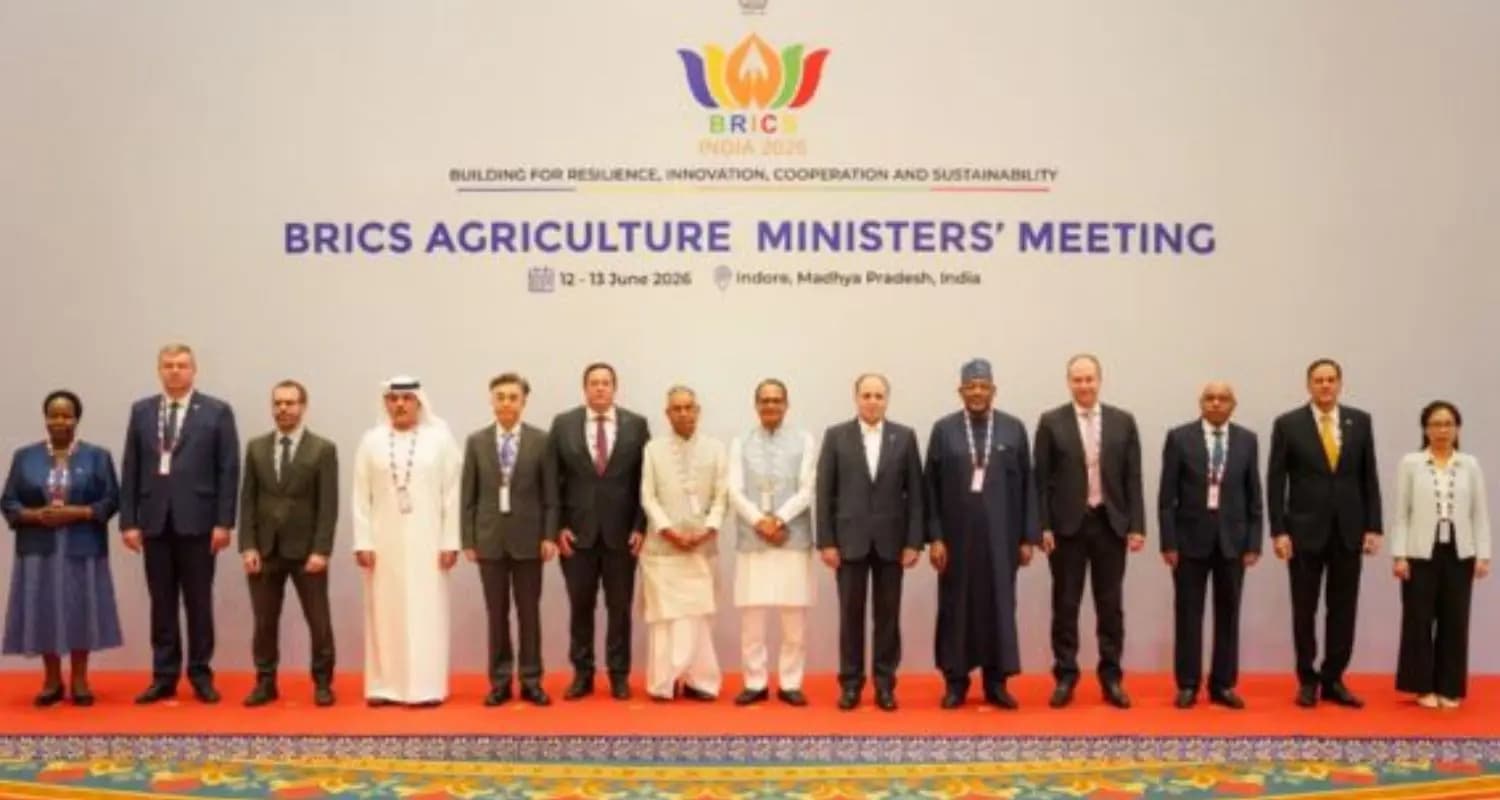
  • Dates: June 12-13, 2026
  • Location: Indore, Madhya Pradesh, India

Key Priorities Discussed

  1. Food Security, Nutrition, and Livelihoods
  2. Agricultural Trade and Cooperation
  3. Renewable Farming and Climate-Resilient Agriculture
  4. Strengthening Collaboration for Innovation and Investment in Agricultural and Food Systems

Joint Declaration Features

  • Emphasis on a farmer-centric approach, recognizing the role of small farmers in global food security and sustainable farming practices.
  • Focus on innovation, sustainability, and equitable sharing to strengthen agricultural and food systems.

Major Outcomes

  1. BRICS Network of Excellence Centers:

    • Collaboration initiated by ICAR-Indian Institute of Farming Systems Research (IIFSR) focused on agroecology and regenerative agriculture.
    • Aims to promote sustainable and climate-friendly farming methods.
  2. Digital Agriculture Network:

    • Establishment of a platform to enhance collaboration in AI, geospatial technologies, and data-driven agricultural solutions.
    • Led by IIT Delhi to connect modern technologies with practical agricultural methods.
  3. Global Forum for Farmers’ Rights in Seed Systems:

    • Aimed at protecting and promoting the rights of farmers, acknowledging traditional knowledge and seed heritage.
    • Coordinated by Plant Varieties and Farmers' Rights Authority (PPV&FR), New Delhi.
  4. BRICS Agri-Input, Genetic Resources, and Information Network (BRICS Agrin):

    • Framework to facilitate information exchange, technical cooperation, capacity building, and partnerships among BRICS countries.

Strengthening Existing Initiatives

  • Enhancement of the BRICS Agricultural Research Platform (BARP) to transform research outcomes into practical solutions for farmers.
  • Commitment to a fair, inclusive, and transparent multilateral trade system in agricultural trade.

Additional Focus Areas

  • Climate-resilient and regenerative agriculture, biodiversity conservation, food security, and innovation in key areas including fisheries and livestock.
  • Agreement on reducing food loss, enhancing livestock technologies, and aquaculture in future programs.
  • Commitment to promote technical exchange and capacity building to support food security and sustainable agriculture in developing countries.

Ministerial-Level Discussion

  • Topic: "Small Farmers, Women, and Youth: Cultivating the Future of Food Security"
  • Discussion on improving market access, finance, technology, and capacity building for these groups.

Environmental Commitment

  • Participation in a tree plantation program to promote sustainability and climate responsibility, showcasing a collective commitment to environmental sustainability.

Attendance

  • Approximately 100 representatives, including agriculture ministers, deputy ministers, and senior officials from BRICS member countries and partner nations.

This meeting represents a significant step in BRICS cooperation, reflecting collective will and shared responsibility to build resilient food systems, empower farmers, and ensure a sustainable and prosperous future for all.

Key Terms & Concepts

BRICSGroup of emerging economies
Indore, Madhya PradeshLocation of the meeting
June 12-13, 2026Dates of the meeting
Food SecurityFirst priority discussed
Digital Agriculture NetworkCollaboration platform for technology
Agroecology and Regenerative AgricultureFocus areas for sustainable farming
ICAR-IIFSRLead organization for agroecology
BRICS AgrinFramework for cooperation in agriculture
Plant Varieties and Farmers' Rights Protection AuthorityRegulatory body for farmers' rights
Sustainable AgricultureGoal for future farming practices
Climate-friendly AgricultureEmphasis on eco-friendly practices
Livestock TechnologiesFocus area for agricultural discussion

Mind Map for UPSC Civil Services Revision

Turn UPSC Civil Services Current Affairs Into Exam-Ready Notes

Reading International Relations current affairs is half the work. Revise them with ready-made notes and test what actually stuck.

  • Daily UPSC Civil Services current affairs analysis
  • Revision notes, mind maps & MCQs
  • Prelims mock tests with instant results

Related UPSC Civil Services Current Affairs Articles

Xi Jinping's Upcoming Washington Visit
International Relations21-Sep-2026

Xi Jinping's Upcoming Washington Visit

Exam-Focused Notes on US-China Relations and Key Meeting Highlights

1. Background on the Meeting:

  • Visit Details: Chinese President Xi Jinping is set to meet with US President Donald Trump for a state visit in Washington, D.C. on September 23, 2026, marking ten years since their last meeting in the US.
Food Loss ReductionFuture program focus
BRICS Grain ExchangePlatform for agricultural trade
Agro-inputs and Genetic ResourcesAreas of cooperation among BRICS
Tree Plantation ProgramEnvironmental sustainability initiative
  • Context: Relations between the US and China have been characterized by tariff wars and tensions, notably influenced by ongoing global conflicts in Europe and Asia.
  • 2. Economic Overview:

    • GDP Figures:
      • United States: $32 trillion
      • China: $20 trillion
      • Germany: ~$5 trillion (third position)
    • Trade Dynamics: The meeting focuses on tariffs and trade, especially as bilateral negotiations have unfolded amidst a backdrop of escalating tariffs and related economic strategies.

    3. Tariff and Trade Issues:

    • Historical Context: The trade conflict began in 2025, resulting in the US imposing tariffs leading to reciprocal actions from China.
    • Key Players:
      • Chinese Vice Premier He Lifeng leads a delegation for economic consultations alongside US Treasury Secretary Scott Bessent from September 19-23, 2026.
    • Supreme Court Ruling: The US Supreme Court has struck down previous tariffs introduced by the Trump administration but discussions on alternative measures continue as China’s supply of critical minerals remains a significant concern.

    4. Artificial Intelligence (AI) Concerns:

    • Current Debates: Rising discourse on whether to slow AI development due to risks of exceeding established limitations, highlighted by recent incidents involving AI model misuse.
    • Regulatory Perspectives:
      • US Approach: Concerns over China’s rapid advancements in AI lead to calls for maintaining a competitive edge.
      • Chinese Strategy: China employs centralized control over AI development and aims to establish itself as a leader in global AI regulations, evidenced by proposals during the BRICS summit for cooperative agreements.

    5. International Diplomacy:

    • Bilateral Engagements: Meeting includes engagements with leading tech executives (e.g., from Nvidia and OpenAI) who share vested interests in the ongoing AI discussions and regulation.
    • Global Outreach: China is actively seeking partnerships with Global South countries to foster cooperation on AI, contrasting with the US's competitive narrative.

    6. Constitutional and Legal References:

    • No explicit constitutional articles or amendments mentioned in the context of the meeting but the ongoing judicial rulings (specifically, Supreme Court rulings on tariffs) have significant implications for trade laws and enforcement.

    7. Implications and Outcomes:

    • Future Relations:
      • The security and stability of global trade may hinge on the outcomes of discussions around tariffs and critical mineral supplies.
      • AI regulation and cooperation represent a crucial area of potential negotiation, with rising nationalist sentiments complicating mutual agreements.

    8. Conclusion: The upcoming meeting between the US and China signifies a critical juncture in both economic and technological spheres, with significant implications for global trade dynamics and international AI governance. The stakes involved highlight how both nations, as global leaders, can shape future bilateral relationships and broader international policies.

    BRICS Declaration Highlights West Asia Dynamics
    International Relations20-Sep-2026

    BRICS Declaration Highlights West Asia Dynamics

    BRICS New Delhi Declaration Highlights

    Overview

    • Date of Adoption: September 2026
    • Total Paragraphs: 140
    • Paragraphs on West Asia: 11
    • Significance: First BRICS declaration mentioning UN Security Council’s Resolution 2803 (November 17, 2025), tied to the Trump-backed Gaza peace plan.

    Key Points on Palestine

    1. UNSC Resolution 2803:

      • Noted and reaffirmed in paragraphs 30 and 31 of the declaration.
      • Supports the Arab Peace Initiative (2002) proposing a Palestinian state within 1967 borders with East Jerusalem as the capital.
      • Historically viewed as a "land-for-peace" deal contingent on Israeli acknowledgment of Palestinian statehood.
    2. Israel's Position:

      • Resistance to the 1967 borders requirement; Israel has expanded its occupation since October 2023.
      • UNSC 2803 omitted obligations regarding pre-1967 borders, reflecting a shift towards a more pro-Israel U.S. stance.
    3. Arab Response:

      • Despite initial oppositions, Arab states engaged in discussions through various sessions post-resolution, re-affirming the need for ending occupations and recognizing Palestinian sovereignty.

    Geopolitical Context

    • Iran-Saudi Dynamics:

      • Shift towards operational engagement between Iran and Gulf states despite heightened tensions and ongoing conflicts.
      • Notable meeting between Iranian President and UAE Crown Prince emphasizing future cooperation.
    • Yemeni Conflict Omission:

      • The declaration notably lacks reference to the ongoing Yemeni conflict, marking a shift in Saudi Arabia's engagement strategy while facing Houthi strikes.

    Judicial and International Aspects

    • ICJ Reference: Support for South Africa’s case against Israel at the International Court of Justice (ICJ) is included.
    • Call for Israeli Withdrawal: Explicit call for Israel to withdraw from occupied Lebanese territories.

    Indian Diplomatic Role

    • BRICS Presidency: India’s presidency is marked by successful consensus-building, resulting in the declaration amidst complex geopolitical challenges in West Asia.

    Observations on BRICS Cohesion

    • Consensus reflects the collaborative effort of Iran, Russia, and China to acknowledge Arab positions on Palestine while maintaining diplomatic coherence.
    • The declaration illustrates a critical balancing act among BRICS members amidst diverging national interests regarding Middle Eastern geopolitics.

    Summary of Recommendations and Future Implications

    • Engagement with Iran: The recognition of the necessity to engage Iran for regional stability may lead to shifts in traditional alliances among Gulf states.
    • Palestinian Statehood: Continued endorsement of 1967 borders in international forums suggests sustained international dialogue on Palestinian statehood could gain traction.
    • International Relations Strategy: BRICS countries need to navigate complex regional relationships with sensitivity while pushing forward frameworks that advocate peace and stability in West Asia.

    This declaration encapsulates the evolving Geopolitical landscape in West Asia while highlighting the broader implications for international diplomacy and regional alliances.

    India Proposes WTO Reforms for Plurilaterals
    International Relations20-Sep-2026

    India Proposes WTO Reforms for Plurilaterals

    Summary Notes on India’s Position on WTO Plurilateral Agreements

    Constitutional References & Legal Framework:

    • The discussions are framed around existing rights and obligations under the WTO (World Trade Organization) framework, particularly concerning developing nations like India.

    India’s Proposal on WTO Reforms:

    • India submitted a reform proposal seeking an avenue to include plurilateral agreements within the WTO structure.
    • Plurilateral agreements are collectively negotiated by a subset of WTO members rather than adopted by all, raising concerns about their impact on developing nations.

    Key Concerns Raised by India:

    • Emphasis on "special and differential treatment" in negotiations to safeguard the interests of developing nations and prevent their marginalization.
    • Concerns about the resource allocation of the WTO, particularly that plurilateral initiatives could divert necessary funding from critical areas like technical assistance and .
    UN Report on US War Crimes
    International Relations19-Sep-2026

    UN Report on US War Crimes

    Summary of Key Points:

    War Crimes and International Law:

    • UN Fact-Finding Mission: A report indicates reasonable grounds to believe the US government committed war crimes in Iran, due to attacks on civilian sites.
      • Incidents:
        • Attack on a primary school in Minab resulted in 156 deaths, including 120 children.
        • Strike on a sports centre in Lamerd led to 22 fatalities.

    Definition and Legal Framework:

    • International Humanitarian Law (IHL):

      • Governs conduct during armed conflicts to protect civilians.
      • Established by the 1949 Geneva Conventions and customary international law.
      • Recognizes the necessity to distinguish between combatants and non-combatants, prohibiting attacks on civilians.
    • Geneva Conventions:

      • Ratified by 196 countries; includes four conventions addressing the treatment of war victims, prisoners of war, and civilian protection.
      • Article pertaining to "grave breaches": defines acts such as wilful killing and torture which are categorized as war crimes under the Rome Statute of the International Criminal Court (ICC) (1998).

    Implications of the Report:

    • The report asserts that the US attacks in civilian-populated areas violate IHL principles, characterizing them as indiscriminate attacks.
    • Critiques the US government's approach to civilian harm mitigation, indicating a deprioritization of adherence to international law.

    Enforcement Challenges:

    • Enforcement of IHL is complex due to:

      • The need for substantial evidence linking specific perpetrators to incidents.
      • The difficulty in prosecuting crimes that occur across vast territories involving multiple victims.
    • ICC and International Responsibility:

      • While treaties like the Geneva Conventions impose obligations, enforcement is often hindered by states not recognizing jurisdiction (notably, the US, Russia, and India are not ICC signatories).
      • Reports from organizations like the UN can serve as evidence in international criminal proceedings if pursued.

    Conclusion:

    • The case raises significant concerns regarding compliance with international humanitarian law, the responsibility of state actors in armed conflict, and the efficacy of current enforcement mechanisms for war crimes. These issues highlight the critical importance of accountability in international relations and humanitarian conduct.
    capacity building
  • New Delhi articulated that non-participation in plurilateral agreements should not disadvantage non-participating members within the realm of WTO activities.
  • Economic Context:

    • The Investment Facilitation for Development (IFD) proposal, initiated by the WTO in 2017 to increase Foreign Direct Investment (FDI) flows, garnered criticism from India for potentially undermining core WTO principles.
    • Approximately 129 members of the WTO support the IFD, yet India remains a significant holdout, citing systemic risks associated with this initiative.

    International Context:

    • BRICS Summit Outcome: India’s shift in stance followed discussions at the recent BRICS summit, where members acknowledged the need for clearer pathways for plurilateral initiatives within the WTO framework.
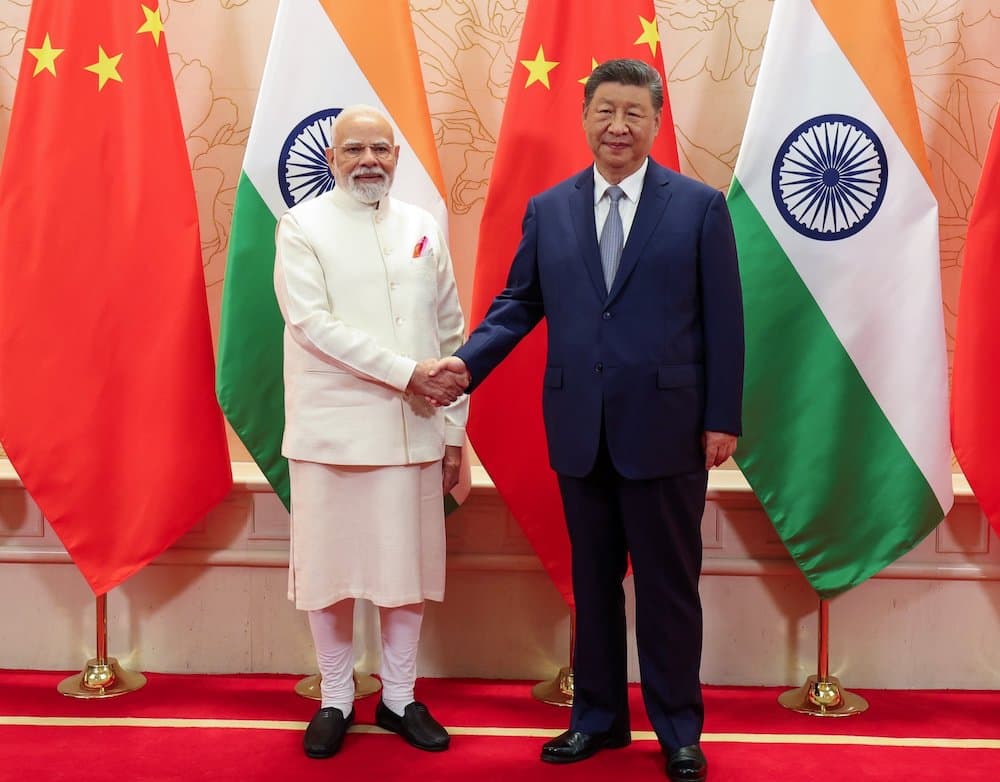
    • After bilateral exchanges with China, the New Delhi Declaration emphasized the need for development-focused rules in the WTO.

    Global Opposition:

    • Canada's opposition to India’s rejection of plurilateral agreements highlights differing perspectives within the WTO, with some member states encouraging India to participate in dialogues surrounding agreements such as fossil fuel subsidy reforms and plastic pollution initiatives.

    Implications for Trade Policy:

    • India aims to foster good-faith discussions under the WTO Reform Agenda, seeking comprehensive dialogue about plurilateral agreements and their role within the multilateral trading system.

    Conclusion:

    • India's position represents a cautious approach, balancing the need for reform and engagement within the WTO while staunchly defending its developmental priorities and economic interests, particularly against pressures from developed nations advocating for broader plurilateral negotiations.