iAspirants
BRICS Declaration Highlights West Asia Dynamics
Published on:
Share this post
Article Summary
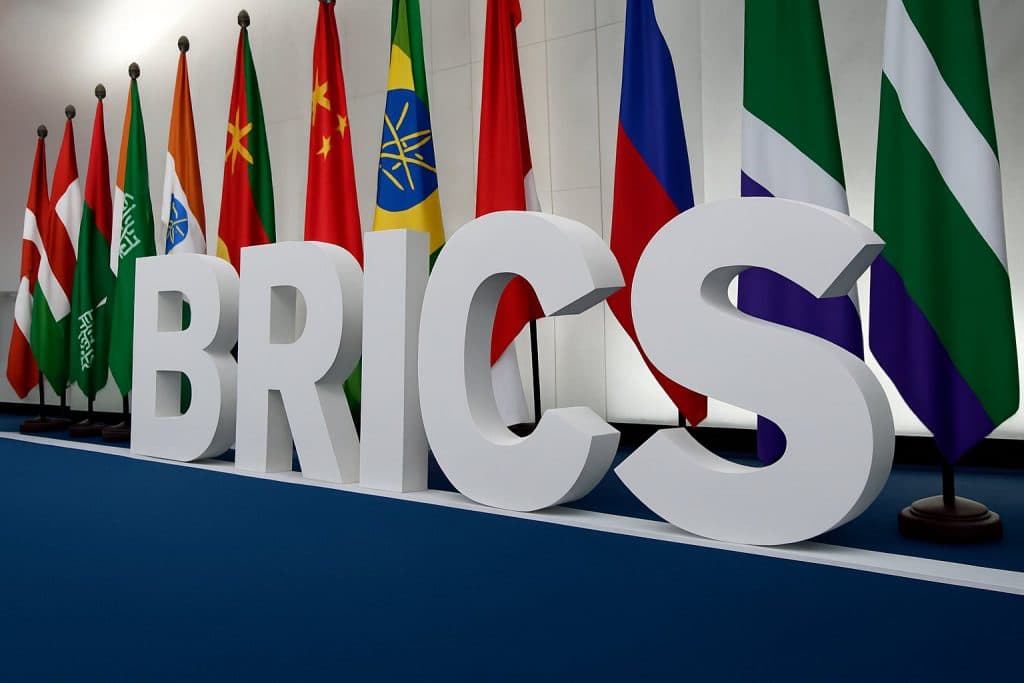
BRICS New Delhi Declaration Highlights
Overview
- Date of Adoption: September 2026
- Total Paragraphs: 140
- Paragraphs on West Asia: 11
- Significance: First BRICS declaration mentioning UN Security Council’s Resolution 2803 (November 17, 2025), tied to the Trump-backed Gaza peace plan.
Key Points on Palestine
UNSC Resolution 2803:
- Noted and reaffirmed in paragraphs 30 and 31 of the declaration.
- Supports the Arab Peace Initiative (2002) proposing a Palestinian state within 1967 borders with East Jerusalem as the capital.
- Historically viewed as a "land-for-peace" deal contingent on Israeli acknowledgment of Palestinian statehood.
Israel's Position:
- Resistance to the 1967 borders requirement; Israel has expanded its occupation since October 2023.
- UNSC 2803 omitted obligations regarding pre-1967 borders, reflecting a shift towards a more pro-Israel U.S. stance.
Arab Response:
- Despite initial oppositions, Arab states engaged in discussions through various sessions post-resolution, re-affirming the need for ending occupations and recognizing Palestinian sovereignty.
Geopolitical Context
Iran-Saudi Dynamics:
- Shift towards operational engagement between Iran and Gulf states despite heightened tensions and ongoing conflicts.
- Notable meeting between Iranian President and UAE Crown Prince emphasizing future cooperation.
Yemeni Conflict Omission:
- The declaration notably lacks reference to the ongoing Yemeni conflict, marking a shift in Saudi Arabia's engagement strategy while facing Houthi strikes.
Judicial and International Aspects
- ICJ Reference: Support for South Africa’s case against Israel at the International Court of Justice (ICJ) is included.
- Call for Israeli Withdrawal: Explicit call for Israel to withdraw from occupied Lebanese territories.
Indian Diplomatic Role
- BRICS Presidency: India’s presidency is marked by successful consensus-building, resulting in the declaration amidst complex geopolitical challenges in West Asia.
Observations on BRICS Cohesion
- Consensus reflects the collaborative effort of Iran, Russia, and China to acknowledge Arab positions on Palestine while maintaining diplomatic coherence.
- The declaration illustrates a critical balancing act among BRICS members amidst diverging national interests regarding Middle Eastern geopolitics.
Summary of Recommendations and Future Implications
- Engagement with Iran: The recognition of the necessity to engage Iran for regional stability may lead to shifts in traditional alliances among Gulf states.
- Palestinian Statehood: Continued endorsement of 1967 borders in international forums suggests sustained international dialogue on Palestinian statehood could gain traction.
- International Relations Strategy: BRICS countries need to navigate complex regional relationships with sensitivity while pushing forward frameworks that advocate peace and stability in West Asia.
This declaration encapsulates the evolving Geopolitical landscape in West Asia while highlighting the broader implications for international diplomacy and regional alliances.
Key Terms & Concepts
| BRICS New Delhi Declaration | Multilateral agreement on West Asia |
| UNSC Resolution 2803 | Gaza peace plan reference |
| Arab Peace Initiative | Framework for Palestinian statehood |
| 1967 borders | Reference for sovereignty claims |
| Gulf Cooperation Council | Regional political body |
| International Court of Justice | Legal venue for disputes |
| Donald Trump | Influencer of US policy |
| US-Israel war on Iran | Current geopolitical conflict |
| Yemen conflict | Ongoing regional crisis |