iAspirants
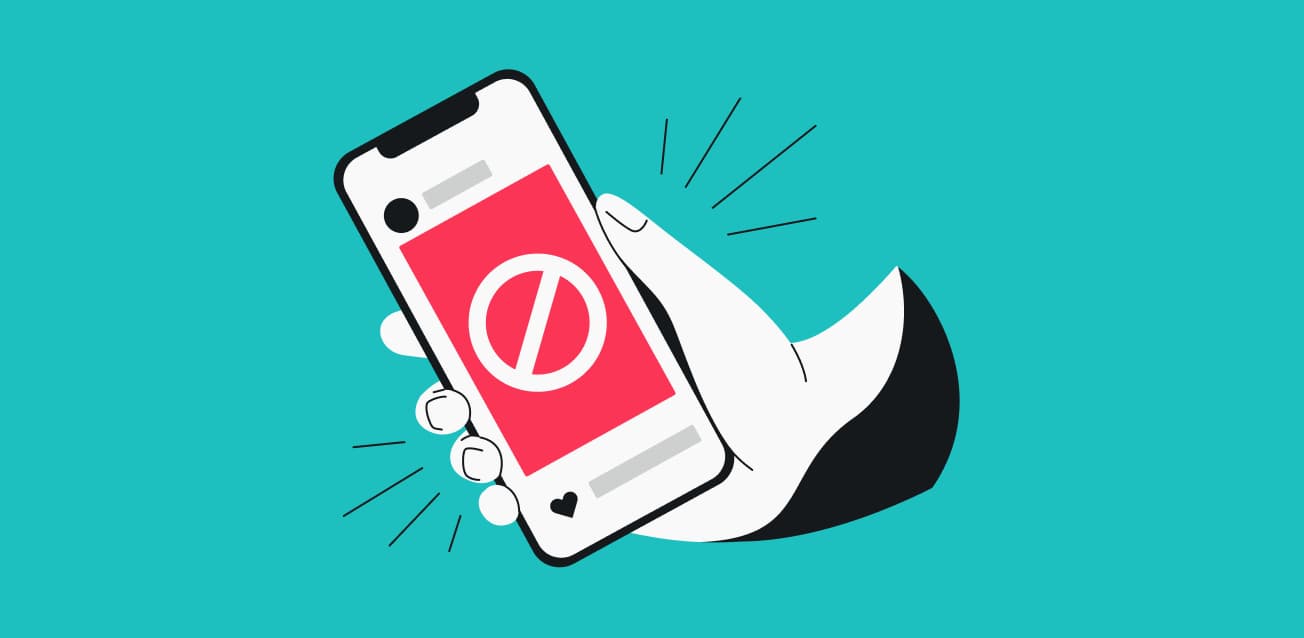
Australia Bans Social Media for Minors
Published on:
Share this post
Article Summary
Summary of Australia’s Social Media Ban and Global Regulations
Australia’s Legislation
- World's First Ban: Australia will become the first country to ban social media access for children under 16, effective December 10, 2025.
- Platforms Affected: Major platforms like TikTok, YouTube (Alphabet), Instagram, and Facebook (Meta) are included in the ban.
- Legislative Framework: This regulation stems from a landmark law passed in November 2024, aimed at blocking minors from harmful content, with penalties for non-compliance reaching A$49.5 million (approximately $32.8 million).
- Online Safety Act: The law sets stringent age restrictions, initiated in 2023, with no specified age limit for social media access.
International Regulatory Trends
- China: Introduced a “minor mode” requiring app-specific rules to limit screen time based on age.
- Denmark: Proposed to ban social media for children under 15, allowing parental exemptions for those as young as 13.
- France: Implemented a law requiring parental consent for minors under 15 to create accounts; enforcement challenges noted.
- Italy: Children under 14 require parental consent for account creation.
- Malaysia: Announced plans to ban social media for users under 16 starting next year.
Other Countries’ Discourses and Proposals
- Norway: Proposed legislation to raise the consent age from 13 to 15, allowing parental consent below this threshold.
- Children's Online Privacy Protection Act (COPPA) in the U.S.: Prevents data collection from children under 13 without parental consent, with various states enacting additional laws facing free speech challenges.
- European Parliament Resolution: In November, it urged for a minimum social media age of 16 and a harmonized EU digital age limit of 13 for general access. This resolution is not legally binding.
Engagement Statistics and Advocacy Concerns
- Despite regulations, child protection advocates highlight that measures are often inadequate. For instance, survey data indicates many children under 13 possess social media accounts, challenging the effectiveness of existing age restrictions and parental consent provisions.
Economic Data and Implications
- The Australian ban and various international regulations indicate a growing trend to protect minors, reflecting broader concerns about mental health and the safety implications of social media usage among children.
This summary encapsulates Australia's pioneering efforts alongside a global landscape of evolving social media regulations to safeguard children's online engagement.
Key Terms & Concepts
| Australia | Banning social media for minors |
| Online Safety Act | Sets age restrictions for social media |
| A$49.5 million ($32.8 million) | Penalties for non-compliance |
| China's minor mode programme | Restricts screen time by age |
| European Parliament | Proposed minimum age of 16 |
| Children's Online Privacy Protection Act | Protects children's data privacy |
| Denmark | Proposes ban for children under 15 |
| France | Requires parental consent under 15 |
| Malaysia | Plans ban for users under 16 |
| Italy | Needs parental consent for under 14 |
| Norway | Proposed minimum consent age of 15 |