iAspirants
Supreme Court Rules on Party Merger Disputes
Published on:
Share this post
Article Summary
Supreme Court Ruling on Political Party Integrity
Judicial Context:
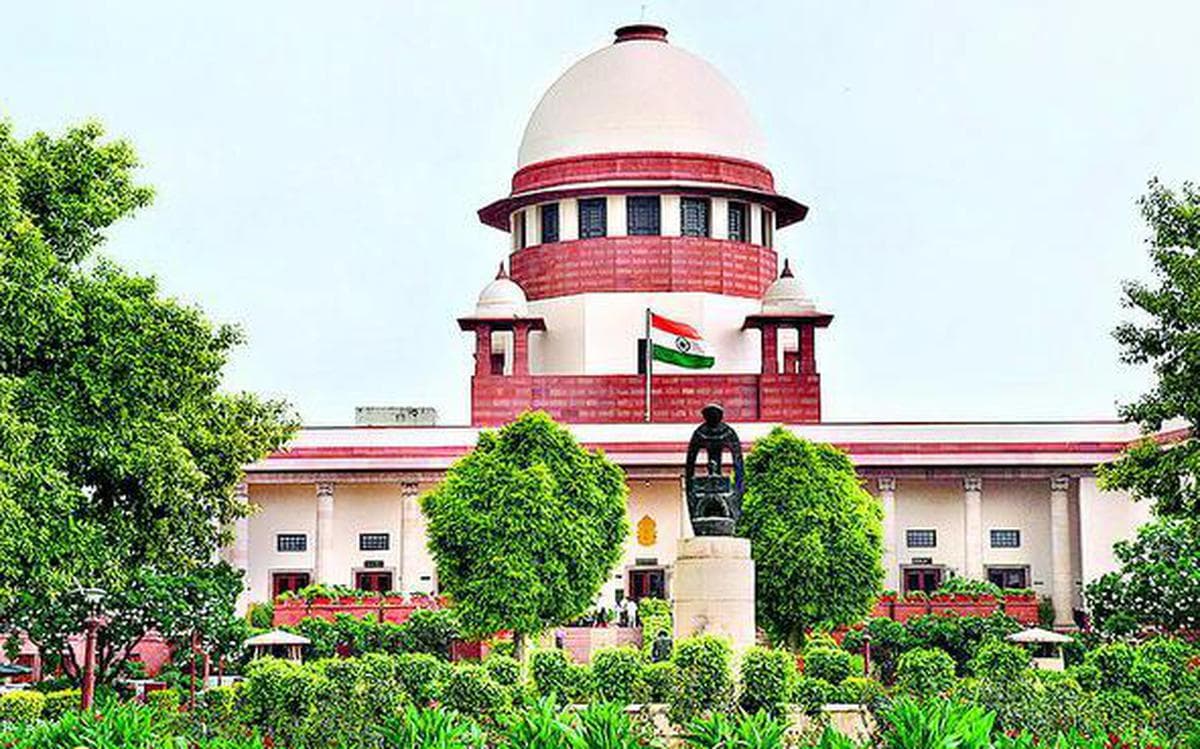
- The Supreme Court, through a three-judge Bench led by Chief Justice Surya Kant, reinforced that a group of majority MLAs/MPs cannot override the directives of their parent political party.
- Justice Joymalya Bagchi emphasized that political stability is measured by adherence to party ideology, and any disorder stemming from factionalism undermines democracy.
Case Background:
- The court is addressing a dispute between two factions of the Shiv Sena party: the Uddhav Thackeray-led group and the Eknath Shinde-led faction, which claims to represent the “real” Shiv Sena.
- Shinde’s faction, with support from 40 out of 55 MLAs, rebelled leading to a shift in government allegiance to the BJP. The Election Commission subsequently recognized Shinde's group as the legitimate party entity.
Legal Principles Affirmed:
- Party vs. Legislative Identity: The court underscored the distinction between a political party and its legislative wing as addressed in past judgments.
- Tenth Schedule Reference: The Tenth Schedule of the Constitution governs disqualification of MPs/MLAs on grounds of defection. Key clauses:
- Paragraph 1(b): Defines a 'legislature party' as members belonging to a party.
- Paragraph 1(c): Defines the 'original political party' as the entity a member originally belonged to.
- The distinction is vital; the concept of a 'split' under Tenth Schedule provisions only pertains to the original political party.
Critical Observations:
- The court cautioned against the possibility of elected governments being toppled through manipulative faction shifts, threatening electoral integrity.
- Senior Advocate Kapil Sibal raised concerns that majority factions could exploit their position to undermine party-led governance.
Recent Judicial Precedent:
- A notable Constitution Bench judgment from 2023 in Subhash Desai vs. Principal Secretary, Governor of Maharashtra reiterated that political parties and legislature parties are separate entities with different standings under the Tenth Schedule.
- It nullified the concept of a legislature-based split as a defense against disqualification, reaffirming that such actions need to align with the parent party's decisions.
Conclusion: The Supreme Court's ruling serves to protect the foundational principle of party loyalty in India's parliamentary democracy, ensuring that the electoral mandate is respected and that individual legislators do not hold unilateral power to reformulate party allegiances to suit majority interests. This ruling emphasizes the need for consistency in party ideology and integrity in the political process.
Key Terms & Concepts
| Supreme Court of India | Judicial authority in case |
| Tenth Schedule | Defines party merge/split |
| Subhash Desai versus Principal Secretary | Significant judgment reference |
| Shiv Sena | Political party in dispute |
| Election Commission | Regulator of party symbol |
| 2023 | Year of significant judgment |
| Eknath Shinde | Leader of rebel faction |
| Uddhav Thackeray | Leader of original faction |
| Maharashtra | State involved in case |
| 40 out of 55 | Majority in rebel faction |