iAspirants
Current AffairsPrelims PYQsUPSC CSE SyllabusUPSC CSE StrategyBlogsPricing
Login
iAspirants
Current AffairsPrelims PYQsUPSC CSE SyllabusUPSC CSE StrategyBlogsPricingContact UsLoginSignUp
iAspirants

Your AI-powered companion for UPSC preparation.

Study Resources

  • Current Affairs
  • Prelims PYQs
  • UPSC CSE Syllabus
  • UPSC CSE Strategy
  • Blogs

Practice & Plans

  • Mains Answer Evaluation
  • Pricing
  • Sign Up
  • Login

Company

  • Home
  • About Us
  • Contact Us
  • FAQs

Legal

  • Privacy Policy
  • Terms & Conditions
  • Return Policy

© 2026 iAspirants, Inc. All rights reserved.

  1. Blogs
  2. Economic and Social Development

Assessment of Production Linked Incentive Scheme

Published on: 16-Nov-2026

Source: Indian Express

Share this post
Assessment of Production Linked Incentive Scheme

Article Summary

Exam-Focused Notes on the PLI Scheme Impact Assessment

Overview of the Production Linked Incentive (PLI) Scheme:

  • Introduced: 2020 by the Narendra Modi government
  • Objective: Boost manufacturing to provide employment and enhance competitiveness among firms.
  • Background: Followed the corporate tax rate cut in 2019.

Key Features:

  • Targeted Support: Links incentives to incremental production and firm performance, unlike broad-based support.
  • Goal: Catalyze investments in key sectors and improve performance metrics like employment and exports.

Recent Findings from the NITI Aayog and IIM Ahmedabad Report:

  • Cumulative Incentive Disbursement: Less than 20% of the total outlay of ₹1.91 lakh crore as of March 2026.
  • Investment Attracted: ₹2.40 lakh crore
  • Production Generated: ₹22.66 lakh crore
  • Employment Created: Over 8.49 lakh jobs

Sectoral Performance:

  • Strong Progress: Large-scale electronics, pharmaceuticals, food processing, drones, medical devices, and white goods exhibited progress across multiple metrics.
  • Needs Improvement: Sectors like automobiles, telecom, and specialty steel require strengthening in areas of:
    • Employment
    • Exports
    • Domestic value addition

Conclusion & Recommendations:

  • Current Status: Nearly 70% of targeted segments are on track.
  • Recommendations for Improvement:
    1. Adopt a sector-specific approach due to performance variation.
    2. Standardize data collection and reporting mechanisms across ministries.
    3. Move beyond supply-side interventions; incorporate demand-side incentives for downstream firms and consumers.

Implications:

  • The findings suggest a strategic need for policy refinement to improve sector-specific interventions, ensuring the PLI scheme effectively meets its objectives in fostering a competitive manufacturing environment in India.

Key Terms & Concepts

NITI AayogResearch and analysis provider
IIM AhmedabadResearch and analysis provider
Production Linked Incentive (PLI) schemeGovernment policy initiative
2020Year of scheme introduction
2019Year of corporate tax cut
Rs 1.91 lakh croreTotal outlay of PLI schemes
March 2026Future projection evaluation date
Rs 2.40 lakh croreInvestments attracted by PLI
Rs 22.66 lakh croreProduction generated under PLI
8.49 lakhEmployment created by PLI
Electronics, Pharmaceuticals, Food Processing, Drones, Medical Devices, White GoodsStrong performing sectors
Automobiles, Telecom, Speciality SteelUnderperforming sectors

Mind Map for UPSC Civil Services Revision

Turn UPSC Civil Services Current Affairs Into Exam-Ready Notes

Reading Economic and Social Development current affairs is half the work. Revise them with ready-made notes and test what actually stuck.

  • Daily UPSC Civil Services current affairs analysis
  • Revision notes, mind maps & MCQs
  • Prelims mock tests with instant results

Related UPSC Civil Services Current Affairs Articles

India's Female Workforce Participation Challenges
Economic and Social Development16-Nov-2026

India's Female Workforce Participation Challenges

Exam-Focused Summary of Women's Labor Force Participation and Government Initiatives

Key Facts & Economic Data:

  • Female Labor Force Participation Rate (LFPR):
    • Current rate (September): 34.6%, with a goal to increase it to .
Data collection standardisationProposed improvement area
Demand-side incentivesSuggested approach adjustment
70%Targeted segments on track
Practise Mains answer writingUpload a handwritten answer and get it evaluated
50%
  • Essential for bolstering GDP growth towards 8%, necessary for India to achieve high-income status by 2047 (World Bank).
  • Government Initiatives and Surveys:

    • The Ministry of Statistics and Programme Implementation (MoSPI) has proposed new questions to be added to its Periodic Labour Force Survey (PLFS) to understand the nature of unpaid domestic and care work.
    • New focus areas include:
      • Magnitude of care work performed by individuals.
      • Impact of care duties on employment opportunities.

    Planned Survey Changes:

    • Questions will cover:
      • Nature of unpaid work (self-consumption vs. selling).
      • Job-seeking within the past 30 days.
      • Reasons for not seeking work, including family/household responsibilities.
    • Current data indicates that 44.4% of women cited child care or personal commitments as reasons for not working.

    Time Use Surveys Data:

    • Working-age men (15-59 years): Unpaid activities reduced from 74 minutes (2019) to 62 minutes (2024).
    • Working-age women: Increased unpaid activities from 364 minutes (2019) to 366 minutes (2024).

    Policy and Economic Implications:

    • The new PLFS questions, paired with Time Use Survey findings, aim to refine the understanding of women's work participation.
    • A need for tailored policies that reflect the diversity of care and employment experiences across rural and urban areas.

    Hurdles to Employment:

    • Factors hindering women's employment include:
      • Unpaid domestic tasks.
      • Lack of mobility and time for entrepreneurial endeavors.
    • Tamil Nadu exemplifies a successful model by providing dormitories for female workers, addressing the challenges of distance and living arrangements.

    Additional Insights:

    • Current efforts to improve women's labor participation are critical in combating stereotypes and enhancing female engagement in the workforce.
    • Key Challenges:
      • The dual burden of unpaid work and formal employment.
      • Societal norms and structural barriers still persist, impacting women's economic opportunities.

    Conclusion:

    Understanding and addressing the complexity of women's participation in the workforce through improved data collection and policy interventions is pivotal for achieving India's 2047 development goals. These initiatives highlight the vital connection between expanding the female labor force and overall economic growth.

    India-ASEAN Summit Strategic Importance
    International Relations16-Nov-2026

    India-ASEAN Summit Strategic Importance

    International Relations: India-ASEAN Engagement

    • Summit Information:

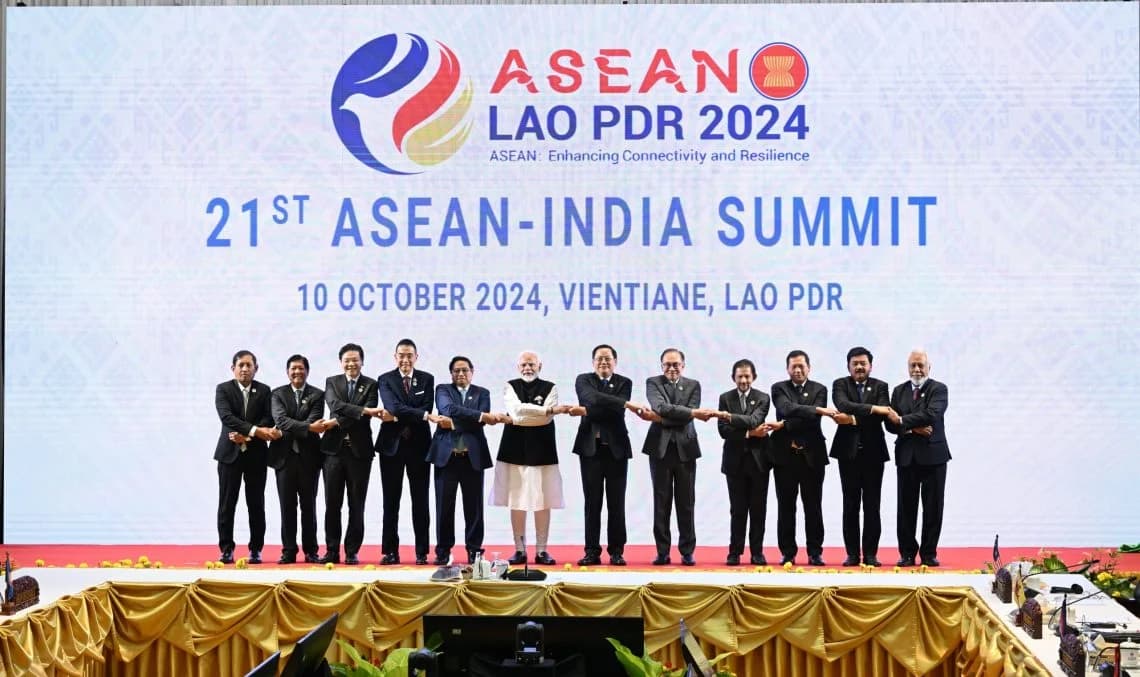
      • Prime Minister Narendra Modi participated in the ASEAN-India Summit and East Asia Summit on November 16-17, 2026.
      • Location: Manila.
    • Context & Importance:

      • The summit is viewed as pivotal due to rising strategic rivalries and economic disruptions on an international scale.
      • Aims to reaffirm ASEAN centrality in global governance and consolidate outcomes of the 2026 ASEAN-India Year of Maritime Cooperation.
      • The event is aligned with India's Act East Policy to enhance cooperation with Southeast Asian nations.
    • ASEAN-India Dialogue Partnership:

      • The partnership will celebrate its 35th anniversary in 2027 after evolving since the establishment of relations in 1992.
      • Highlights a transition from basic bilateral trade and cultural exchanges to a Comprehensive Strategic Partnership.
    • Significance of ASEAN:

      • India is recognized as an ASEAN dialogue partner that prioritizes ASEAN’s strategic autonomy and supports its inclusive institutional framework.
      • Reinforces India's commitment towards regional integration and collaboration in multifaceted areas including trade, security, cultural exchange, and environmental sustainability.
    • Future Prospects:

      • Potential for added momentum in various sectors, suggesting growth in economic ties, security collaboration, and cultural interactions as part of the evolving partnership.
    India's Diabetes Crisis and Solutions
    Economic and Social Development15-Nov-2026

    India's Diabetes Crisis and Solutions

    Exam-Focused Notes on Diabetes in India

    Current Statistics

    • Diabetes Prevalence:
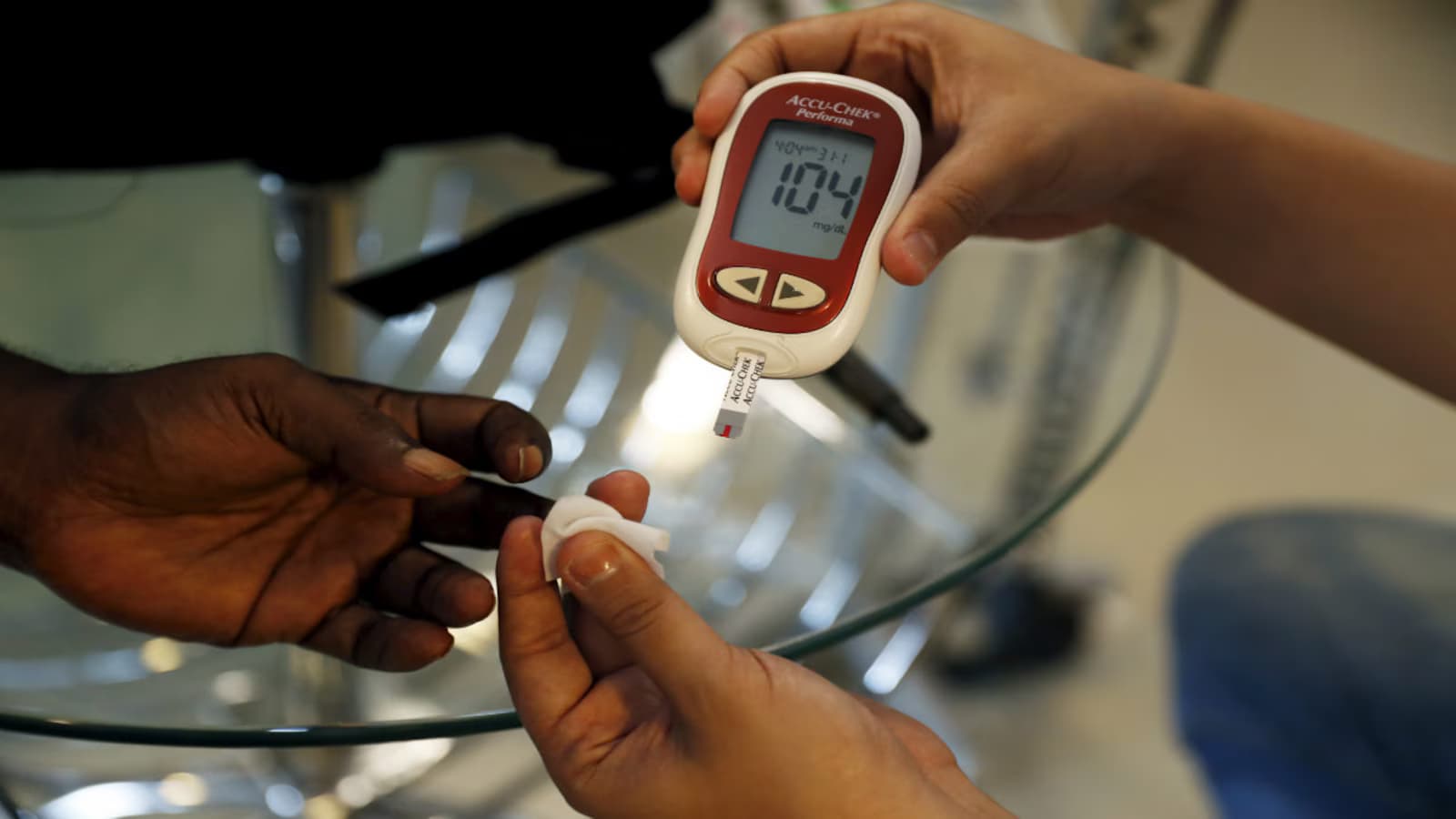
      • 101 million Indians currently have diabetes.
      • 136 million Indians are classified as prediabetic.
      • Approximately 33% of adults in urban areas are on the path to diabetes.
    • Childhood Obesity: Rising cases of fatty liver in children as young as 12, traditionally seen in much older individuals.

    Historical Context

    • Ancient Wisdom:
      • Vedic India emphasized the importance of diet on health, treating digestive health as sacred.
      • Hippocrates (Greece) advocated for diet as medicine and physical activity as essential for health.
      • The decline of Rome was partly attributed to excess and poor dietary habits.

    Cultural Practices

    • Traditional Eating Habits:
      • Emphasis on fresh, seasonal foods, and communal eating.
      • Contrast with modern practices that favor processed foods high in sugars and unhealthy fats.
      • Recommendation of the Hara Hachi Bu principle from Japan, which suggests eating until 80% full.

    Dietary Shifts and Consequences

    • Modern Diet Concerns:
      • Over-refinement of staple foods like rice and wheat has led to increased sugar content and health risks.
      • Traditional grains such as ragi and bajra are being disregarded in favor of refined options.

    Necessary Lifestyle Changes

    • Individual Recommendations:
      • Walk after meals, consume millets, dal, sabzi, and one fruit daily.
      • Prioritize consuming vegetables and dal before other foods.
      • Maintain a sleep schedule of at least 7 hours and sleep before midnight.

    Policy Recommendations

    • Government Initiatives:
      • Propose mandatory screening for diabetes and prediabetes for all individuals over 30.
      • Screen children with obesity for diabetes.
      • Integrate nutritional education in school curriculums.
      • Ban advertising of junk foods targeted at children to mitigate health risks.

    Health Philosophies

    • Key Takeaways:
      • Promotion of health as the foundation of wealth: "Health is the first wealth" (Arogya Lakshmi).
      • Shift public perception and practices away from unhealthy dietary habits towards holistic health principles.

    Conclusion

    • The narrative stresses the dire need for lifestyle changes at both individual and systemic levels in India to combat the growing diabetes epidemic. Adopting traditional wisdom while integrating modern awareness could significantly alter the trajectory of health outcomes in the country.
    Transforming Tribal Education in India
    Economic and Social Development15-Nov-2026

    Transforming Tribal Education in India

    Exam-Focused Notes on Tribal Education and Eklavya Model Residential Schools (EMRS)

    Constitutional and Policy Framework

    • Constitutional References:
      • Article 46 of the Indian Constitution promotes the educational and economic interests of Scheduled Tribes.

    Government Schemes and Initiatives

    • Eklavya Model Residential Schools (EMRS):
      • Objective: Holistic development and quality education for tribal children.
      • Established by: Ministry of Tribal Affairs.
      • EMRS Scheme Introduction: Expanded in the Union Budget (2018-19) aiming for one EMRS in every block with over 50% ST population and a minimum of 20,000 tribal persons (Census 2011).
      • Focus on Inclusivity: 90% of students are from tribal communities, with 50% reservation for girls.
      • Operational Phases:
        • Phase 1 (1997-2018): 288 schools sanctioned; faced structural challenges.
    India's Rapid Poverty Decline and Green Jobs
    Economic and Social Development14-Nov-2026

    India's Rapid Poverty Decline and Green Jobs

    Key Highlights: India's Economic and Employment Development

    Poverty Decline:

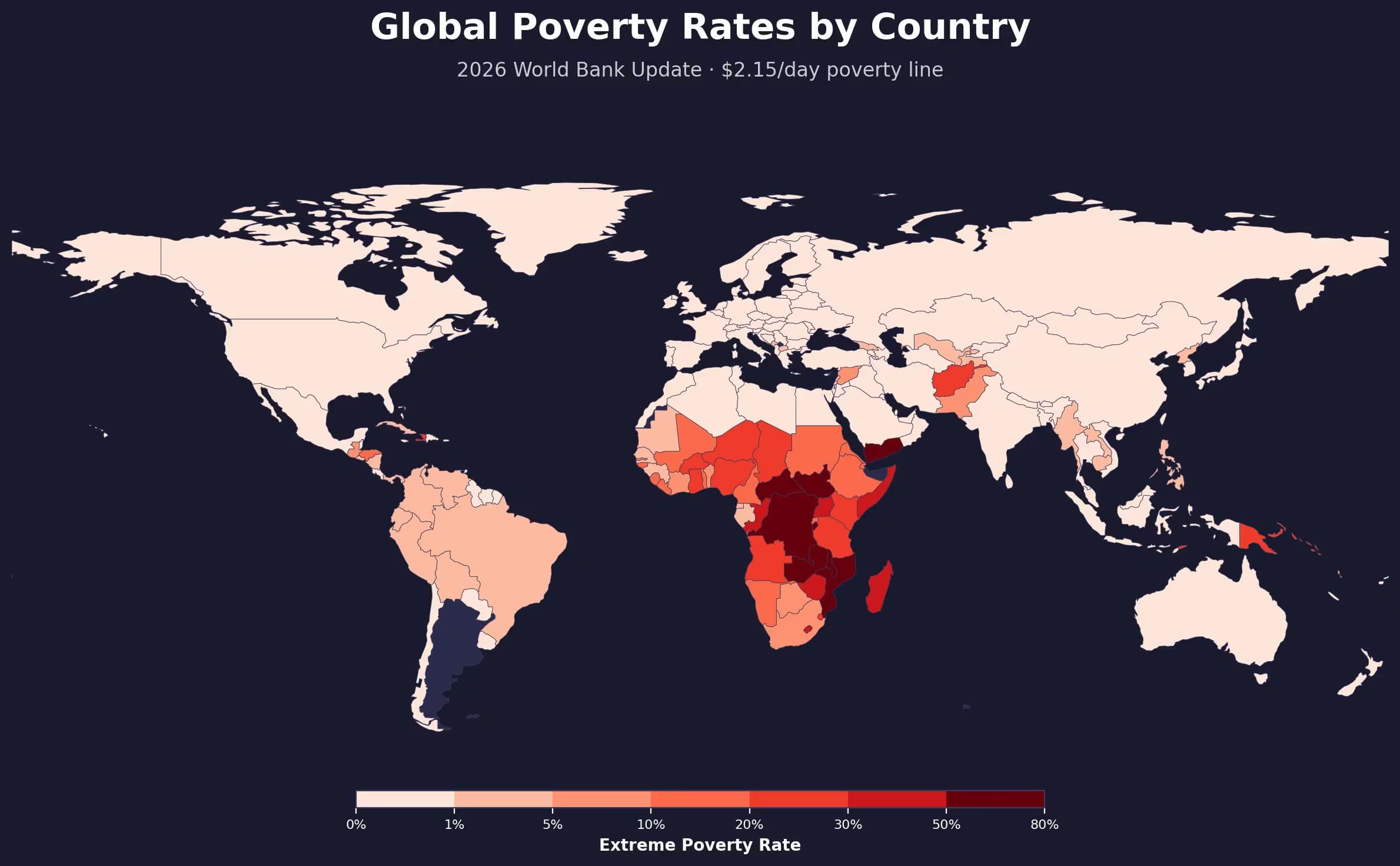
    • The World Bank reports a significant reduction in poverty in India, with 496 million individuals escaping poverty from 2011 to 2023.
    • Extreme poverty decreased from 27.1% to 2.6% during the same period.
    • The improvement is attributed to strong consumption growth, social transfers, and increased employment, particularly among women.

    Employment and Green Jobs:

    • India aims for a 'Viksit Bharat' (Developed India) by 2047 and a net-zero economy by 2070.
    • New industries in renewable energy, electric vehicles, and climate resilience are projected to create over 1.3 crore jobs by 2035, with a focus on local employment opportunities.
    • Sectors like rooftop solar, EV repair, waste recovery, and agroforestry will significantly impact rural employment.

    Youth Demographics:

    • Over 27% of the Indian population is aged 15-29, with an increasing number pursuing higher education (17.3% graduates in 2025; women leading at 17.9%).
    • The worker population ratio is nearly aligned with the labour force participation rate, indicating a robust labor market.

    Skills Transferability:

    • A high transferability rate of skills exists between traditional sectors and emerging green jobs: 71% for thermal power roles to renewables, and 90% for automobile roles to electric vehicles with targeted training.

    Technical Education and Training Needs:

    • Only 5.3% of youth receive technical education; 5% have formal vocational training.
    • Current training initiatives have only prepared 81,000 individuals for green roles, while demand for green jobs is expected to grow by approximately 4.5 lakh annually.

    Government Initiatives:

    • The PM-SETU scheme (Rs 60,000 crore) is modernizing 1,000 ITIs (Industrial Training Institutes), which currently hold over 26 lakh seats.
    • The Ministry of Skill Development and Entrepreneurship is revising the National Policy for Skill Development and Entrepreneurship to align with the green economy.

    Challenges Ahead:

    • There is a pressing need for longer-term education and training to incorporate technical skills that match advanced green job roles.
    • Current training programs are largely short-term; about 43% of formally trained workers have completed courses shorter than six months.
    • A cohesive education and skilling continuum from school to vocational training and the workplace is essential for full employment potential in the green sector.

    Conclusion: India's journey from alleviating poverty to establishing a workforce with secure, rising incomes hinges on the development of green jobs and the effective translation of education into actionable skills tailored for the evolving economy.

    India's Record Exports Surge in October
    Economic and Social Development14-Nov-2026

    India's Record Exports Surge in October

    Economic Overview of India's October 2026 Trade Data

    Export Highlights:

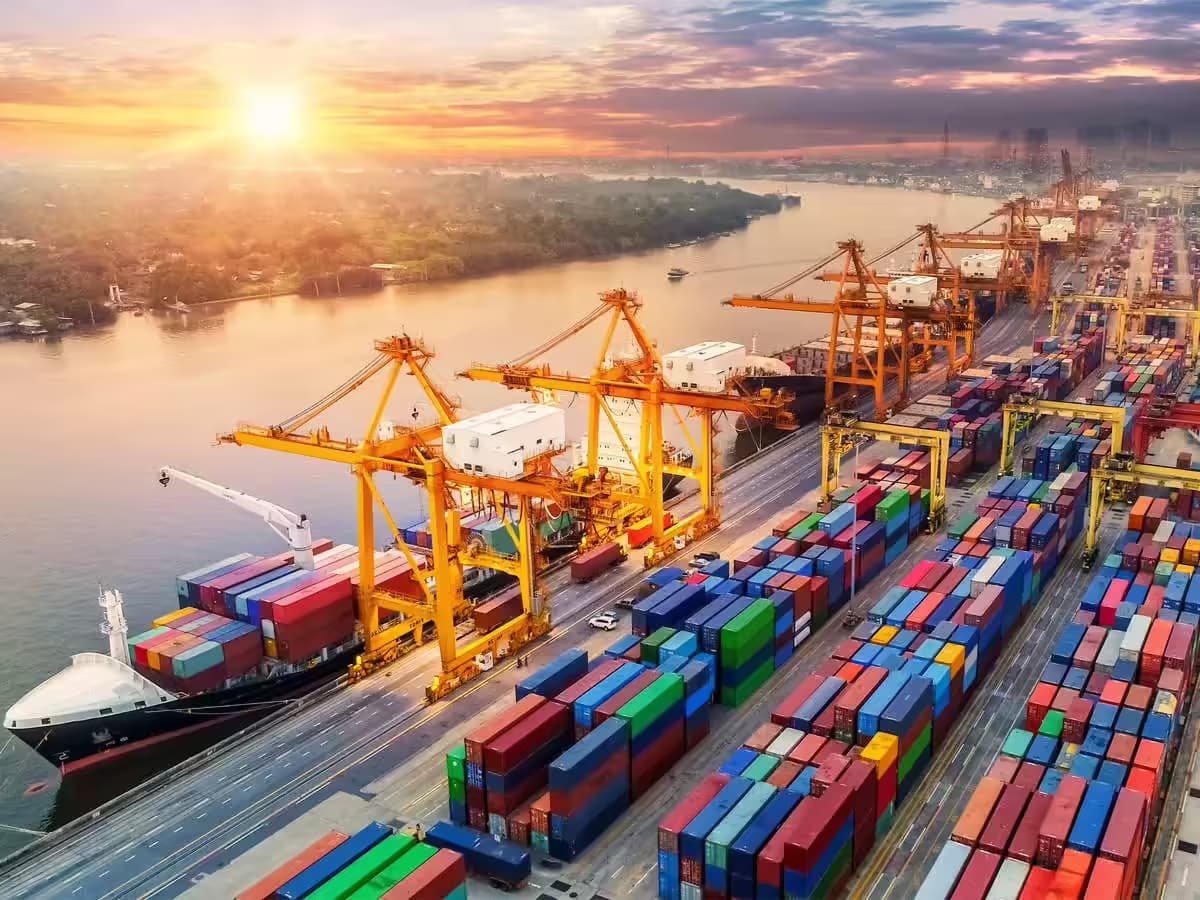
    1. Record Exports: India’s goods exports reached a historic peak of $49.47 billion in October 2026, marking a 45% increase from $34.11 billion in October 2025.
    2. Key Sectors: Significant contributions came from:
      • Petroleum Products: Exports surged by 140% to $8.89 billion.
      • Electronic Goods: Exports increased by 62% to $6.64 billion.
      • Non-oil, Non-gems and Jewellery Exports: Rose by 32% to $37.38 billion.

    Import Highlights:

    1. Record Imports: India’s imports soared to $89.35 billion, a 16% increase from $76.69 billion last year, achieving the highest import level in five years.
    Supporting Social Entrepreneurs with Tech
    Economic and Social Development14-Nov-2026

    Supporting Social Entrepreneurs with Tech

    Overview of the^delta and Its Initiatives

    • Established: 2018, as an incubator under the Atal Innovation Mission.
    • Focus: Supports social entrepreneurs tackling complex social issues through incubation and Grand Challenges.
    • Current Cohorts: 13th for incubators and 8th for accelerators.
    • Areas of Work: Healthcare, skilling, livelihoods, climate, financial inclusion, access to justice.
    • Impact: Supported 148 organizations, mobilizing Rs 1,400 crore in follow-on capital.

    Notable Initiatives and Programs

    • Pragati AI for Impact: Focuses on using AI for social enterprises to solve real-world problems and enhance inclusion.
    • Grand Challenges: Research-led initiatives to spur innovation by identifying systemic gaps. Prize funding starting from Rs. 2.5 crore, recently increasing to Rs. 6.5 crore for specific initiatives.
    • Climate Big Bets 2047: Focus on regenerative agriculture and sustainable practices for enhancing soil health and farmer income.
  • Phase 2 (2018 onwards):
    • Emphasis on first-generation learners, learning gap assessments, and bilingual instruction.
    • EMRS 3.0 operationalized in 2023, enhancing educational strategies.
  • Enrollment and Infrastructure

    • Current Enrollment: 172,952 students (as of October 2023), with 84,636 boys and 88,317 girls.
    • Top States: Odisha (114 EMRS), Jharkhand (91), Chhattisgarh (75), Madhya Pradesh (71), Gujarat (47).
    • Capital Cost for New Schools:
      • Initially Rs 20 crore (plain areas), Rs 24 crore (North-East & LWE-affected).
      • Increased in 2021 to Rs 37.8 crore and Rs 48 crore respectively.

    Educational Qualities and Facilities

    • Functional Infrastructure:
      • Smart classrooms: 365 EMRS equipped with smart boards in collaboration with MeitY.
      • Sports facilities include kho-kho, basketball, running tracks, and archery.
      • Vocational training centers for skill-based education aligned with CBSE norms.

    Academic Performance and Support

    • Bridge Courses: 65-day courses for newly admitted Class VI students to address foundational learning gaps.
    • Assessment System: Implementation of a performance index based on 31 indicators across seven domains, enhancing accountability.

    Economic Indicators and Investments

    • Maximum Annual Expenditure: Rs 1,47,356 per student for ancillary expenses including mess, uniforms, and CBSE fees.

    Achievements and Impact

    • Student Success: Examples of EMRS graduates include students admitted to IITs and AIIMS, showcasing the transformative impact of the education model.
    • Cultural Identity: Tribal corners celebrate heritage and traditions within the educational framework.

    Future Aspirations

    • The aim is to empower tribal children to dream and emerge as leaders and innovators in society, reflecting the ethos of Janjatiya Gaurav Diwas and the larger vision of "Viksit Bharat 2047" articulated by Prime Minister Narendra Modi.

    This summary encapsulates the essence of the EMRS initiative within the context of enhancing tribal education in India, showcasing various aspects including policy, infrastructure, educational focus, and student success outcomes.

  • Petroleum Imports: Increased by 54% to $22.81 billion, driven by rising crude oil prices amidst geopolitical tensions.
  • Electronic Imports: Rose by 49.95% to $14.31 billion.
  • Gold and Silver Imports: Contrarily, imports of gold fell 62% to $5.51 billion, and silver dropped 28.26% to $1.91 billion.
  • Trade Deficit:

    • The trade deficit for October expanded to $39.88 billion, marginally lower than $42.58 billion in October 2025.

    International Trade Dynamics:

    • Exports to the US: Grew by 39.3% to $8.72 billion.
    • Imports from Russia and China: Imports from Russia and China saw increases of 74% and 46%, respectively.
    • Market Diversification: Exporters noted a strategic move toward diversifying markets, with shipments to the UK, Taiwan, and Kenya rising over 50%.

    Government Remarks & Future Outlook:

    • Commerce Secretary Rajesh Agrawal highlighted this month as the highest-ever merchandise export value achieved, fueled by favorable trade policies and international agreements.
    • Recognition of the role of Free Trade Agreements (FTAs), which have cultivated increased trade opportunities with established and emerging markets, was emphasized by stakeholders.

    Contextual Factors:

    • The rise in exports and imports has been attributed to:
      • A weaker Indian rupee.
      • Reduced tariffs in the US enhancing export competitiveness.
      • The ongoing conflict in Iran impacting oil prices, which peaked around $92 per barrel.

    Conclusion & Strategy Moving Forward:

    • Stakeholders in trade and commerce stress the importance of building stronger buyer relationships, enhancing product competitiveness, and leveraging preferential access through existing and upcoming FTAs, particularly the anticipated agreements with the European Union and other trade blocs.
    • Continuous monitoring of global economic conditions and strategic domestic policies will be necessary to sustain this trade growth trajectory in coming months.

    Technological Integration

    • Tech Usage: Approximately 25% of supported nonprofits use technology as a key element in scaling operations.
    • Examples of Technological Solutions:
      • Rocket Learning: Utilizes WhatsApp to deliver educational content to preschool children, reaching 6 million children across 16 states.
      • Khushi Baby: A digital platform for monitoring children's health through community health workers in India.
      • Adalat AI: Builds AI solutions for courts, reaching over 6,300 courtrooms.

    Policy and Economic Insights

    • Inclusivity in Economy: Emphasis on supporting women from underserved communities to engage in the AI economy.
    • Government Role: Importance of aligning solutions with government needs for broader adoption and success in scaling.

    Environmental Initiatives

    • Climate Focus: The Rapid Regen Challenge aims for sustainable agriculture practices and farmer livelihood improvement, targeting a 25% income increase for involved farmers.

    Impact and Results

    • Non-profit Reach: Impacting nearly half of India’s government and government-aided schools through education programs.
    • Employment and Engagement: Helped mobilize over 370 entrepreneurs and extensive engagement with educational and health sectors.

    Challenges and Learnings

    • Adoption Barriers: Issues with technology adoption due to behavioral change requirements; installing tech does not guarantee its effective use.
    • Market Viability: Necessity to understand the buyer and payer dynamics for effective scaling; often relies on government procurement.
    • Outcome Discrepancies: Transition from training to actual employment retention requires supportive mechanisms.

    Grand Challenge Examples & Innovations

    • S4S Technologies: Solar-powered food processing to minimize post-harvest losses.
    • BioPrime Agri: Biotechnology applications for enhancing crop productivity under environmental stress.
    • Smartterra: AI tools for water leak detection, improving municipal water management.

    Conclusion

    The^delta exemplifies a robust model for facilitating social entrepreneurship through innovative funding, strategic support, and technology integration, addressing critical social and environmental issues while fostering inclusive economic growth.