iAspirants
HomeAbout UsCurrent AffairsPrelims PYQsPricing
iAspirants
HomeAboutBlogsFAQsPricingLogin
Privacy PolicyTerms & ConditionsReturn PolicyContact Us

© 2025 iAspirants, Inc. All rights reserved.

  1. Blogs
  2. National and International Importance

Air India Flight Incident Investigation

Published on: 11-Aug-2026

Share this post

Air India Flight Incident Investigation

Article Summary

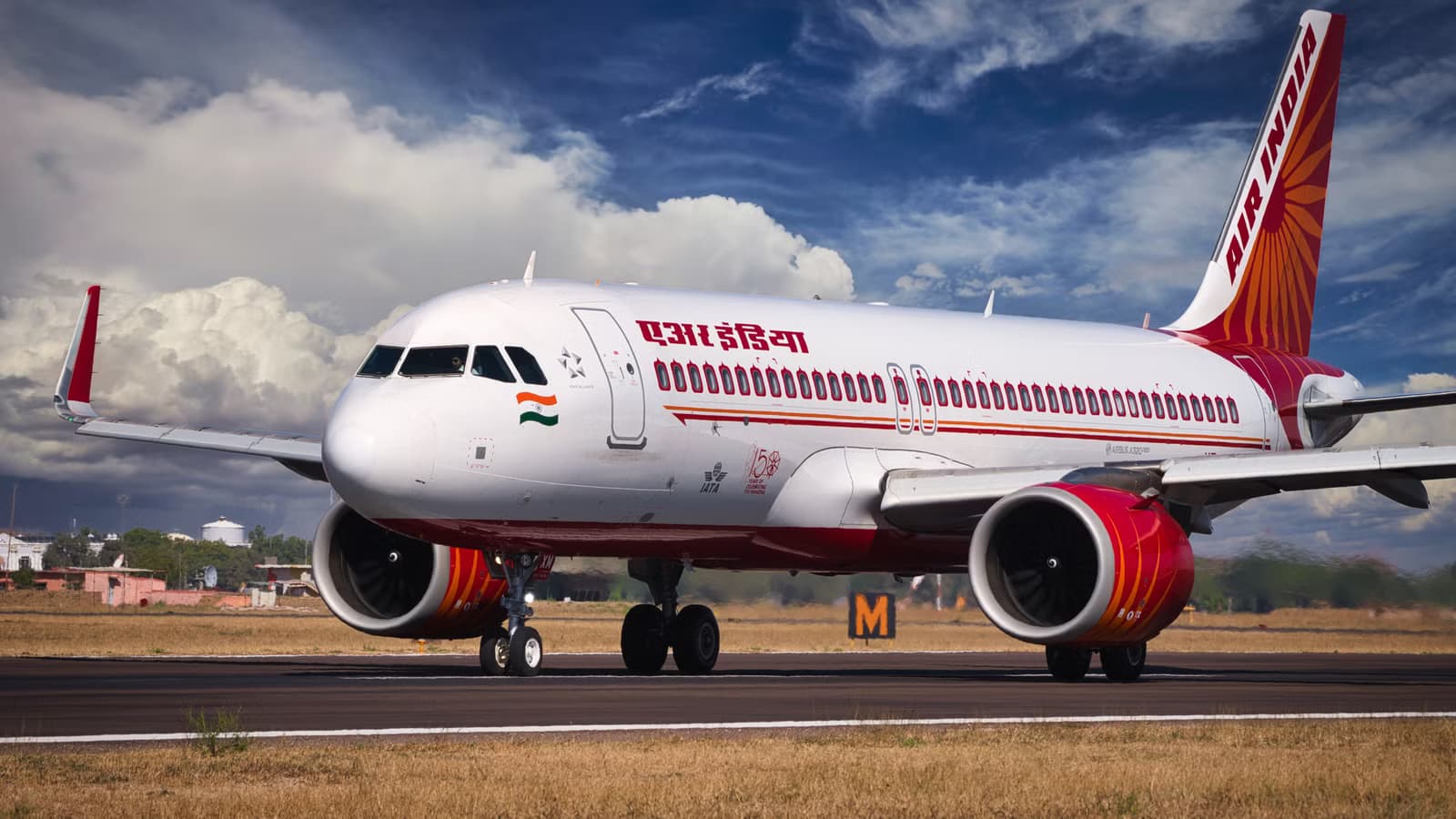
Incident Overview: Air India Flight AI 2379 (Phuket to Delhi)

  • Date of Incident: 04 August 2026
  • Aircraft Type: Airbus A320
  • Registration Number: VT-EXO
  • Flight Details: Scheduled flight AI 2379 from Phuket to Delhi.

Incident Description:

  • During cruise altitude, the aircraft experienced a sudden altitude change of approximately 300 feet.
  • The aircraft stabilized and landed safely in Delhi.
  • Casualties:
    • 20 passengers and 4 cabin crew members reported injuries.
    • Total on board: 137 passengers (including 3 infants), 2 pilots, and 6 cabin crew members.

Investigation Initiation:

  • The Directorate General of Civil Aviation (DGCA) has been informed, leading to the commencement of an investigation by the Aircraft Accident Investigation Bureau (AAIB).
  • The investigation follows applicable provisions and protocols set by the International Civil Aviation Organization (ICAO).

International Cooperation:

  • In accordance with ICAO protocols, the investigation will involve collaboration with relevant countries’ investigation authorities and Airbus technical representatives.
  • The Bureau d'Enquêtes et d'Analyses pour la sécurité de l'aviation civile (BEA), France, is also participating in the investigation.

Investigation Focus:

  • The AAIB is systematically collecting, preserving, and analyzing all relevant technical, operational, medical, and human factor evidence.
  • This includes:
    • Examination of the aircraft and its systems.
    • Review of recorded flight data and relevant operational and maintenance records.
    • Collection of medical information and interviews with involved personnel.

Objective of the Investigation:

  • The primary aim is to determine the circumstances and contributing factors of the incident.
  • Identify appropriate safety measures to prevent recurrence.

Investigation Principles:

  • The investigation is independent, evidence-based, and comprehensive.
  • Conclusions will not be drawn from isolated information during the ongoing investigation.
  • Collected records, statements, and medical information will be preserved and kept confidential in accordance with the investigation framework.

Public Communication:

  • AAIB urges all parties, including media and the public, to respect the investigation process and refrain from drawing conclusions based on incomplete or unverified information.
  • A commitment to a thorough, transparent, and professional investigation is emphasized, with the ultimate goal of ensuring aviation safety.

Conclusion:

  • The AAIB will release initial findings within the established timeframe as per applicable provisions and ICAO protocols, ensuring that all significant facts and relevant evidence are considered in the investigation. Further details will be disclosed at appropriate stages of the investigation.

Key Terms & Concepts

Air IndiaAirline operating the flight
AI 2379Flight number involved
A320Aircraft model used
DGCARegulatory authority involved
AAIBAccident investigation bureau
ICAOInternational aviation standards body
FranceCountry involved in investigation
AirbusManufacturer of the aircraft
300 feetHeight change during flight
137Total passengers on board
20Injured passengers reported
4Injured crew members reported
8Total crew members on board

Mind Map for UPSC Civil Services Revision

Turn UPSC Civil Services Current Affairs Into Exam-Ready Notes

Reading National and International Importance current affairs is half the work. Revise them with ready-made notes and test what actually stuck.

  • Daily UPSC Civil Services current affairs analysis
  • Revision notes, mind maps & MCQs
  • Prelims mock tests with instant results

Related UPSC Civil Services Current Affairs Articles

Exhibition Highlights India's Freedom Struggle
National and International Importance11-Aug-2026

Exhibition Highlights India's Freedom Struggle

Summary Notes on Bengaluru '47 Exhibition and Historical Context

Historical Significance

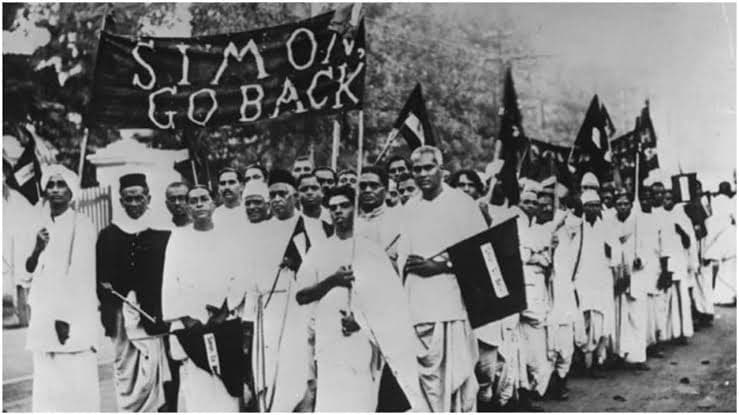
  • Swaraj Flag (1931): Adopted by Indian freedom fighters; featured the charkha.
  • Defiance Against Colonial Government: The flag’s carrying and hoisting was banned by British authorities, leading to widespread protest actions.

Key Figures in the Freedom Movement

  • N.V. Krishnamachari: Prominent in protests during the freedom movement; known for hoisting the banned flag despite police violence.
  • S.K. Kareem Khan: Freedom fighter and folklorist; documented experiences from the movement, including the assassination of Mahatma Gandhi.

Exhibitions and Events

  • Event: "Bengaluru ‘47: Forgotten Stories of Freedom"
    • Dates: August 14-23
    • Location: RBANM’s High School, Bengaluru
    • Organizers: INTACH Bengaluru Chapter, RBANM’s Educational Charities, #ReclaimConstitution, and 1Shanthiroad.
  • Displayed Artefacts:
    • Bloodstained flag of Krishnamachari
    • Autobiographical note of S.K. Kareem Khan
    • A Tamra Patra (copper plate) and charkhas by Krishnamachari.

Community Engagement Activities

  • Workshops, storytelling sessions, and talks to create awareness about freedom struggle contributions by ordinary citizens:
    • Spinning Workshop: August 16
    • Talk by Historian Ramachandra Guha: August 19
    • Evening with T.M. Krishna: August 22
  • Midnight Flag Hoisting Tradition:
    • Revival of the tradition from 1947; showcasing collective efforts by artists and community members.

Societal Impact

  • Youth Engagement: Focus on challenging casteist narratives post-Independence through social movements.
  • Quote from Autobiographical Notes: Reference to activities that involved engagement across various castes and communities, promoting unity.

Constitutional and Policy References

  • Constitutional Context: Mention of communal harmony and secular principles as part of the Congress Seva Dal's revival efforts post-Independence.
  • Highlight on the inclusion of all caste groups in public spaces, promoting a sense of collective resistance.

Economic and Social Indicators

  • Engagement of Ordinary Citizens: The exhibition portrays active participation from citizens of Bengaluru in various forms such as protests, purchasing khadi, and propagating freedom messages via pamphlets.

Conclusion

This exhibition serves not only as a commemorative effort but also as an educational platform highlighting the grassroots movements within Bengaluru's freedom struggle. It emphasizes unity in diversity and the historical importance of local narratives in shaping national identity.

Assam Floods Impact Tamuli Gaon
National and International Importance10-Aug-2026

Assam Floods Impact Tamuli Gaon

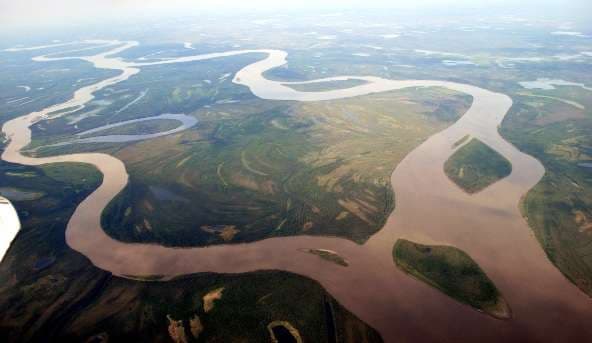
  • Geographical Context: Tamuli Gaon, located in Jorhat district, Assam, is approximately 40 km from Sivasagar district, which experienced severe flooding.

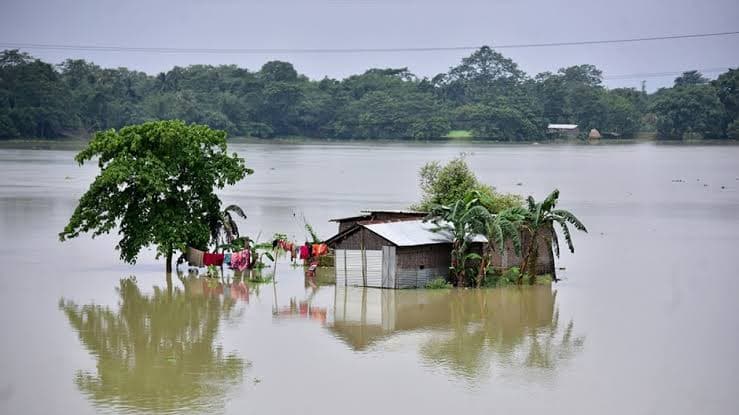
  • Flood Impact: The floods, noted as one of the worst localized floods in Assam since the 1950s, occurred on July 19-20, 2026. Sivasagar and Charaideo districts were heavily inundated, while Tamuli Gaon remained relatively unaffected due to its geographical positioning.

  • Village Demographics: Tamuli Gaon consists of 110 families.

  • Flood Dynamics: The village experienced inundation in low-lying paddy fields but was spared major flooding due to the strength of local embankments. The teacher, Biju Kumar Sarmah, noted that the floodwaters lost momentum before reaching Tamuli Gaon.

  • Future Risks: There are concerns about potential future floods, as the region is expected to receive substantial rainfall for at least two more months. The teacher expressed uncertainty about the village's safety against larger floods, highlighting the distance from Bihubar as a critical factor in flood dynamics.

  • Environmental Considerations: The mention of plantation drives indicates local efforts to reclaim and protect land from environmental degradation and flooding, reflecting community resilience strategies.

  • Climatic Factors: The report indirectly points to the broader implications of climate change and extreme weather events, which have increased the frequency and intensity of flooding in Assam.

  • Government Response: While not explicitly mentioned in the article, the context implies the need for better flood management policies and infrastructure improvements to protect vulnerable areas like Tamuli Gaon.

  • Constitutional Considerations: The issue of disaster management aligns with the principles outlined in the Constitution of India, particularly under the Directive Principles of State Policy (DPSP) which emphasize the state's responsibility to protect the environment and ensure the welfare of its citizens.

This summary highlights the key facts and implications regarding the floods in Assam, focusing on geographical, environmental, and community resilience aspects while noting the constitutional context and potential policy implications.

Celebrating 150 Years of Vande Mataram
National and International Importance10-Aug-2026

Celebrating 150 Years of Vande Mataram

Exam-Focused Notes on Independence Day Celebrations 2026

  1. Event Overview:

    • Date: 15 August 2026
    • Significance: 80th Independence Day of India.
    • Key Features:
      • First-time rendition of "Vande Mataram" from the Red Fort.
      • Prime Minister Narendra Modi to hoist the national flag and address the nation.
      • Approximately 5,000 distinguished guests invited.
  2. Cultural Significance:

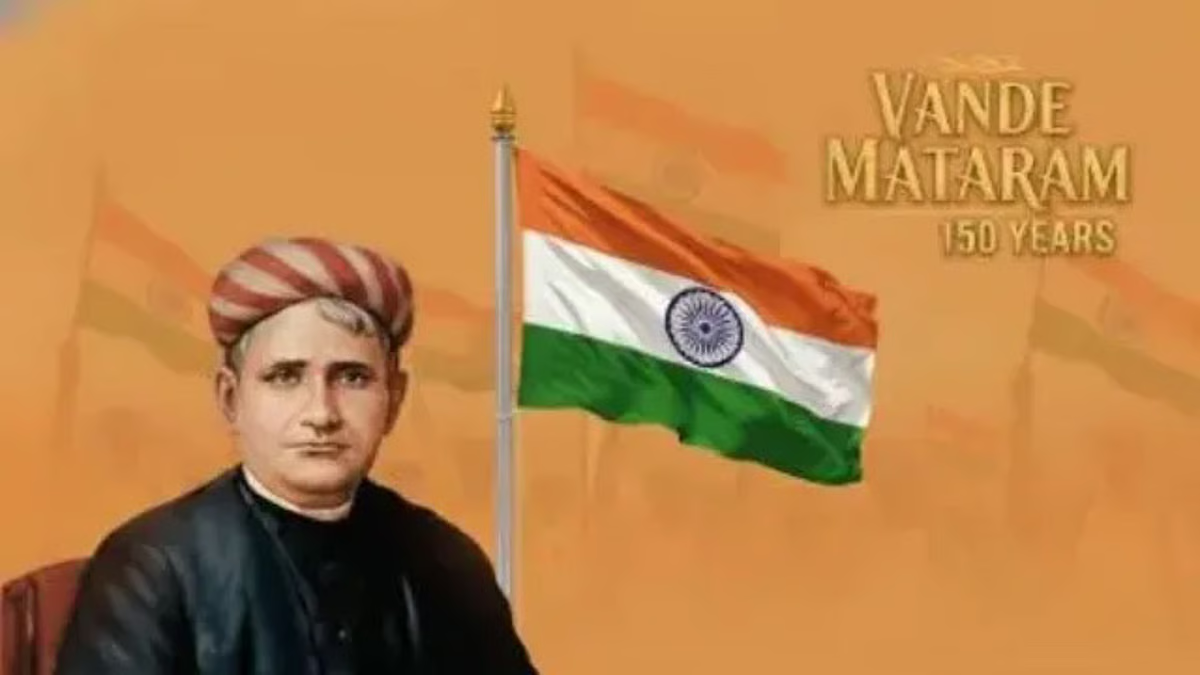
    • "Vande Mataram": Celebrating 150 years of this national song, which inspired millions during the freedom struggle.
    • Visual Displays: Floral decorations and formations representing "Vande Mataram" by 2,500 NCC cadets and volunteers.
  3. Youth Empowerment Theme:

    • Focus on "Youth Power" and their contributions towards a developed India by 2047.
    • Recognition of achievements of 19 students who won medals in the International Olympiads in Physics, Chemistry, Biology, and Mathematics.
Current Status of National River Linking Program
National and International Importance10-Aug-2026

Current Status of National River Linking Program

National River Linking Program (NRLP) Overview

  1. National Perspective Plan (NPP):

    • Developed for inter-basin water transfer.
    • Encompasses 30 river linking projects (ILR):
      • 16 in the Peninsular component.
      • 14 in the Himalayan component.
    • Implemented by the National Water Development Agency (NWDA).
  2. Key Projects:

    • Ken-Betwa Link Project (KBLP):
      • Cost: ₹44,605 crore.
      • Irrigation: Covers 11.88 lakh hectares.
      • Drinking Water Supply: Serves ~62 lakh people.
      • Hydropower Generation: 103 MW hydroelectric and 27 MW solar power.
      • Currently in implementation phase.
    • Polavaram Irrigation Project (PIP):
      • Classified as a National Project.
India Identifies 27 Strategic Locations
National and International Importance08-Aug-2026

India Identifies 27 Strategic Locations

Summary of Key Points: India Identifies Locations in Arunachal Pradesh in Response to Chinese Renaming Attempts

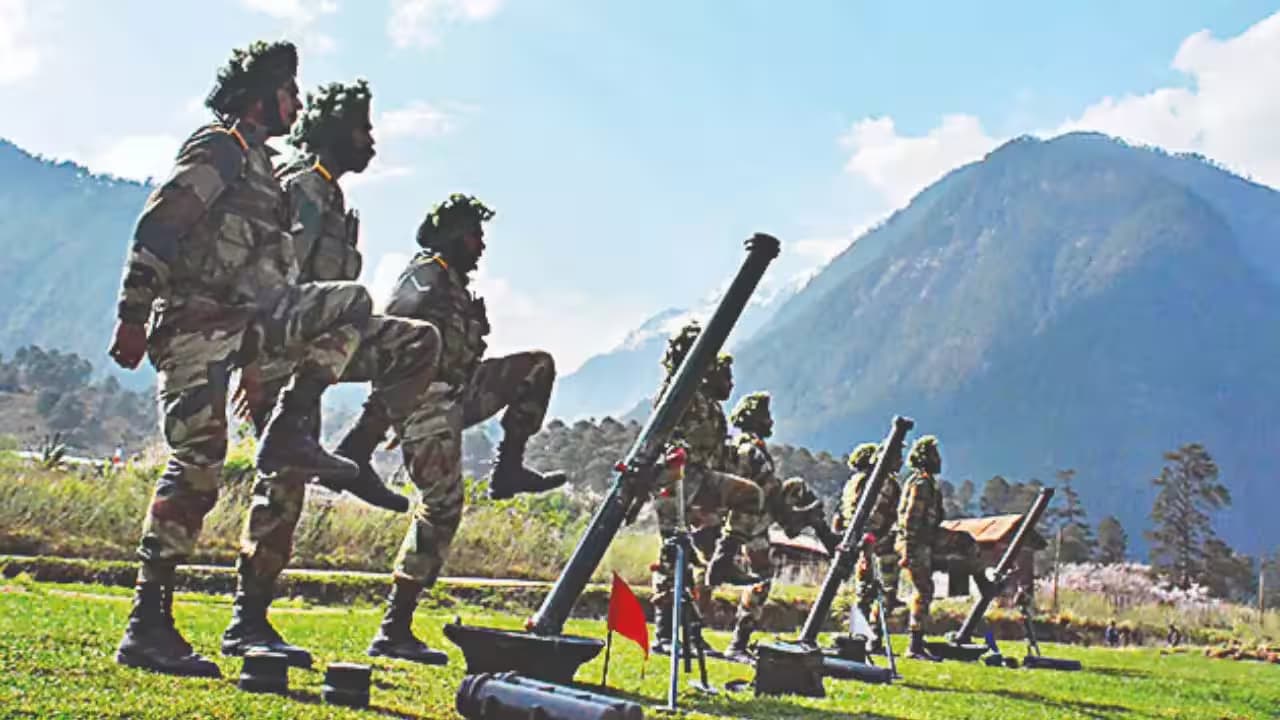
  1. Context: India has reacted to China's frequent attempts to rename places in Arunachal Pradesh by officially identifying 27 locations on the Indian map. This is a part of India’s exercise to assert its territorial integrity.

  2. Official Announcement: The Union Home Ministry has confirmed the identification of these locations to facilitate accurate recognition and enhance public awareness.

  3. Locations Identified:

    • Long Ju: A location along the Line of Actual Control (LAC) and a significant flashpoint in the 1959 India-China tensions.
    • Maja: A village near Long Ju, important for regional identity.
    • Bisa: A high-altitude mountain pass strategically significant to military logistics.
    • Thag La: Notably a site of the 1962 Sino-Indian War.
    • Jairampur: Recognized for its role as a logistics hub aiding troop movements towards the eastern border.
    • Sambho Sarovar: A high-altitude lake identified in the official map.
    • Additional villages and memorials: Includes notable memorials like Jaswant Garh and Sher-e-Thapa Memorial.
  4. Strategic Importance: The identified sites are crucial for both security and historical significance, highlighting India's stance on its territorial claims amid ongoing border tensions with China.

  5. Indian Stance on Chinese Renaming: India has strongly opposed China's attempts, branding them as “fictitious names” that do not alter the reality of Indian sovereignty. India maintains that such renaming efforts are baseless and detrimental to the normalization of bilateral relations.

  6. Geopolitical Implications: The mapping exercise underscores the ongoing territorial disputes between India and China, especially in sensitive border regions, and reflects India's commitment to maintain its territorial claims and strengthen awareness domestically and internationally.

This summary encapsulates India’s proactive measures in asserting its territorial rights in Arunachal Pradesh amidst continuous foreign challenges, including an emphasis on historical context and strategic significance of the identified locations.

  • Military and Band Presentations:

    • Military bands from various forces to perform from 8 August 2026, culminating on Independence Day.
    • Open access to the public to foster patriotic spirit.
  • Government Schemes and Initiatives:

    • Prime Minister's Schemes:
      • PM Internship Scheme: Recognizing outstanding interns.
      • Startup India Seed Fund: Support for excellent startups.
      • Skill Development: Under PM Skill Development Scheme.
  • Public Participation:

    • Competitions and Engagement:
      • Various quizzes and competitions organized in collaboration with MyGov, covering topics like the Constitution, women's role in freedom struggle, and advancements in technology.
      • Over 600 winners from these competitions invited to attend the celebrations.
  • Infrastructure and Facilities:

    • Accessibility: Facilities for visitors including cloakrooms, help desks, and wheelchair assistance.
    • Metro Services: Free travel for invited guests from 4 AM on the event day.
    • Safety Measures: Flood management measures to prevent waterlogging during potential rain.
  • Environmental Initiatives:

    • Cleanliness Drive: Post-event clean-up operations involving NCC cadets and volunteers to promote the Swachh Bharat Mission.
  • Symbolic Representations:

    • Seating arrangements named after India’s major lakes to emphasize water conservation and reduce VIP culture.
  • Constitutional and National Values:

    • The invitation card prominently features "Seva Tirth," symbolizing duty, compassion, and commitment to the nation.
    • Promoting the ethos of service and dedication towards the welfare of every citizen.
  • Conclusion:

    The Independence Day celebrations in 2026 not only commemorate the historical significance of India's freedom but also aim to engage the youth and promote national pride through cultural, military, and community involvement. The initiatives reflect the government's commitment to inclusivity, patriotism, and environmental sustainability.

  • Managed by the Andhra Pradesh government and Polavaram Project Authority (PPA).
  • Irrigation: Approximately 7.2 lakh acres.
  • Water Supply: Domestic water supply for ~28.5 lakh people in 611 villages.
  • Hydropower Generation: 960 MW.
  • Received ₹20,658 crore in cumulative central assistance.
  • Environmental and Social Assessments:

    • Feasibility Reports (FR) and Detailed Project Reports (DPR) include environmental and socio-economic impact assessments.
    • Comprehensive Environmental Impact Assessment (EIA) and Integrated Landscape Management Plan (ILMP) for KBLP.
  • Land Acquisition and Rehabilitation:

    • Projects include provisions for land acquisition, rehabilitation, and resettlement (R&R).
    • Execution adheres to environmental, forest approvals, and R&R provisions.
  • Current Status of Selected Projects (Peninsular Component):

    • Various projects have completed feasibility and DPR phases.
    • Notable links include:
      • Godavari (Polavaram) - Krishna (Vijayawada) link.
      • Krishna to Penna links.
      • Various inter-state links involving Andhra Pradesh, Telangana, and Karnataka.
  • Himalayan Component Projects:

    • Several projects including:
      • Koshi-Ghaghar link (Bihar and Uttar Pradesh).
      • Gandak-Ganga link (Uttar Pradesh and Nepal).
      • Sarada-Yamuna link (Uttar Pradesh and Uttarakhand).
    • Most projects have completed feasibility reports.
  • International Dimensions:

    • Koshi-Mechi link was withdrawn due to international implications and requests from the Bihar state government.
  • Economic and Environmental Considerations

    • The projects aim to enhance irrigation, drinking water supply, and hydropower generation.
    • Environmental assessments are crucial for sustainable execution, ensuring biodiversity conservation and ecosystem management.

    Conclusion

    The National River Linking Program is a significant initiative aimed at addressing water scarcity, enhancing irrigation potential, and promoting sustainable development across various states in India. The focus on environmental assessments and social impact highlights the government's commitment to responsible project execution.