iAspirants
Youth Influence in Indian Politics
Published on:
Share this post
Article Summary
Summary of Youth Political Transformation in India
1. Emergence of Youth as Political Force:
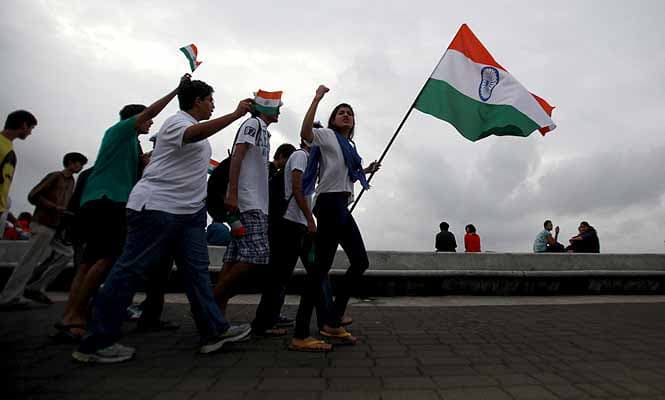
- Youth in India are redefining political engagement, moving from passive recipients of political discourse to active shapers of elections and political narratives.
- There is a notable shift from traditional hierarchical communication (leaders addressing citizens) toward a model where youth influence political discourse through digital platforms.
2. Changes in Political Communication:
- The youth communicate through memes, podcasts, and social media, favoring accessibility and authenticity over scripted and formal political rhetoric.
- Politicians like C. Joseph Vijay in Tamil Nadu exemplify the importance of adapting to this new communication landscape.
3. Impact of Digital Platforms:
- Social media platforms (Instagram, YouTube, X) facilitate rapid dissemination of political commentary, enabling alternative narratives outside of traditional party mechanisms.
- Initiatives such as the "Cockroach Janta Party" illustrate how humor and cultural references shape political engagement among younger demographics.
4. Mobilization Through Social Media:
- The 2017 pro-Jallikattu protests in Tamil Nadu showcased the ability of digitally connected youth to mobilize without centralized party leadership, indicating a shift in youth-led political organization.
- This trend is not unique to India; similar youth movements have emerged in South Asia, with examples from Sri Lanka and Nepal focusing on governance reforms and corruption.
5. Shifts in Political Participation:
- Youth politics is evolving beyond traditional party youth organizations, with individuals engaging independently and analytically with party politics and societal issues.
- There is a disconnect between traditional political engagement and the current expectations of youth who demand more inclusive and participatory governance.
6. Institutional Distrust:
- Young citizens express growing distrust in established political institutions, recognizing that current "youth engagement" often lacks real power-sharing.
- Challenges include moving from superficial outreach to meaningful distribution of authority and inclusion of younger voices in policy-making.
7. Call for Political Adaptation:
- Political parties must adapt to this new political ecosystem, focusing on transparency, responsiveness, and genuine participation from youth rather than conventional campaign strategies.
- Increasingly, the connection between activism (street protests) and electoral participation (polling booths) is evident, indicating a need for political structures to evolve.
8. Implications for Future Governance:
- The need arises for a cultural shift within political parties to integrate youth perspectives, marking a significant transformation in how democracy is perceived and practiced in India.
- As youth actively reshape political landscapes, institutions that resist this change risk becoming irrelevant.
This summary outlines the transformative role of youth in India's political landscape, emphasizing their impact on communication, participation, and engagement within democratic frameworks, along with an underlying call for in-depth reforms in political institutions.
Key Terms & Concepts
| C. Joseph Vijay | Influential among younger voters |
| Tamil Nadu | Site of youth-led protests |
| V.D. Satheesan | Congress leader in Kerala |
| 2017 pro-Jallikattu protests | Turning point for youth activism |
| Sri Lanka’s 2022 Aragalaya protests | Demonstrated youth mobilization |
| Nepal | Youth-led mobilisations observed |
| Cockroach Janta Party | Meme-driven political commentary |
| Online political culture | Shaping public discourse |
| Gen Z | Engagement in politics |
| Democratic structures | Influence on youth participation |
| Decentralised digital communities | New communication ecosystem |