iAspirants
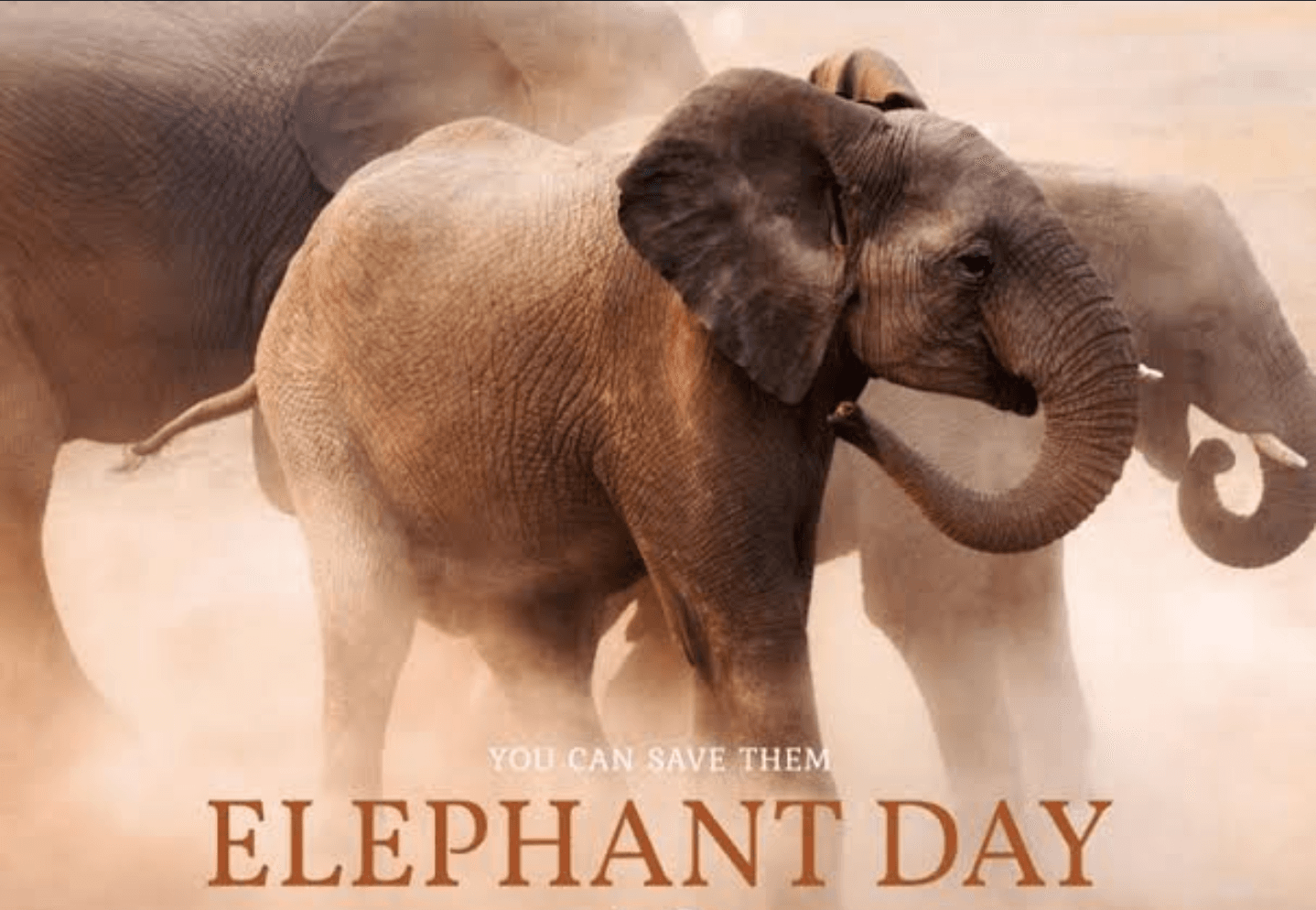
World Elephant Day Celebrates Conservation Efforts
Published on:
Share this post
Article Summary
World Elephant Day: Conservation Efforts and Significance
Environmental and Ecological Importance
- Elephant Population: India is home to approximately 60% of the world's wild Asian elephants, with an estimated population of 22,446 elephants as per the Synchronous All-India Elephant Estimation (SAIEE) 2021-25.
- Keystone Species: Elephants play a crucial role in maintaining forest ecosystems, supporting biodiversity, and ensuring ecological balance. Their migratory behavior helps create paths and water sources beneficial for other wildlife.
Government Initiatives
- Project Elephant: Launched by the Government of India under the Ministry of Environment, Forest and Climate Change (MoEFCC) to protect elephant habitats and mitigate human-elephant conflicts. It provides financial and technical assistance to states.
- Elephant Reserves: India has established 33 elephant reserves covering an area of 80,777 square kilometers, with an increase of 8,610 square kilometers since 2014. This initiative enhances habitat connectivity and ecological integrity.
- Elephant Corridors: Identified and confirmed 150 corridors across four regions to facilitate safe movement and genetic diversity of elephant populations, reducing human-elephant conflict.
Conservation Techniques
- Technological Integration: Use of DNA-based sampling for population assessments and monitoring through technology-driven measures like AI-enabled systems for real-time alerts in railway corridors.
- Monitoring Framework: The Management Effectiveness Evaluation Framework for Elephant Reserves was introduced in 2023 to ensure transparent evaluation and management.
Legislative Framework
- Wildlife Protection Act, 1972: Governs the protection of elephants from illegal trade and trafficking.
- Captive Elephants (Transfer or Transport) Rules, 2024: Introduced to regulate the movement of captive elephants and prevent illegal transfers.
Community Engagement
- Local Community Involvement: The government promotes community participation in wildlife protection through financial aid for damages caused by wildlife, including compensation for injuries and crop loss.
- Human-Wildlife Conflict Mitigation: The Human-Wildlife Conflict Advisory provides strategies for managing conflicts, including hotspot mapping and rapid response teams.
Economic and Statistical Data
- Railway Safety Measures: The government has identified 127 sensitive railway sections across 14 states to reduce elephant fatalities, implementing protective measures such as underpasses and using advanced technologies like optical fiber intrusion detection.
- Reduction in Train-Related Deaths: Deaths of elephants from train incidents decreased from 26 in 2013 to 12 in 2024, representing a reduction of over 50%.
Cultural Significance
- Cultural Heritage: Elephants hold significant cultural value in India, symbolizing wisdom and authority in various traditions, including their role in religious practices and community identities.
Conclusion
India's commitment to elephant conservation reflects a blend of scientific research, community participation, and traditional values, aiming to secure the future of Asian elephants while promoting ecological balance and cultural heritage. The ongoing efforts highlight the importance of sustainable coexistence between humans and wildlife.
Key Terms & Concepts
| Project Elephant | Major conservation initiative |
| SAIEE 2021-25 | Elephant population estimation |
| 22,446 | Estimated wild elephants in India |
| 33 elephant reserves | Protected areas for elephants |
| 150 marked corridors | Facilitate elephant movement |
| Wildlife Protection Act, 1972 | Legal framework for wildlife |
| Campa funding | Funding for conservation projects |
| AI-enabled monitoring | Technology for wildlife protection |
| 12 August | Date of World Elephant Day |
| Environmental, Forest and Climate Change Ministry | Responsible for elephant conservation |
| Gaj Information Mobile Application | Tracks captive elephants' data |
| Elephant Corridors of India, 2023 | Document identifying corridors |