iAspirants
Vazhuvur: A Cultural and Artistic Hub
Published on:
Share this post
Article Summary
Key Highlights on Vazhuvur and Gajasamharamurti
Historical and Cultural Significance
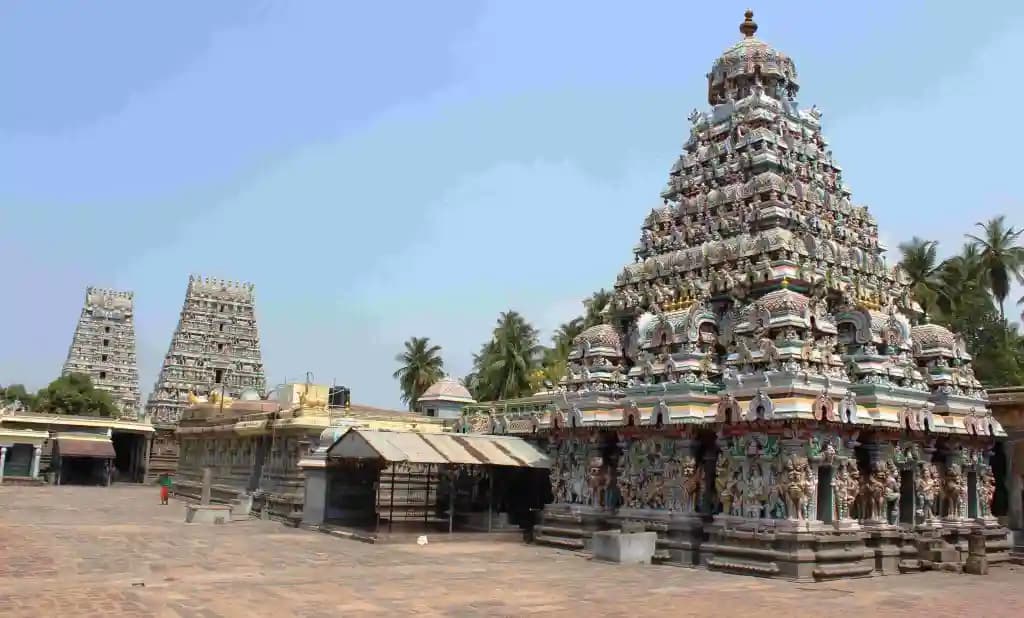
- Vazhuvur: A small town in Mayiladuthurai, Tamil Nadu, notable as one of the Ashta Veerattanams—eight sacred shrines dedicated to Lord Shiva and his heroic manifestations.
- Bharatanatyam Heritage: Birthplace of Vazhuvoor Ramaiah Pillai, a prominent Bharatanatyam guru. He pioneered the Vazhuvur bani, a distinguished style of Bharatanatyam.
Gajasamharamurti Idol
- Veeratteswarar Temple: This temple features a remarkable bronze idol of Gajasamharamurti depicting Lord Shiva’s triumph over the demon Gajasura, recognized for its artistry from the Chola period, dated to the reign of Rajaraja I.
- Iconography of Gajasamharamurti:
- Shiva as Gajasamharamurti, representing the fierce aspect with multiple names indicating victory over demons.
- The idol is unique in its artistic execution, showing Shiva in a pose deviating from traditional dance karanas (Bhramaraka Karana and Bhrishta Svastika Karana), thus highlighting its cultural importance.
Artistic Features
- Sculptural Attributes:
- Shiva depicted with eight arms, holding various symbolic objects: elephant skin, trident (trishula), sword (khadga), skull bowl (kapala), shield (khetaka), and battle axe (tanka).
- Detailed carvings of facial features, the snake and moon ornamentation, and the dramatic pose create a vivid visual narrative.
- Comparative Sculptural Analysis:
- Similar representations of Gajasamharamurti exist in the Brahmapuriswarar Temple, Pullamangai, capturing nuanced aspects of different karanas and styles.
Technological Restoration
- Replica Creation: Modern artist Laitharam has created life-like replicas of the Gajasamharamurti idol using stone powder and resin, preserving the aesthetics of the original Chola sculpture for contemporary audiences.
International and Cultural Recognition
- UNESCO: The significance of these artistic representations contributes to the understanding of Chola dynasty’s cultural impact, including potential for UNESCO recognition.
Conclusion
The heritage of Vazhuvur and the intricate bronze idol of Gajasamharamurti collectively illustrate the convergence of art, culture, and spirituality in South Indian history, emphasizing the need for preservation and appreciation of such masterpieces for future generations. This artistic legacy provides insight into the socio-religious narratives and iconographic traditions of the period, underlining the significance of traditional skills in contemporary arts.
Key Terms & Concepts
| Vazhuvur | Location of Bharatanatyam origins |
| Ashta Veerattanams | Eight sacred shrines of Shiva |
| Vazhuvoor Ramaiah Pillai | Prominent Bharatanatyam guru |
| Bharatanatyam | Classical dance form |
| Veeratteswarar Temple | Houses Gajasamharamurti idol |
| Gajasamharamurti | Depiction of Shiva's fierceness |
| Chola bronze art | Artistic period of idol |
| Rajah Raja I | Chola emperor during reign |
| T.A. Gopinatha Rao | Author on Hindu iconography |
| Brahmapuriswarar Temple | Another temple with Gajasamharamurti |
| Darasuram Temple | Location of Gajasamharamurthy idol |
| Laitharam | Creator of replica idol |