iAspirants
US Rejects Iran's Seven-Day Peace Proposal
Published on:
Source: Indian Express
Share this post
Article Summary
Summary of US-Iran Relations and Proposed Peace Deal
Key Facts and Figures
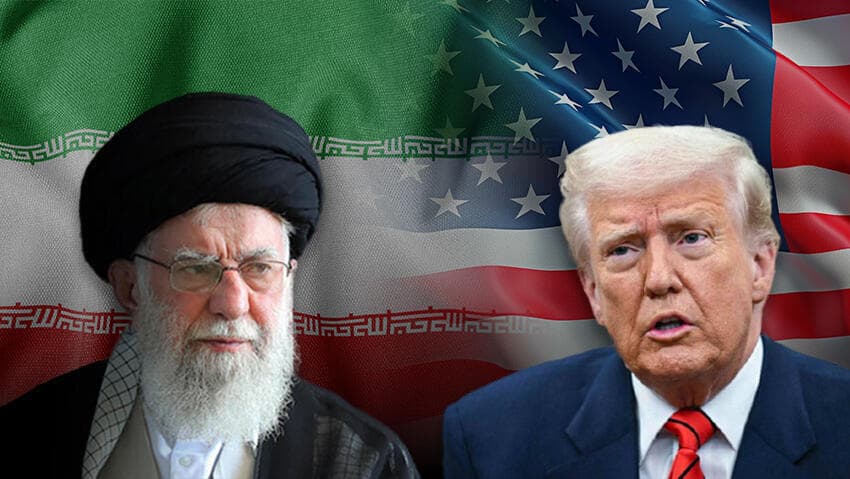
- Iranian Foreign Minister Abbas Araghchi proposed a seven-day peace deal during the UN General Assembly (UNGA) on September 24, aimed at ending hostilities and engaging in talks about Iran's nuclear program.
- The proposal included:
- US waiving sanctions on Iranian oil.
- Release of approximately $12 billion of Iran’s frozen assets.
- End to the US naval blockade.
- Israel ceasing military operations in Lebanon.
Constitutional References and Agreements
- The proposal's framework closely mirrors the June Memorandum of Understanding (MoU), where Iran and Oman would jointly control transit through the Strait of Hormuz, specified in Article 5.
- The collapse of the June MoU was partially attributed to perceived US undermining of this article.
US Position
- President Trump rejected the Iranian proposal, indicating potential military actions post-midterm elections.
- Indirect negotiations were held, despite Trump's simultaneous threats to "annihilate" Iran.
- The US Navy claims to have assisted over 2,000 tankers transporting approximately one billion barrels of crude oil since May, averaging seven million barrels per day, significantly lower than pre-war levels of 20-21 million barrels per day.
Economic Indicators
- International Energy Agency estimates indicate costs exceeding $50 billion for repairing over 80 damaged energy facilities in West Asia.
- The International Monetary Fund predicts a cumulative output loss over five years, contingent on no further conflict.
- A $10 billion fund was proposed by the US to Gulf Arab states for rebuilding energy infrastructure.
International Relations and Strategic Dynamics
- Regional leaders expressed frustration with Trump's management of diplomacy, particularly amid ongoing conflicts impacting oil transport through key straits.
- Iran's strategic position highlights the Strait of Hormuz's irreplaceability for oil transport, complicating the effectiveness of the US blockade and sanctions.
Science and Technology Implications
- Continued conflicts have implications for energy technologies and infrastructure repair needs in West Asia.
- Drone attacks and other warfare tactics cited, emphasizing the ongoing technological military adaptations by various factions.
Historical Context
- The tensions derive from long-term geopolitical conflicts, with Iran striving to reinforce its negotiating power against repeated US repudiation of agreements, including the 2015 nuclear pact and previous MoUs.
- Iran's ability to withstand economic pressure is linked to a unified public discourse supported by nationalistic sentiments during conflict times.
Broader Implications
- The dynamics between Iran and the US, set against the backdrop of international energy markets and geopolitical alliances, indicate an increasingly complex and volatile environment.
- Both nations' actions in relation to military threats and diplomatic negotiations will heavily influence regional stability and future bargaining conditions.
This overview highlights the intricate layers of the ongoing US-Iran dialogue, encapsulating economic, strategic, and diplomatic dimensions critical for understanding international relations in this context.
Key Terms & Concepts
| Strait of Hormuz | Key maritime passage |
| Iran | Proposer of peace deal |
| United Nations General Assembly | Venue for negotiations |
| $12 billion | Amount of frozen assets |
| June Memorandum of Agreement | Previous peace framework |
| International Energy Agency | Estimate for energy facility repairs |
| $50 billion | Cost for energy facility repairs |
| International Monetary Fund | Forecast of output loss |
| 20-21 million barrels per day | Pre-war oil transport levels |
| $10 billion fund | Rebuilding energy infrastructure |
| Bab-el Mandeb strait | Blocked shipping route |
| February war | Conflict initiation |
| Article 5 |