iAspirants
Current AffairsPrelims PYQsUPSC SyllabusBlogsPricing
Login
iAspirants

Your AI-powered companion for UPSC preparation.

Quick Links

  • Home
  • About Us
  • Current Affairs
  • Prelims PYQs
  • UPSC Syllabus
  • Blogs

Company

  • Pricing
  • FAQs
  • Contact Us
  • Login

Legal

  • Privacy Policy
  • Terms & Conditions
  • Return Policy

© 2025 iAspirants, Inc. All rights reserved.

  1. Blogs
  2. International Relations

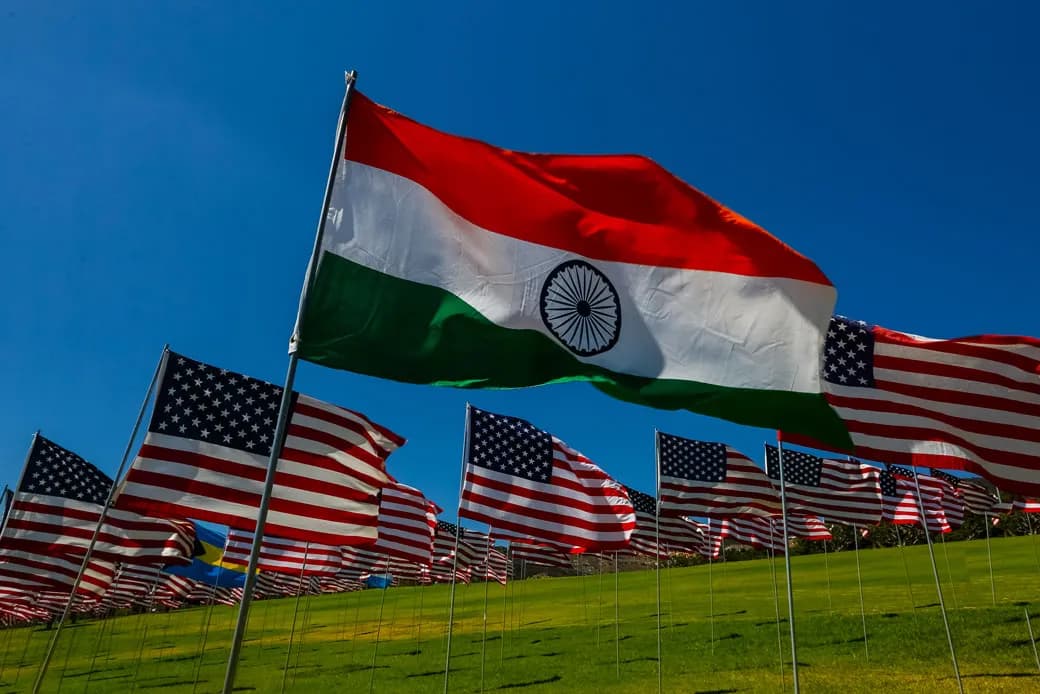
U.S.-India Partnership Strengthened in Ladakh

Published on: 22-Aug-2026

Share this post

U.S.-India Partnership Strengthened in Ladakh

Article Summary

Summary of U.S. Ambassador Sergio Gor's Visit to India

Key Highlights:

  • Visit Duration: Three-day tour to Jammu & Kashmir (J&K) and Ladakh.
  • Objective: Strengthening U.S.-India partnership through dialogue and cultural engagement.

Meetings and Discussions:

  • Srinagar Meetings:

    • Met with Chief Minister Omar Abdullah.
    • Discussed bilateral ties and addressed issues such as adverse travel advisories and tourism sector engagement.
    • Mentioned 'legacy issues' relevant to the region.
  • Leh Visit:

    • Explored local culture and traditions, including a visit to Thiksey Monastery, one of the largest monasteries in Ladakh.

Significant Remarks:

  • Ambassador Gor emphasized that J&K is "an important part of India," indicating a shift in U.S. policy towards the region. Previously, the U.S. viewed it as an unresolved issue between India and Pakistan.

Contextual Importance:

  • Gor's visit is significant as he serves as the U.S. special envoy to South and Central Asia, highlighting the strategic importance of J&K and Ladakh in U.S.-India relations.

Cultural Engagement:

  • The visit underscores the role of cultural exchange in diplomatic relations, aiming to foster understanding between the two nations.

Conclusion:

  • The U.S. Embassy framed the visit as a demonstration of the growing U.S.-India partnership, focusing on meaningful dialogue and cultural connections, while also addressing geopolitical sensitivities in the region.

Key Terms & Concepts

SrinagarMeeting location for discussions
LehCultural engagement site
Omar AbdullahChief Minister discussing ties
Thiksey MonasteryCultural site visited
Jammu and KashmirRegion of significance
U.S. Ambassador to IndiaDiplomatic representative
Dalai LamaPlanned meeting subject
South and Central AsiaRegion of envoy's focus
August 21, 2026Date of embassy statement
U.S.-India partnershipBilateral relationship focus

Mind Map for UPSC Civil Services Revision

Turn UPSC Civil Services Current Affairs Into Exam-Ready Notes

Reading International Relations current affairs is half the work. Revise them with ready-made notes and test what actually stuck.

  • Daily UPSC Civil Services current affairs analysis
  • Revision notes, mind maps & MCQs
  • Prelims mock tests with instant results

Related UPSC Civil Services Current Affairs Articles

Bangladesh Prime Minister's Visit Controversy
International Relations22-Aug-2026

Bangladesh Prime Minister's Visit Controversy

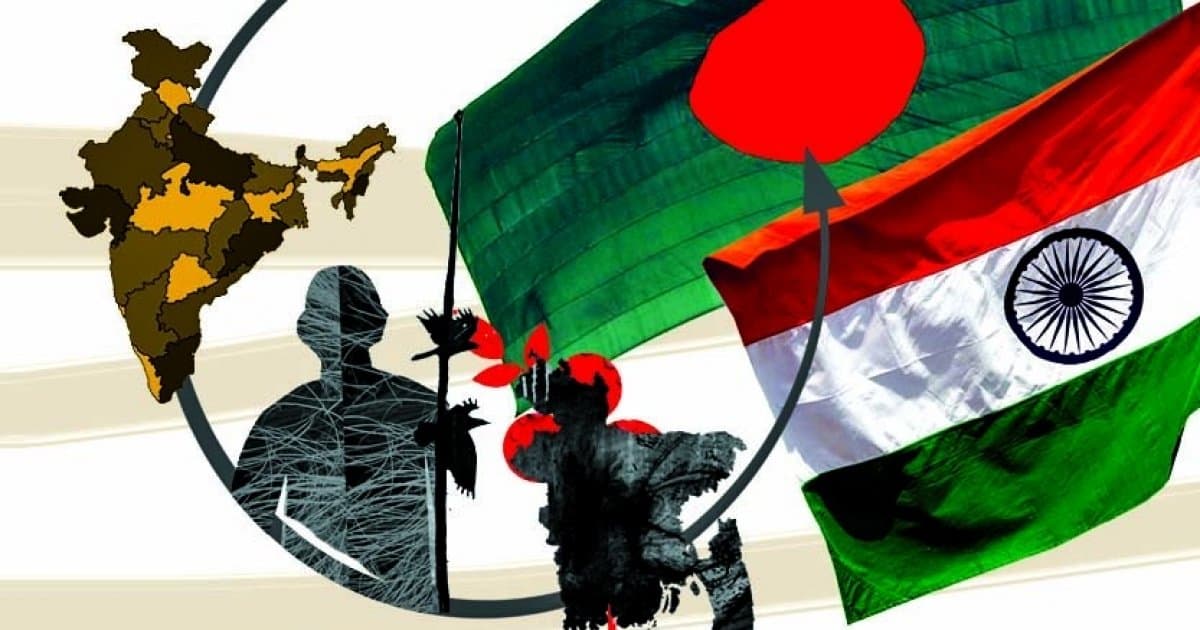
  • Visit of Bangladesh Prime Minister: The visit of Bangladesh Prime Minister Tarique Rahman to India has been a topic of discussion. Initial communication from Rashtrapati Bhavan suggested that preparations were underway for his ceremonial welcome.

  • Change of Guard Ceremony: An email from Rashtrapati Bhavan indicated that the Change of Guard Ceremony scheduled for August 22, 2026, would not take place due to the rehearsal for the Prime Minister's welcome. However, this announcement was later withdrawn, causing confusion regarding the visit.

  • Diplomatic Relations: The visit is significant in the context of India-Bangladesh relations. Ongoing discussions between the two nations have been complicated by Bangladesh's demands for India to extradite former Prime Minister Sheikh Hasina and individuals connected to the killing of radical student leader Osman Hadi.

  • International Relations Context: The potential visit signifies the importance of diplomatic ties between India and Bangladesh, which have historical, cultural, and economic dimensions. The situation reflects the complexities of regional politics in South Asia.

  • Media Communication: The initial communication and subsequent retraction highlight the sensitivity and importance of diplomatic messaging, particularly in high-stakes international relations.

  • Constitutional Context: While specific constitutional articles or amendments are not directly referenced in this situation, the interactions can be viewed through the lens of Article 51 of the Indian Constitution, which promotes international peace and security and encourages the settlement of international disputes by arbitration.

  • Potential Impact on Bilateral Relations: The developments surrounding the visit could influence future cooperation on various fronts, including trade, security, and cultural exchange between India and Bangladesh.

  • Judicial Considerations: The demand for extradition raises questions related to legal frameworks governing international extradition, which involve treaties and bilateral agreements.

  • This summary captures the essential elements of the news regarding the diplomatic interactions between India and Bangladesh, focusing on the implications for international relations and constitutional considerations.

    India-Japan Defense Cooperation Meeting
    International Relations20-Aug-2026

    India-Japan Defense Cooperation Meeting

    India-Japan Defense Cooperation Highlights (August 20, 2026)

    Bilateral Meeting Overview:

    • Defense Ministers: Rajnath Singh (India) and Shinjiro Koizumi (Japan).
    • Meeting held in New Delhi as part of the "Japan-India Special Strategic and Global Partnership".

    Key Points of the Meeting:

    1. Strengthening Defense Cooperation:

      • Commitment to enhance defense collaboration under the strategic framework to ensure peace and stability in the Indo-Pacific region.
      • Shared strategic perspectives between both nations.
    2. Maritime Security:

      • Signed a Memorandum of Understanding (MoU) to enhance maritime security cooperation.
      • Focus on collaboration between Japan Maritime Self-Defense Force and Indian Navy, including:
        • Maritime Domain Awareness (MDA).
        • Search and Rescue (SAR).
        • Humanitarian Assistance and Disaster Relief (HADR).
    3. Operational Cooperation:

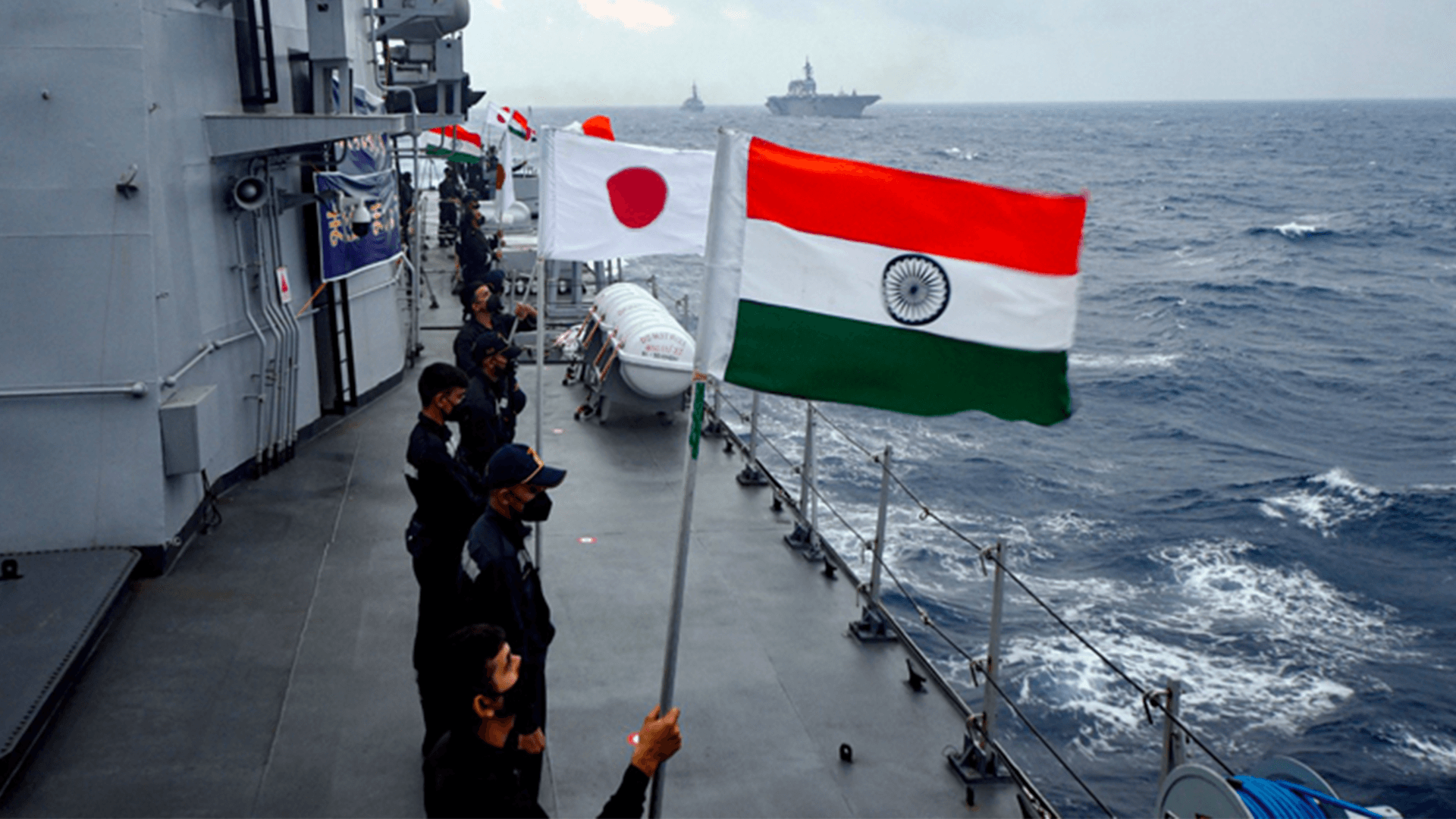
      • Agreement on joint exercises, personnel exchanges, and logistical support to secure maritime communication routes.
      • Emphasis on mutual visits of naval ships and units.
    4. Defense Technology Transfer:

      • Review of the framework for defense equipment and technology transfer by Japan.
      • Initiated the first project involving the Unicorn Integrated Communication Antenna System.
    5. Joint Development Initiatives:

      • Exploration of joint development in naval vessel construction and design, leveraging Japan's technological expertise and India's production capabilities.
      • Discussion on the "Make in India" initiative for enhancing defense production.
    6. Bilateral Exercises:

      • Expansion of bilateral military exercises including "Dharma Guardian" (Army) and "JIMEX" (Navy).
      • Upcoming "Veer Guardian 26" Air Force exercise involving Japanese fighter jets in India.
    7. Strategic Coordination:

      • Agreement to establish a working group led by Directors-General/Joint Secretaries to promote integrated cooperation in operational, intelligence, and technological aspects.
      • Will respect each country’s policies and sovereign choices.
    8. Regional Cooperation:

      • Support for the Indo-Pacific Logistics Network (IPLN) for disaster response.
      • Upcoming second tabletop exercise of IPLN in September 2026.
    9. Future Engagements:

      • Agreement to expedite discussions for the 2+2 Ministerial meeting in Tokyo.
      • Commitment to consult each other as needed to ensure security and stability in the region.

    Contextual References:

    • Reinforcement of the July 2026 Joint Statement by leaders of both countries, emphasizing collaboration in defense and security.
    • Acknowledgment of the importance of a free and open Indo-Pacific, opposing unilateral actions that threaten maritime freedom.

    Conclusion:

    The meeting solidified the strategic defense partnership between India and Japan, focusing on collaborative efforts in maritime security, technology transfer, and joint military exercises, aimed at enhancing regional stability and security in the Indo-Pacific region.

    BRICS Opposes Unilateral Climate Measures
    International Relations19-Aug-2026

    BRICS Opposes Unilateral Climate Measures

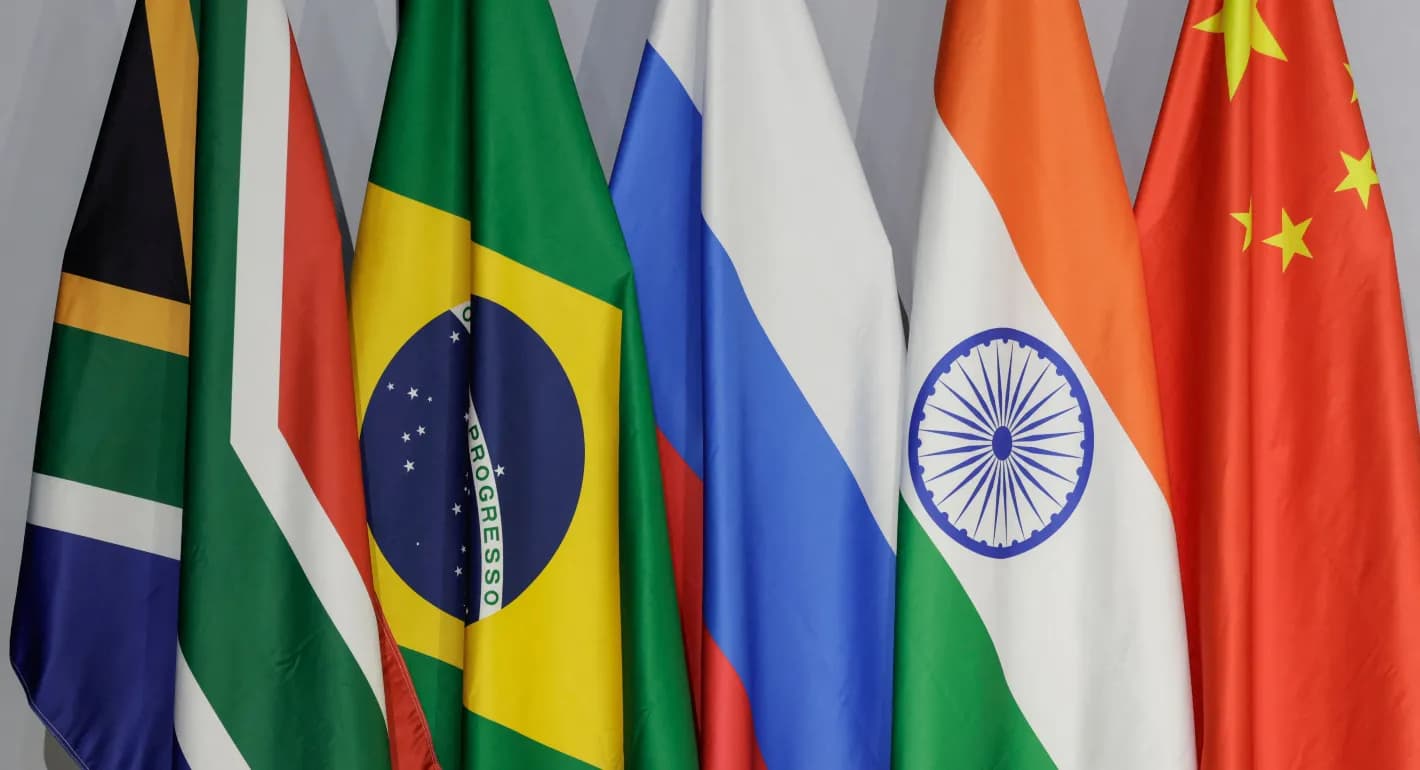
    • BRICS Environment Ministers' Meeting: Held in New Delhi, chaired by India; focused on climate measures and adaptation finance to support developing countries.

    • Unilateral Climate Measures: BRICS countries opposed such measures, particularly the European Union's Carbon Border Adjustment Mechanisms (CBAMs), described as “punitive, discriminatory, and protectionist.”

    • Carbon Border Adjustment Mechanisms (CBAM): Implemented by the EU from January 1, 2026. Requires importers of carbon-intensive products (e.g., iron, steel, aluminum, cement, fertilizers, hydrogen, and electricity) to account for production-related carbon emissions. Intended to prevent "carbon leakage," wherein businesses relocate production to avoid stringent climate policies.

    • Impact on India: Indian steel exports significantly affected as they comprise about 90% of exports to the EU under CBAM. A study in Nature Climate Change (June 2026) indicated that high-emission Indian steel firms faced reduced export quantities and revenues during CBAM's reporting phase, while lower-emission firms maintained export levels.

    • Adaptation Finance: BRICS Ministers emphasized the need for developed countries to increase adaptation finance, proposed to be “new, additional, predictable, adequate, and accessible." Specifically urged for compliance with the commitment made at the 2025 UN climate conference to triple adaptation funds for developing countries by 2035.

    • Definition of Adaptation Finance: Aimed at helping communities cope with unavoidable climate impacts (e.g., strengthening water security, agriculture, infrastructure, disaster preparedness), contrasting with mitigation finance focused on reducing greenhouse gas emissions.

    • Upcoming COP31: The UN Climate Conference (COP31) is scheduled for November in Turkey. Adaptation finance key topic, previously unresolved in Bonn talks prior to COP discussions.

    • Challenges for Developing Countries: The BRICS statement highlighted that access to adaptation finance should be simplified, with calls for tracking the delivery and impact of financial support.

    • Climate Vulnerability in India: India's climate-finance requirements are increasingly about adapting to climate change impacts like heatwaves, erratic rainfall, floods, and droughts, reflecting historical underfunding in adaptation compared to mitigation efforts.

    These points capture the essence of the BRICS meeting, its emphasis on fair climate measures, and the urgent need for increased adaptation finance to help developing nations address climate vulnerabilities.

    Strengthening India-Japan Defense Cooperation
    International Relations19-Aug-2026

    Strengthening India-Japan Defense Cooperation

    Summary of India-Japan Bilateral Defense Cooperation

    Date of Meeting: August 20, 2026
    Participants:

    • Indian Defense Minister: Rajnath Singh
    • Japanese Defense Minister: Shinjiro Koizumi

    Key Objectives of the Meeting:

    • Strengthening bilateral defense relations.
    • Enhancing strategic trust and cooperation.
    • Promoting stability and security in the Indo-Pacific region.
    • Identifying new areas of collaboration.

    Context:

    • The meeting follows Japan's revision of its three principles on defense equipment and technology transfer.
    • Focus on promoting deep maritime security cooperation and defense equipment and technology collaboration under the 'Make in India' initiative.

    Activities Undertaken:

    • Shinjiro Koizumi's visit to the Western Naval Command in Mumbai on August 19, 2026.
    • Discussions with:
      • Admiral Krishna Swaminathan (Chief of the Indian Navy)
      • Vice Admiral Sanjay Vatsayan (Flag Officer Commanding, Western Naval Command)
  • Overview of the Indian Navy's roles, responsibilities, and operational capabilities.
  • Koizumi inspected a Guard of Honor and paid tribute at the Glory Pillar in the naval dockyard.
  • Visited the indigenous ship INS Chennai.
  • Significance:

    • The visit underscores the growing momentum in bilateral defense cooperation and reflects both countries' commitment to advancing their partnership.
    • It aligns with the shared vision of a free, open, resilient, and prosperous Indo-Pacific region.
    • Occurs shortly after Japanese Prime Minister Sanae Takaiichi's visit for the annual summit with Indian Prime Minister Narendra Modi, where both leaders agreed to enhance defense and security cooperation.

    Constitutional and Policy References:

    • No specific constitutional articles or policies were explicitly mentioned in the article. However, the collaboration aligns with India's defense policy objectives and international engagement strategies.

    Economic and Strategic Implications:

    • Enhanced defense ties with Japan, a key partner in the Indo-Pacific, signify India's strategic pivot towards multilateral defense frameworks.
    • Potential economic benefits through technology transfers and joint defense manufacturing initiatives.

    International Context:

    • The meeting reflects the broader geopolitical dynamics in the Indo-Pacific region, emphasizing collective security and cooperation among like-minded nations.

    Conclusion:

    The bilateral meeting on August 20, 2026, between India and Japan highlights a significant step in defense collaboration, focusing on maritime security, technology transfer, and a mutual commitment to regional stability and cooperation.