iAspirants
Current AffairsPrelims PYQsUPSC CSE SyllabusUPSC CSE StrategyBlogsPricing
Login
iAspirants

Your AI-powered companion for UPSC preparation.

Quick Links

  • Home
  • About Us
  • Current Affairs
  • Prelims PYQs
  • UPSC CSE Syllabus
  • UPSC CSE Strategy
  • Blogs

Company

  • Pricing
  • FAQs
  • Contact Us
  • Login

Legal

  • Privacy Policy
  • Terms & Conditions
  • Return Policy

© 2025 iAspirants, Inc. All rights reserved.

  1. Blogs
  2. Polity and Governance

Urgent Need for Local Governance Reform

Published on: 05-Sep-2026

Share this post

Urgent Need for Local Governance Reform

Article Summary

Summary of Local Governance and Decentralization in India

1. Constitutional Framework:

  • 73rd and 74th Amendments: Established local self-governance through panchayats and municipalities, intended to empower local bodies as true units of self-government.

2. Current Issues in Decentralization:

  • Despite existing constitutional provisions, local bodies often lack the real powers represented by the "3Fs" (Funds, Functions, Functionaries).
  • Centralization in practice persists, undermining the intended decentralization.
  • Local governments often have limited budgets, inadequate staffing, and face overlapping control from higher levels of government.

3. Importance of Decentralization:

  • Facilitates local governance that is responsive to community needs, enhancing the direct accountability of local leaders.
  • Promotes economic growth by allowing local bodies to manage essential services (e.g., infrastructure, sanitary systems) that directly impact local economies.
  • Empirical evidence from states like Kerala demonstrates that effective decentralization boosts fiscal success and local governance responses to community challenges.

4. Challenges to Effective Local Governance:

  • Local bodies often operate without sufficient financial autonomy or regular funding, which hinders long-term planning and local accountability.
  • A comparative study of health systems in Odisha and Gujarat highlighted the impact of decentralization on service delivery.

5. Recommendations for Enhanced Decentralization:

  • Ensure genuine devolution of the 3Fs to local governments.
  • Improve the effectiveness of State Finance Commissions for transparent and predictable financial transfers.
  • Make local planning a substantive process guiding real spending decisions.
  • Focus on capacity building to equip local officials with necessary skills for governance.
  • Strengthen accountability mechanisms through public reporting and citizen engagement.

6. Conclusion and Call to Action:

  • India must not just retain the concept of decentralization but actively implement it to fulfill the promises of the 73rd and 74th Amendments.
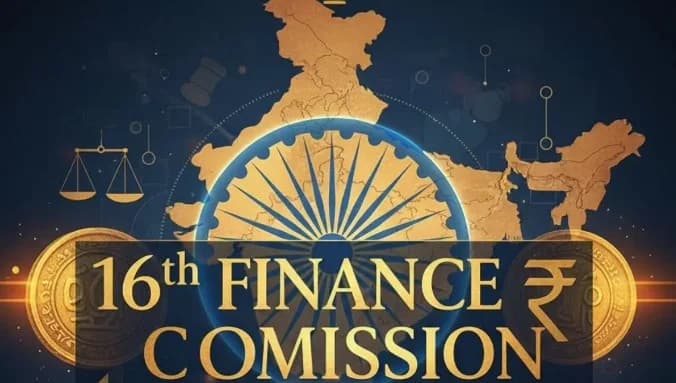
  • The 16th Finance Commission presents an opportunity to reinforce the empowerment of local bodies through state grants tied to their genuine authority.

Economic and Governance Implications:

  • Decentralization aligns with global trends of local governance as a means to stimulate economic and social changes.
  • A better functioning local governance system is crucial for achieving sustainable development and responsive public services.

Future Outlook:

  • For decentralization to be effective, strong political will and commitment to empowering local institutions is essential.
  • As India contemplates its path forward, the reaffirmation of decentralized governance is pivotal to address the needs of its diverse population and ensure equitable development.

Key Terms & Concepts

16th Finance CommissionAdvising on local governance funding
73rd AmendmentPromises local self-governance
74th AmendmentEstablishes urban local bodies
KeralaExample of decentralisation success
Odisha and GujaratComparison of health sector decentralisation
State Finance CommissionsOverseeing local government financing
Fiscal dependenceChallenge for local accountability
Local governmentsService delivery at community level
District and local plansGuide local spending decisions

Mind Map for UPSC Civil Services Revision

Turn UPSC Civil Services Current Affairs Into Exam-Ready Notes

Reading Polity and Governance current affairs is half the work. Revise them with ready-made notes and test what actually stuck.

  • Daily UPSC Civil Services current affairs analysis
  • Revision notes, mind maps & MCQs
  • Prelims mock tests with instant results

Related UPSC Civil Services Current Affairs Articles

Role of Teachers in Education
Polity and Governance05-Sep-2026

Role of Teachers in Education

  • National Education Policy (NEP) 2020:

    • Central to the educational framework in India, focusing on placing the learner at the center of the education system.
    • Aims to transform the education landscape by emphasizing critical thinking, creativity, and holistic development.

Role of Teachers:

  • Teachers are recognized as pivotal in guiding learners from mere information to understanding and then to knowledge.
  • There is a longstanding tradition in India of honoring teachers, reflecting deep respect for those who impart knowledge.
  • Government Schemes:

    • The NEP 2020 is a significant step towards enhancing the quality of education and is part of broader educational reforms initiated by the Indian government.
  • Cultural Significance:

    • The respect for teachers highlights the cultural and historical significance of education in Indian society, aligning with constitutional values that promote the right to education.
  • Constitutional References:

    • Article 21A of the Indian Constitution mandates free and compulsory education for children aged 6 to 14 years.
    • The Right to Education Act (2009) operationalizes this constitutional provision, ensuring access to education.
  • Educational Improvement:

    • NEP 2020 aims to improve educational outcomes and make education more inclusive and accessible.
    • Emphasizes the importance of teacher training and professional development in enhancing teaching quality.
  • International Perspective:

    • The focus on education aligns with global educational standards and practices, promoting lifelong learning and skill development.
  • Economic Indicators:

    • Education is linked to economic growth; a well-educated workforce is essential for national development and competitiveness in the global market.
  • Judicial Recognition:

    • Various judgments have reinforced the right to education, emphasizing that quality education is a fundamental right that must be guaranteed by the state.
  • These notes encapsulate the significance of educators in the educational framework of India as highlighted by Prime Minister Narendra Modi and Union Education Minister Pralhad Joshi, within the context of NEP 2020 and constitutional mandates.

    Supreme Court on Teacher Education Importance
    Polity and Governance04-Sep-2026

    Supreme Court on Teacher Education Importance

    • Supreme Court Ruling: The Supreme Court emphasized the critical role of elementary school teachers in the development of children and the future of the nation during a hearing on September 3, 2026.

    • Constitutional Reference: Education for children aged 6 to 14 years is recognized as a fundamental right under Article 21A of the Constitution, which mandates free and compulsory elementary education.

    • Right to Education (RTE) Act, 2009: The court reiterated that five duty-bearers are responsible for safeguarding the right to elementary education: the government, local authority, neighborhood school, parents/guardians, and teachers.

    • Teacher Education Institutions (TEIs): The court recognized teacher education institutions as the sixth duty-bearer under Section 2(e) of the National Council for Teacher Education Act. The National Council for Teacher Education (NCTE) has a pivotal role in ensuring effective teacher education across the country.

    • Judicial Precedents: The court highlighted the necessity for appropriate training and respect for elementary school teachers, stating their roles in nation-building are paramount.

    • Performance Appraisal Reports: The ruling upheld the NCTE's decision mandating TEIs to submit annual Performance Appraisal Reports. The court stressed the importance of regulatory measures by the NCTE for the effective functioning and integrity of TEIs.

    • Impact on National Education: The judgment aims at enhancing the quality of education and consequently the development of children's minds and character, impacting overall national progress.

    • Context of the Judgment: This ruling aligns with the celebration of Teachers’ Day on September 5, underlining the significance of teaching quality as foundational for a strong educational framework.

    The emphasis on the development of a robust teacher education system is crucial for the effective implementation of the RTE Act and responds to the growing need for high-quality elementary education.

    BIS Seizes Non-Hallmarked Gold Articles
    Polity and Governance03-Sep-2026

    BIS Seizes Non-Hallmarked Gold Articles

    • Bureau of Indian Standards (BIS): The BIS is a national standards body that formulates and enforces standards for products in India.

    • BIS Act 2016: The gold articles were seized for violating provisions of this Act, which mandates that certain products must meet specified quality standards and bear the necessary certification.

    • Seizure Details:

      • Location: Ambattur, Chennai.
      • Total Weight of Seized Gold Articles: 803.99 grams.
      • Types of Articles: Earrings, bangles, and pendants.
    • Purpose of Enforcement: The BIS aims to prevent the misuse of the BIS Standard Mark and curb the circulation of substandard products in the market.

    • Consumer Advisory: Consumers are urged to verify the authenticity of:

      • ISI mark (Indian Standards Institution mark),
      • Hallmark (indicating purity of gold),
      • CRS Registration details (Compulsory Registration Scheme).
    • Legal Actions: The seized articles are subject to further investigation and legal proceedings as per the BIS regulations.

    This incident highlights the enforcement of consumer protection laws and the importance of ensuring product quality in the jewelry market.