iAspirants
HomeAbout UsCurrent AffairsPrelims PYQsPricing
Login
iAspirants
HomeAboutBlogsFAQsPricingLogin
Privacy PolicyTerms & ConditionsReturn PolicyContact Us

© 2025 iAspirants, Inc. All rights reserved.

  1. Blogs
  2. Environment and Ecology

Supreme Court Upholds Elephant Corridors

Published on: 18-Aug-2026

Share this post

Supreme Court Upholds Elephant Corridors

Article Summary

  • Judicial Directive: The Supreme Court of India has ordered the Centre to conduct a nationwide survey to ensure the free passage of wild elephants through their traditional corridors, emphasizing that no state can obstruct these paths.

  • Constitutional and Legal Context:

    • The court invoked provisions related to wildlife protection under the Wildlife (Protection) Act, 1972, which categorizes elephants as Schedule I animals and offers them the highest protection due to their vulnerability.
    • The Supreme Court's 2018 ruling prohibited the use of fireballs, burning rods, and spikes as methods to drive elephants away, labeling such practices as "barbaric" and "illegal."
  • Court Observations:

    • Chief Justice Surya Kant asserted that blocking elephant corridors exacerbates human-animal conflicts, urging alternative solutions instead of physical barriers.
    • Justice Joymalya Bagchi highlighted the non-state-specific nature of elephant migration, indicating elephants traverse multiple states for food and breeding.
  • Survey Details:

    • The Centre, represented by Additional Solicitor General Aishwarya Bhati, is mandated to conduct a survey within three months to assess the obstacles in elephant corridors and to propose measures for their removal.
  • Implementation Concerns:

    • The court emphasized the need for effective enforcement of the ban on harmful practices used to deter elephants from human habitats, particularly in areas like West Bengal, where such illegal actions persist.
    • The Supreme Court intends to monitor progress by scheduling a follow-up hearing in eight weeks.
  • Environmental and Biodiversity Implications:

    • The mandate aims to address critical environmental and biodiversity issues pertaining to the conservation of elephants, a keystone species in their ecosystems.
    • The ruling also reflects the challenges posed by human activities on wildlife migration patterns, necessitating a balance between agricultural interests and wildlife conservation.
  • Target Outcomes:

    • Adherence to wildlife protection laws, prevention of illegal deterrents, and the establishment of safe corridors for elephant movement.
    • Heightened awareness and action towards mitigating human-wildlife conflict through sustainable practices.

This case underscores the legal and ethical responsibilities relating to wildlife conservation enshrined in Indian law, demonstrating the judiciary's role in enforcing wildlife protections against human pressures.

Key Terms & Concepts

Supreme Court of IndiaJudicial authority overseeing wildlife
CentreGovernment entity directed for survey
Wildlife (Protection) Act, 1972Legislation protecting elephants
Schedule I animalsCategory of legal protection for elephants
2018 Supreme Court rulingProhibition of fireballs and spikes
Elephant corridorsTraditional pathways for migration
West BengalState where incidents reported
Haryana, Uttarakhand, Himachal PradeshStates connected by elephant migration

Mind Map for UPSC Civil Services Revision

Turn UPSC Civil Services Current Affairs Into Exam-Ready Notes

Reading Environment and Ecology current affairs is half the work. Revise them with ready-made notes and test what actually stuck.

  • Daily UPSC Civil Services current affairs analysis
  • Revision notes, mind maps & MCQs
  • Prelims mock tests with instant results

Related UPSC Civil Services Current Affairs Articles

Green India Mission Audit Findings
Environment and Ecology18-Aug-2026

Green India Mission Audit Findings

Performance Audit of the Green India Mission (GIM)

Overview and Findings:

  • A performance audit conducted by the Comptroller and Auditor General (CAG) revealed inadequate outcomes from the Green India Mission (GIM) over a decade.
    • Target: To improve forest quality over 1.4 million hectares.
  • Actual achieved: Only 0.11 million hectares (approximately 7.86% of the target).
  • Contribution to expanding forest cover was merely 4%.
  • Government Schemes Involved:

    • Compensatory Afforestation Fund Management and Planning Authority (CAMPA): Manages funds collected for afforestation in response to forest land diversion.
    • Mahatma Gandhi National Rural Employment Guarantee Scheme (MGNREGS), now known as VB-GRAM: Aims to provide rural wage labour for plantation and land-restoration works; however, integration with GIM was ineffective.

    Contextual Significance:

    • GIM was one of the eight pillars of the National Action Plan on Climate Change, launched in 2008.
    • Intended to support India's commitment under the Paris Agreement to create an additional carbon sink of 2.5 to 3 billion tonnes by 2030.

    Current Developments:

    • The focus has shifted to the initiative ‘Ek Ped Maa Ke Naam,’ launched in 2024, with claims of planting 140 crore saplings, although this effort highlights the difference between mere tree planting and effective forest restoration.
    • The India State of Forest Report 2023 indicates:
      • Gain of 1,445 square kilometers in green cover.
      • Only 156 square kilometers categorized as true forest; 1,289 square kilometers classified as ‘tree cover outside recorded forests.’

    Restoration Challenges:

    • Notable sites like the Aravallis face significant degradation, with invasive species overtaking native flora.
    • The proposed 'Green Wall' of newly planted trees cannot reclaim historical ecosystems or counteract the extensive damage from mining activities.

    Implications:

    • The CAG audit serves as a critical reflection on the effectiveness of the GIM and raises questions on actual forest recovery efforts versus superficial tree plantation initiatives.
    • Restoration cannot be equated with the counting of trees; it requires a deep ecological approach to restore living forest systems.

    Conclusion:

    • The findings emphasize a disconnect between aims and outcomes, highlighting that while tree planting efforts may have numerical success, they do not effectively translate into restoring India's forests or their complex ecosystems.
    Britain Faces Severe Water Shortage
    Environment and Ecology17-Aug-2026

    Britain Faces Severe Water Shortage

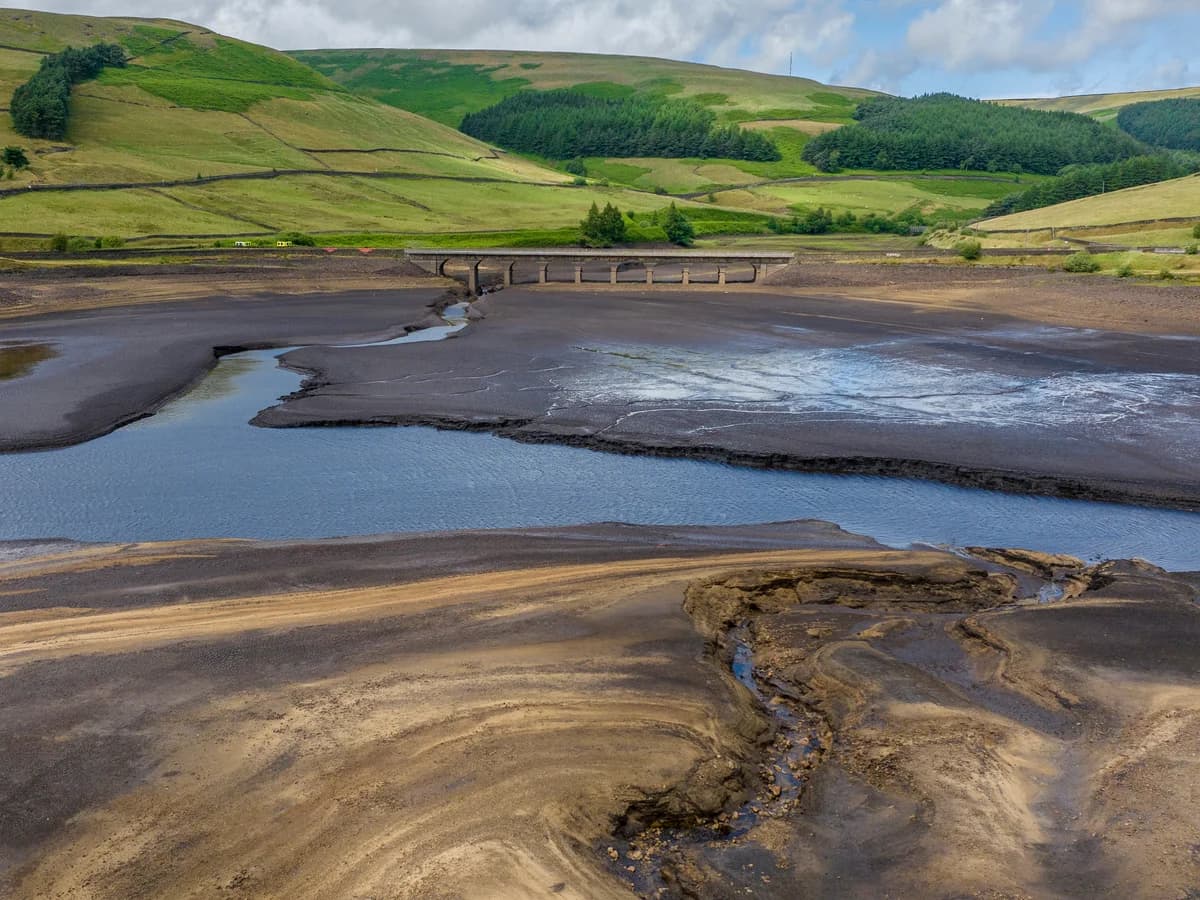
    • Drought Situation: Britain is experiencing its worst drought since 1727, with severe water shortages affecting daily life and services.

    • Water Importation Study: Authorities are considering importing drinking water from Scandinavia due to deteriorating local supplies.

    • Current Water Supply Issues:

      • Over a million homes in South Wales face nighttime water cut-offs.
      • Residents in Western England may need to queue for water at standpipes starting next month.
      • The Channel Island of Jersey has implemented strict water rationing measures.
      • Guernsey has been under water rationing since an emergency was declared in June.
    • Water Rationing Timeline: Without current rationing measures, local authorities estimate that water supplies could run out in six weeks.

    • Government Action:

      • All 10 water authorities in England and Wales have indicated plans to utilize powers under the Drought Act.
      • Authorities from North-East, South, West, and Wales are demanding the legal ability to cut off water supply to households as necessary.
    • Economic Impacts: Prolonged drought and water shortages could adversely affect food production and industrial output in the upcoming season.

    • Legislative Reference: The actions being taken reference the Drought Act, which allows water authorities specific powers to manage water resources during periods of severe drought.

    • Public Health Concern: The ongoing drought and potential for increased water rationing pose a significant risk to public health and hygiene standards.

    • Urgent Measures Required: The government and local authorities are under pressure to manage resources effectively and re-evaluate supply strategies to prevent a humanitarian crisis.

    These notes encapsulate the key issues and actions being taken in response to the severe drought in Britain, relevant governmental powers, and the potential future implications for the population and economy.

    Chromium Contamination in Uttar Pradesh
    Environment and Ecology17-Aug-2026

    Chromium Contamination in Uttar Pradesh

    Summary of Environmental & Health Crisis in Uttar Pradesh

    Health Concerns

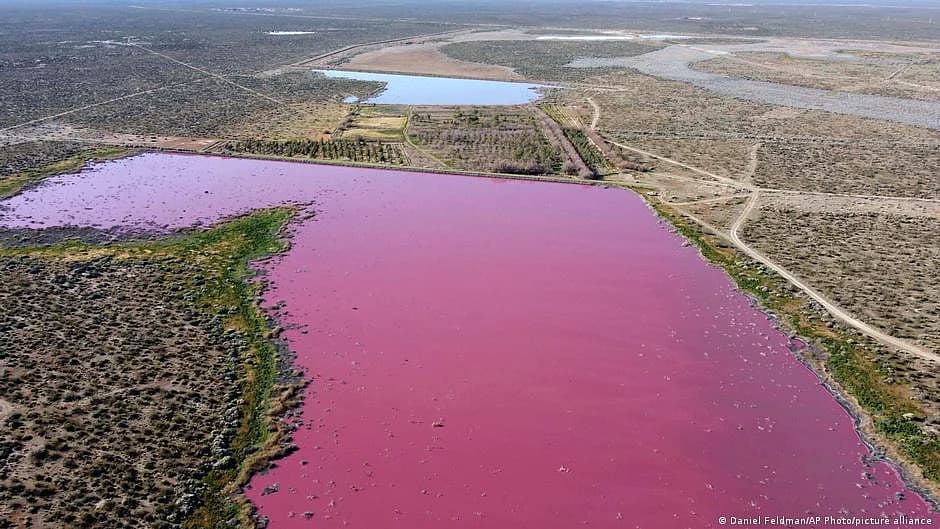
    • Contaminated Water: Residents in Fatehpur, Kanpur Dehat, and Kanpur Nagar districts are suffering from severe health issues attributed to chromium (VI) contamination in groundwater.
    • Health Statistics: Government tests from 2025 reveal 73%-96% of residents have chromium (VI) levels above permissible limits.
    • Reported Symptoms: Common ailments include liver issues, stomach ulcers, skin rashes, and gastroenteritis.

    Environmental Background

    • Chromium (VI): A hazardous chemical used in industries for electroplating and leather production, classified as a carcinogen by the International Agency for Research on Cancer.
    • Dump Sites: Significant chromium dumps have existed since 1976, with reports indicating past disposal practices caused groundwater contamination.

    Policies & Government Actions

    • National Green Tribunal (NGT): An independent body addressing environmental issues that has ordered factory closures and clean-ups of chromium waste.
    Dead Fish Discovered in Palar River
    Environment and Ecology17-Aug-2026

    Dead Fish Discovered in Palar River

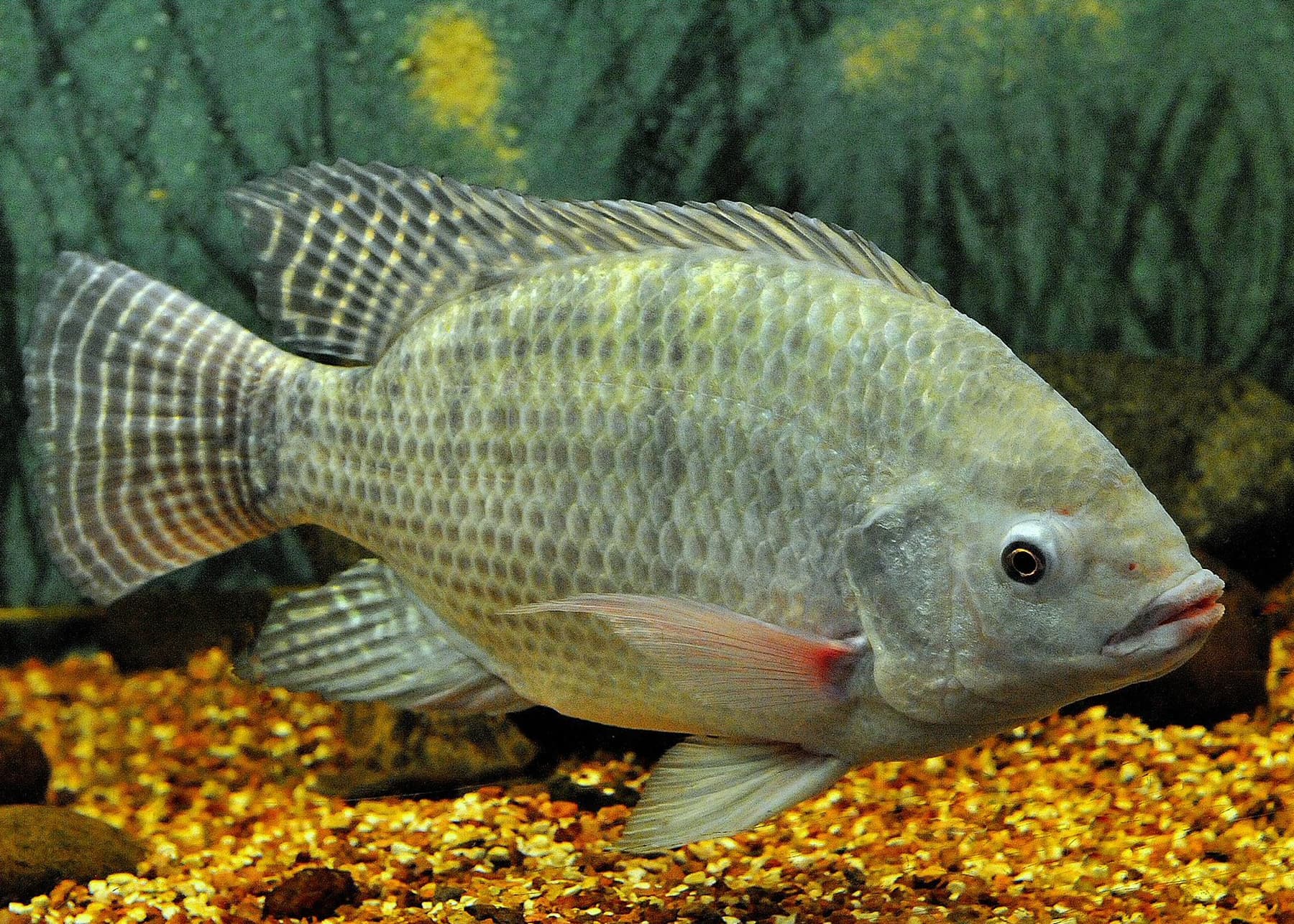
    • Environmental Incident: Significant fish mortality reported in Palar River, Madhanur village, Tirupattur, caused by low dissolved oxygen levels in water. Mainly affected species: Jalebi fish (Tilapia).

    • Fish Removal Efforts: Over 150 kg of dead fish removed by Fisheries Department. Samples taken for further investigation into the cause of fish deaths.

    • Water Resource Importance: Palar River serves as a critical water source for irrigation, supporting the cultivation of paddy, banana, sugarcane, and groundnuts across 1,200 acres of farmland.

    • Local Infrastructure: More than 15 bore wells have been installed along the riverbank, providing piped water supply to residents in 12 nearby villages. The river is also integral to local fish farming.

    • Economic Impact: Revenue from fish auctioning, conducted every three years, plays a vital role in funding basic facilities for local governance. Approximately 3 tonnes each of major fish species like Catla and Jalebi are sold annually in local and neighboring town markets (Tirupattur, Jolarpet, Ambur, Vaniyambadi, Gudiyatham).

    Ennore Fisherfolk Protest Against Pollution
    Environment and Ecology17-Aug-2026

    Ennore Fisherfolk Protest Against Pollution

    Incident Overview:

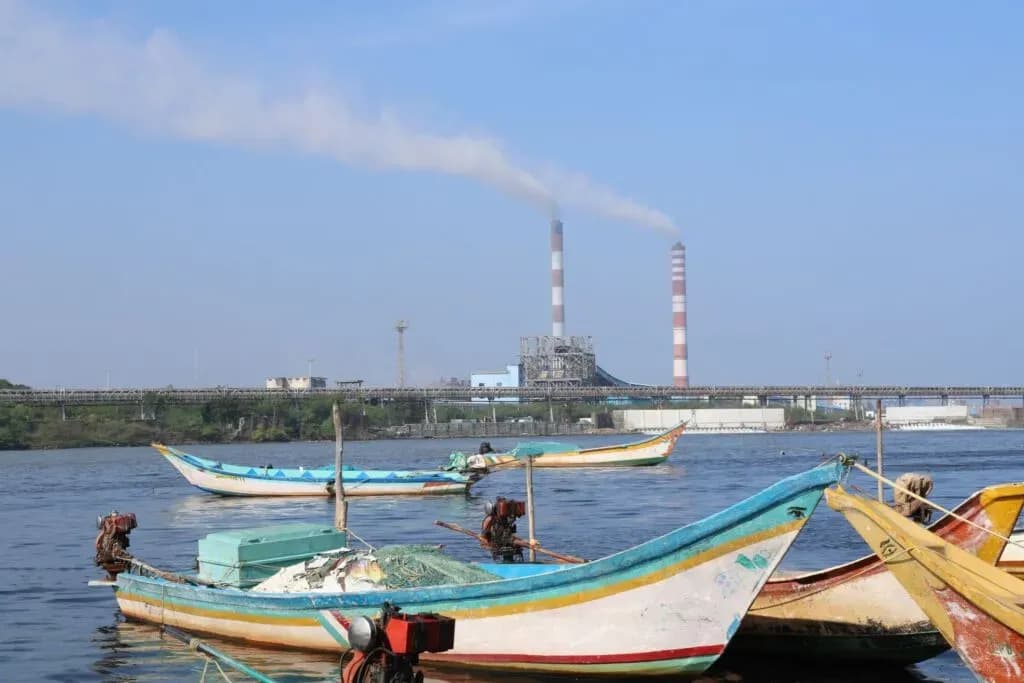
    • Fisherfolk in Ennore demonstrated due to mass fish deaths in the Kosasthalaiyar river near the Ennore estuary.
    • Types of aquatic life affected: madavai, kizhangan, oodan, karuva, kelathi, prawns, crabs.

    Environmental and Pollution Concerns:

    • Tamil Nadu Pollution Control Board (TNPCB) collected samples from the affected areas for analysis.
    • Allegations link fish deaths to chemical effluent discharge from local industries, emphasizing longstanding pollution issues in the area.
    • The local fishing community expressed fears over the impact of pollution on their livelihoods.

    Community Response:

    • Fisherfolk from eight villages conducted a road blockade on Thazhankuppam main road demanding action.
    • Key stakeholders including MLA T. Arunkumar and government officials engaged in discussions with protesters.

    Demands of the Fisherfolk:

    1. Detailed Report on Effluents:

    Earthquake Strikes Indonesia with Tsunami Warning
    Environment and Ecology16-Aug-2026

    Earthquake Strikes Indonesia with Tsunami Warning

    Earthquake in Indonesia - Summary of Key Facts:

    1. Event Details:

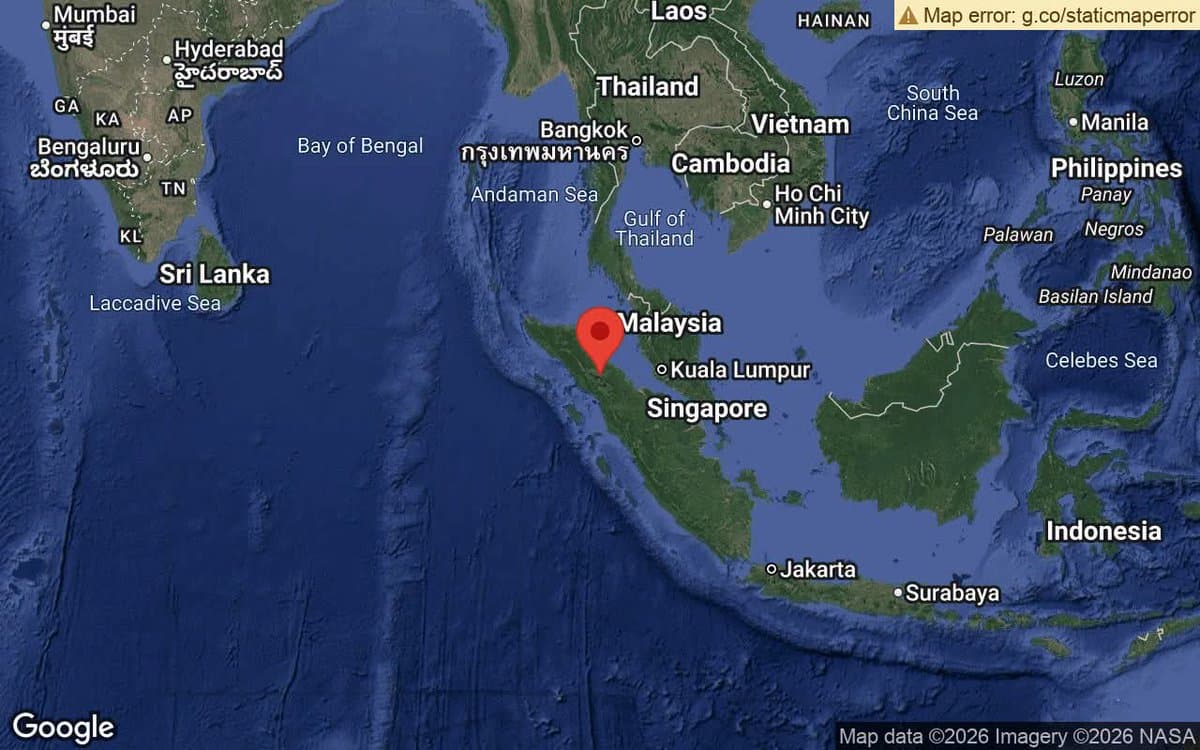
      • A magnitude 6.0 earthquake struck the Gulf of Tomini, Indonesia.
      • Date and Time: Occurred on August 15, 2026, at 21:55 IST.
      • Depth: 68 kilometers (42.25 miles).
      • Coordinates: Latitude 0.174 N, Longitude 120.312 E.
    2. Recent Activity:

      • This quake follows a magnitude 7.7 earthquake earlier the same day, which resulted in over 40 fatalities.
      • In addition, a magnitude 6.5 quake occurred on the same day.
    3. Tsunami Warning:

      • Authorities initially issued a tsunami warning prompting coastal residents to evacuate to higher ground.
      • The warning was later lifted as no significant sea-level changes were detected by Indonesia's meteorological agency, although smaller tsunamis were reported.
    4. Monitoring and Response:

      • The German Research Centre for Geosciences (GFZ) provided data on the earthquake.
      • The National Center for Seismology (NCS) of India confirmed the details and advised the use of the BhooKamp app for more information.
    5. Significance:

      • Indonesia is situated on the Pacific Ring of Fire, making it susceptible to earthquakes and tsunamis.
      • The country regularly faces seismic activities, and preparedness measures are critical for minimizing impact.
    6. Emergency Preparedness:

      • The event underscores the importance of disaster preparedness and response systems in earthquake-prone areas.
      • The evacuation protocols reflect ongoing efforts to protect coastal populations during seismic events.

    These points emphasize the urgent need for continuous monitoring and efficient disaster response strategies in regions vulnerable to natural disasters such as earthquakes and tsunamis.

  • NGT Orders: In 2017, the NGT initiated the removal of chromium dumps, but communities report continued environmental degradation.
  • Policy Gap: Residents highlight insufficient action from the government, often delayed until NGT interventions.
  • Government Response

    • Lack of Testing Facilities: No public testing for heavy metals in the affected districts; villagers fail to receive adequate health examination or remediation.
    • Water Supply Issues: Residents face unreliable piped water supplies, often tainted, forcing reliance on contaminated handpumps.

    Economic Impact

    • Cost of Clean Water: Many families cannot afford clean water options like RO water systems, leading to health risks.
    • Income Data: Laborers earning between ₹10,400 to ₹12,000 monthly struggle with health vulnerabilities linked to contaminated water usage.

    Ongoing Research

    • IIT Kanpur Study: A comprehensive study led by IIT Kanpur aims to map the extent of contamination. Initial phases expected to last six months, focusing on identifying and isolating contaminated areas.

    Community Reaction

    • Public Sentiment: Villagers express frustration and humor about their predicament, indicating a lack of urgency from authorities to address their plight.

    This situation underscores the grave public health and environmental challenges associated with industrial pollution, highlighting the need for robust legislative frameworks and timely government action to protect affected communities.

  • Local Community Response: Fishermen and residents notified local panchayat and Fisheries Department upon observing floating fish, prompting immediate action from officials to investigate and address the environmental issue.

  • Biodiversity: The Palar River ecosystem hosts commercial fish species and acts as a lifeline for both agriculture and drinking water in the region.

  • Calls for Action: Local residents emphasized the need for thorough investigation and cleaning of the affected water body to prevent future incidents.

  • Fisherfolk sought an analysis of water contamination to identify toxins and responsible industries.
  • Compensation:

    • A call for compensation equivalent to one year of livelihood due to the unprecedented fish kill that affects the breeding area.
  • Employment Opportunities:

    • Request for job provision in nearby industries and thermal power plants, citing a promise of jobs made during the establishment of these plants. Only 500 job placements were noted.
  • Government and Legislative Framework:

    • The event heightens the focus on environmental protection laws and compliance by industries as enshrined in the Constitution of India, notably:
      • Article 21: Right to life entails the right to a clean environment.
      • Directive Principles of State Policy (DPSP), Article 48A: The State shall endeavor to protect and improve the environment and safeguard the forests and wildlife of the country.

    Economic Implications:

    • The fish kill threatens the livelihoods of local fisherfolk, highlighting economic vulnerabilities within the fishing and coastal communities reliant on healthy waterways for sustenance and income.

    Sectoral Context:

    • The Kosasthalaiyar river's ecosystem is crucial for local fisheries and biodiversity.
    • Fisherfolk express concerns about contaminants from industrial effluents, sewage, and fly ash due to industrial activities and power plants in the vicinity.

    Conclusion: The incident underlines the urgent need for effective environmental governance, community engagement in industrial management, and safeguarding the livelihoods of fishing communities in the face of industrial pollution.