iAspirants
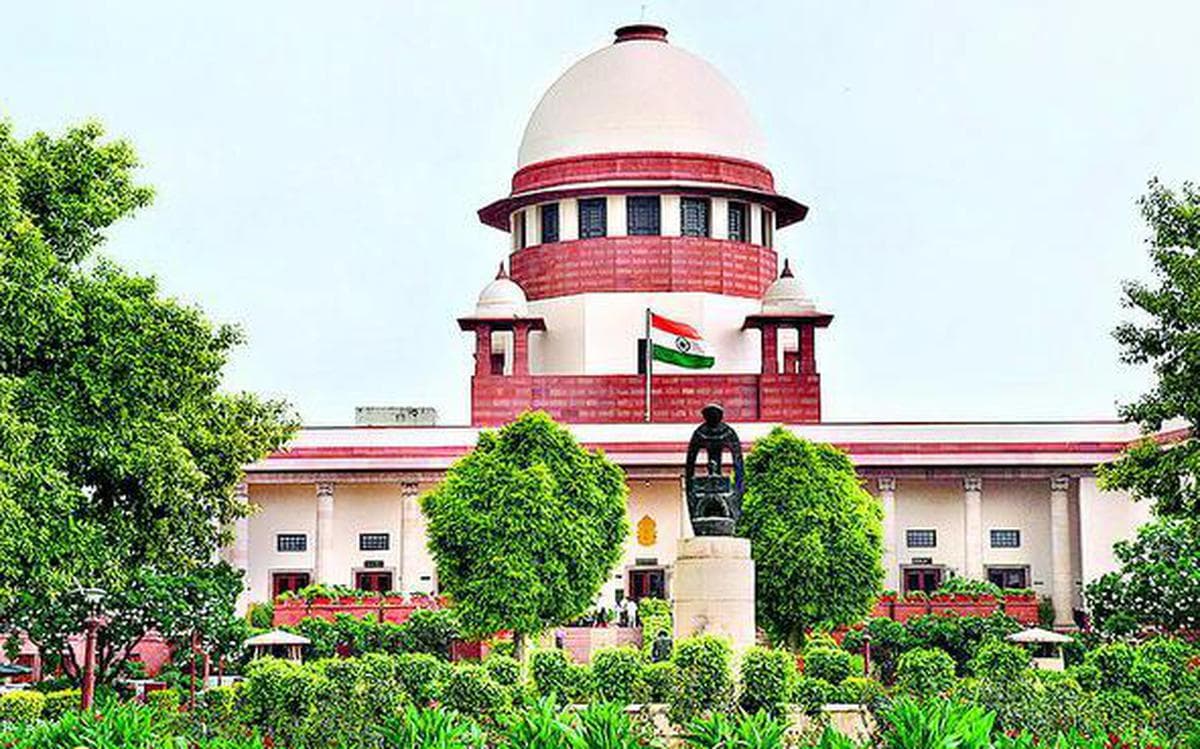
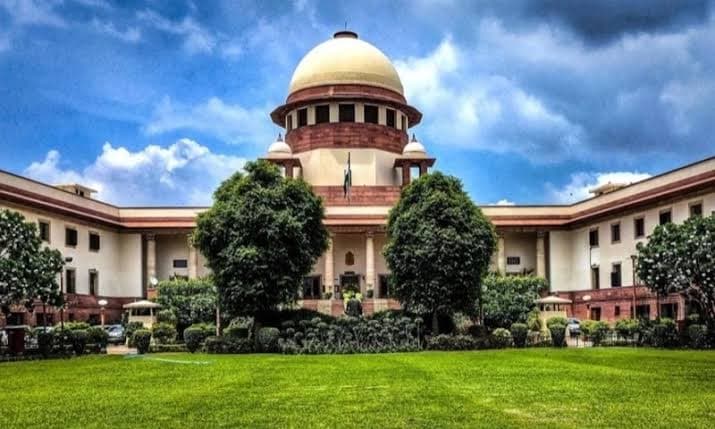
Supreme Court Ruling on Industrial Relations
Published on:
Share this post
Article Summary
Supreme Court Verdict on Industrial Relations Code
Background:
- The judgment refers to the 1978 Supreme Court ruling in Bangalore Water Supply and Sewerage Board v. R. Rajappa, which provided a broad definition of ‘industry’ under the Industrial Disputes Act, 1947. This historic ruling allowed workers in various sectors to engage in collective bargaining and claim labor rights.
- The original definition exempted core sovereign activities (e.g., judiciary, law enforcement, defense).
Key Points from the Verdict (August 20, 2026):
New Definition under Industrial Relations Code (IRC), 2020:
- The Supreme Court ruled that the expansive interpretation of 'industry' from the 1978 verdict will not apply under Section 2(p) of the IRC, which came into effect in November 2025.
- This decision is significant as it delineates the legal landscape for industrial disputes going forward, expressing a 'clean slate' approach.
Judicial Opinions:
- Chief Justice Surya Kant: Led the majority opinion indicating that the 1978 judgment would not serve as the "sheet anchor" for future interpretations of the industry under IRC.
- He acknowledged the enduring principles of the 1978 triple test for defining 'industry' but suggested a refinement without retroactively impacting existing legal cases.
Dissenting Views:
- Justice B.V. Nagarathna: Argued that the expansive definition of 'industry' should remain to protect workers’ rights amid India's transition towards privatization and liberalization. She cautioned that narrowing this definition could undermine labor rights in a privatized economy.
- Supported the continuation of the ‘Dominant Nature Test’ for organizations performing multiple activities.
Implications of the Judgment:
- The ruling confines the interpretation of 'industry' to legacy cases under the 1947 Act and signifies a departure from the broader protections previously available, potentially impacting workers in privatized sectors.
- The majority emphasized not burdening the IRC with past interpretations, aiming for clarity and a new legal framework for labor relations.
Constitutional Context:
- The judgment is crucial for understanding Article 21 (Right to Life and Personal Liberty) regarding labor rights in the context of privatization and economic reforms in India.
- Issues concerning labor rights also tie into the Directive Principles of State Policy (DPSP) encouraging the state to secure just and humane conditions of work.
Economic and Industry Impact:
- As India's industrial landscape transitions to a more privatized sector, this ruling is likely to affect labor relations, collective bargaining capabilities, and employment patterns significantly.
Conclusion:
The Supreme Court's judgment marks a pivotal change in labor law, creating distinct paths for interpreting 'industry' under the new IRC as compared to the legacy definitions established by prior rulings. The differing opinions among judges highlight the ongoing debate about the balance between economic reform and protection of worker rights in a changing globalized economy.
Key Terms & Concepts
| Supreme Court of India | Judicial authority interpreting laws |
| Industrial Relations Code, 2020 | New legislation impacting industries |
| Industrial Disputes Act, 1947 | Previous framework for labor relations |
| Bangalore Water Supply and Sewerage Board v. R. Rajappa | Key judicial precedent on labor rights |
| 1978 judgment | Established broad definition of 'industry' |
| Section 2(j) | Definition of 'industry' in 1947 Act |
| Section 2(p) | New definition of 'industry' in IRC |
| Triple test | Criteria for defining 'industry' |
| August 20, 2026 | Date of court ruling |
| Core sovereign activities | Exemptions from industrial definitions |