iAspirants
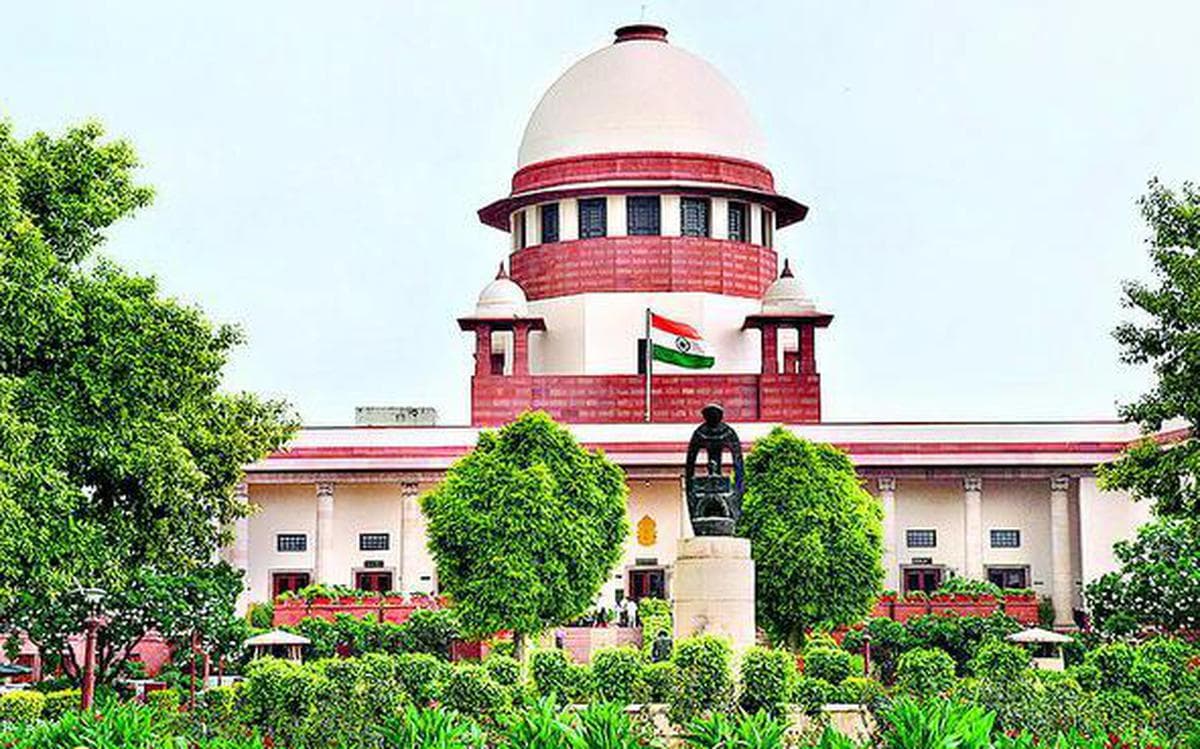
Supreme Court Ruling on Citizenship Process
Published on:
Share this post

Article Summary
Supreme Court Ruling on Citizenship and Foreigner Status
Case Overview
- Judgment Date: July 13, 2026
- Court: Supreme Court of India
- Justices: Vikram Nath and Sandeep Mehta
- Number of Cases: 27 judgments from Gauhati High Court declared appellants as foreigners.
Key Legal Principles
- Citizenship determination must follow a “fair, lawful, and reasoned” process.
- The judgment emphasized the grave consequences of foreigner status, which carry significant legal implications, including potential detention, deportation, and separation from family.
Constitutional References
- Article 14: Guarantees equality before the law.
- Article 21: Right to life and personal liberty extends to foreigners, ensuring they are not deprived of these rights without due process.
- Importance of adhering to constitutional mandates of fairness and non-arbitrariness in foreigner declarations.
Laws and Acts Referenced
- Foreigners Act, 1946: Establishes procedures for determining foreigner status.
- Foreigners (Tribunals) Order, 1964: Governs the functioning of Foreigners Tribunals.
- The Court directed adherence to these laws during the remand process.
Court Observations
- The Supreme Court set aside the earlier judgments and opinions, remanding cases to the Foreigners Tribunals for fresh adjudication.
- Critical Factors for Adjudication:
- Fair opportunity for the proceedee.
- Disclosure of main grounds for proceedings.
- Evidence supporting the claims must be thoroughly evaluated.
Judicial Reasoning
- The Bench stated that an arbitrary state action cannot be justified even if legislated.
- Proceedings must not be mechanical or devoid of application of mind.
- Tribunal decisions must be based on a proper assessment of evidence.
Remand Direction
- The trials must be re-evaluated within six months.
- No coercive actions against appellants until tribunals issue fresh opinions.
- Appellants required to cooperate promptly with tribunal proceedings.
Background of the Case
- Originated from a May 9, 1997, order declaring Sabitri Dey and her husband as illegal migrants for non-appearance at the tribunal.
- Appellants claimed ignorance of prior proceedings and contested that the tribunal's decision was based on unreliable hearsay rather than credible evidence.
- Previous attempts to appeal in 2020 to Gauhati High Court were dismissed due to inordinate delay.
Implications
- This judgment reinforces the necessity of a fair judicial process in citizenship determinations.
- Highlights the judicial role in protecting individuals from wrongful categorization as foreigners, emphasizing constitutional rights.
- Stresses the need for evidence-based decision-making in matters concerning citizenship, impacting future cases regarding illegal migration and citizenship claims.
Conclusion
This ruling reflects a significant judicial intervention in citizenship cases, ensuring due process and adherence to constitutional guarantees. The focus on ensuring fair trials underscores the balance between state interests in immigration control and individual rights.
Key Terms & Concepts
| Supreme Court of India | Highest judicial authority in India |
| Foreigners Act, 1946 | Regulates foreigner status in India |
| Foreigners (Tribunals) Order, 1964 | Govern the operation of Tribunals |
| Article 14 | Guarantee of equality before law |
| Article 21 | Right to life and personal liberty |
| Illegal Migrants (Determination) Tribunal | Court for illegal migrants cases |
| Sabitri Dey case | Legal dispute about citizenship |
| 2020 High Court ruling | Dismissed citizenship challenge |
| 2026 Supreme Court judgment | Set aside prior adjudications |
| July 13, 2026 | Date of Supreme Court ruling |
| 6 months | Timeframe set for fresh adjudication |