iAspirants
Supreme Court Issues Notice on SIR
Published on:
Share this post
Article Summary
Supreme Court Ruling on Special Intensive Revision (SIR) and Electoral Rights
Context:
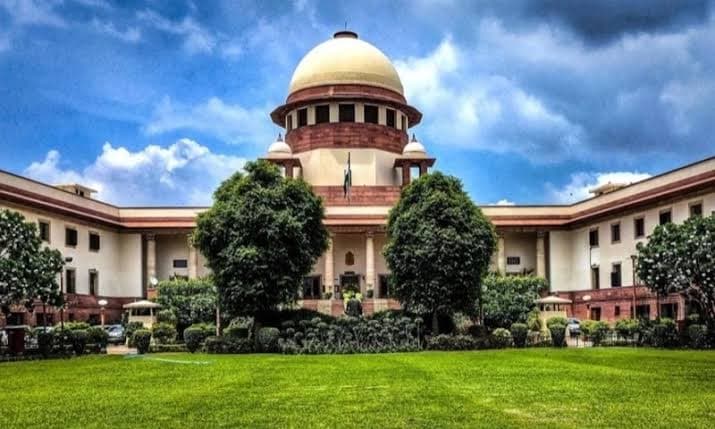
- A Supreme Court of India judgment addressed concerns regarding the Special Intensive Revision (SIR) of electoral rolls in West Bengal.
Key Judgments:
- SIR Usage Restrictions: The court reiterated that SIR outcomes cannot be utilized for purposes other than electoral disenfranchisement, specifically stating they must not determine citizenship status.
- Reference to previous judgment: Supreme Court ruling dated May 27, 2026 regarding Bihar's SIR.
Constitutional References:
- Articles referenced: 9, 10, 11, and 12 of the Constitution concerning citizenship rights.
Petitioner Concerns:
- Prasenjit Bose, chairperson of the SIR committee, highlighted civil rights violations arising from the use of SIR data by the West Bengal government which impacted eligibility for various governmental schemes (e.g., food security, women’s welfare).
Government Actions:
- Notifications Issued:
- May 19, 2026: Notification restricting purged voters from benefiting under the Annapurna Yojana unless appeals were made.
- June 4, 2026: Directive to delete beneficiaries from the Public Distribution System (PDS) based on SIR outcomes.
- May 14, 2026: Call to re-verify and potentially cancel caste certificates linked to SIR deletions.
Judicial Observations:
- Justice Joymalya Bagchi emphasized that the Election Commission (EC) of India must address these issues under the Citizenship Act, noting the lack of authority for the EC concerning specific citizenship-related constitutional articles.
Current Appeal Statistics:
- Total appeals filed in West Bengal: 34 lakh (3.4 million).
- Appeals disposed of: Approximately 38,000.
- Clearance rate: About 70% of disposed appeals were favorably resolved for re-inclusion, indicating systemic delays affecting civil rights.
Court Directives Suggested:
- Streamlining the appeal process for SIR adjudication, establishing transparency and accountability in handling appeals.
- Establishing a website for tribunals to ensure public access to decisions and standard operating procedures.
Social Implications:
- The delays in the appeal process disproportionately impact marginalized groups, notably the poor and illiterate, who face barriers to accessing their electoral rights and appeals.
- Calls for better guidelines, legal assistance, and accessible communication of procedures in local languages.
Conclusion:
- The Supreme Court is set to hear the case at an accelerated pace due to the significant civil rights implications arising from the application of SIR data on electoral rolls. The court's intervention aims to protect the voting rights of vulnerable electorates and ensure proper adherence to constitutional mandates on citizenship and civil rights.
Key Terms & Concepts
| Supreme Court of India | Judicial authority overseeing elections |
| Justice Joymalya Bagchi | Judge presiding over case |
| Chief Justice Surya Kant | Head of the Supreme Court |
| Special Intensive Revision (SIR) | Process linked to electoral rolls |
| West Bengal government | State implementing SIR notifications |
| Annapurna Yojana | Cash transfer scheme for women |
| Public Distribution System (PDS) | System linked to voting rights |
| Citizenship Act | Laws governing citizenship status |
| Election Commission of India | Regulator of electoral processes |
| Bihar SIR case | Precedent for the current case |
| 34 lakh appeals | Total appeals filed in West Bengal |
| 38,000 appeals | Appeals disposed of as of now |