iAspirants
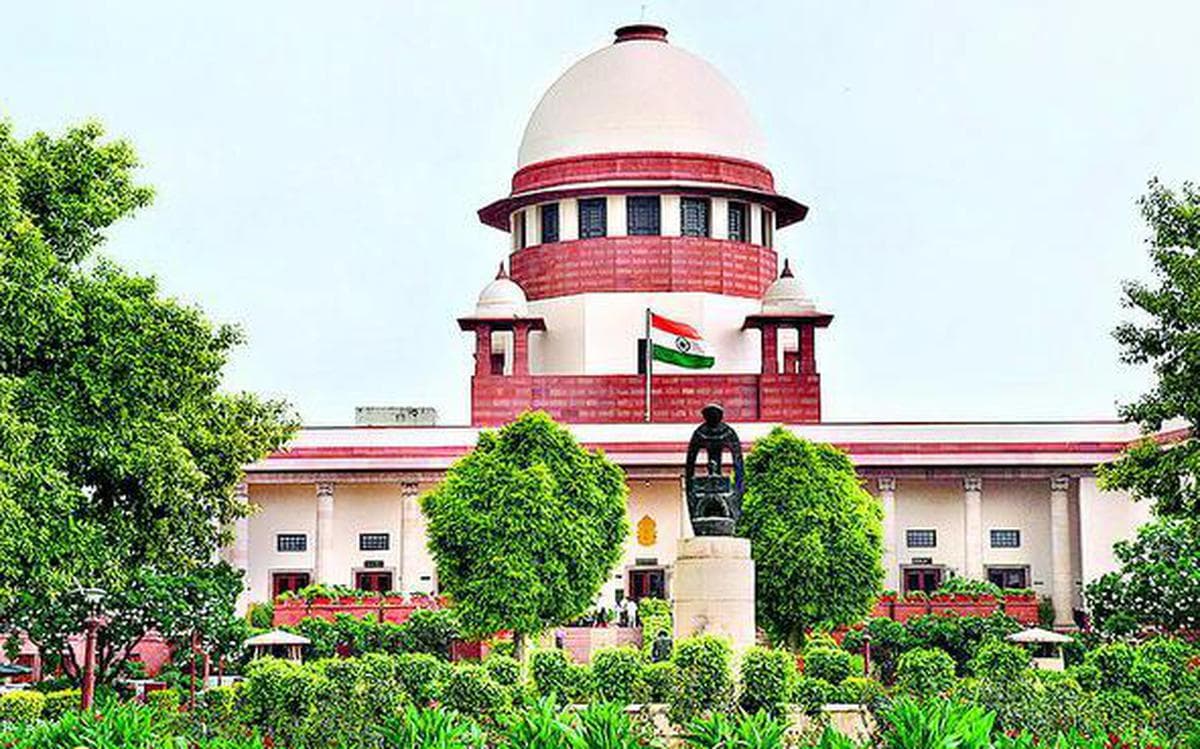
Supreme Court Investigates Student Protests
Published on:
Share this post
Article Summary
Supreme Court Interim Orders on Student Protests and Police Investigations
1. Context:
- Allegations of police excesses during student protests across Delhi and other states following the NEET examination paper leak incidents.
- Protests included a notable demonstration near the Parliament on July 20, 2026.
2. Supreme Court Directives:
- The court indicated the establishment of a high-powered team for an independent investigation regarding police brutality.
- Directed the release of all minors arrested during the protests.
- No coercive actions against protesting students without criminal records.
- Police to preserve all evidence: CCTV footage, drone recordings, body camera footage, and communication records, without disclosing personal information of protestors publicly.
3. Constitutional References:
- The Supreme Court emphasized the constitutional right to peaceful protest, aligning with Article 19(1)(a) which guarantees freedom of speech and expression, inherently including the right to protest.
- The court noted the principle of "reasonable restrictions" under Article 19(2) should be adhered to, ensuring no undue force is used against peaceful demonstrators.
4. Judicial Observations:
- Chief Justice Surya Kant highlighted the necessity of an impartial probe to determine if police actions constituted "excesses or atrocities".
- The court acknowledged claims of excessive use of force, including pellets and electric batons.
5. Previous Legal Framework:
- The court referenced earlier rulings including those arising from the 2011 Ramlila Maidan incident, suggesting that guidelines governing police response to protests may need re-evaluation to reflect current societal contexts.
6. Government Responses:
- Union and state governments are required to respond to the court's directives; evaluations will consider police actions during protests and claims of injuries to police personnel.
7. Economic and Social Implications:
- Ongoing protests demonstrate the intersection of education policy (NEET) and social unrest, pointing to broader issues in the education system and youth disenfranchisement.
- Minors' arrests have raised significant concerns surrounding child rights, with implications under the Juvenile Justice (Care and Protection of Children) Act.
8. Future Hearings:
- The next court hearing is set for August 3, 2026, to examine government responses and determine the feasibility of appointing an independent investigative body.
9. Conclusion:
- The Supreme Court's directives aim to ensure accountability in police conduct during protests, safeguard minors’ rights, and uphold constitutional protections for peaceful assembly. The forthcoming hearings will be crucial in shaping the governance of public demonstrations and law enforcement protocols in India.
Key Terms & Concepts
| Supreme Court | Conducts inquiry into protests |
| July 28, 2026 | Date of Supreme Court ruling |
| Constitution | Guarantees peaceful protest rights |
| NEET examination paper leak | Cause of student protests |
| Delhi | Location of significant protests |
| CCTV footage, drone recordings | Evidence preservation directive |
| Rapid Action Force (RAF) | Used anti-riot measures |
| Parliament march | Major protest event |
| Anti-riot gun | Weapon used against protesters |
| Minor detainees | Ordered immediate release |
| Judicial judgments from 2011 | Guidance for police conduct |
| Shailendra Mani Tripathi | Petitioner raising concerns |