iAspirants
Current AffairsPrelims PYQsUPSC CSE SyllabusUPSC CSE StrategyBlogsPricing
Login
iAspirants

Your AI-powered companion for UPSC preparation.

Quick Links

  • Home
  • About Us
  • Current Affairs
  • Prelims PYQs
  • UPSC CSE Syllabus
  • UPSC CSE Strategy
  • Blogs

Company

  • Pricing
  • FAQs
  • Contact Us
  • Login

Legal

  • Privacy Policy
  • Terms & Conditions
  • Return Policy

© 2025 iAspirants, Inc. All rights reserved.

  1. Blogs
  2. Biodiversity

Strategic Plan for Invasive Species Mitigation

Published on: 12-Oct-2026

Source: The Hindu

Share this post

Strategic Plan for Invasive Species Mitigation

Article Summary

Summary Notes on the Kerala State Biodiversity Board's Strategic Plan

Invasive Alien Species (IAS) in Kerala

  • The Kerala State Biodiversity Board (KSBB) has formulated a seven-point strategic plan to address the impact of IAS on biodiversity.
  • Key Components of the Strategy:
    1. Prevention and monitoring of IAS spread.
    2. Public awareness and capacity building to manage IAS.
    3. Risk assessments and prioritization of research on IAS impacts.
    4. Management strategies focusing on prevention and community engagement.
    5. Scientific identification and taxonomic validation of IAS.
    6. Economic utilization of IAS where eradication is unfeasible.
    7. Strict quarantine measures to prevent further spread.

Documented Invasive Species

  • A total of 32 alien species documented in Kerala's inland aquatic ecosystems:
    • Fish species: 28, including the Mozambique tilapia, prevalent in all rivers, reservoirs, and lakes.
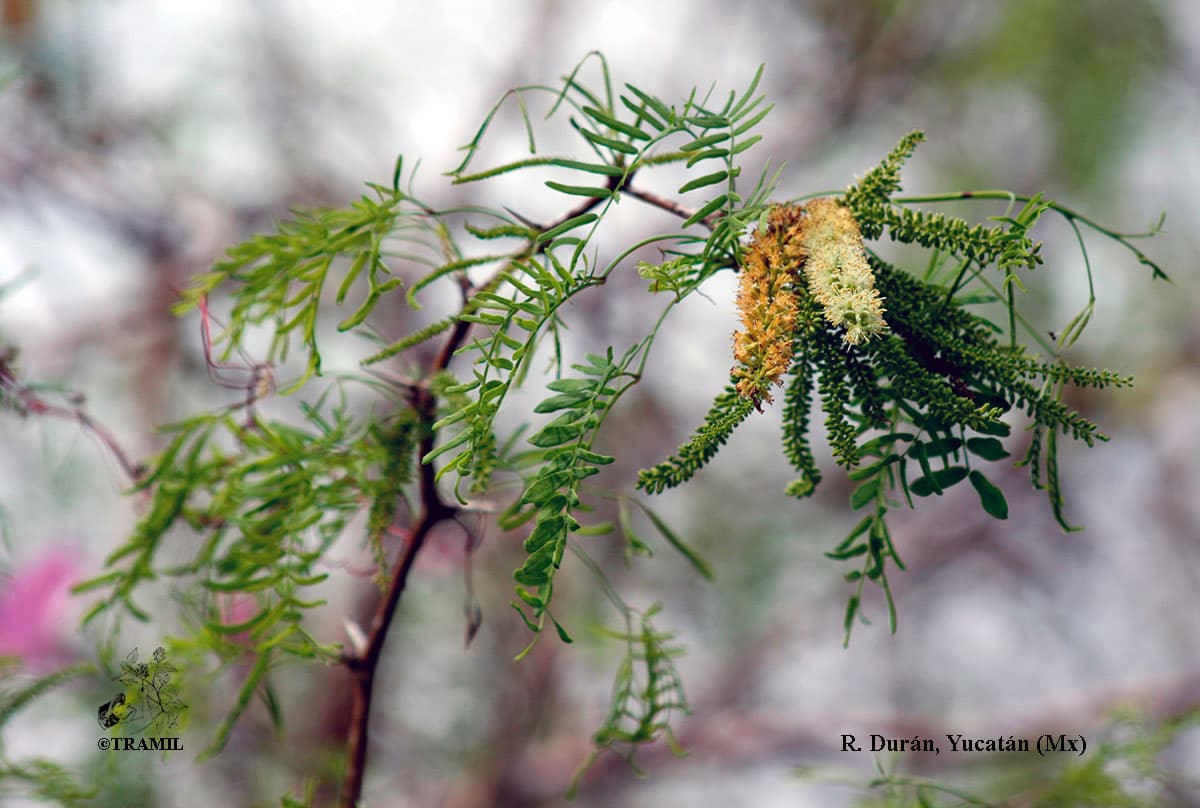
    • Plant species: 4, including Chromolaena odorata, Lantana camara, and Mikania micrantha, which disrupt forest ecosystems and hinder native plant regeneration.

Pathways for Introduction of Invasive Species

  • Intentional pathways:
    • Aquaculture
    • Ornamental trade
    • Agriculture
  • Unintentional pathways:
    • Ballast water
    • Nursery trade
    • Natural disasters (e.g., floods).

Economic & Ecological Impact

  • Invasive species are leading to significant ecological disruptions and biodiversity loss. They pose a major threat to agriculture by damaging crops.

Recommendations & Legal Framework

  • A call for a unified legal framework to address IAS threats has been made by stakeholders, including former officials from Kerala Forest Research Institute.
  • Recommendations for a dedicated government system to combat IAS have been proposed to the Union Ministry of Forests, Environment and Climate Change.
  • The need for comprehensive studies on the native species lost to IAS has been highlighted.

National Context

  • A recommendation for a national policy on IAS was previously provided by the Zoological Survey of India during a national conference on invasive species.

Importance and Conclusions

  • Invasive species can drastically alter ecosystems, leading to economic and biodiversity costs.
  • The KSBB emphasizes the urgent need for strong, coordinated measures to combat the spread of IAS to protect Kerala’s indigenous biodiversity.

Key Terms & Concepts

Kerala State Biodiversity BoardDeveloped strategic plan
seven-point strategic planMitigate invasive species impacts
Mozambique tilapiaWidespread invasive fish
32 alien speciesDocumented in ecosystems
Chromolaena odorataInvasive forest species
Lantana camaraInvasive forest species
Mikania micranthaInvasive forest species
economic utilisation of invasive speciesProposed alternative approach
Zoological Survey of IndiaRecommended invasive species policy
Ministry of Forests, Environment and Climate ChangeReceived policy recommendation
intergovernmental platformAuthoritative body on biodiversity

Mind Map for UPSC Civil Services Revision

Turn UPSC Civil Services Current Affairs Into Exam-Ready Notes

Reading Biodiversity current affairs is half the work. Revise them with ready-made notes and test what actually stuck.

  • Daily UPSC Civil Services current affairs analysis
  • Revision notes, mind maps & MCQs
  • Prelims mock tests with instant results

Related UPSC Civil Services Current Affairs Articles

Forest Department Fences Wild Elephants
Environment and Ecology11-Oct-2026

Forest Department Fences Wild Elephants

  • Forest Management and Wildlife Protection:

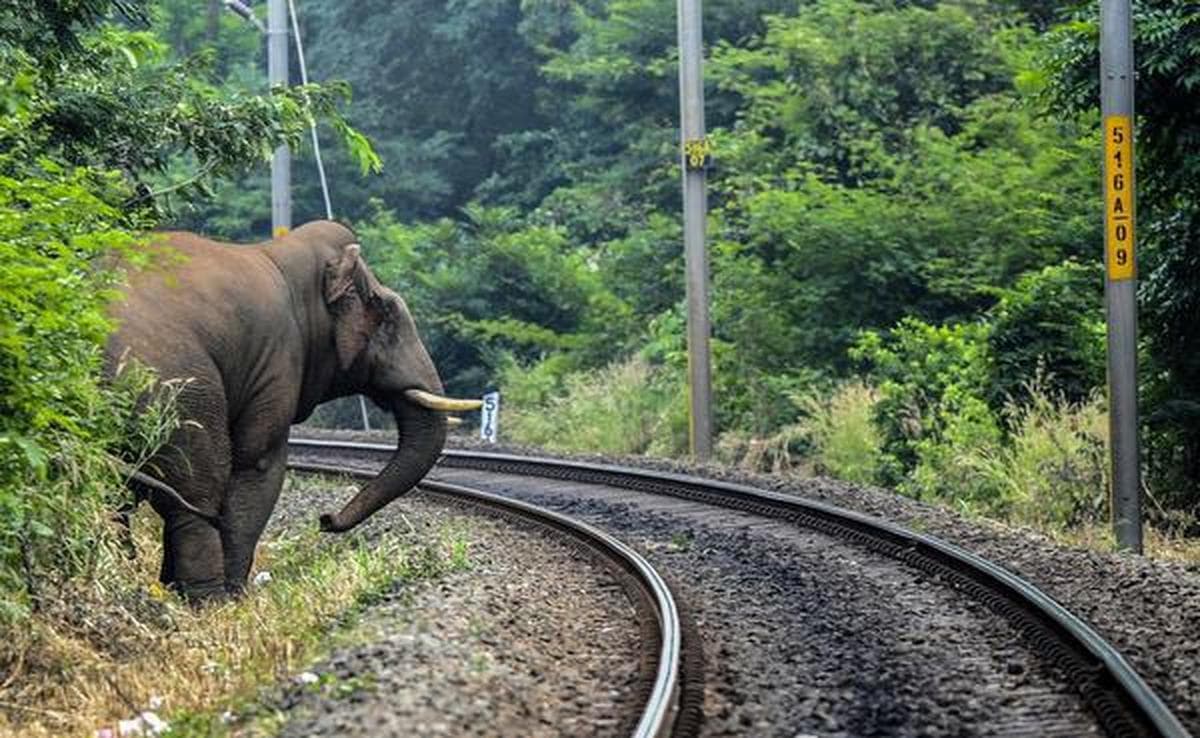
    • The Forest department plans to report on the reinstallation of fences obstructing elephant passages in the Devikulam forest range, Idukki.
    • Officers previously removed wire ropes and solar electric fencing from cardamom plantations to allow free movement of elephants.
  • Landowners reinstalled barriers shortly after removal, prompting the Chief Conservator of Forests (CCF) D. K. Vinod Kumar to direct a report on the issue.
  • Government Intervention:

    • The removal of fences was executed following an order from the District Collector, influenced by tribal community demands.
    • An incident leading to a tribal man's death due to a wild elephant attack prompted the Collector to enforce the Disaster Management Act (DDMA) to dismantle obstructions to elephant paths.
    • Restrictions on fences are aimed at mitigating human-wildlife conflict by allowing elephants to access traditional migratory routes.
  • Community Engagement:

    • Local farmers' groups visited conflict-affected areas to engage with residents and assess the situation.
    • The Idukki Land Freedom Movement plans to submit a memorandum to the State government, urging coordinated intervention from the Revenue and Forest Ministers for a lasting solution.
  • Human-Wildlife Conflict:

    • Reinstallation of fences by landowners has diverted elephants, increasing tensions and conflicts between wildlife and human settlements.
    • The Forest department’s initiative to open up traditional migratory routes for elephants is part of efforts to reduce these conflicts.
  • Judicial and Administrative Framework:

    • The actions taken fall under the operational mandates of the Disaster Management Act, reflecting how legal frameworks govern wildlife conservation and human safety.
  • In summary, the situation involves conflict between landowners and wildlife protection efforts, with administrative and tribal actions being taken to address the challenges posed by human-wildlife interaction, emphasizing the need for a collaborative approach to wildlife management.

    Navi Pillay Wins 2026 Nobel Peace Prize
    National and International Importance11-Oct-2026

    Navi Pillay Wins 2026 Nobel Peace Prize

    Summary of Key Points from the Article on Navanethem 'Navi' Pillay Awarded Noble Peace Prize

    Nobel Peace Prize Recognition:

    • Recipient: Navanethem ‘Navi’ Pillay awarded the 2026 Nobel Peace Prize.
    • Significance: Acknowledges her extensive contributions to international law and human rights over decades.

    Background:

    • Birth: 1941, Durban, South Africa.
    • Heritage: Tamil family; grandparents were indentured laborers from India.
    • Education: Studied law at the University of Natal; first female lawyer in the province (1967).
    • Apartheid Activism: Defended opponents of apartheid and fought for the rights of political prisoners.

    Legal Career Milestones:

    • Robben Island Case (1973): Achieved the right to legal representation for inmates, including Nelson Mandela.
    • International Criminal Tribunal for Rwanda (1995-2003):
      • Delivered landmark rulings recognizing rape as a potential act of genocide and prosecuting media incitement to genocide.
    • Various High-Profile Positions:
      • Judge at the International Criminal Court (2003-08).
      • UN High Commissioner for Human Rights (2008-14).
      • Chair of the UN Commission on Inquiry on the Occupied Palestinian Territory (2021-25).
      • Currently serving as ad hoc judge in the ICJ genocide case against Myanmar.

    Constitutional and Legal Impact:

    • Advocated for the equality clause in South Africa’s post-apartheid Constitution, highlighting the need for legal justice.
    • The Nobel Committee's recognition aims to emphasize the importance of international law amid rising power politics.

    Recent Findings and Allegations:

    • The UN Commission under her detected reasonable grounds for genocide against Palestinians committed by Israel since October 2023, referencing the 1948 Genocide Convention.
    • Pillay articulated, “No crime, however grave, justifies genocide,” indicating her commitment to balanced justice.

    Global Context:

    • The Nobel Committee's statement indicates concerns regarding the deterioration of international legal frameworks and the increasing prevalence of power politics.
    • Expresses distress over actions by superpowers, particularly the U.S., that threaten global peace and justice systems.

    International Relations:

    • The Nobel Peace Prize coincides with escalating tensions involving the U.S. military actions in Venezuela and Iran, contributing to significant crises.
    • The award to Pillay serves as a counter-narrative to past honors given to leaders viewed as perpetuating breaches of international law.

    Reactions:

    • U.S. political figures and Israeli officials expressed discontent over the recognition of Pillay, portraying it as a politicization of the Nobel Prize.

    Conclusion:

    Navanethem Pillay's Nobel Peace Prize highlights a pivotal acknowledgment of her lifelong quest for justice, underscoring the necessity of legal integrity in international relations amidst prevailing injustices and conflicts globally. Her work serves as an important reminder of the judiciary's role in upholding human rights and the rule of law.

    Orangutan Repatriation to Indonesia Confirmed
    Biodiversity10-Oct-2026

    Orangutan Repatriation to Indonesia Confirmed

    Summary Notes

    Wildlife Repatriation

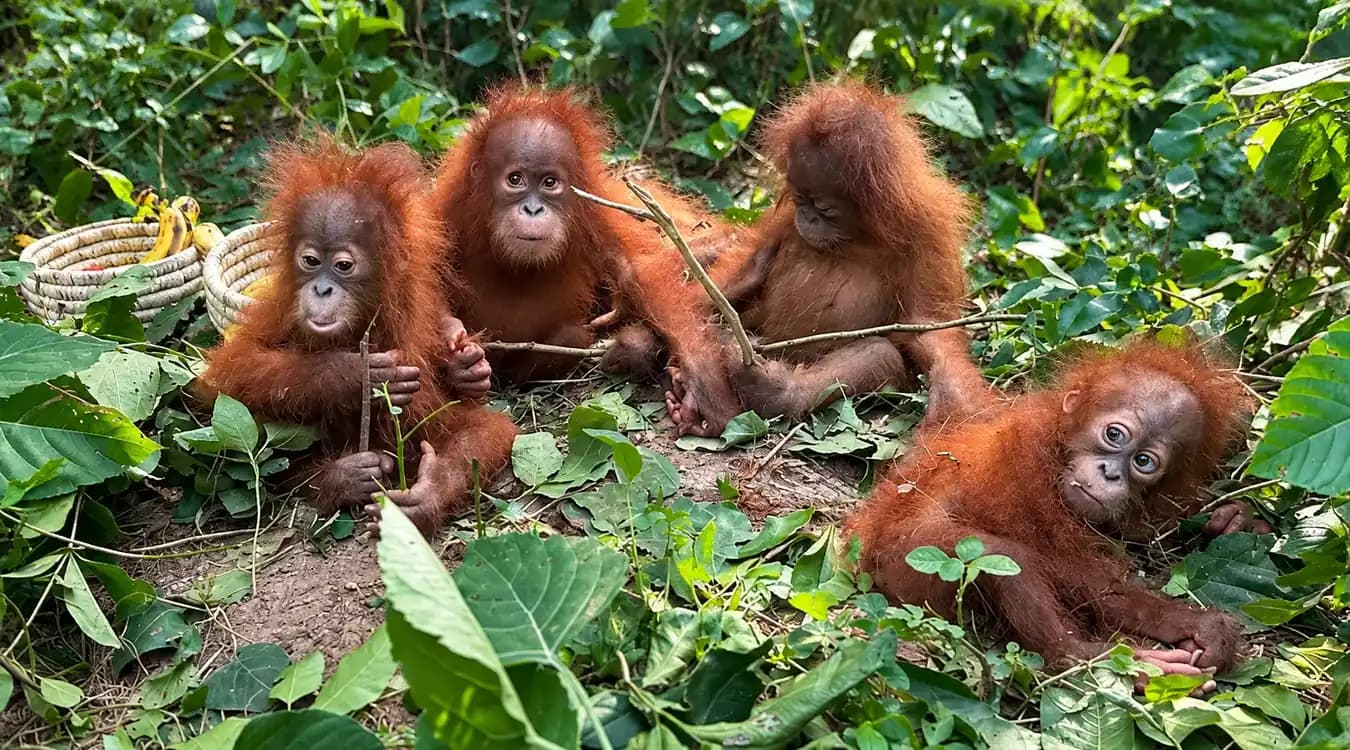
    • Event: Repatriation of a seized male orangutan (around 3 years old) to Indonesia, expected to occur imminently.
    • Location of Seizure: Dombivli, Thane, Maharashtra, in November 2024; part of a larger operation involving nine illegally trafficked species.
    • Current Custody: Housed at the Greens Zoological Rescue and Rehabilitation Centre (GZRRC), Jamnagar, Gujarat.

    Government Involvement

    • Indian Authorities: Ministry of Environment, Forest and Climate Change (MoEFCC) and Maharashtra Wildlife Wing were involved in the seizure, care, and repatriation procedures.
    • Supreme Court Directive: The high-powered committee (HPC), headed by retired Justice Deepak Verma, mandated the transfer of the orangutan from a local zoo to GZRRC for better rehabilitation in March 2025.

    Legal Framework

    • Supreme Court Committee (2023): Tasked with the welfare of wild animals, overseeing their transfer, and ensuring compliance with animal protection laws.
    • International Treaties:
      • CITES: Orangutans are classified under Appendix-I, which restricts their trade to ensure conservation; encourages repatriation when feasible.
      • Wildlife Protection Act, India: Mandates consultation with countries of origin for repatriation efforts.

    International Cooperation

    • Indonesian Authorities: The Ministry of Forestry of Indonesia confirmed cooperation with Indian agencies, with relevant permits in progress for repatriation arrangements.
    • Statement from Ristianto Pribadi (Indonesia): Both countries are finalizing documentation and ensuring the animal's safe travel and care upon arrival in Indonesia.

    Key Concepts

    • Wildlife Protection Act: Legal framework in India that facilitates the repatriation of seized wildlife in collaboration with the country of origin.
    • High-Powered Committee Role: Oversight over wildlife welfare issues, ensuring proper protocols for animal care post-seizure.

    Implications

    • The repatriation showcases bilateral relations and collaborative efforts in wildlife conservation between India and Indonesia under international wildlife protection norms, emphasizing the importance of preserving endangered species and their habitats.

    This case reflects the ongoing commitment to wildlife protection and the enforcement of international treaties to prevent illegal trafficking while ensuring the well-being of seized animals.