iAspirants
Current AffairsPrelims PYQsUPSC CSE SyllabusUPSC CSE StrategyBlogsPricing
Login
iAspirants

Your AI-powered companion for UPSC preparation.

Quick Links

  • Home
  • About Us
  • Current Affairs
  • Prelims PYQs
  • UPSC CSE Syllabus
  • UPSC CSE Strategy
  • Blogs

Company

  • Pricing
  • FAQs
  • Contact Us
  • Login

Legal

  • Privacy Policy
  • Terms & Conditions
  • Return Policy

© 2025 iAspirants, Inc. All rights reserved.

  1. Blogs
  2. International Relations

Sri Lanka Navy Chief Visits India

Published on: 27-Aug-2026

Share this post

Sri Lanka Navy Chief Visits India

Article Summary

Summary of Sri Lankan Navy Commander Vice Admiral Damian Fernando's Official Visit to India

Objective of the Visit:

  • Strengthen bilateral maritime cooperation.
  • Enhance naval relations between India and Sri Lanka.

Key Events:

  • Dates: 26 to 29 August 2026.
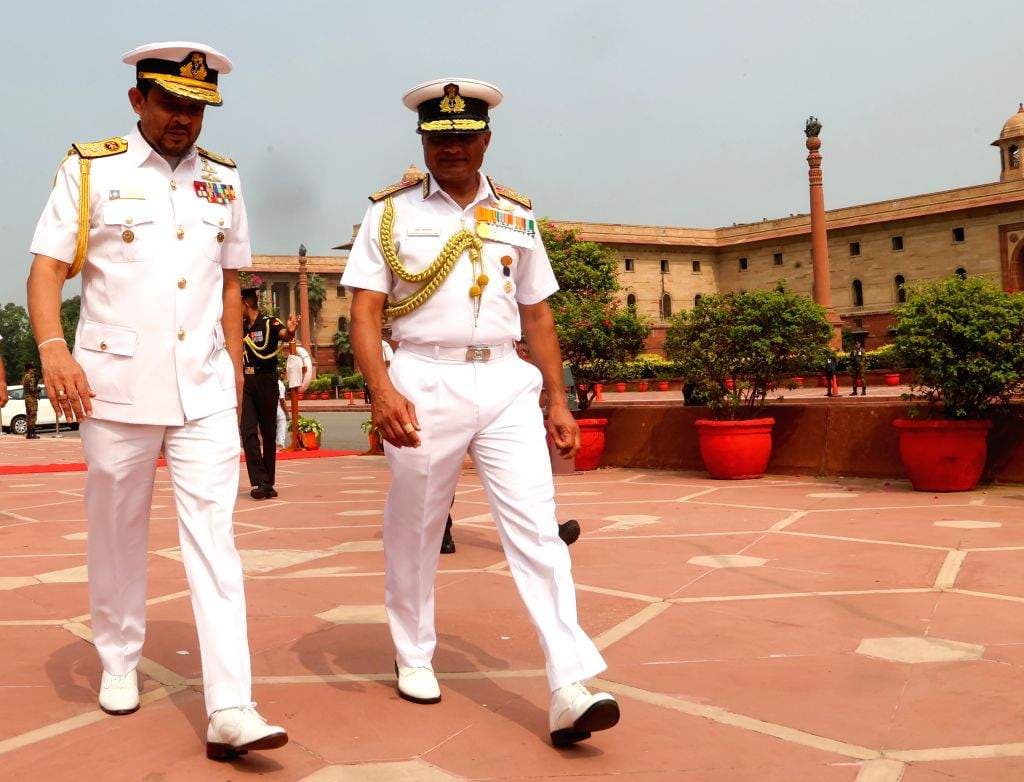
  • Formal Reception: Received a ceremonial guard of honor on 27 August 2026 at South Block, New Delhi.
  • Tribute: Paid homage to fallen soldiers at the National War Memorial.

Discussions:

  • Engaged in talks with Admiral Krishna Swaminathan regarding:
    • Promotion of bilateral maritime cooperation.
    • Joint operations and capacity development.
    • Measures for maritime security.

Meetings:

  • Scheduled discussions with senior defense officials.
  • Engagements with representatives from the Indian defense industry to explore cooperation and coordination.

Visits:

  • Planned visit to Kochi.
  • Tour of Indian Navy training institutions and the headquarters of the Southern Naval Command.

Significance:

  • The Sri Lankan Navy is recognized as a crucial long-term maritime partner of the Indian Navy.
  • The visit aims to enhance training relationships and professional exchanges between the two navies.
  • Expected to bolster long-term and multifaceted naval relations, contributing to greater stability in the Indian Ocean region.

Conclusion

The official visit of Vice Admiral Damian Fernando is a strategic move to solidify maritime ties and enhance security cooperation between India and Sri Lanka, reflecting the importance of naval collaboration in regional stability.

Key Terms & Concepts

Vice Admiral Damian FernandoSri Lanka Navy Commander
August 26-29, 2026Official visit dates
New DelhiLocation of Guard of Honor
South BlockVenue for ceremony
National War MemorialMemorial for tribute
Admiral Krishna SwaminathanDiscussed maritime cooperation
KochiVisit to naval training institutes
Indian NavyKey maritime partner
Indian Defense IndustryEngagement with Sri Lankan officials
Indian Ocean RegionFocus on regional stability

Mind Map for UPSC Civil Services Revision

Turn UPSC Civil Services Current Affairs Into Exam-Ready Notes

Reading International Relations current affairs is half the work. Revise them with ready-made notes and test what actually stuck.

  • Daily UPSC Civil Services current affairs analysis
  • Revision notes, mind maps & MCQs
  • Prelims mock tests with instant results

Related UPSC Civil Services Current Affairs Articles

India Supports Nepal After Flash Floods
International Relations28-Aug-2026

India Supports Nepal After Flash Floods

Summary of Nepal Floods and Indian Response

Situation Overview:

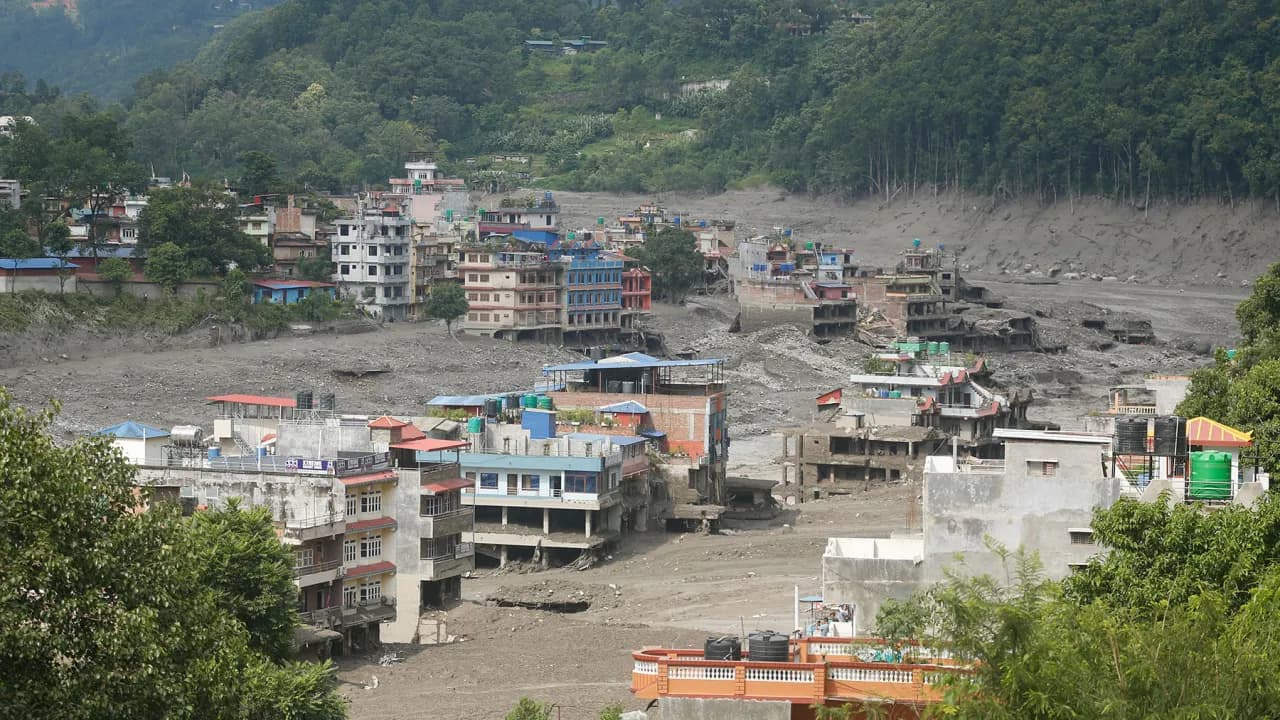
  • A flash flood in Nepal has resulted in at least 359 fatalities.
  • The Ministry of External Affairs (MEA) of India reported that as of August 27, 2026, approximately 290 Indian nationals are uncontactable, including groups from Tamil Nadu, West Bengal, and Kerala.

Humanitarian Assistance:

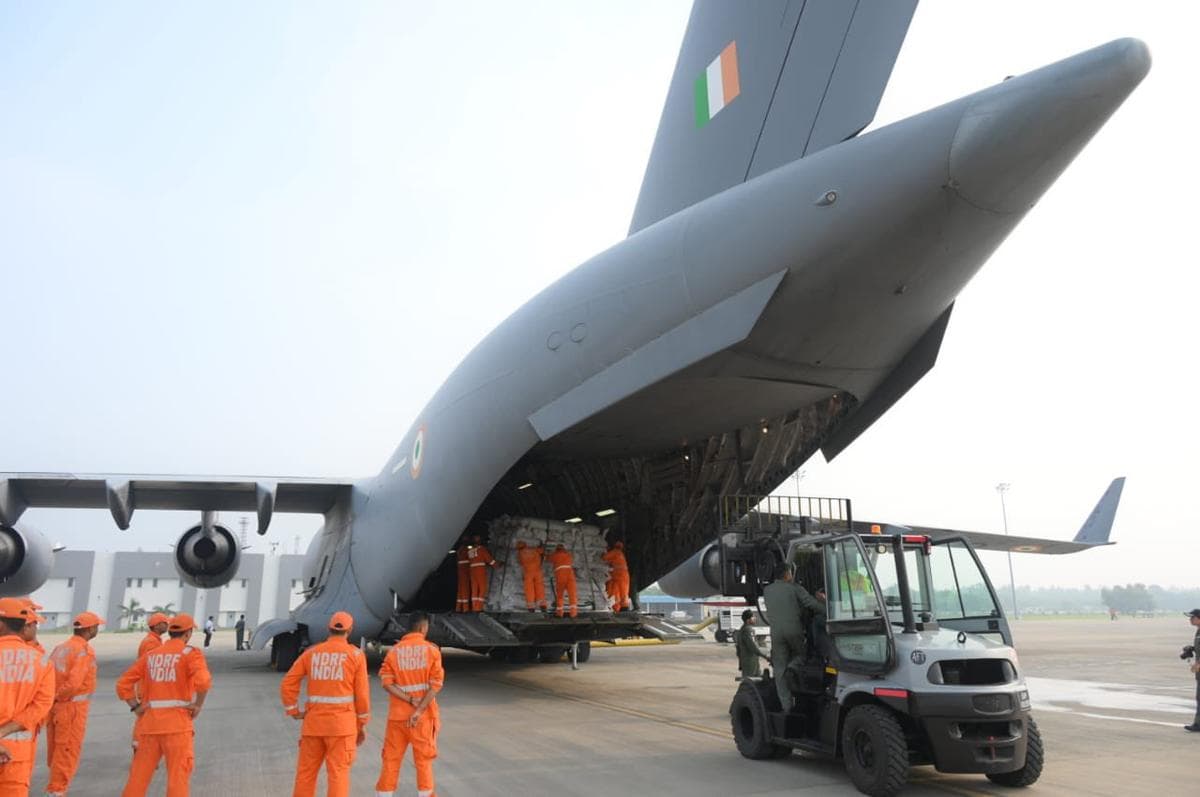
  • India has dispatched a second consignment of 37.5 tonnes of Humanitarian Assistance and Disaster Relief (HADR) material, consisting of medicines and food packets to support Nepal's disaster management efforts.
  • An initial aircraft carrying relief supplies was sent on August 26, 2026.

Rescue Operations:

  • At least 63 Indian nationals employed at the Trishuli-1 project and 21 Indians from Tamil Nadu have been rescued.
  • Ongoing search efforts are in place to locate missing individuals, complicated by a disrupted telecom network in the affected regions.

Government and Diplomacy:

  • External Affairs Minister S. Jaishankar conducted a review meeting with high-level MEA officials, including ambassadors to Nepal and China, emphasizing urgent efforts to ascertain the well-being of Indians in affected areas.
  • Coordination with the Nepali government has been highlighted as part of the response strategy.

Communication Challenges:

  • Officials noted difficulties in assessing the situation in the disaster-hit zone due to the lack of a stable telecom network.

Public Concern:

  • Families of unaccounted Indians have turned to social media to express their worries regarding their loved ones' safety.

Further Actions:

  • MEA pledges to provide additional support as further assessments and recovery efforts unfold.

This ongoing situation emphasizes the importance of disaster management protocols and international cooperation in humanitarian efforts following natural calamities.

India and China Agree on Border Management
International Relations27-Aug-2026

India and China Agree on Border Management

Summary of India-China Boundary Discussions

Background & Context:

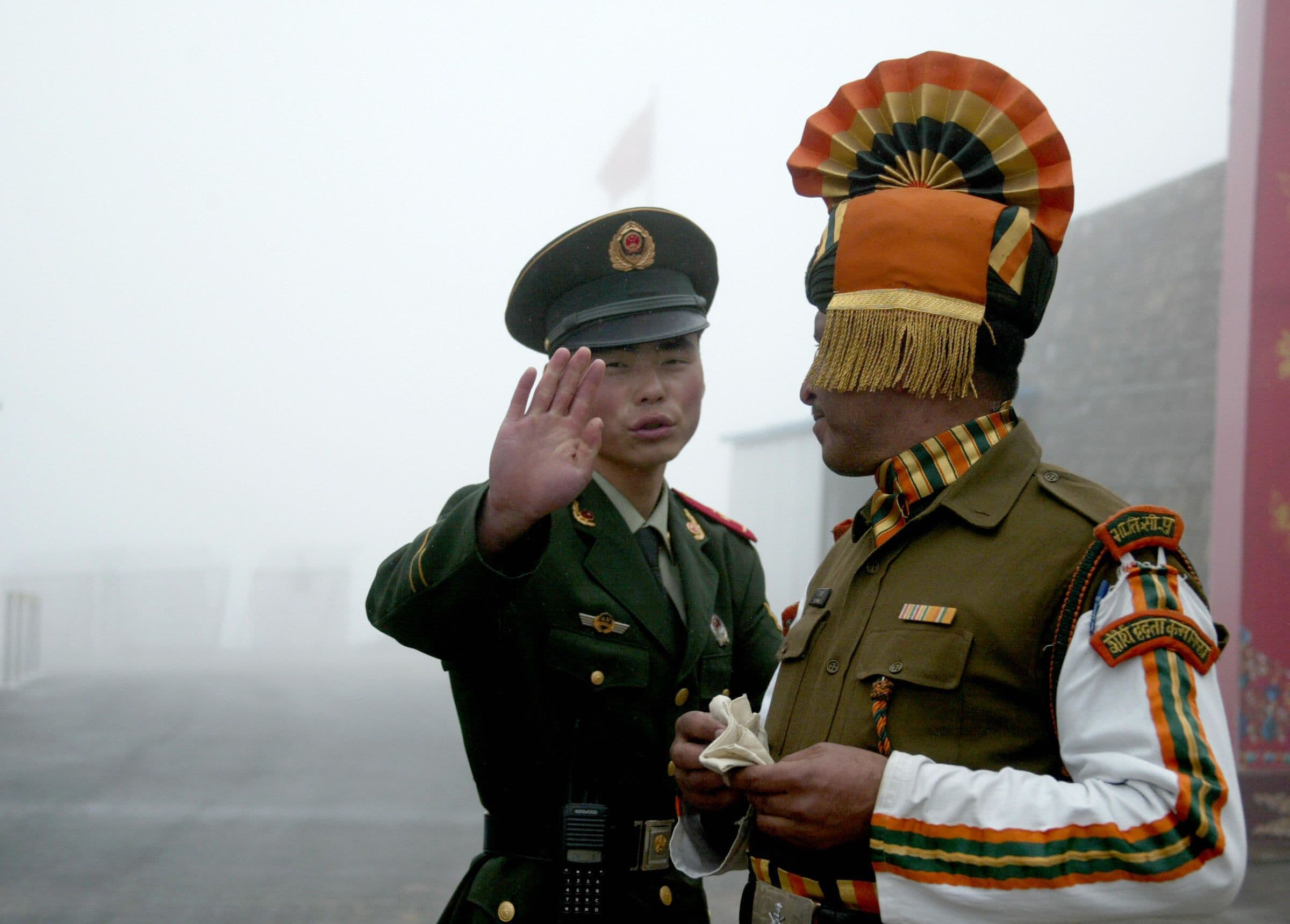
  • Recent talks between Special Representatives (SRs) on the boundary question resulted in substantial outcomes for managing the disputed borders between India and China.

Key Points from the Eight-Point Consensus:

  1. Boundary Delimitation: Both countries have agreed to further discussions on “an early and substantial harvest of boundary delimitation.”
  2. Trans-Border Rivers: A meeting of an expert-level mechanism on trans-border rivers will be held next month, focusing on hydrological data sharing—a point India has emphasized.
  3. Military Communication:
    • Two additional meetings for military commander discussions will be established.
    • New hotlines will be created for communication in the Eastern and Middle Sectors.

Diplomatic Engagement:

  • The visit of National Security Adviser Ajit Doval and China's Foreign Minister Wang Yi underscores ongoing efforts for peace along the Line of Actual Control (LAC).
  • The meeting took place ahead of the upcoming BRICS Summit, highlighting the importance both nations place on diplomatic relations.
  • Anticipation surrounds the expected visit of Chinese President Xi Jinping, marking his first visit to India in seven years.

Historical Agreements:

  • The engagement strategy follows the October 2024 meeting between Prime Minister Narendra Modi and President Xi, with further discussions in Tianjin in 2025, indicating a calibrated effort towards normalcy in relations.
  • The duo maintains stability via the dual tracks of SR meetings and the Working Mechanism for Consultation and Coordination on border affairs.

Constitutional Reference:

  • Both parties reaffirmed the 2005 agreement on Political Parameters and Guiding Principles, which serves as the framework for delineating the boundary as per Article 10 of the agreement.

Need for Transparency:

  • While tangible progress on the border dispute is encouraged, the lack of public visibility around the agreements could breed suspicion. It's crucial for both nations to maintain transparency with their respective populations as negotiations unfold.

Conclusion: Ongoing discussions and agreements indicate a robust diplomatic effort to normalize relations and manage border tensions effectively, but clarity and public confidence are key factors for sustaining this momentum.

India's Support for Flood-Affected Nepal
International Relations26-Aug-2026

India's Support for Flood-Affected Nepal

  • Humanitarian Assistance: Indian Prime Minister Narendra Modi expressed condolences to Nepal's Prime Minister Balendra Shah regarding the loss of lives and property due to recent floods in Nepal. Modi emphasized India's readiness to provide all possible humanitarian assistance to Nepal during this difficult time.

  • International Solidarity: The dialogue between the two Prime Ministers underscores the solidarity between India and Nepal, reflecting India's commitment to support its neighboring country in times of crisis.

  • Rescue and Relief Coordination: Indian teams are reportedly working closely with Nepali authorities to coordinate rescue and relief efforts, highlighting bilateral cooperation in disaster response.

  • Context of Flooding: While specific data on damages or casualties was not provided, the mention of floods indicates significant environmental challenges faced by Nepal, necessitating international support.

  • Diplomatic Communication: The communication was shared publicly via social media, showcasing the use of platforms for diplomatic engagement and public awareness.

This incident highlights the importance of international cooperation in disaster management and humanitarian assistance, reflecting Article 51 of the Indian Constitution, which promotes respect for international law and obligations.