iAspirants
Road Safety Concerns and Governance
Published on:
Share this post
Article Summary
Summary of Road Safety Challenges and Recommendations in India
Mortality Statistics:
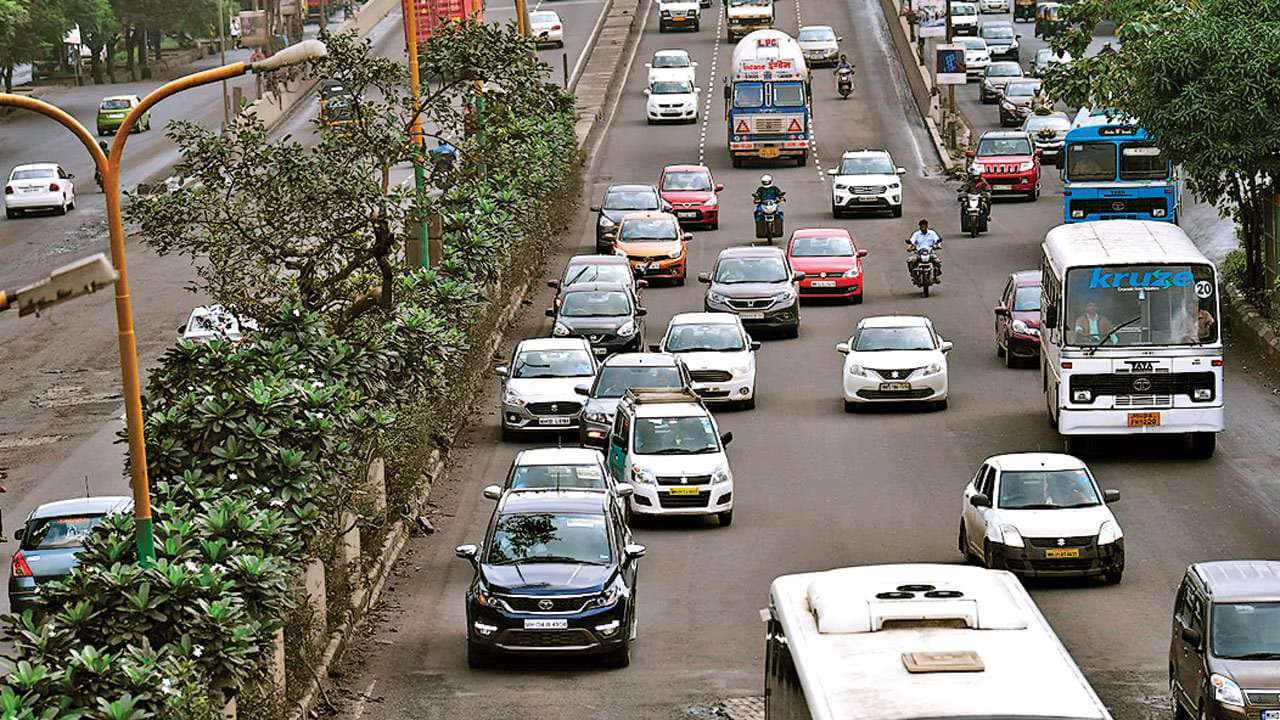
- Every three minutes, someone dies on Indian roads due to preventable accidents.
- Ministry of Road Transport and Highways: 1.77 lakh deaths reported in 2024.
- National Crime Records Bureau (NCRB) reported different figures:
- 1.75 lakh (Accidental Deaths and Suicides report)
- 1.81 lakh (Crime in India report).
- A discrepancy of nearly 6,000 lives among three different data sources.
Legal and Constitutional Issues:
- Supreme Court ruling in S. Rajaseekaran v. Union of India (2014) highlighted systemic failures in road safety.
- Road safety failure linked to Article 21 of the Constitution, which enshrines the right to life.
- Recognizes that road accidents are preventable and systemic governance failures lead to these casualties.
Government Structure and Responsibility:
- Jurisdiction over road safety divided among multiple constitutional lists: Union List, State List, and Concurrent List.
- Fragmentation of responsibilities leads to inadequate governance (e.g., linkage between road maintenance, policing, public health).
- National highways under Central Government; state roads and police regulations fall under State Government; vehicle regulation in the Concurrent List.
Proposed Reforms:
Institutional Framework:
- Creation of a Road Safety Coordination Council similar to the GST Council established by the 101st Constitutional Amendment Act, which would centralize road safety standards across federal and state jurisdictions.
Legislative Changes:
- Amend the Seventh Schedule of the Constitution to strengthen Parliament's legislative power over roads and traffic.
- Establish District Road Safety Committees by statute with definitive powers to enforce safety measures and hold states accountable.
Funding and Accountability:
- Current highway maintenance receives only 35-40% of the required funding.
- Need for tangible accountability mechanisms, as existing laws are not effectively enforced.
Historical Context:
- A precedent for structural reform exists where Parliament acted upon severe governance failures in other sectors.
Conclusion:
- Judicial interventions have occurred due to legislative inaction, indicating persistent issues in road safety governance. Immediate reforms in structural accountability and enhanced legislative power are required to mitigate preventable deaths on roads in India.
Key Terms & Concepts
| Ministry of Road Transport and Highways | Reported road deaths data |
| National Crime Records Bureau | Recorded accidental deaths statistics |
| S. Rajaseekaran v. Union of India (2014) | Supreme Court judgment on road safety |
| Article 21 | Constitutional right to life |
| 101st Constitutional Amendment Act | Established GST Council |
| Road Safety Coordination Council | Proposed institutional framework |
| District Road Safety Committees | Mandated by Parliament for local governance |
| Accidental Deaths and Suicides report | Compiles death data from accidents |
| Highway maintenance funding | Inadequate financial allocation |
| Emergency care facilities | Inadequate ambulance and trauma centres |