iAspirants
Revised Green India Mission Focus
Published on:
Share this post

Article Summary
The Government of India is revising the Green India Mission (GIM), originally established in 2014, to address ecological challenges in vulnerable landscapes, specifically focusing on the Aravalli Range, the Western Ghats, and the Himalayas. This initiative is vital for fulfilling India's climate commitments, biodiversity conservation, and ensuring food and water security. The GIM has contributed to an increase in the country’s tree cover but has faced criticism for a plantation-centered approach that overlooks broader ecological revival goals.
Key points from the revised GIM include:
- Focus Areas: The new GIM emphasizes restoring vulnerable ecological landscapes and better targeting micro-climatic zones through best practices adapted to regional conditions.
- Income Generation: A significant shortcoming of the original GIM was its failure to create income-generating opportunities for communities dependent on these ecosystems, a concern the revised document addresses.
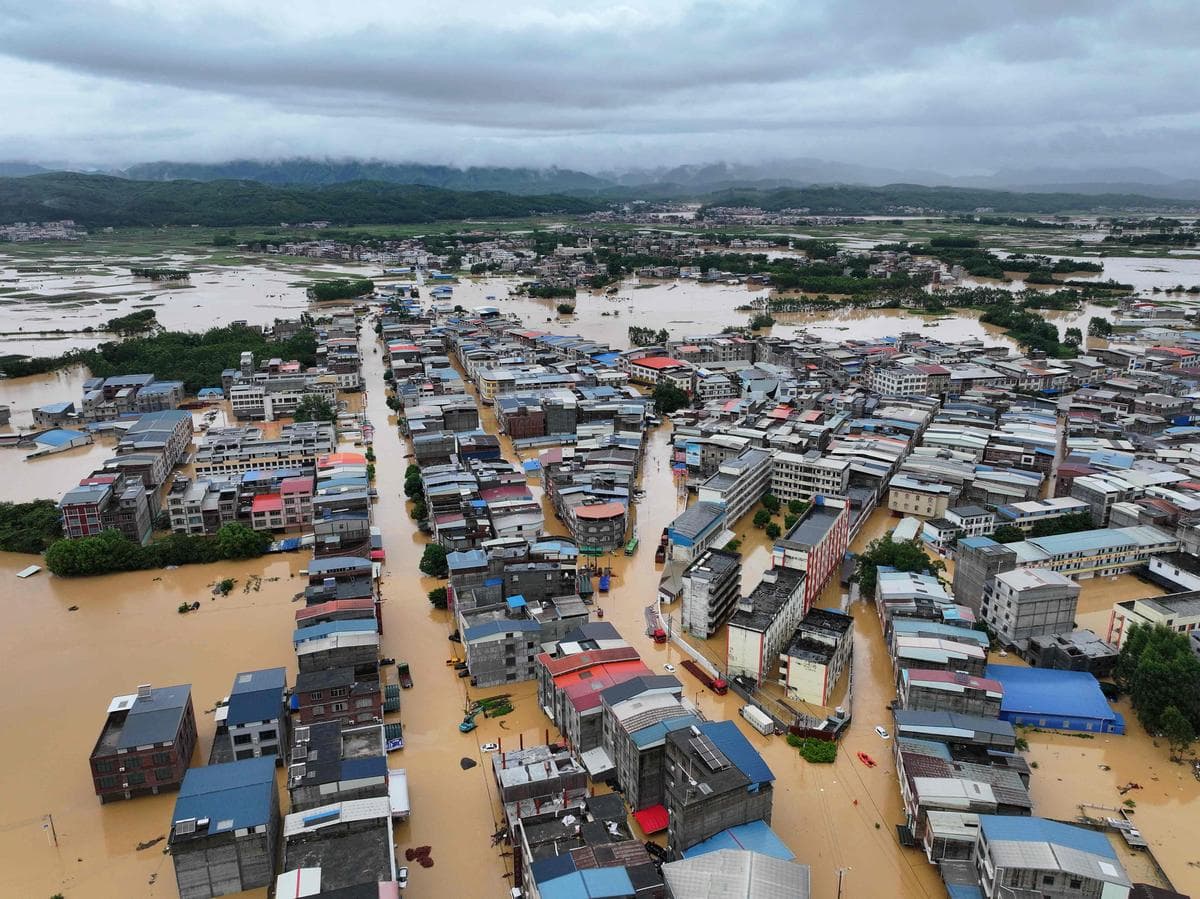
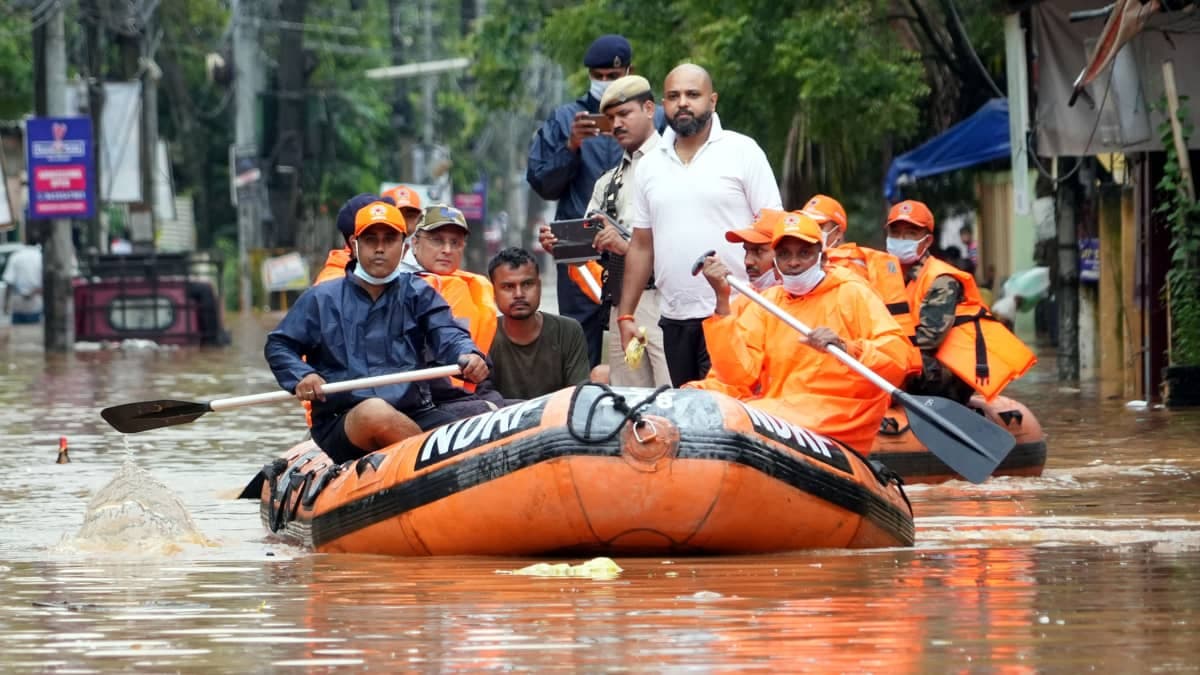
- Environmental Challenges: The Western Ghats, Aravalli range, and Himalayan regions are affected by deforestation, human-wildlife conflicts, and erratic rainfall, worsened by unregulated tourism and infrastructure development. A notable incident was the devastating landslide in Wayanad, emphasizing the need for a more resilient environment.
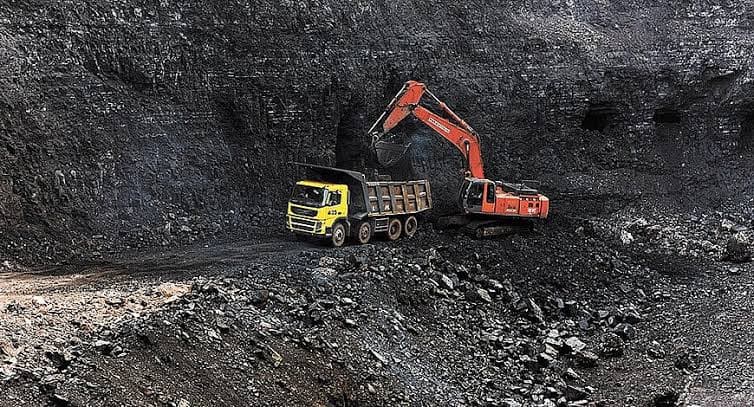
- Degradation Due to Human Activity: Studies have reported severe degradation in these regions due to illegal activities, such as tree felling and mining, leading to ecological threats including desertification in the Aravalli range, which is contributing to pollution levels in the National Capital Region.
- Environmental-Development Conflict: Restoration efforts have been hindered by a dichotomy between environmental protection and developmental needs, as illustrated by recommendations from the 2011 Gadgil Committee that sought to regulate activities in the Western Ghats but faced widespread political resistance. The Kasturirangan Committee’s suggestions have similarly not been implemented effectively.
- Court Rulings on Environmental Protection: Despite Supreme Court orders aimed at curbing illegal quarrying in the Aravalli range, such activities persist, indicating a lack of enforcement of judicial directives.
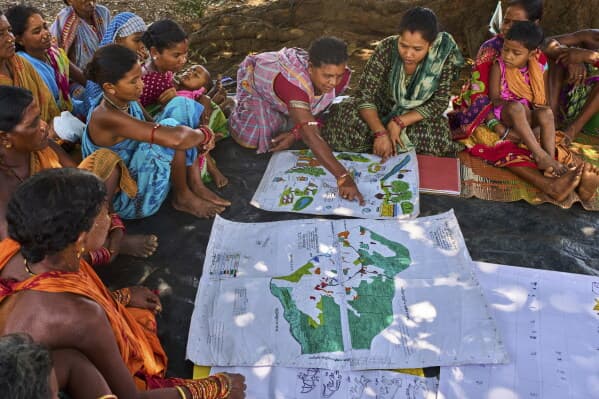
- Societal Inclusion: A significant challenge for the revised GIM is to align ecological restoration efforts with the livelihoods of local communities. Mobilizing social empowerment and public participation in green initiatives is crucial for long-term success.
In conclusion, the revamped Green India Mission aims to address critical ecological issues while also integrating socio-economic dimensions to create sustainable livelihoods for those reliant on these natural ecosystems. The mission’s success will depend on effectively balancing environmental protection with developmental priorities and engaging community stakeholders.
Important Sentences:
- The Government of India is revising the Green India Mission (GIM) to address ecological challenges in vulnerable landscapes, focusing on the Aravalli Range, Western Ghats, and Himalayas.
- The GIM is essential for fulfilling India’s climate commitments, biodiversity conservation, and ensuring food and water security.
- The revised GIM emphasizes restoration through best practices adapted to regional conditions and aims to generate income opportunities for communities.
- Environmental degradation in the Western Ghats, Aravalli, and Himalayas includes deforestation, human-wildlife conflicts, and erratic rainfall.
- Past regulatory recommendations for environmental protection faced political resistance, and suggestions have often remained unenforced.
- The challenge for the revised GIM is to engage local communities and align ecological restoration with livelihood generation for sustainable outcomes.
Key Terms & Concepts
| Green India Mission | environmental restoration initiative |
| Aravalli range | vulnerable landscape area |
| Western Ghats | major ecological hotspot |
| Himalaya | important ecological region |
| Wayanad | site of landslide disaster |
| Thar Desert | area suffering pollution issue |
| K Kasturirangan panel | recommendation panel |
| Madhav Gadgil | panel chair for ecological needs |
| Supreme Court | legal authority ordered regulation |