iAspirants
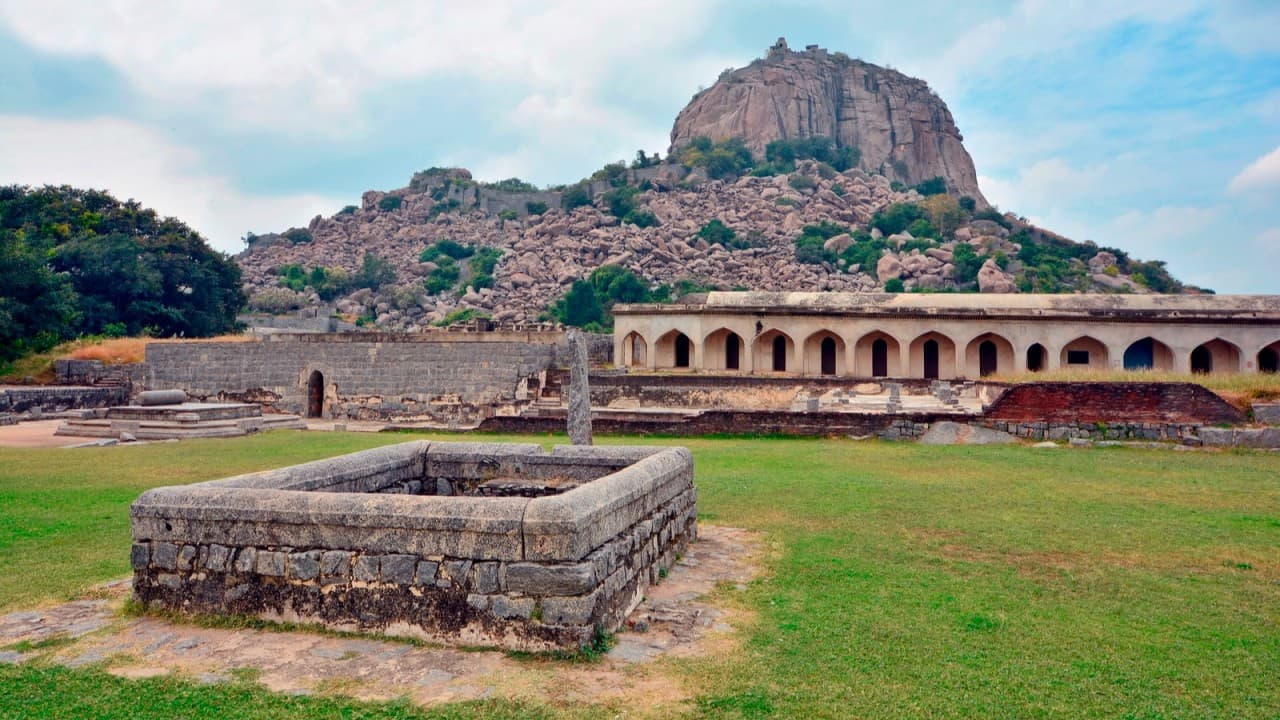
Restoration of Gingee Memorial Nears Completion
Published on:
Share this post
Article Summary
Exam-Focused Notes on the Restoration of the Memorial in Ranipet
1. Restoration Project Overview:
- Location: Ranipet town, along the banks of the Palar River.
- Cost: ₹8.90 crore funded by the State government.
- Executing Body: Public Works Department (PWD).
- Restoration Phases: Conducted in two phases.
2. Historical Significance:
- Memorial dedicated to Raja Tej Singh (1693-1714) of Gingee and his wife, Rani Bai.
- Raja Tej Singh was a Rajput ruler known for his autonomy and resistance against the Nawab of Arcot.
- Following his death in a conflict with Nawab Saadatullah Khan, a memorial was built by the Nawab to honor the royal family.
- Ranipet town was named in memory of Rani Bai, who performed sati after Raja Tej Singh's death.
3. Architectural Features:
- The memorial spans six acres and includes:
- Two tombs (one for Raja Tej Singh and one for Rani Bai).
- A central pillar and a vast granite floor.
- Restoration involved:
- Rebuilding damaged tomb sections using brick-and-mortar techniques.
- Stone masonry using rare green stones.
- Construction of an eight-foot retaining wall to prevent water seepage.
4. Visitor Amenities:
- Development of a children’s park with seating, washrooms, and water taps.
- Installation of LED lights and a compound wall to enhance safety.
- Construction of a 150-meter approach road for better accessibility.
5. Heritage Display:
- Plans to showcase a short history of the memorial for educational purposes and to enhance visitor experience.
6. Local Historical Context:
- Raja Tej Singh was the son of Raja Swarup Singh Bundela, a commander under Mughal Emperor Aurangzeb and later a feudatory chief of Gingee.
- The conflict between Raja Tej Singh and Nawab Saadatullah Khan stemmed from the demand for tribute payments to the Mughals, which Tej Singh refused, leading to his eventual death and the subsequent memorialization.
7. Relevant Authorities:
- Oversight by local officials including PWD, museum officials, and the Collector, N. Priya.
Key Takeaways:
- The restoration reflects both cultural heritage and historical remembrance.
- It showcases government investment in preserving historical sites.
- The initiative also aims to enhance local tourism and education regarding regional history.
This summary encapsulates the significant aspects of the restoration project, its historical context, architectural details, and community engagement efforts, making it a valuable study resource.
Key Terms & Concepts
| Gingee | Location of the memorial |
| Palar River | River near the memorial |
| ₹8.90 crore | Cost of restoration work |
| Public Works Department (PWD) | Executing restoration work |
| Raja Tej Singh | Rajput ruler of Gingee |
| Saadatullah Khan | Nawab of Arcot during conflict |
| 1714 | Year of Raja Tej Singh's death |
| Rani Bai | Young queen of Gingee |
| sati | Practice performed by Rani Bai |
| six acres | Area of the memorial site |
| LED lights | Part of restoration work |
| children’s park | Facility for visitors |
| 150 metres | Length of approach road |