iAspirants
Protest Against Government's Indifference
Published on:
Share this post
Article Summary
Summary of Key Points and Developments
Context
- Location: Jantar Mantar, Delhi
- Main Figure: Sonam Wangchuk, a climate activist and reformer.
- Event: Hunger strike to protest against NEET-UG paper leaks and demand accountability from the government.
Government and Legal Responses
- Delhi Police intervened on July 18, removing Wangchuk from his hunger strike under medical care.
- Wangchuk's wife indicated that he would end his fast if the government addressed the NEET-UG issue or if political leaders promised to raise the matter in Parliament.
Constitutional and Civic Elements
- The movement echoes democratic principles, emphasizing government accountability to the people.
- It highlights civil disobedience as a method rooted in Indian historical context, particularly akin to Mahatma Gandhi's Salt March of 1930.
Political and Social Dynamics
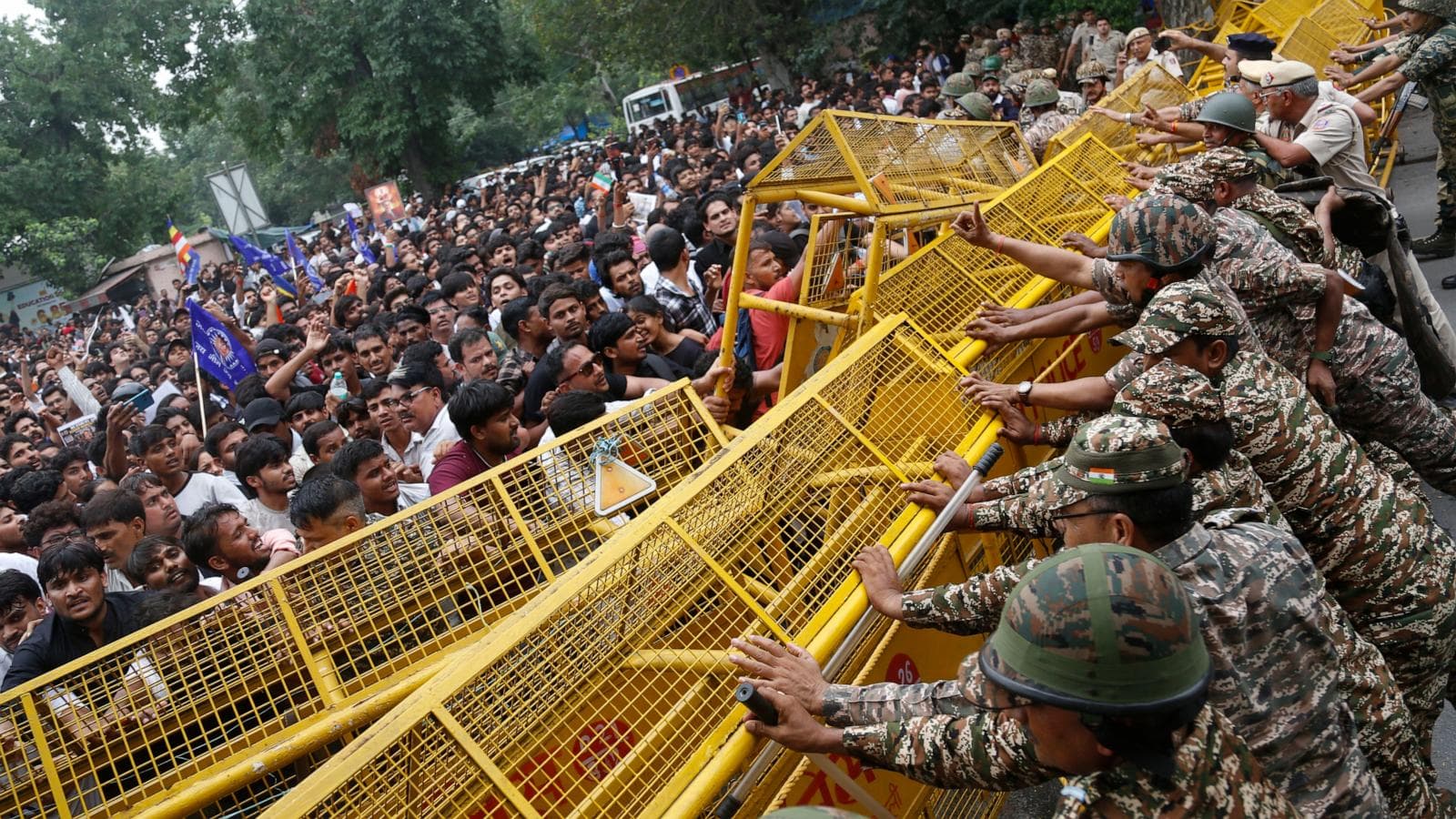
- The protest saw a diverse group of young participants, described as a new generation experiencing the act of dissent for the first time.
- Wangchuk has become a symbol of political conscience, linking marginal identities to national movements, fostering unity in diversity.
Public Engagement and Protest Dynamics
- The July 20 protest reported an unprecedented turnout, surpassing numbers seen during previous major protests (e.g., anti-CAA protests).
- Police actions, including lathi charges and tear gas, were interpreted by protesters as desperation and immorality from the state.
- Reference to Vaclav Havel’s concept of dissent as “living within the truth” indicates a revival of active civic engagement.
Strategic and Future Movements
- Wangchuk has extended his hunger strike in response to police brutality witnessed during the protests.
- The collective movement (CJP protesters) has reaffirmed its place at Jantar Mantar, continuing to pursue demands made to Union Minister J.P. Nadda.
- The movement's longevity is attributed to collective identity and diverse voices, transcending any single individual's role.
Reflection on Democratic Values
- The core achievement of the movement, as articulated, revolves around reawakening public spirit and the refusal to submit to despair or resignation, showcasing a strong commitment to democratic engagement.
Conclusions
- The protest signifies a crucial moment for youth engagement in democratic processes.
- The emphasis on collective identity and political activism illustrates a shift toward broader participation and awareness among the Indian populace regarding accountability and governance.
Key Terms & Concepts
| Sonam Wangchuk | Climate activist and reformer |
| NEET-UG | Entrance exam paper leaks |
| Delhi Police | Enforcement during protests |
| Safdarjung Hospital | Medical facility for activists |
| Jantar Mantar | Protest site in Delhi |
| July 20, 2026 | Date of significant protest |
| CJP (Citizens for Justice and Peace) | Association of protesters |
| Union Education Minister | Target of resignation demand |
| Gandhi's Salt March | Historical reference for protest |
| Vaclav Havel | Philosopher on dissent |