iAspirants
Pakistan, Saudi Arabia, Türkiye Defense Pact
Published on:
Share this post
Article Summary
Summary of the Joint Defence Agreement Among Pakistan, Saudi Arabia, and Türkiye
Key Facts:
- Agreement Date & Location: Signed on August 7, 2026, in Mecca.
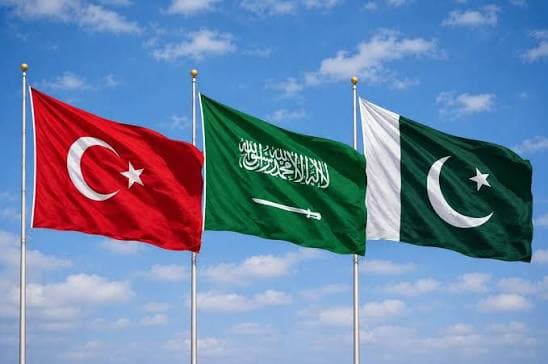
- Parties Involved: Pakistan, Saudi Arabia, and Türkiye.
- Strategic Context: The agreement arises amidst heightened security concerns due to ongoing conflicts in the region, particularly involving Iran and Israel.
Objectives of the Agreement:
- Collective Security: The countries pledged to regard an armed attack against one as an attack against all, aiming to enhance collective security and deterrence.
- Military Cooperation: The alliance seeks to deepen defence cooperation and military interoperability among the three nations.
Strategic Importance:
- Military Capabilities:
- Pakistan: A nuclear-armed nation with a significant military presence.
- Saudi Arabia: Major crude oil exporter with substantial financial resources and influence in the Muslim world.
- Türkiye: Developing military industrial base, notably in advanced drone technology.
Regional Security Dynamics:
- Shift in Alliances: The agreement reflects a shift away from reliance on U.S. security frameworks as regional powers seek new partnerships due to perceived reductions in American strategic presence.
- Historical Context: The trilateral framework aims to mend often strained relations, particularly between Saudi Arabia and Türkiye, in light of shared security threats.
Challenges:
- Ongoing Conflicts: The agreement's effectiveness is questioned due to existing conflicts, particularly the recent Iranian missile and drone attacks on Saudi Arabia.
- Credibility of Collective Defence: The promise of collective defence may be largely symbolic unless political commitments are transformed into effective deterrents.
Comparative Alliances:
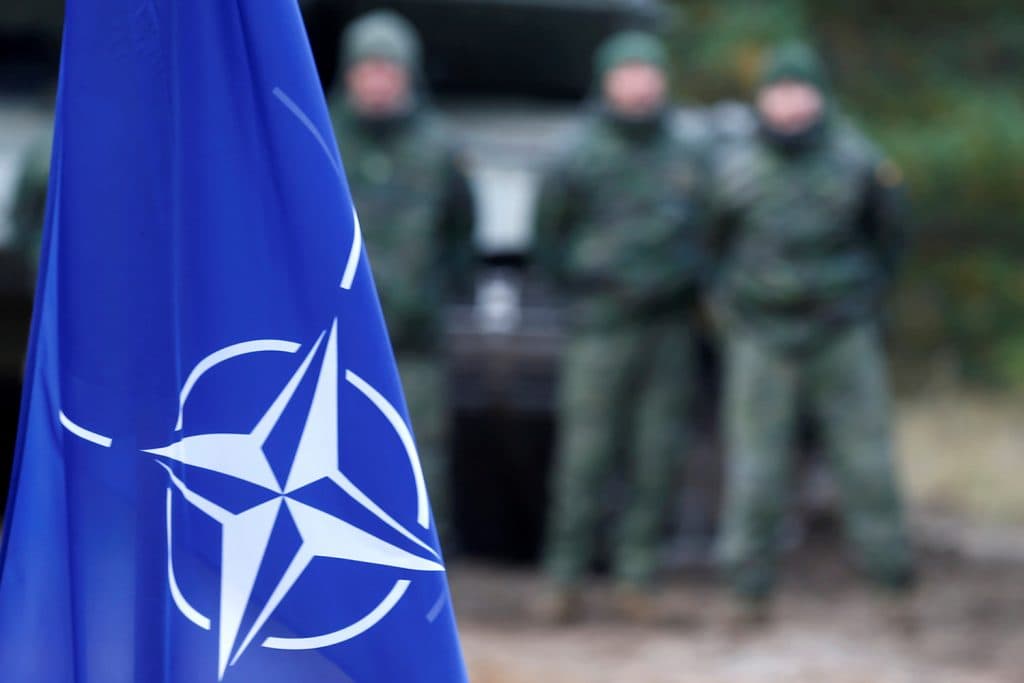
- The agreement draws parallels with collective security alliances like NATO and the Collective Security Treaty Organization (CSTO), which are primarily designed to deter conflicts.
Economic and Geopolitical Implications:
- Oil and Security: Saudi Arabia's economic influence as a leading oil exporter plays a critical role in the alliance's dynamics.
- Regional Power Dynamics: The partnership allows Pakistan to expand its influence in West Asia, traditionally overshadowed by India.
Conclusion:
The Mecca Agreement signifies a notable development in West Asia’s security architecture, reflecting the evolving geopolitical landscape and the increasing inclination of regional powers towards formal security pacts. However, the ongoing conflicts in the region cast doubt on the immediate effectiveness of the alliance. The real test will be the ability of the three nations to translate their commitment into tangible security outcomes.
Key Terms & Concepts
| Mecca Agreement | Trilateral defense pact |
| August 7, 2025 | Date of agreement signing |
| Pakistan | Nuclear-armed country |
| Saudi Arabia | Major crude oil exporter |
| Türkiye | Expanding military capabilities |
| Iran | Regional security concern |
| Israel | Involved in regional conflicts |
| U.S. bases | Target of Iranian attacks |
| NATO | Example of security alliance |
| CSTO | Example of security alliance |
| Operation Sindoor 2025 | Military operation reference |
| 2025 | Year of bilateral agreement announcement |