iAspirants
Current AffairsPrelims PYQsUPSC CSE SyllabusUPSC CSE StrategyBlogsPricing
Login
iAspirants

Your AI-powered companion for UPSC preparation.

Quick Links

  • Home
  • About Us
  • Current Affairs
  • Prelims PYQs
  • UPSC CSE Syllabus
  • UPSC CSE Strategy
  • Blogs

Company

  • Pricing
  • FAQs
  • Contact Us
  • Login

Legal

  • Privacy Policy
  • Terms & Conditions
  • Return Policy

© 2025 iAspirants, Inc. All rights reserved.

  1. Blogs
  2. Polity and Governance

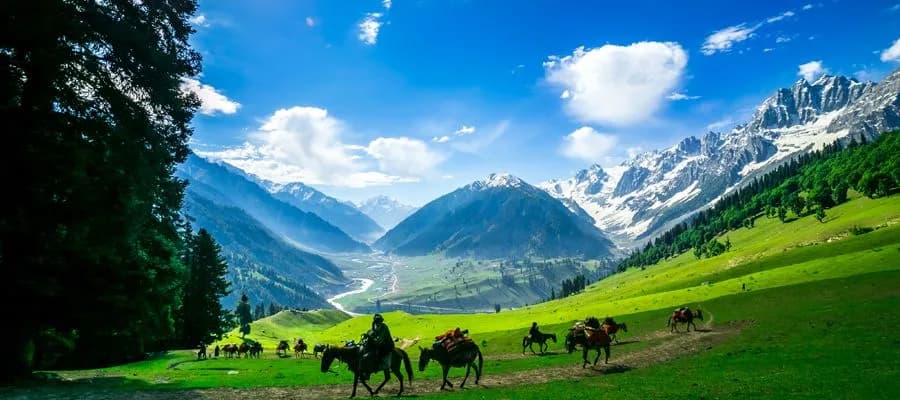
Opportunities and Challenges in Jammu

Published on: 31-Aug-2026

Share this post

Opportunities and Challenges in Jammu

Article Summary

Key Points on Jammu and Kashmir's Current Status and Future Directions

Constitutional References:

  • Article 370: Abrogated in August 2019, which granted special status to Jammu and Kashmir. Post-abrogation, the focus is on integration and development.

Economic and Social Development:

  • Focus Areas: Emphasis on building universities, supporting entrepreneurship, and investing in sectors such as horticulture, tourism, and creative industries.
  • Youth Retention: A call to create an environment where talented youth can thrive in Jammu and Kashmir, reversing the trend of migration for better opportunities.

Security and Governance:

  • Security Improvements: Post-abrogation, the security environment has reportedly improved, leading to more predictable daily life for residents.
  • Democratic Engagement: The upcoming 2024 Assembly elections are seen as pivotal for normalizing governance and fostering democratic practices. The elections are expected to focus on local issues such as jobs, healthcare, and infrastructure rather than sovereignty debates.

Societal Integration:

  • Belonging vs. Integration: The discourse has shifted from merely integrating territory to ensuring that every citizen feels a sense of belonging. This reflects the complex relationship between the state and its citizens in Jammu and Kashmir.

Challenges Ahead:

  • Prolonged Hopelessness: Mr. Mattoo warns that continued despair in a conflict-affected society can lead to dangerous outcomes, underscoring the need for proactive measures to foster hope and engagement.

Educational and Technological Investments:

  • Infrastructure Development: The need for building educational institutions and promoting technology as a means to empower the local population and foster innovation.

Overall Vision:

  • Future of Jammu and Kashmir: The next decade is critical for transforming Jammu and Kashmir into a region that retains its talent and promotes growth, rather than being a place where ambition must leave.

This summary encapsulates the current discourse surrounding Jammu and Kashmir, focusing on the importance of statehood restoration, economic development, security improvements, and the need for a sense of belonging among its citizens.

Key Terms & Concepts

Article 370Abrogation impacts local governance
2024 Assembly electionWatershed moment for democracy
V. N. Bahadur Memorial LecturePlatform for discussing J&K issues
Jammu and KashmirRegion facing integration challenges
Jawaharlal Nehru UniversityInstitution supporting dialogue
Security environmentImproved since Article 370 abrogation
Local talent retentionFocus for future development
Horticulture, tourism, creative industriesSectors for investment and growth

Mind Map for UPSC Civil Services Revision

Turn UPSC Civil Services Current Affairs Into Exam-Ready Notes

Reading Polity and Governance current affairs is half the work. Revise them with ready-made notes and test what actually stuck.

  • Daily UPSC Civil Services current affairs analysis
  • Revision notes, mind maps & MCQs
  • Prelims mock tests with instant results

Related UPSC Civil Services Current Affairs Articles

Judiciary's Response to Economic Crime
Polity and Governance30-Aug-2026

Judiciary's Response to Economic Crime

Key Highlights from the 43rd International Symposium on Economic Crime

Constitutional and Legal Framework

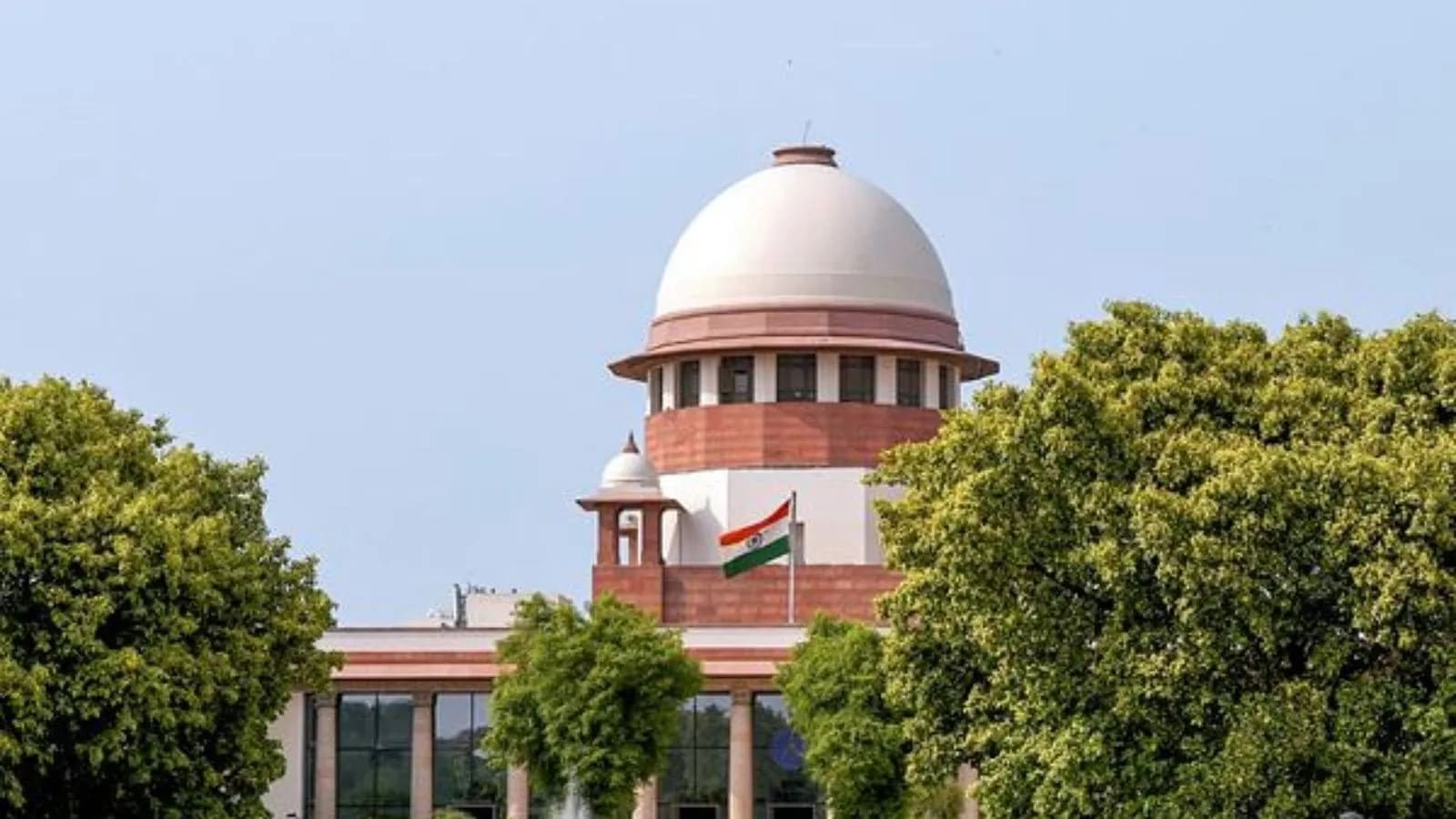
  • Judicial Response: The Chief Justice of India (CJI) emphasized the proactive role of the Indian judiciary in addressing economic crimes, referencing the Supreme Court's recent suo motu cognizance of the "digital arrest" scam.
  • Legislation: Key laws mentioned include:
    • Prevention of Money Laundering Act (PMLA), 2002: Targeting money laundering and related financial crimes.
    • Fugitive Economic Offenders Act, 2018: Aimed at tackling offenders who flee the country to evade prosecution.
    • Insolvency and Bankruptcy Code, 2016: Allows for civil recovery processes alongside ongoing criminal proceedings.
  • Judicial Principles

    • Due Process: The CJI highlighted the principles of due process, proportionality, and the presumption of innocence as core tenets guiding judicial decisions.
    • Judicial Intervention: Instances of misuse of the PMLA were noted, with the judiciary stepping in to ensure fair treatment of the accused, including a requirement for written grounds for arrest.

    Economic Context

    • Global Money Laundering Estimates: The CJI cited staggering statistics, suggesting that global money laundering could fund a modest laptop for every person on Earth, with only 1% of illicit wealth being recovered.
    • Mutual Legal Assistance Treaties: The CJI advocated for these treaties as more effective for asset recovery than extradition processes, underscoring the global nature of economic crime.

    Historical References

    • Kautilya's Arthashastra: The CJI invoked historical wisdom from Kautilya, emphasizing the challenges of economic governance and the inevitability of corruption.

    Recommendations for Action

    • CJI called for vigilance, cooperation, and adherence to the rule of law to combat economic fraud, urging participants to translate discussions into actionable measures in their jurisdictions.

    Conclusion

    The symposium highlighted the necessity for a multi-layered legal approach to economic crimes, the importance of judicial oversight, and the need for international cooperation to tackle illicit financial activities effectively.

    Human Rights Commission Investigates Infant Deaths
    Polity and Governance28-Aug-2026

    Human Rights Commission Investigates Infant Deaths

    • Incident Overview: The National Human Rights Commission (NHRC) has taken cognizance of the reported deaths of at least 60 newborns at Malda Medical College and Hospital in West Bengal during the first three weeks of August 2026.

    • Details of Deaths: Reports indicate that on a single day, ten newborns died in the hospital. Among the deceased, 44 were referred to the hospital due to deteriorating health conditions.

    • Human Rights Concern: The NHRC stated that if the facts reported are true, it represents a serious violation of human rights.

    • Action Taken by NHRC: The NHRC has issued a notice to the Chief Secretary of West Bengal, demanding a detailed report on the matter within two weeks.

    • Constitutional Reference: The incident raises concerns under Article 21 of the Indian Constitution, which guarantees the right to life and personal liberty, implying the right to adequate healthcare and protection of vulnerable populations, such as newborns.

    • Health Sector Implications: This situation highlights the critical issues within the healthcare system, particularly in reference to maternal and child health services, and the need for accountability and quality care in government hospitals.

    • Government Response: The West Bengal government is expected to respond to the NHRC's notice and provide insights into the healthcare facilities and measures in place to prevent such incidents.

    • Broader Context: This incident may lead to discussions on healthcare reforms, monitoring of medical institutions, and the implementation of effective health policies to safeguard the rights of patients, especially infants.

    • Potential Future Actions: Based on the NHRC's findings, further investigations could be initiated, and there may be recommendations for systemic changes in healthcare practices and policies in West Bengal and beyond.

    This summary encapsulates the critical facts and implications arising from the reported incident at Malda Medical College and Hospital, highlighting issues of human rights and healthcare accountability in India.

    Landmark Judgment in Sex Trafficking Case
    Polity and Governance28-Aug-2026

    Landmark Judgment in Sex Trafficking Case

    Summary of Prajwala vs. Union of India - Supreme Court Judgment (May 2026)

    1. Judicial Context:

      • The ruling was delivered by Justices J.B. Pardiwala and R. Mahadevan of the Supreme Court, marking a historic shift in recognizing the rights of sex-trafficked persons within the criminal justice framework.
    2. Background:

      • Originated from a 22-year-long public interest litigation by Prajwala, an anti-trafficking organization.
      • Motivated by systemic failures and institutional neglect in addressing the plight of trafficked individuals.
    3. Key Developments:

      • Led to the creation of significant government schemes including:
        • Ujjwala Scheme: Aimed at establishing safe homes for victims.
        • National Legal Services Authority (Victims of Trafficking and Commercial Sexual Exploitation) Scheme.
      • The scenario of victims remained largely unchanged despite these initiatives until the ruling.
    Tribal Students Demand Government Attention
    Polity and Governance28-Aug-2026

    Tribal Students Demand Government Attention

    Summary of Recent Tribal Student Protests in Maharashtra

    Background

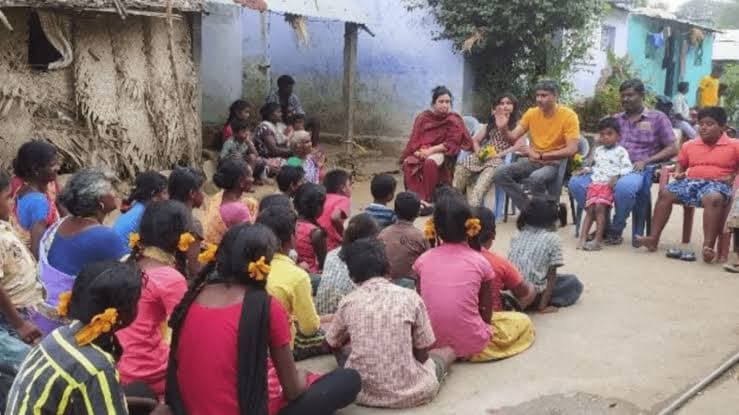
    • A hunger strike by tribal students commenced on August 12-13, 2026, at the Manjari Scheduled Tribes’ Hostel, near Pune, following various grievances. The protesters include around 70-80 students organized by gender, depicting significant youth mobilization.

    Key Issues Raised

    • Government Job Vacancies: Protesters are demanding the filling of 12,500 government job positions for tribals, as upheld by a Supreme Court ruling in 2017.
    • Hostel Conditions: The students are advocating for improved infrastructure in hostels, including better kitchens and reading facilities.
    • Age Limit Policy: The immediate catalyst for protests was a government order capping the age limit for hostel stay at 26 years, which has now been revised to 30 years following protests.
    • Safety and Hygiene Concerns: Protesters have expressed concerns over the safety measures in hostels, requesting better security and hygiene practices.
    • Healthcare Support: Demands include health insurance for families affected by incidents such as the recent snakebite deaths of three tribal girls.
  • Judgment Highlights:

    • Recognition of Victims: Establishes that sex-trafficked persons should be treated with dignity and have their rights recognized, moving beyond the perception of assistance as mere charity.
    • Victim-Centric Approach: Aligns with constitutional provisions under Articles 32 and 142 of the Indian Constitution, emphasizing the entitlement of victims to rehabilitation and support.
    • Defining Victims: Acknowledges all women in sex work—including those coerced, those who have normalised trauma, and those who choose voluntarily—are classified as victims subject to exploitation.
    • Informed Consent: Reiterates that adult victims are entitled to informed consent regarding their choices and rehabilitation.
  • Victim Protection Plan:

    • Goes beyond a judicial order to provide a coherent framework for protecting victims’ rights during rescue and rehabilitation processes.
    • Mandates "threshold inquiries" by magistrates within a week of a rescue to ascertain the true consent of individuals.
    • Incorporates the role of social workers for assessment of coercion or voluntary involvement and provides clear protocols for rescue operations.
  • Operational Guidelines:

    • Identifies all anti-human trafficking units as police stations with defined roles for stakeholder responsibilities in victim support.
    • Requires that the victim's voice be integral to decisions regarding their futures.
  • Implementation:

    • The plan serves as interim law until Parliament formulates new legislation, forming a significant leap in addressing the rights and dignity of sex-trafficked adult women within the justice system.
  • Importance of the Ruling:

    • Represent a paradigm shift towards a system where victims are treated as agents of their own lives, marking a transformative approach in legal practices concerning sex trafficking in India.
  • This judgment serves as a crucial regulatory milestone aimed at eradication of sex trafficking and promoting justice within the framework of human rights.

    Government Response

    • The Maharashtra government held multiple rounds of discussions with the protesters and accepted one of their demands—removing the age limit for hostel admission.
    • Commitment to address the protesters’ grievances has been demonstrated, although only one out of 14 demands has been officially recognized.

    Political Mobilization

    • Political figures, including Congress leader Rahul Gandhi, have publicly supported the students, leveraging platforms such as the 'Chhatron ki Goonj' rally on August 22, which enhanced visibility for their struggles.

    Economic Context

    • Maharashtra houses approximately 59,020 students in 490 tribal hostels, highlighting the significant number of tribal students reliant on government facilities for education.
    • Compensation of ₹1 crore has been demanded for families of the deceased tribal girls, pointing to an exposed need for increased government accountability and support.

    Judicial Oversight

    • The Supreme Court's directive (2017) regarding government job vacancies for tribals underscores a legal framework supporting the rights and demands of the marginalized community.

    Mental Health and Medical Concerns

    • Protests have revealed severe conditions among hunger strikers, demanding immediate medical attention, emphasizing healthcare support as a critical issue among student demands.

    Conclusion

    The ongoing protests reflect deep-seated issues regarding the rights and welfare of tribal students in Maharashtra. Their fight underscores a notable intersection of education, employment, health, and safety, clashing with existing government policies and highlighting the need for significant reforms in tribal welfare programs. Continued mobilization and negotiation efforts appear crucial as both parties navigate toward potential resolutions.