 iAspirants
Northeast India Edible Beetle Study
Published on:
Source: The Hindu
Share this post
Article Summary
Study on Edible Beetles in Northeast India
Research Overview:
- Conducted by the Ashoka Trust for Research in Ecology and the Environment (ATREE), Bengaluru.
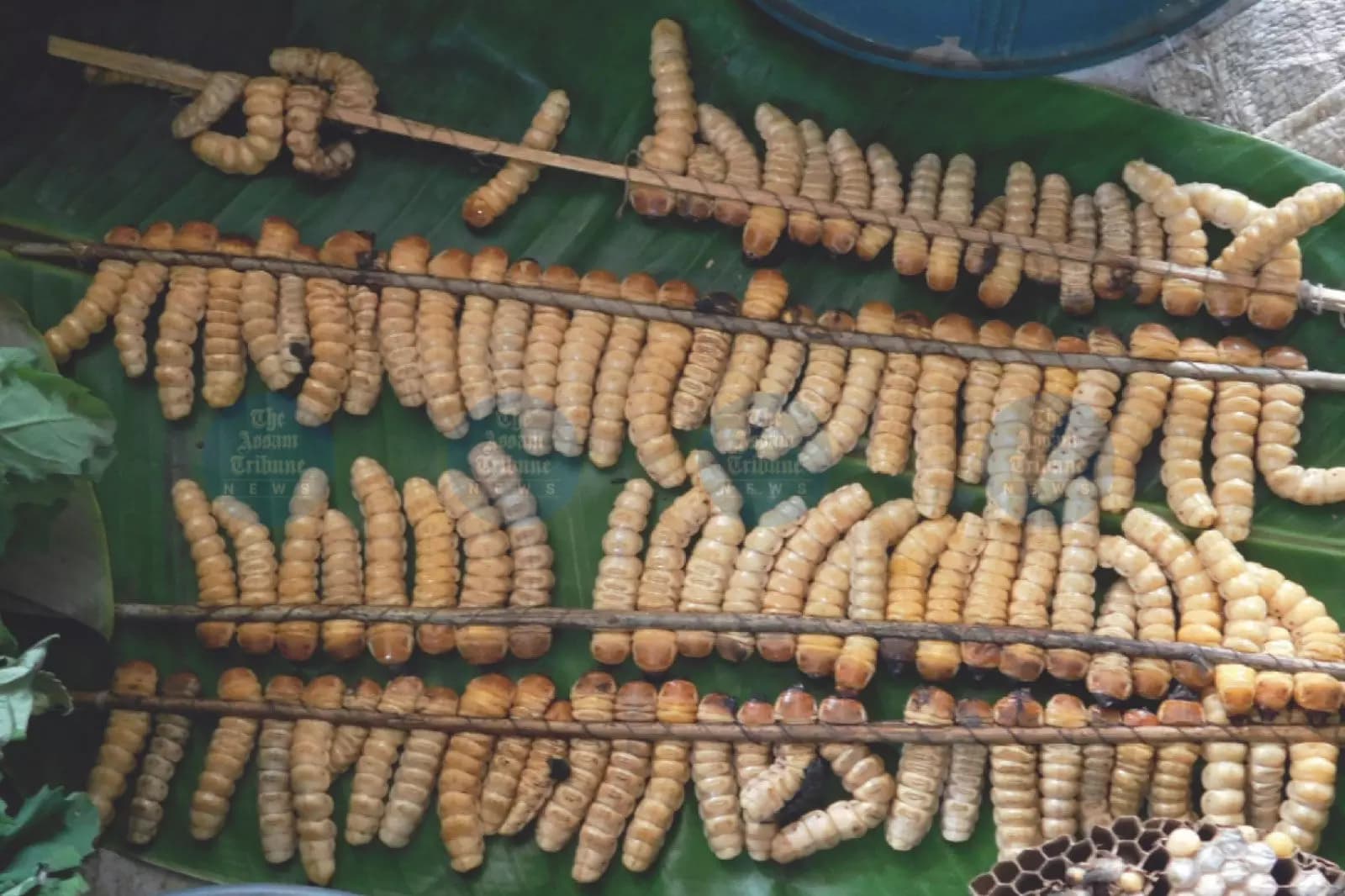
- Resulted in the documentation of 24 beetle species reported as edible for the first time globally and five with previously undocumented use in India.
- Total of 75 species identified as culinary beetles utilized by indigenous communities.
Methodology:
- Involved interviews with 162 individuals from nine indigenous communities across Arunachal Pradesh, Manipur, Mizoram, and Nagaland.
- Collected and scientifically identified beetles, alongside documenting:
- Harvesting seasons
- Methods
- Culinary practices
- Cultural beliefs
- Medicinal uses
Species and Habitat:
- Beetles collected from diverse habitats: forests, bamboo clusters, paddy fields, and wetlands.
- Consumption methods included boiling, roasting, or frying, often paired with bamboo shoots and local spices.
- Many species exhibited community-specific culinary practices with minimal overlap.
Nutritional Analysis:
- Protein content of the beetles ranged from 22.43% to 61% of dry weight.
- Highest protein levels recorded in coconut pest Oryctes rhinoceros and certain weevils, while aquatic beetles had lower protein content.
- Nutritional values highlighted variability among species and emphasized caution against generalization.
Environmental Context:
- The study addresses concerns regarding the sustainability of conventional livestock production, noting it contributes to approximately 14.5% of global greenhouse gas emissions.
- Insects as an alternative protein source can reduce land and water usage and emit fewer greenhouse gases.
Conservation Concerns:
- Reported decline of wood-boring beetle populations, with 79% of harvesters observing reductions over the last decade.
- Declines attributed to:
- Deforestation and habitat loss (63% of respondents).
- Overharvesting driven by market demand.
- Concerns voiced over unsustainable harvesting methods affecting forest health.
Recommendations for Sustainable Practices:
- Protecting natural habitats.
- Adopting harvesting practices suitable for specific seasons and life stages of beetles.
- Exploring potential for mass rearing of species.
- Involving indigenous communities in sustainable decision-making regarding insect harvesting.
Cultural and Traditional Knowledge:
- Emphasized the significance of documenting traditional knowledge concerning edible insects.
- Knowledge transfer sustained through oral traditions is crucial for conservation and sustainable use.
Significance:
- The study contributes to the understanding of cultural biodiversity in food systems and provides insights into sustainable practices that balance community dietary needs with environmental preservation.
This comprehensive study serves as a critical step toward recognizing and utilizing the ecological and nutritional value of edible insects while fostering sustainable harvesting approaches.
Key Terms & Concepts
| 24 beetle species | Newly documented as edible |
| 75 beetle species | Used for culinary purposes |
| Ashoka Trust for Research in Ecology and the Environment (ATREE) | Research conducting organization |
| npj Entomology | Publication journal of study |
| 162 people | Interviewed for research |
| Northeast India | Research location |
| Oryctes rhinoceros | Coconut pest with high protein |
| Cyrtotrachelus | Weevil genus with high protein |
| 14.5% of global greenhouse gas emissions | Contribution by livestock production |
| 79% of harvesters | Reported beetle population decline |
| 63% of those who reported declines | Attribution to deforestation |
| Harvesting practices | Recommended for sustainability |
