iAspirants
Current AffairsPrelims PYQsUPSC CSE SyllabusUPSC CSE StrategyBlogsPricing
Login
iAspirants

Your AI-powered companion for UPSC preparation.

Quick Links

  • Home
  • About Us
  • Current Affairs
  • Prelims PYQs
  • UPSC CSE Syllabus
  • UPSC CSE Strategy
  • Blogs

Company

  • Pricing
  • FAQs
  • Contact Us
  • Login

Legal

  • Privacy Policy
  • Terms & Conditions
  • Return Policy

© 2025 iAspirants, Inc. All rights reserved.

  1. Blogs
  2. Biodiversity

Mizoram Natural History Museum Recognized

Published on: 07-Jul-2026

Share this post

Mizoram Natural History Museum Recognized

Article Summary

Summary of the Notification of Mizoram Natural History Museum as a Biodiversity Repository

  1. Biodiversity Repository Notification:

    • The Mizoram Natural History Museum (NHM) has been designated as India's 21st biodiversity repository under the Biological Diversity Act, 2002, specifically Section 39.
    • This notification was issued by the Ministry of Environment, Forest and Climate Change on June 19, 2026, following recommendations from the National Biodiversity Authority.
  2. Significance:

    • This designation enhances biodiversity conservation and scientific documentation in the Indo-Burma biodiversity hotspot.
    • It plays a crucial role in the preservation, documentation, and scientific management of biological samples, thus ensuring the protection of India's biodiversity.
  3. Functionality of Biodiversity Repositories:

    • Repositories like NHM are vital components of India's biodiversity governance framework, focusing on the secure collection, conservation, documentation, and scientific management of authentic biological samples.
    • They support research, education, and sustainable use of biological resources.
  4. Collections and Expertise:

    • The NHM will preserve certified biological samples of a variety of flora and fauna, including ferns, macrofungi, reptiles, amphibians, fish, moths, beetles, and butterflies.
    • It will serve as a repository for type specimens of newly discovered species in the region.
  5. Biodiversity Statistics:

    • Mizoram and the broader northeastern region boast over 7,500 flowering plant species and more than 2,000 species of fauna.
    • The museum addresses a significant gap in the network of biodiversity repositories in India, particularly in the less-studied taxa such as ferns and macrofungi.
  6. Ecosystem Restoration and Conservation:

    • The repository will contribute to long-term conservation of India’s biological resources and play an important role in ecological restoration following habitat loss or natural disasters.
  7. Research and Collaboration:

    • The NHM has already demonstrated its scientific readiness by collecting and preserving over 500 samples, including herbarium sheets and water-preserved collections.
    • The multidisciplinary scientific team at NHM includes experts from Mizoram University, specializing in various taxonomic groups.
  8. Alignment with Global Biodiversity Goals:

    • This designation supports India’s National Biodiversity Strategy and Action Plan (2024-2030) and aligns with the Kunming-Montreal Global Biodiversity Framework Goal 4, which focuses on enhancing external biodiversity conservation and genetic diversity preservation.
  9. Role of Institutions:

    • The NHM will collaborate with the Mizoram State Biodiversity Board and regional research institutions, complementing existing repositories like the Botanical Survey of India and Zoological Survey of India.

This development marks a significant advancement in the conservation of biodiversity in India, emphasizing the importance of scientific research and the role of educational institutions in preserving the natural heritage.

Key Terms & Concepts

Biological Diversity Act, 2002Legislation for biodiversity protection
Mizoram UniversityInstitution managing the museum
National Biodiversity AuthorityAuthority recommending the designation
June 19, 2026Date of notification issuance
21st designated repositoryStatus of the museum in India
Northeast IndiaRegion of biodiversity hotspot
7500 flowering plantsDiversity of plant species
2000 animal speciesDiversity of animal species
Leptobrachium tamdilRecently discovered species
Kunming-Montreal Global Biodiversity FrameworkInternational biodiversity policy alignment
National Biodiversity Strategy and Action Plan (2024-2030)National biodiversity goals document

Mind Map for UPSC Civil Services Revision

Turn UPSC Civil Services Current Affairs Into Exam-Ready Notes

Reading Biodiversity current affairs is half the work. Revise them with ready-made notes and test what actually stuck.

  • Daily UPSC Civil Services current affairs analysis
  • Revision notes, mind maps & MCQs
  • Prelims mock tests with instant results

Related UPSC Civil Services Current Affairs Articles

International Conference on Climate Change
Environment and Ecology20-Sep-2026

International Conference on Climate Change

Exam-Focused Notes on International Conference on "Future of Environment and Climate Change"

Key Highlights:

  1. Event Overview:

    • Date: September 20, 2026
    • New Delhi
Location:
  • Organizer: National Green Tribunal (NGT)
  • Presidential Address:

    • President Droupadi Murmu emphasized the need for community-based and traditional knowledge-driven adaptation methods to combat climate change.
  • Impact of Climate Change:

    • Climate change leads to significant imbalances affecting human existence.
    • Associated issues include biodiversity loss, water crises, and soil erosion.
    • Serious implications on food security, health, and livelihoods.
  • Policy Framework:

    • A structured framework is essential for effective policy and action against climate change.
    • Involvement of not just governments and legal experts but also communities affected by climate change is crucial.
    • Special sensitivity towards the needs of vulnerable groups, including rural and tribal societies, small farmers, and women.
  • Role of Traditional Knowledge:

    • Traditional knowledge systems and local practices are critical for enhancing climate resilience.
    • Emphasis on community-based adaptation strategies.
  • Sustainable Forestry:

    • Sustainable afforestation plays a vital role in addressing climate challenges.
    • The goal of sustainable forestry is not just tree planting but also restoring healthy, self-sustaining ecosystems.
  • Climate Action Commitment:

    • Developing countries should chart a path that accommodates development while enhancing resilience to climate change.
    • Climate action commitments must align with national development needs and economic aspirations, ensuring technical feasibility.
  • Youth and Public Engagement:

    • India has made commendable efforts in raising environmental awareness through initiatives like Mission LiFE.
    • Emphasis on community participation to improve ecosystems.
  • Collaboration and Networking:

    • The conference brought together experts, judges, lawyers, and key stakeholders to discuss environmental issues.
    • Aimed at fostering inclusive policies and effective actions against climate change.
  • Future Directions:

    • Discussions and action plans from the conference are expected to pave the way for building a society capable of effectively addressing climate change.
  • Relevant Constitutional and Policy References:

    • Constitutional Provisions:
      • Article 48A: Protection and improvement of environment and safeguarding of forests and wildlife.
      • Article 51A(g): Fundamental duty to protect and improve the natural environment.

    Government Schemes and Initiatives:

    • Mission LiFE: Focuses on public engagement and awareness regarding environmental sustainability.

    Conclusion:

    The conference highlighted the critical need for integrated approaches involving traditional knowledge, community participation, and sustainable practices to combat climate change effectively. It underscored the importance of policies that resonate with the realities of vulnerable populations and promote a collaborative effort towards environmental resilience.

    Himalayan Monal's Habitat Under Threat
    Biodiversity19-Sep-2026

    Himalayan Monal's Habitat Under Threat

    Summary Notes on Himalayan Monal and Environmental Concerns

    Overview of Himalayan Monal

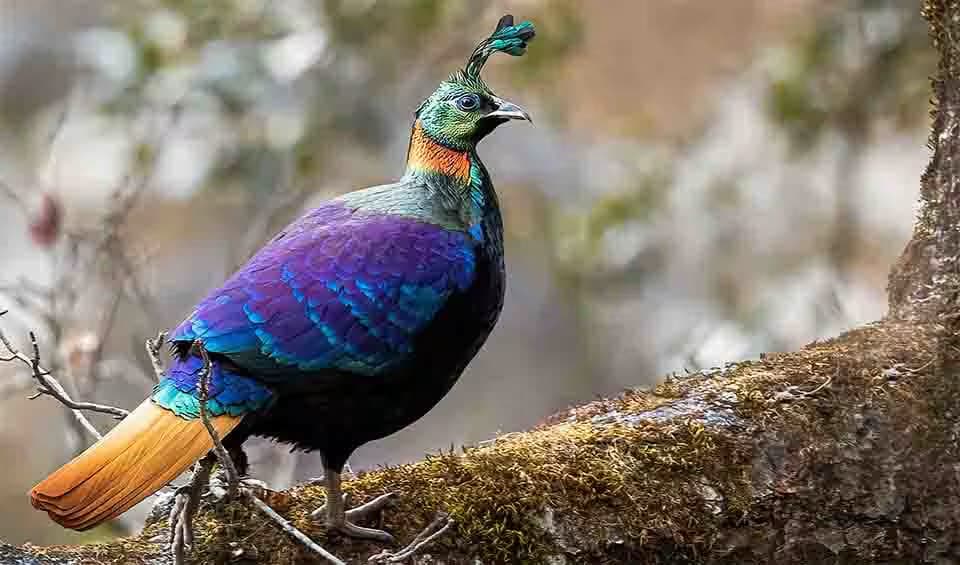
    • Species: Himalayan monal (state bird of Uttarakhand).
    • Habitat: Found in the Himalayan mountains across Jammu and Kashmir, Himachal Pradesh, Uttarakhand, and Sikkim.
    • Conservation Status: Classified as Least Concern on the IUCN Red List globally, but local population statistics are lacking.

    Research Studies from Hemvathi Bahuguna Garhwal University (HBGU)

    • Conducted over five years by researchers Rajeev Lochan, Dinesh Kumar Sharma, and Anand Kumar.
    • Key Findings:
      • Climate Change Study: Analyzes how climate change impacts habitat; temperature and rainfall fluctuations could make existing habitats unsuitable by 2100.
      • Noise Pollution Study: Investigates the effect of tourism-induced noise on monal vocalizations; indicates shifting call frequencies due to increased human activity.

    Study Details

    • Noise Pollution Findings:

      • Comparison between two locations: Madmaheshwar Valley (less human activity) and Chopta Valley (high tourism).
      • Higher-frequency calls recorded in Chopta Valley, suggesting monals adapt call characteristics to counteract background noise.
      • Concerns arise regarding mating success due to noise masking crucial communication calls.
    • Climate Change Implications:

      • Monals migrate seasonally to different elevations; disturbance in this pattern may occur due to climate change or human encroachment.
      • Potential fragmentation of habitats highlights the importance of maintaining connectivity for species' movement.

    Recommendations from Researchers

    • Noise Management: Call for better regulations around noise in heavily visited areas to protect avian communication.
    • Habitat Protection: Emphasize the necessity for preserving both habitats and corridors that connect different ecological zones.

    Broader Implications

    • Local populations might face issues despite a stable global population; ecological changes could have far-reaching impacts across species.
    • Importance of collecting reliable local data for conservation efforts.

    Environmental Significance

    • Studies stress awareness of tourism impacts on wildlife; advocate for responsible management of natural resources and habitats.
    • Addressing challenges posed by climate change is critical for preserving biodiversity in the Himalayan ecosystem.

    Keywords

    • Constitutional References: N/A (not specifically mentioned).
    • Laws/Policies: N/A (related policies could include wildlife protection regulations but were not explicitly outlined in the article).
    • Government Schemes: N/A.
    • Economics: Tourism impacts economic policy, indirectly connected to preservation efforts.
    • Science & Technology: Use of passive acoustic monitoring devices for wildlife studies.

    These findings and recommendations serve to inform future environmental management strategies concerning the Himalayan monal and similar species in fragile ecosystems.

    India's Deep Ocean Exploration Challenges
    Environment and Ecology19-Sep-2026

    India's Deep Ocean Exploration Challenges

    Summary of Deep Ocean Exploration and Mining in India

    Current Status of Deep-Sea Exploration

    • International Seabed Authority (ISA) Contracts: India holds three contracts covering approximately 95,000 square kilometers in the Central Indian Ocean Basin, Central Indian Ridge, and Carlsberg Ridge.
    • Estimated Resources: Identified 366 million tonnes of polymetallic nodules containing nickel, copper, cobalt, and manganese.

    Technological Advancements

    • Deep Ocean Mission: Focused on developing technologies such as:
      • Underwater robotics.
      • MATSYA-6000 human submersible.
      • Deep-sea mining machines tested at depths of 5,270 meters by the National Institute of Ocean Technology.
    • Biodiversity Surveys: Explored 19 seamounts, identifying around 1,300 deep-sea organisms, including 23 new species.

    Environmental Considerations

    • Ecological Impact: The deep ocean is a complex ecosystem that is poorly understood. Large-scale seabed disturbance may have unpredictable consequences.
    Discovery of New Wild Cat Species
    Biodiversity18-Sep-2026

    Discovery of New Wild Cat Species

    Summary Notes on Discovery of New Wild Cat Species in Bolivia

    Species Identification:

    • New Species: A previously unidentified wild cat species named Leopardus tilcayo (local name: Tilcayo) has been discovered in Bolivia’s Yungas cloud forest.
    • Characteristics: Measures approximately 18 inches (46 cm) in length and weighs about 3 pounds (1.4 kg). It features light brown fur with irregularly shaped rosettes.

    Research Methodology:

    • Genetic Analysis: DNA sequencing from 38 tiger cats across several South American countries confirmed the discovery. This research indicates there are five genetically distinct species of tiger cats.
    • Previous Understanding: Tiger cats were previously considered a single species, underlining the importance of genetic studies for species classification.

    Ecological Context:

    • Habitat: The Yungas region is a vital but threatened ecosystem, facing challenges from deforestation, agricultural expansion, and human-induced fires.
    • Conservation Status: Tiger cats are currently classified as "vulnerable" on the IUCN Red List. Future assessments may categorize the Tilcayo separately, potentially as endangered due to its limited discovery record.

    Scientific and Public Implications:

    • Conservation Urgency: Stress on the need for habitat restoration and protection, emphasizing the importance of native forest preservation.
    • Public Awareness: Discovery highlights that there are still numerous undiscovered species, which are at risk of extinction before being documented.

    Judicial and Policy Engagement:

    • The findings have been shared with the IUCN, which will be reviewing the separate lineages for an accurate conservation status, influencing future conservation policies and actions.

    Key Takeaways:

    • Scientific Responsibility: Ongoing research is critical to understanding and preserving biodiversity.
    • Global Biodiversity: The existence of undiscovered species underscores the richness of natural ecosystems and the need for ongoing exploration and conservation efforts in threatened habitats.
    India's Climate Resilience and Adaptation Strategies
    Environment and Ecology18-Sep-2026

    India's Climate Resilience and Adaptation Strategies

    Climate Vulnerability and Adaptation in India

    Key Facts and Statistics:

    • India ranks ninth in global climate vulnerability.
    • Recorded 430 extreme weather events from 1995 to 2024.
    • Economic losses from these events total approximately $170 billion.
    • 1.3 billion people have been affected.

    Nationally Determined Contributions (NDCs):

    • Updated NDCs focus on climate resilience and adaptation for 2031-2035.
    • Emphasizes adaptation in areas like:
      • Coastal resilience
      • Infrastructure
      • Disaster preparedness
      • Heat mitigation
      • Biodiversity conservation
      • Sustainable livelihoods
    • Aligned with global commitments to triple adaptation finance by 2035.
    • Adoption of Belém Adaptation Indicators at COP30.

    Adaptation Efforts:

    New Frog Species Discovered in Mizoram
    Biodiversity18-Sep-2026

    New Frog Species Discovered in Mizoram

    Summary of New Species Discovery in Mizoram

    New Species Identified:

    1. Duttaphrynus phawngpui (Toad)

      • Named after Phawngpui, the highest mountain peak of Mizoram.
      • Medium-sized, up to 56 mm in body length with yellowish-brown to earthy-brown skin.
      • Found at elevations above 2,000 meters in Phawngpui National Park.
      • Notable for lacking a clearly visible eardrum and bony ridges, distinguishing it from relatives like Duttaphrynus stuarti.
      • Confirmed as a distinct species through:
        • DNA analysis of mitochondrial gene.
        • Statistical analysis of body measurements.
        • Visual comparisons with existing museum specimens.
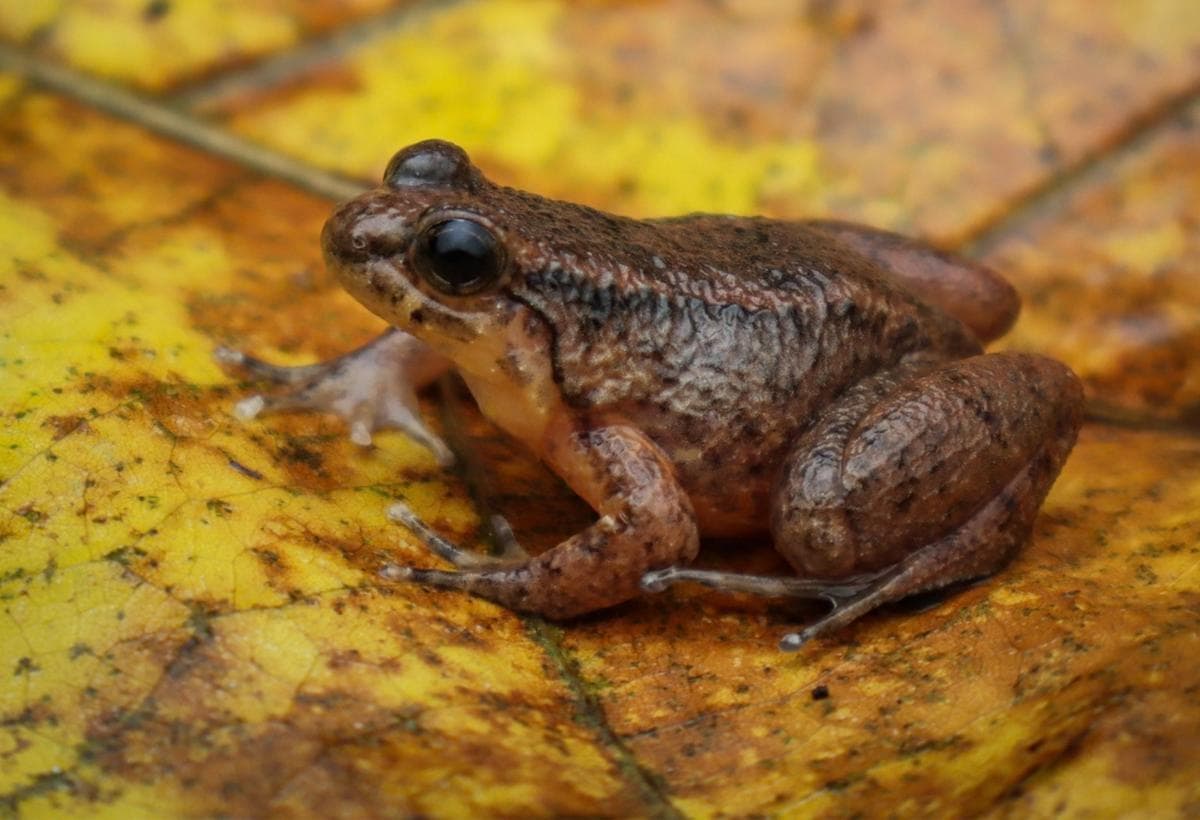
    2. Ingerana aizawl (Frog)

      • Named after Aizawl, the state capital of Mizoram.
      • Previously misidentified as Ingerana borealis for over two decades.
      • Characterized by a bumpy, wrinkled back, visible domed eardrum, and small toe pads.
      • Differed genetically and morphologically from its closest relatives by up to 6.6%.
    Pygmy Hog Population Increases in Assam
    Biodiversity18-Sep-2026

    Pygmy Hog Population Increases in Assam

    Pygmy Hog Conservation Summary

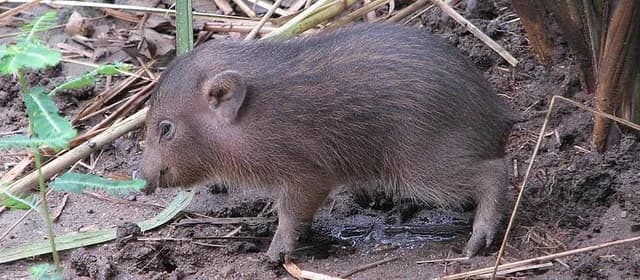
    • Species Overview: The pygmy hog (Porcula salvania) is the world’s smallest and rarest wild pig, standing about 25 cm tall and weighing up to 9.7 kg. It is endemic to grasslands in Assam, India.

    • Conservation Status: The population has increased from 6 individuals in 1996 to 194 due to a targeted captive breeding program conducted in Assam.

    • Goals: Assam Chief Minister Himanta Biswa Sarma announced a target to raise the population to 300 pygmy hogs by 2040 to ensure its sustainability in the wild.

    • Conservation History:

      • Initiation: Conservation efforts began in 1971 by British naturalist Gerald Durrell and his trust.
      • Pygmy Hog Conservation Programme (PHCP): Collaborative effort between the Durrell Wildlife Conservation Trust (UK), Assam Forest Department, Wild Pig Specialist Group (IUCN), and Ministry of Environment, Forest and Climate Change.
    • : The program is implemented by Assam-based organizations Aaranyak and Ecosystems India.

  • Need for Responsible Exploration: Exploration can advance scientific knowledge without committing to commercial mining. Decisions on mining should incorporate high ecological thresholds.
  • Sustainable Development Principles

    • Socio-Ecological Dilemma: Should India prioritize the extraction of deep-sea minerals for energy, electric mobility, and advanced manufacturing, or should it preserve these ecosystems?
    • Mission LiFE: Aligns with principles of reducing resource consumption, recycling, and shifting towards a circular economy.
    • Enhanced Scientific Responsibility: The principle of "Do we need to mine at all?" should govern future mining decisions instead of minimization of damage in extraction efforts.

    Global Environmental Initiatives

    • Emphasis on understanding the value of the ocean as an ecological asset beyond mineral wealth.
    • Alignment with global environmental paradigms:
      • Nature-based Solutions: Strategies that leverage natural processes.
      • Sustainable Development Goals (SDGs): Targeting holistic development while conserving ecosystems.

    Conclusion

    India has the opportunity to lead in deep-sea ecological governance by recognizing the importance of ecological preservation alongside technological advancement. Sustainable development should focus not only on resource extraction but also on the health and integrity of marine ecosystems.

    • The Indian Council of Agricultural Research (ICAR) oversees the National Innovations in Climate Resilient Agriculture (NICRA) pilot spanning 448 villages across 151 climate-vulnerable hotspots.
    • Focuses on climate-smart agriculture and considerable farmer capacity-building.

    Tamil Nadu Climate Resilient Villages (CRV) Programme:

    • Recognized as a good practice in the Economic Survey 2025-26.
    • Part of the Tamil Nadu Climate Change Mission (TNCCM), supported by the World Resources Institute (WRI).
    • Addresses issues in 11 vulnerable districts through:
      • Water management
      • Flood/drought mitigation
      • Waste management
      • Renewable energy
      • Biodiversity conservation
      • Alternative livelihoods
      • Climate information dissemination

    Financing and Policy Highlights:

    • India’s adaptation and resilience spending was around 5.6% of GDP in FY22.
    • The Union Budget 2026–27 remains primarily focused on mitigation.
    • Developing countries face an annual financing gap of $284-$339 billion for adaptation (UNEP Adaptation Gap Report, 2025).

    Recommendations for Adaptation Finance:

    • A clear taxonomy for adaptation finance is needed, focusing on:
      • Prioritization of sectors
      • Assessment of resources required for vulnerable sectors.
    • The Draft Framework of Climate Finance Taxonomy (2025) focuses mostly on mitigation.

    Institutional Framework:

    • National Adaptation Plan and State Action Plans on Climate Change (SAPCCs) are crucial for operationalizing NDCs.
    • States need continuous vulnerability assessments integrated with socio-economic factors.
    • Emphasis on capacity building, robust methodologies, and standardized monitoring.

    Community Engagement:

    • Local involvement is vital, as advocated at COP30 with Locally Led Adaptation (LLA).
    • Community co-development in planning, ownership, management, and decision-making is essential for effective interventions.

    Summary of Strategies:

    • Move beyond resilient infrastructure to include:
      • Skill development
      • Alternative livelihoods
      • Guidelines for the rehabilitation of affected populations.
    • Enhance institutional mechanisms at the level of urban bodies and local governance.
    • Adopt a whole-of-systems approach to achieve national commitments through grassroot actions.

    Conclusion:

    To address climate vulnerability, India needs a comprehensive adaptation strategy that includes community participation, robust policy frameworks, and sustainable financing mechanisms to build resilience against future climate impacts effectively.

  • Found inhabiting small forest streams; nocturnal calls consist of a rhythmic series of 12 short notes.
  • Conservation Implications:

    • The discovery underscores the biodiversity of the Indo-Burma region, which is among the most threatened ecosystems globally.
    • Isolated mountain peaks act like "sky islands," contributing to distinct evolutionary paths for species.
    • The vulnerability of the newly described toad species emphasizes concerns about habitat loss and climate change.

    Research Contribution:

    • Studies published in scientific journals Taprobanica and Zootaxa by various researchers including Jayaditya Purkayastha and Hmar Tlawmte Lalremdanga among others.
    • Findings indicate significant potential for undiscovered amphibian diversity in Mizoram, stressing the importance of ongoing surveys in poorly explored regions.

    Environmental Context:

    • Noted as critical biodiversity hotspots; conservation efforts are crucial in the face of environmental changes.
    • The findings are vital for establishing conservation priorities for species already threatened by habitat loss.

    Conclusion:

    The identification of these two new frog species highlights the need for continued ecological research and the urgent requirement for conservation strategies in the context of climate change and habitat preservation in Northeast India's biodiversity-rich regions.

    Implementation Partners
  • Breeding and Reintroduction:

    • Initial capture of 6 pygmy hogs for breeding occurred in the Bansbari range of Manas National Park.
    • Captive breeding facility established on the outskirts of Guwahati.
    • First reintroductions to the wild took place in 2008.
    • Current populations are reported in Sonai-Rupai Wildlife Sanctuary, Bornadi Wildlife Sanctuary, Orang National Park, and Manas National Park.
  • Significance: The recovery of the pygmy hog population is viewed as a success story in wildlife conservation, reflecting the effectiveness of long-term dedicated efforts and collaboration among various organizations.

  • Environmental Conservation Policies: This initiative aligns with India's broader objectives under various environmental conservation policies and commitments to biodiversity preservation, highlighting the role of biodiversity in maintaining ecological balance.

  • This summary encapsulates the essential facts, statistics, and collaborative efforts in the conservation of the pygmy hog in Assam, reflecting the intersection of species recovery, community involvement, and policy implications.