iAspirants
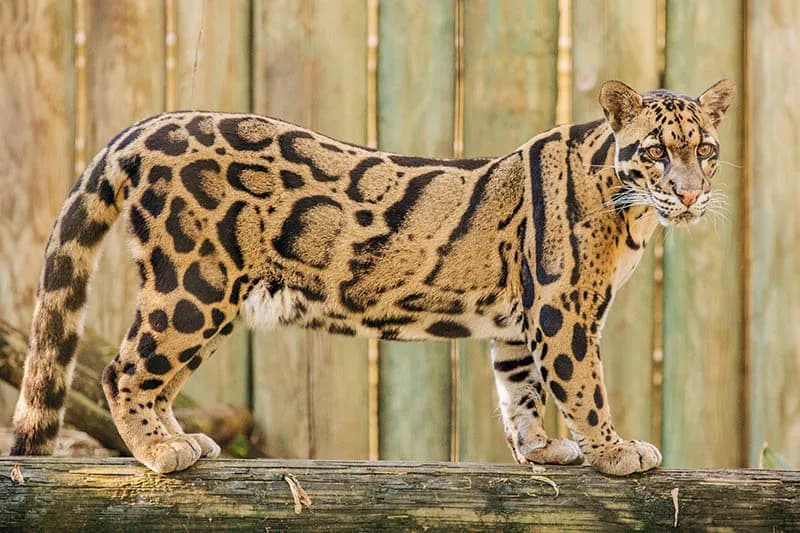
Meghalaya Launches Clouded Leopard Mission
Published on:
Share this post
Article Summary
Mission Clouded Leopard: Key Highlights
Launch of Program
- Name: Mission Clouded Leopard
- Launched by: Chief Minister Conrad K. Sangma on August 4, 2026.
- Objective: Dedicated program for the conservation of Meghalaya's state animal, the mainland clouded leopard (Neofelis nebulosa).
Geographical Context
- The mainland clouded leopard is primarily found in the community-managed forests of Meghalaya, specifically within the forest landscapes of:
- Nokrek
- Balpakram
- Baghmara
- Narpuh
- Nongkhyllem
Components of the Mission
- Habitat Protection and Restoration: Safeguarding and rehabilitating the natural habitats of clouded leopards.
- Scientific Research: Ongoing assessments to monitor populations and health.
- Long-term Monitoring: Regular observation for sustainable management of populations.
- Protection Measures: Enhancing legal and community enforcement against poaching and habitat destruction.
- Landscape Connectivity: Ensuring ecological corridors remain intact for species movement.
- Capacity Building: Training frontline staff in conservation techniques.
- Community Participation: Engaging local communities in conservation efforts.
- Public Awareness: Educating people about the importance of the species and its conservation.
Guiding Framework
- The mission is guided by the upcoming Meghalaya Clouded Leopard Action Plan, being developed by the Forest and Environment Department.
Population Assessment
- A scientific assessment has already identified 21 individual clouded leopards in Balpakram National Park.
- The assessment aims to provide a comprehensive population estimate for the first time across major habitats in the state.
Conservation Status
- The mainland clouded leopard is listed as “vulnerable” in the IUCN Red List.
- It is protected under Schedule I of the Wildlife (Protection) Act, 1972.
- India hosts significant populations of the species; contrastingly, populations in areas such as Bangladesh, Vietnam, Taiwan, and parts of China face severe downturns.
Threats to Population
- Major threats include:
- Habitat loss, fragmentation, and degradation from:
- Infrastructure development
- Agricultural expansion
- Mining activities
- Urbanization
- Illegal hunting and trade
- Depletion of prey
- Human disturbance and climate change.
- Habitat loss, fragmentation, and degradation from:
Conservation Goals
- The overarching goal of the Conservation Action Plan (CAP) is to secure viable, connected, and genetically healthy populations of clouded leopards, alongside the conservation of the forest ecosystems they depend on.
Regional Context
- Important populations of the mainland clouded leopard persist not only in Meghalaya but also in Bhutan, Myanmar, Thailand, and Peninsular Malaysia.
This mission reflects a comprehensive approach to wildlife conservation within India, prioritizing community engagement and long-term ecological sustainability.
Key Terms & Concepts
| Mainland Clouded Leopard | State animal conservation |
| Mission Clouded Leopard | Conservation program launched |
| Meghalaya Clouded Leopard Action Plan | Guiding conservation framework |
| Balpakram National Park | Habitat for clouded leopards |
| Wildlife (Protection) Act, 1972 | Legal protection for species |
| International Union for Conservation of Nature (IUCN) | Species threat assessment |
| Conservation Action Plan (CAP) | Framework for species conservation |
| Schedule I | Legal status of protection |
| Habitat loss and degradation | Principal threats to species |
| 21 individual clouded leopards | Population assessment result |