iAspirants
HomeAbout UsCurrent AffairsPrelims PYQsPricing
iAspirants
HomeAboutBlogsFAQsPricingLogin
Privacy PolicyTerms & ConditionsReturn PolicyContact Us

© 2025 iAspirants, Inc. All rights reserved.

  1. Blogs
  2. International Relations

Makkah Joint Defence Agreement Insights

Published on: 10-Aug-2026

Share this post

Makkah Joint Defence Agreement Insights

Article Summary

Makkah Joint Defence Agreement (MJDA) Summary

Date and Context:

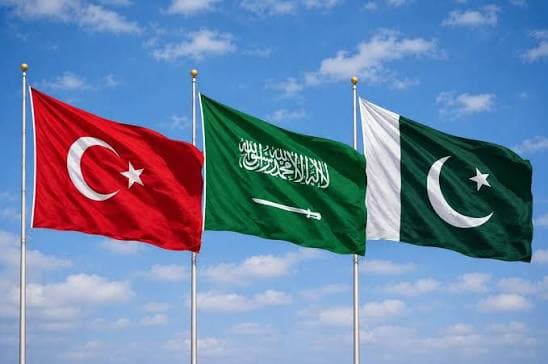
  • Signed on August 7, 2026, by Saudi Arabia, Türkiye, and Pakistan.
  • Marks the first regional realignment post the U.S.-Iran war.

Key Provisions:

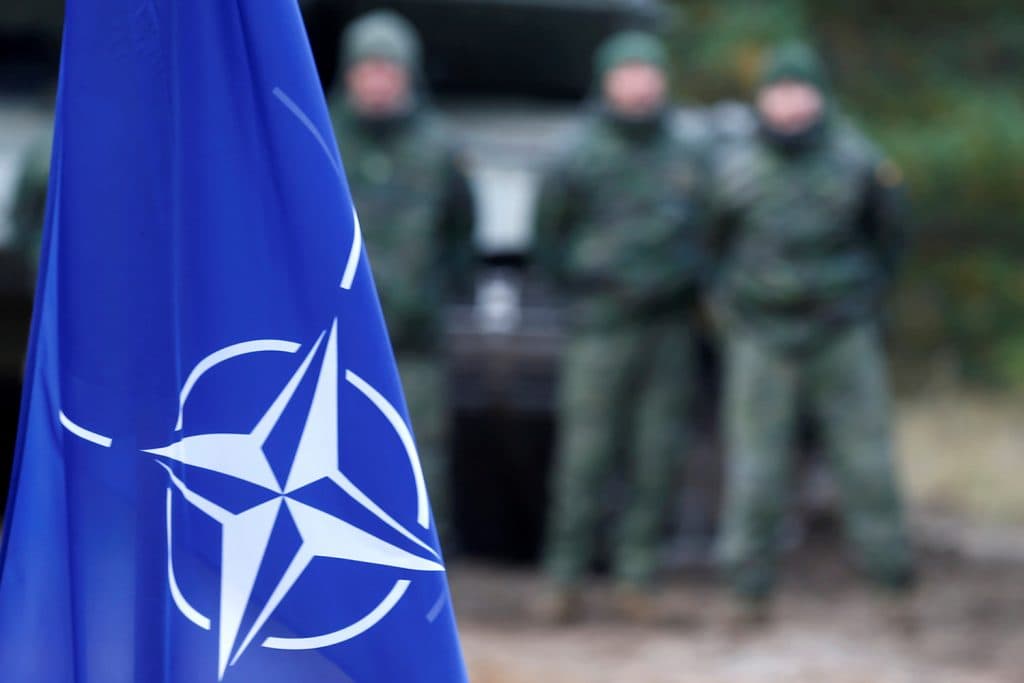
  • Joint statement declares that an armed attack on one member is an attack on all, similar to Article 5 of NATO.
  • Aims to address security challenges, including a Strategic Mutual Defence Agreement (SMDA) with Pakistan and a Multinational Maritime Defence Alliance (MMDA).

Geopolitical Implications:

  • Analysts view MJDA as a potential precursor to a "Muslim NATO," though skepticism exists regarding its effectiveness against threats from Iran and its allies.
  • The agreement has not invited participation from other regional security frameworks like the Arab League, Organisation of Islamic Cooperation, or the Gulf Cooperation Council.

Security Context:

  • MJDA is a response to various threats: Iranian aggression, attacks on Saudi infrastructure, and regional instability.
  • Saudi Arabia has a defense budget of $83 billion, Türkiye is a major arms exporter (approx. $10 billion annually), and Pakistan has a military force of 660,000.

Challenges and Tensions:

  • Historical grievances complicate cooperation, especially Saudi reluctance to align closely with Türkiye due to past Ottoman rule and Türkiye's support for groups like the Muslim Brotherhood.
  • Past Pakistani troop deployments in Saudi Arabia faced command and political issues, raising doubts about operational effectiveness.

Economic Considerations:

  • Saudi Arabia's current economic stability is crucial for the MJDA’s sustainability, especially with fluctuating oil markets impacting its capacity to support military partnerships.
  • Pakistan's internal security issues and its border with Iran create a complex operational environment for its participation in MJDA.

International Relations:

  • The agreement could alter dynamics with India, as Pakistan may seek to leverage MJDA against Indian interests.
  • India remains a significant trade partner for Saudi Arabia, and its geopolitical role is seen as stable compared to the uncertainties surrounding MJDA.

Future Prospects:

  • The MJDA’s success is contingent on regional stability; ongoing conflicts could either strengthen its necessity or render it redundant in the event of peace.
  • The effectiveness of the MJDA in addressing asymmetric threats remains uncertain, especially given the historical context and existing alliances.

Conclusion:

  • The MJDA symbolizes an attempt at collective security among three major Sunni powers, but its practical implications and long-term viability face significant hurdles. The geopolitical landscape remains fluid, and the outcomes of this agreement could reshape regional alliances and power dynamics.

Key Terms & Concepts

Makkah Joint Defence AgreementRegional security arrangement
August 7, 2026Date of MJDA signing
Saudi ArabiaKey signatory state
TürkiyeKey signatory state
PakistanKey signatory state
Article 5NATO collective defense principle
Strategic Mutual Defence AgreementPrevious agreement with Pakistan
14-country Multinational Maritime Defence AllianceRecent security initiative
U.S.-Iran warCurrent regional conflict
Strait of HormuzKey strategic chokepoint
Bab al-MandebKey strategic chokepoint
Saudi $83 billion defence budgetSaudi military expenditure
Türkiye’s military industrial complex

Mind Map for UPSC Civil Services Revision

Turn UPSC Civil Services Current Affairs Into Exam-Ready Notes

Reading International Relations current affairs is half the work. Revise them with ready-made notes and test what actually stuck.

  • Daily UPSC Civil Services current affairs analysis
  • Revision notes, mind maps & MCQs
  • Prelims mock tests with instant results

Related UPSC Civil Services Current Affairs Articles

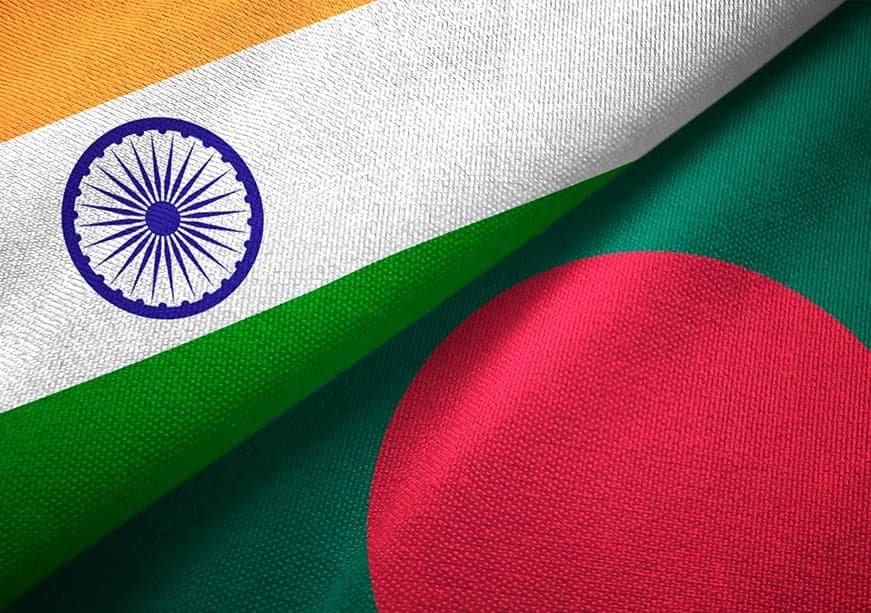
India and Bangladesh Bilateral Talks
International Relations14-Aug-2026

India and Bangladesh Bilateral Talks

Summary of India-Bangladesh Bilateral Relations and Upcoming Diplomatic Developments

Key Diplomatic Engagements:

  • Ongoing discussions for an early bilateral visit by Bangladesh's Prime Minister Tarique Rahman to New Delhi, targeted for late August or early September 2026.
  • This visit aims to facilitate the normalization of India-Bangladesh relations, including the renewal of the Ganga waters treaty and energy agreements, and lifting trade restrictions imposed in May 2025.
Defense industry exporting
$10 billion annuallyTürkiye's defense exports
Pakistan’s 660,000-strong armed forcesMilitary strength
Free Trade AgreementEconomic discussions with Iran
Iranian threatsSecurity challenges for Saudi Arabia
Abraham AccordsU.S. diplomatic agreements

Recent Developments:

  • High Commissioner Dinesh Trivedi from India met with Prime Minister Rahman on August 10, 2026, to resume dialogue following tensions from a press conference held by former Prime Minister Sheikh Hasina and her son Sajeeb Wazed Joy on August 5, which the Bangladeshi Ministry of Foreign Affairs described as an affront to national sovereignty.
  • India distanced itself from Hasina’s comments, reiterating support for the current Bangladeshi government.

Background:

  • Bangladesh's relationship with India has cooled since the fall of Sheikh Hasina's government on August 5, 2024.
  • A 15-month interim government led by Mohammed Yunus did not engage in significant discussions on strategic matters such as water-sharing.
  • The ongoing discussions reflect the strategic importance of Bangladesh as one of India's largest trading partners.

Political Context:

  • Rahman won a landslide victory on February 12, 2026, and took office shortly after. His government faces domestic challenges, including an energy crisis and health crises affecting infants.
  • Bangladesh is scheduled to elect a new President on August 20, with Mirza Fakhrul Islam Alamgir of the ruling Bangladesh Nationalist Party expected to succeed.

Economic and Strategic Points:

  • Normalization talks involve critical areas: addressing water-sharing agreements, the facilitation of energy trade, adjusting visa policies, and removing restrictions on textile and food processing exports from Bangladesh.
  • Possible diplomatic fallout if comments from Hasina's party continue to influence public perception and negotiations with India.

Additional Information:

  • Discussions have been facilitated by trade ties, as Bangladesh has significant agricultural and textile exports to India.
  • Any successful normalization could enhance regional stability and cooperation, particularly in areas affected by shared resources such as rivers.

Next Steps:

  • Coordination for the proposed bilateral visit, while managing internal political dynamics in Bangladesh.
  • Continued diplomatic engagement to mitigate the impacts of Hasina’s comments on bilateral relations and work towards addressing critical trade and resource-sharing issues.

This summary outlines the current state of India-Bangladesh relations, highlighting the significance of ongoing diplomatic efforts and the implications for regional cooperation and economic ties.

Nepal Cancels Tibetan Studies Conference
International Relations14-Aug-2026

Nepal Cancels Tibetan Studies Conference

Summary of Key Points on the Cancellation of Tibetan Studies Conference in Nepal

Event Overview

  • Conference Details: Scheduled for August 23-29, 2026, in Kathmandu, expected around 700 participants including scholars from China.
  • Cancellation: Called off at the request of the Nepalese government; no official statement provided.

Diplomatic Context

  • Pressure from China: Concerns raised regarding whether the Nepalese government acted under pressure from Beijing.
  • Chinese Concerns: Discussions between Chinese Ambassador to Nepal, Zhang Maoming, and Nepal's Foreign Secretary indicated Chinese apprehensions about the event, particularly due to sensitivities surrounding Tibet.
  • Nepal's Stance: Historically, Nepal seeks to prevent its territory from being used for anti-China activities.

Geopolitical Implications

  • Tibet and Nepal Relations: Nepal hosts around 12,000 Tibetan refugees, with significant sensitivities regarding protests or activities against China.
  • Security Concerns: Potential security threats from the conference, especially following a self-immolation incident involving a Tibetan in New York, were cited as reasons for cancellation.
  • Balancing Relations: Nepal's government faces the challenge of balancing relations with China and India, given its strategic position between the two nations.

Academic Freedom and Sovereignty

  • Impact on Academic Discourse: The cancellation raises concerns about Nepal's capacity for independent decision-making and the potential precedent set for foreign sensitivities constraining academic freedom.
  • Future Conferences: The International Association for Tibetan Studies expressed that the last-minute cancellation could deter future academic events in Nepal, potentially leading to economic and reputational damage.

Key Quotes

  • Rupak Sapkota: Noted that while Chinese concerns were serious, it is important to distinguish between direct requests from China and Nepal's independent decision-making.
  • Sanjay Upadhya: Emphasized the broader implications for Nepal's strategic autonomy and academic freedom, questioning whether Chinese sensitivities would dictate Nepal's academic activities.

Conclusion

  • The cancellation of the Tibetan studies conference reflects Nepal's complex geopolitical situation and the influence of Chinese sensitivities on its domestic and academic policies. The event's move to an online format indicates ongoing challenges for Nepal in maintaining its sovereignty and academic independence amidst external pressures.
ISRO Joins NASA's Moon Base Program
International Relations12-Aug-2026

ISRO Joins NASA's Moon Base Program

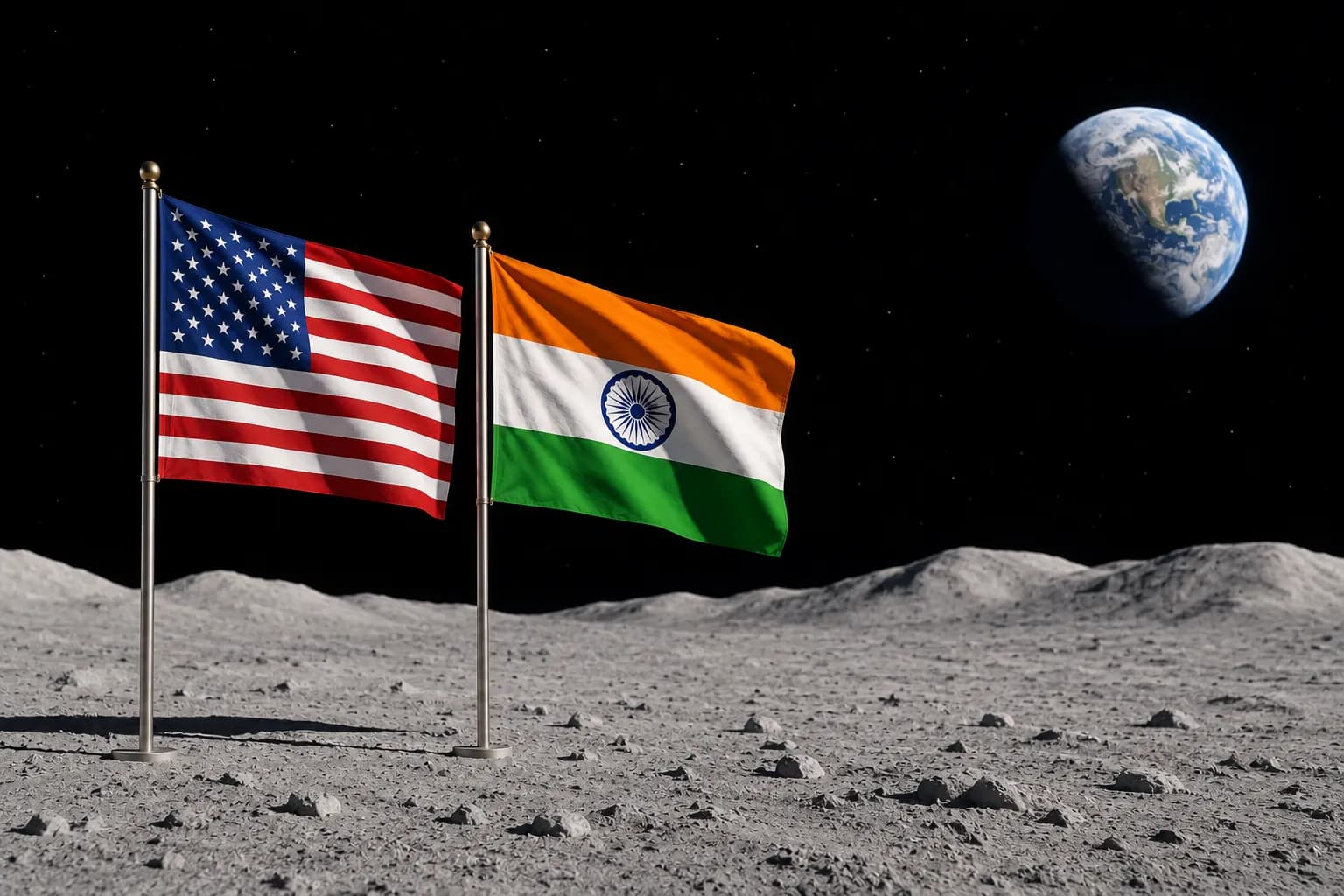
  • NASA Invitation to ISRO: NASA has formally invited the Indian Space Research Organisation (ISRO) to participate in its Moon Base program during the ninth meeting of the India-U.S. Civil Space Joint Working Group (CSJWG) in Bengaluru. This initiative is part of the collaboration established under the Artemis Accords.

  • Artemis Accords: This international agreement aims to promote peaceful and transparent exploration of space, with a focus on sustainable practices. The invitation aligns with the broader U.S.-India partnership involving strategic technology.

  • Moon Base Program Overview: The Moon Base program intends to establish humanity's first outpost on the Moon, specifically targeted near the lunar South Pole. The program will be executed in three phases and was first announced at NASA's "Ignition" event on March 24, 2026.

  • Strategic Technology Framework: The meeting advanced civil and commercial space cooperation through the U.S.-India Transforming the Relationship Utilizing Strategic Technology (TRUST) Initiative, which aligns with the February 2025 Joint Leaders’ Statement from Prime Minister Narendra Modi and then-President Donald Trump.

  • Joint Mission and Future Collaborations: The discussions included the success of past collaborations like the NISAR mission (NASA-ISRO Synthetic Aperture Radar) launched last year and plans for future science and human spaceflight technology partnerships.

  • United Nations Committee on Outer Space: Both nations reaffirmed their commitment to the United Nations Committee on the Peaceful Uses of Outer Space (COPUOS) and its guidelines for long-term sustainability of outer space activities, emphasizing multilateral efforts for its effectiveness.

  • Key Participants: The meeting included ISRO Chairman V. Narayanan, U.S. Ambassador Sergio Gor, and senior officials from both countries, highlighting the high-level engagement in space collaboration.

These points showcase the advancements in international space cooperation between India and the U.S., reflecting a significant strategic partnership that supports technological development and sustainable exploration of space.

Makkah Joint Defence Agreement Explained
International Relations10-Aug-2026

Makkah Joint Defence Agreement Explained

Makkah Joint Defence Agreement (MJDA) - Key Points

  1. Overview:

    • The MJDA was signed on August 7, 2026, by Saudi Arabia, Türkiye, and Pakistan.
    • It represents a significant regional alignment in response to security challenges post-U.S.-Iran tensions.
    • The agreement states that any armed attack against one signatory is an attack against all, reminiscent of NATO's Article 5.
  2. Strategic Context:

    • The MJDA follows Saudi Arabia's Strategic Mutual Defence Agreement (SMDA) with Pakistan and a Multinational Maritime Defence Alliance (MMDA).
    • It reflects Saudi Arabia's response to threats, particularly from Iran and associated non-state actors.
  3. International Implications:

    • The MJDA could induce counter-polarization, impacting relationships with Iran, Israel, and other regional actors.
    • Saudi Deputy Foreign Minister clarified that the MJDA is not aimed at forming a military bloc or escalating nuclear ambitions.
  4. Regional Dynamics:

    • Historical tensions exist between Turkey and Saudi Arabia, stemming from Ottoman rule and differing political ambitions.
    • Pakistan's participation is complicated by its border with Iran and internal security issues, including its Shia minority.
  5. Economic and Military Aspects:

    • Saudi Arabia has a defense budget of $83 billion; Türkiye's military exports are valued at $10 billion annually; Pakistan maintains a 660,000-strong armed force.
    • The agreement could lead to enhanced military cooperation, interoperability, and co-production of defense hardware among the three nations.
  6. Challenges and Uncertainties:

    • The MJDA's effectiveness is questioned given the complex security landscape and the historical reluctance of Türkiye and Pakistan to engage militarily against Iran.
    • Potential for internal security challenges in Saudi Arabia complicates reliance on foreign military support.
  7. Impact on India:

    • India's interests may be affected as Pakistan seeks to leverage the MJDA against India.
    • India remains a significant trading partner for Saudi Arabia and is positioned as a moderate, stable influence in the region.
  8. Conclusion:

    • The future of the MJDA remains uncertain, potentially flourishing amidst ongoing regional conflicts or becoming redundant if peace prevails.
    • The agreement symbolizes the strategic convergence of three major Sunni powers, yet its long-term viability is contingent on regional stability and the evolving geopolitical landscape.

Key References:

  • Constitutional and International Treaties: Article 5 of NATO, regional security architectures (Arab League, OIC, GCC).
  • Economic Data: Saudi defense budget ($83 billion), Türkiye's military exports ($10 billion), Pakistan's armed forces (660,000 personnel).
  • Judicial and Historical Context: Historical tensions from Ottoman rule, Saudi Arabia's political dynamics, and previous military engagements.

Significance:

The MJDA illustrates the complexities of Middle Eastern geopolitics, the interplay of national security interests, and the ongoing evolution of defense alliances in response to shifting power dynamics.

Pakistan, Saudi Arabia, Türkiye Defense Pact
International Relations10-Aug-2026

Pakistan, Saudi Arabia, Türkiye Defense Pact

Summary of the Joint Defence Agreement Among Pakistan, Saudi Arabia, and Türkiye

Key Facts:

  • Agreement Date & Location: Signed on August 7, 2026, in Mecca.
  • Parties Involved: Pakistan, Saudi Arabia, and Türkiye.
  • Strategic Context: The agreement arises amidst heightened security concerns due to ongoing conflicts in the region, particularly involving Iran and Israel.

Objectives of the Agreement:

  • Collective Security: The countries pledged to regard an armed attack against one as an attack against all, aiming to enhance collective security and deterrence.
  • Military Cooperation: The alliance seeks to deepen defence cooperation and military interoperability among the three nations.

Strategic Importance:

  • Military Capabilities:
    • Pakistan: A nuclear-armed nation with a significant military presence.
    • Saudi Arabia: Major crude oil exporter with substantial financial resources and influence in the Muslim world.
  • Türkiye: Developing military industrial base, notably in advanced drone technology.
  • Regional Security Dynamics:

    • Shift in Alliances: The agreement reflects a shift away from reliance on U.S. security frameworks as regional powers seek new partnerships due to perceived reductions in American strategic presence.
    • Historical Context: The trilateral framework aims to mend often strained relations, particularly between Saudi Arabia and Türkiye, in light of shared security threats.

    Challenges:

    • Ongoing Conflicts: The agreement's effectiveness is questioned due to existing conflicts, particularly the recent Iranian missile and drone attacks on Saudi Arabia.
    • Credibility of Collective Defence: The promise of collective defence may be largely symbolic unless political commitments are transformed into effective deterrents.

    Comparative Alliances:

    • The agreement draws parallels with collective security alliances like NATO and the Collective Security Treaty Organization (CSTO), which are primarily designed to deter conflicts.

    Economic and Geopolitical Implications:

    • Oil and Security: Saudi Arabia's economic influence as a leading oil exporter plays a critical role in the alliance's dynamics.
    • Regional Power Dynamics: The partnership allows Pakistan to expand its influence in West Asia, traditionally overshadowed by India.

    Conclusion:

    The Mecca Agreement signifies a notable development in West Asia’s security architecture, reflecting the evolving geopolitical landscape and the increasing inclination of regional powers towards formal security pacts. However, the ongoing conflicts in the region cast doubt on the immediate effectiveness of the alliance. The real test will be the ability of the three nations to translate their commitment into tangible security outcomes.