iAspirants
Makkah Joint Defence Agreement Explained
Published on:
Share this post
Article Summary
Makkah Joint Defence Agreement (MJDA) - Key Points
Overview:
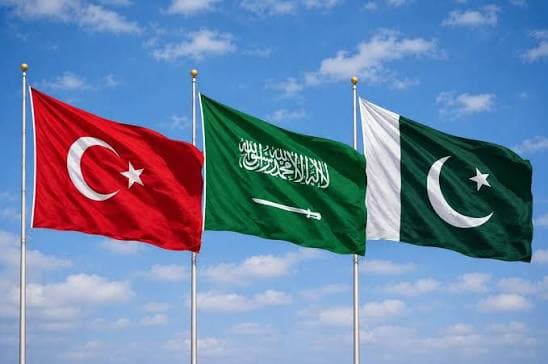
- The MJDA was signed on August 7, 2026, by Saudi Arabia, Türkiye, and Pakistan.
- It represents a significant regional alignment in response to security challenges post-U.S.-Iran tensions.
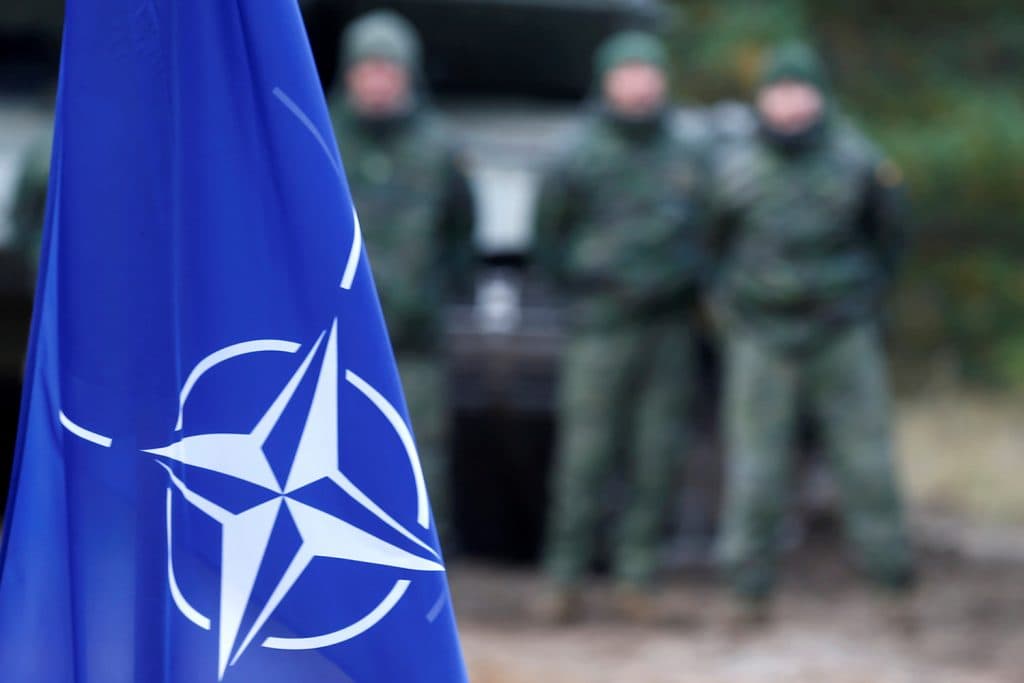
- The agreement states that any armed attack against one signatory is an attack against all, reminiscent of NATO's Article 5.
Strategic Context:
- The MJDA follows Saudi Arabia's Strategic Mutual Defence Agreement (SMDA) with Pakistan and a Multinational Maritime Defence Alliance (MMDA).
- It reflects Saudi Arabia's response to threats, particularly from Iran and associated non-state actors.
International Implications:
- The MJDA could induce counter-polarization, impacting relationships with Iran, Israel, and other regional actors.
- Saudi Deputy Foreign Minister clarified that the MJDA is not aimed at forming a military bloc or escalating nuclear ambitions.
Regional Dynamics:
- Historical tensions exist between Turkey and Saudi Arabia, stemming from Ottoman rule and differing political ambitions.
- Pakistan's participation is complicated by its border with Iran and internal security issues, including its Shia minority.
Economic and Military Aspects:
- Saudi Arabia has a defense budget of $83 billion; Türkiye's military exports are valued at $10 billion annually; Pakistan maintains a 660,000-strong armed force.
- The agreement could lead to enhanced military cooperation, interoperability, and co-production of defense hardware among the three nations.
Challenges and Uncertainties:
- The MJDA's effectiveness is questioned given the complex security landscape and the historical reluctance of Türkiye and Pakistan to engage militarily against Iran.
- Potential for internal security challenges in Saudi Arabia complicates reliance on foreign military support.
Impact on India:
- India's interests may be affected as Pakistan seeks to leverage the MJDA against India.
- India remains a significant trading partner for Saudi Arabia and is positioned as a moderate, stable influence in the region.
Conclusion:
- The future of the MJDA remains uncertain, potentially flourishing amidst ongoing regional conflicts or becoming redundant if peace prevails.
- The agreement symbolizes the strategic convergence of three major Sunni powers, yet its long-term viability is contingent on regional stability and the evolving geopolitical landscape.
Key References:
- Constitutional and International Treaties: Article 5 of NATO, regional security architectures (Arab League, OIC, GCC).
- Economic Data: Saudi defense budget ($83 billion), Türkiye's military exports ($10 billion), Pakistan's armed forces (660,000 personnel).
- Judicial and Historical Context: Historical tensions from Ottoman rule, Saudi Arabia's political dynamics, and previous military engagements.
Significance:
The MJDA illustrates the complexities of Middle Eastern geopolitics, the interplay of national security interests, and the ongoing evolution of defense alliances in response to shifting power dynamics.
Key Terms & Concepts
| Makkah Joint Defence Agreement | Regional security pact |
| August 7, 2026 | Date of agreement signing |
| Strategic Mutual Defence Agreement | Previous agreement with Pakistan |
| 14-country Multinational Maritime Defence Alliance | Recent security coalition |
| Article 5 of NATO | Defense clause reference |
| $83 billion | Saudi defense budget |
| $10 billion | Türkiye military exports |
| 660,000 | Pakistan armed forces strength |
| Strait of Hormuz | Strategic maritime chokepoint |
| Bab al-Mandeb | Strategic maritime chokepoint |
| Free Trade Agreement | Economic talks with Iran |
| U.S. Central Command | Military presence in region |
| Abraham Accords | Recent diplomatic agreements |
| India | Key regional player |
| Gulf Cooperation Council | Regional organization |
| Organisation of Islamic Cooperation | Regional organization |
| Arab League | Regional organization |