iAspirants
Current AffairsPrelims PYQsUPSC SyllabusUPSC StrategyBlogsPricing
Login
iAspirants

Your AI-powered companion for UPSC preparation.

Quick Links

  • Home
  • About Us
  • Current Affairs
  • Prelims PYQs
  • UPSC Syllabus
  • UPSC Strategy
  • Blogs

Company

  • Pricing
  • FAQs
  • Contact Us
  • Login

Legal

  • Privacy Policy
  • Terms & Conditions
  • Return Policy

© 2025 iAspirants, Inc. All rights reserved.

  1. Blogs
  2. Environment and Ecology

Legal Rights for Rivers in India

Published on: 26-Aug-2026

Share this post

Legal Rights for Rivers in India

Article Summary

Exam-Focused Notes on Rights of Nature and Recent Judicial Developments in India

Constitutional References

  • Article 21: Right to life and personal liberty, interpreted to include the right to a healthy environment.
  • Article 25: Fundamental Right to practice and propagate religion, which the judiciary has balanced against environmental concerns.

Legal Background

  • Mohammed Salim v. State of Uttarakhand (2017): Uttarakhand High Court granted legal personality to the Ganga and Yamuna; this was stayed by the Supreme Court.
  • People’s Charioteer Organization case (2023): Supreme Court ruled that non-humans cannot be granted legal personhood.
  • Tamirabharani case (2026): Madras High Court recognized the Tamirabharani River as a legal person to protect it from pollution, circumventing the Supreme Court's stance.

Key Judicial Observations

  • The Madras High Court noted severe pollution of the Tamirabharani, with approximately:
    • 90 tonnes of clothes,
    • 2 tonnes of ash,
    • 3 tonnes of other waste collected within three weeks.
  • The court emphasized the need for stringent measures to prevent pollution, while also recognizing the river's "intrinsic value."

Environmental Impact and Pollution Control

  • Water (Prevention and Control of Pollution) Act, 1974: The court referenced this act, noting violations due to pollution from human rituals.
  • The immersion of ashes in rivers was allowed under specific conditions, highlighting the conflict between religious practices and environmental health.
  • Studies indicate that mass cremation can cause moderate to high ecological risks in rivers, affecting their self-purification capacities.

Comparative Legal Frameworks

  • Marine Protection, Research and Sanctuaries Act, 1972 (USA): Allows sea burials with regulations to prevent pollution, contrasting with Indian laws that do not adequately define pollutants in the context of water bodies.
  • Section 502(6) of the U.S. Clean Water Act: Defines pollutants to include biological materials, showcasing a more defined approach to environmental protection compared to Indian legislation.

Critique of Judicial Approaches

  • The court's decision to treat the immersion of ashes differently was seen as counterproductive.
  • The interpretation of health under Article 25 should encompass both human and environmental health.
  • The court could have reinforced the traditional Indian view of nature as sacred, imposing a duty on individuals to prevent pollution.

Conclusion

The evolving legal landscape regarding the rights of nature in India reflects a tension between environmental protection and cultural practices. Recent judgments illustrate a cautious approach to recognizing the need for ecological balance while navigating constitutional rights. The dialogue around legal personhood for natural entities remains contentious, underscoring the need for a more integrated legal framework that respects both environmental integrity and religious significance.

Key Terms & Concepts

GangaRiver granted legal personality
YamunaRiver granted legal personality
Supreme CourtJudicial authority on legal rights
Uttarakhand High CourtCourt granting legal personality
People’s Charioteer Organization caseJudgment on legal personhood
T.N. Godavarman Thirumulpad v. Union of IndiaJudgment on environmental justice
TamirabharaniRiver recognized as legal person
Water (Prevention and Control of Pollution) Act, 1974Pollution control legislation
Article 21Right to a healthy environment
Article 25Right to practice religion
Marine Protection, Research and Sanctuaries Act, 1972Regulates sea burials in U.S.
Clean Water ActDefines pollutants in U.S.

Mind Map for UPSC Civil Services Revision

Turn UPSC Civil Services Current Affairs Into Exam-Ready Notes

Reading Environment and Ecology current affairs is half the work. Revise them with ready-made notes and test what actually stuck.

  • Daily UPSC Civil Services current affairs analysis
  • Revision notes, mind maps & MCQs
  • Prelims mock tests with instant results

Related UPSC Civil Services Current Affairs Articles

New Airport Plans and Wetlands Protection
Environment and Ecology26-Aug-2026

New Airport Plans and Wetlands Protection

Summary of Key Points:

Environmental Protection and Urban Planning:

  • Tamil Nadu Government's Decision: The Tamil Nadu government is considering alternative sites for a new airport in Chennai, prioritizing the protection of agricultural lands and local livelihoods over the previously considered Parandur site.
Air (Prevention and Control of Pollution) Act, 1981Defines air pollutants in India
90 tonnesWaste collected from Tamirabharani
2023Year of significant judgment
2026Year of Tamirabharani case ruling
  • Wetland Conservation: There is a call for legislative measures to protect identified wetlands in the state. Current urban development has encroached upon agricultural lands, forests, and grasslands, leading to the degradation of wetlands through draining, dredging, filling, and pollution.
  • Need for Policy Development: An effective policy is required for the conservation of wetlands, emphasizing the need to discourage urban development activities that threaten these ecosystems.
  • Cultural Sensitivity and Language Usage:

    • Debate on Terminology: Tamil Nadu women MLAs advocate for removing the term 'Kanni Pechu', which has been criticized as being a culturally inappropriate translation of 'maiden speech'. The need for gender-sensitive language in politics and governance has been highlighted.

    Implications for Policy and Governance:

    • Legislative Action: The potential new airport site decision reflects a broader trend in prioritizing environmental sustainability over urban expansion, indicating a shift in governmental focus towards protecting local ecosystems.
    • Cultural Sensitivity in Governance: The conversation around the use of language in political discourse underscores the importance of cultural nuances and sensitivity to gender issues in legislative assembly environments.

    Key Considerations:

    • Environmental Management Laws: There may be a necessity to enact specific laws dedicated to the protection of wetlands and natural resources.
    • Impact on Agriculture: The loss of wetlands and agricultural land directly affects local economies and livelihoods, which necessitates careful urban planning and conservation efforts.

    These points highlight the need for integrated approaches to environmental conservation, urban development, and cultural identity within state policy frameworks.

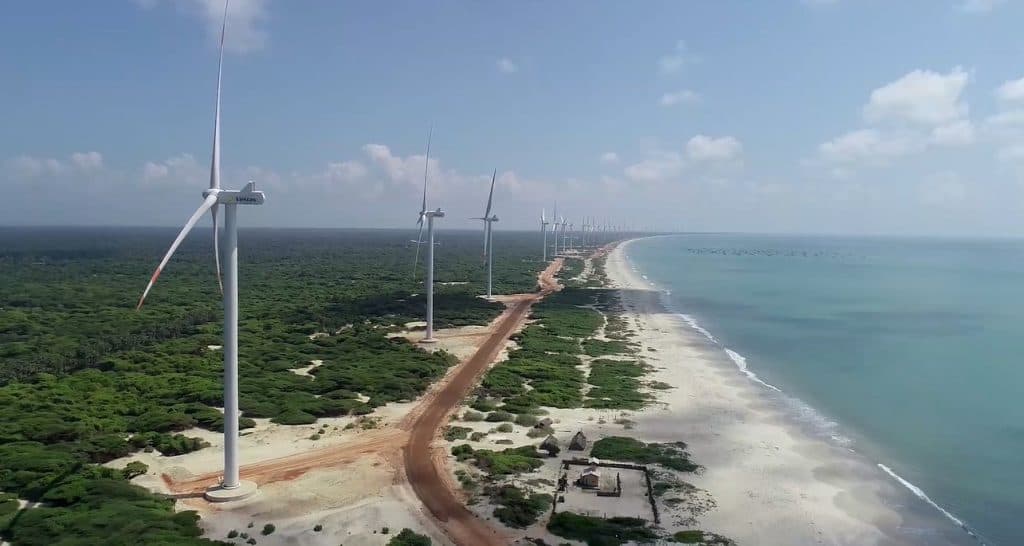
    Concerns Over Renewable Energy in Mannar
    Environment and Ecology25-Aug-2026

    Concerns Over Renewable Energy in Mannar

    Exam-Focused Notes on Sri Lanka's Renewable Energy Landscape in Mannar

    Background:

    • Location: Mannar district, north-western Sri Lanka; includes a mainland and a small island, Talaimannar, near India.
    • Historical Context: Post-civil war struggles, local communities face environmental and livelihood threats amid renewable energy projects.

    Renewable Energy Initiatives:

    • Wind Energy Projects:
      • Ceylon Electricity Board (CEB) initiated a wind farm in 2018, aimed to add 104 MW to the national grid with a budget of nearly $200 million, supported by an Asian Development Bank loan.
      • Current energy capacity: Total installed capacity of Sri Lanka is 6,345 MW with a peak demand of about 3,000 MW.

    Government Policies:

    • Sri Lanka is targeting 70% of energy needs from renewable sources, anticipating an addition of 300 MW from renewable energy by the end of the following year.
    • The government has paused new wind projects on Mannar Island in response to local protests, emphasizing the need for community consent.
    • Ongoing Projects: Local firms (Hayleys Fentons, WindForce, Vidullanka) hold bids to implement currently approved wind projects.

    Local Community Concerns:

    • Environmental Impact: Residents experience climate-related issues (flash floods, coastal erosion), linking these concerns to renewable projects despite lacking scientific proof.
    • Noise and Health Issues: Residents report disturbances from wind turbines and fear health impacts on vulnerable populations (pregnant women, children).
    • Complaints regarding government transparency over project details and environmental assessments.

    Legal and Economic Aspects:

    • Controversy arose over a $500 million, 500 MW project by Adani Green, which faced legal challenges and was eventually withdrawn in February 2025.
    • Economic Strain: The government spends up to 30% of foreign reserves on fuel imports, aiming to reduce this to 10%.

    Activist Perspectives:

    • Advocacy for comprehensive environmental risk assessments due to the cumulative impact of multiple projects.
    • Concerns over the lack of independent environmental impact studies and community engagement in project planning.

    Key Figures:

    • President: Anura Kumara Dissanayake has mandated consent from local populations before future projects are initiated.
    • Human Rights Activists: Local voices are working to ensure community needs and environmental considerations are prioritized in development agendas.

    International Context:

    • India is executing a hybrid renewable project on nearby islands with an $11 million grant.
    • As countries face energy crises, Sri Lanka’s shift to renewables highlights the tension between development and environmental stewardship.

    Conclusion:

    • The situation in Mannar exemplifies the challenges in balancing green energy ambitions with local community rights and environmental sustainability. Further studies and transparent dialogues are necessary to ensure mutual benefits for development and ecological health.
    Dredging to Control Invasive Mussels
    Environment and Ecology25-Aug-2026

    Dredging to Control Invasive Mussels

    Summary of Key Points

    Environmental Management Initiative

    • Project Overview: The Water Resources Department (WRD) in Tamil Nadu is engaged in dredging operations in the Ennore backwaters to combat the invasive Charru mussel (Kakka Azhi), negatively impacting the wetland ecosystem and local fishing activities.
    • Funding Source: The project is financed by the Tamil Nadu Generation and Distribution Corporation.

    Litigation and Regulatory Framework

    • National Green Tribunal (NGT): The dredging work is a response to an NGT directive for the management of invasive species, signifying the legal framework protecting environmental interests.

    Dredging Operations

    • Execution Plan: Dredging has been initiated in phases across Kattupalli and Puzhuthivakkam, focusing on impacted areas.
      • Completed Work: 1,700 meters completed in the previous year.
      • Ongoing Work: Current dredging covers an additional and a .
    India's Drought Management Initiatives
    Environment and Ecology25-Aug-2026

    India's Drought Management Initiatives

    Key Highlights from UNCCD COP17 in Ulaanbaatar, Mongolia on Drought Management

    Government Initiatives and Policies

    • Ministerial Statement: Union Environment Minister Bhupender Yadav emphasized viewing drought not as a disaster but as a predictable and preventable risk.
    • Focus on Preparedness: The goal is to enhance capacities to manage droughts through proactive, technology-based approaches rather than reactive crisis management.
    • Integrated Approach: India promotes a multi-institutional strategy for drought management, focusing on early warning systems, mitigation, relief, and community resilience.

    Drought Management Strategies

    • Monitoring and Assessment: Utilization of rainfall monitoring and satellite-based drought assessments to improve state and inter-ministerial preparedness.
    • Land and Water Relationship: Stress on reforesting before flows to reduce erosion and improve water conservation, highlighting watershed and river basin forestry efforts.
    • Revival of Water Bodies: Initiatives to restore rivers and traditional water bodies to enhance drought resilience, particularly in rural areas.
    Urgent Action Needed for River Pollution
    Environment and Ecology25-Aug-2026

    Urgent Action Needed for River Pollution

    • Environmental Concern: M.A. Mohan, spokesperson for BJP in Mysuru, highlighted the severe pollution of Indian rivers from untreated sewage and industrial effluents.

    • Kabini River: The letter emphasized the Kabini River as a prime example, which supplies drinking water to Mysuru and experiences pollution from Saragur and commercial establishments.

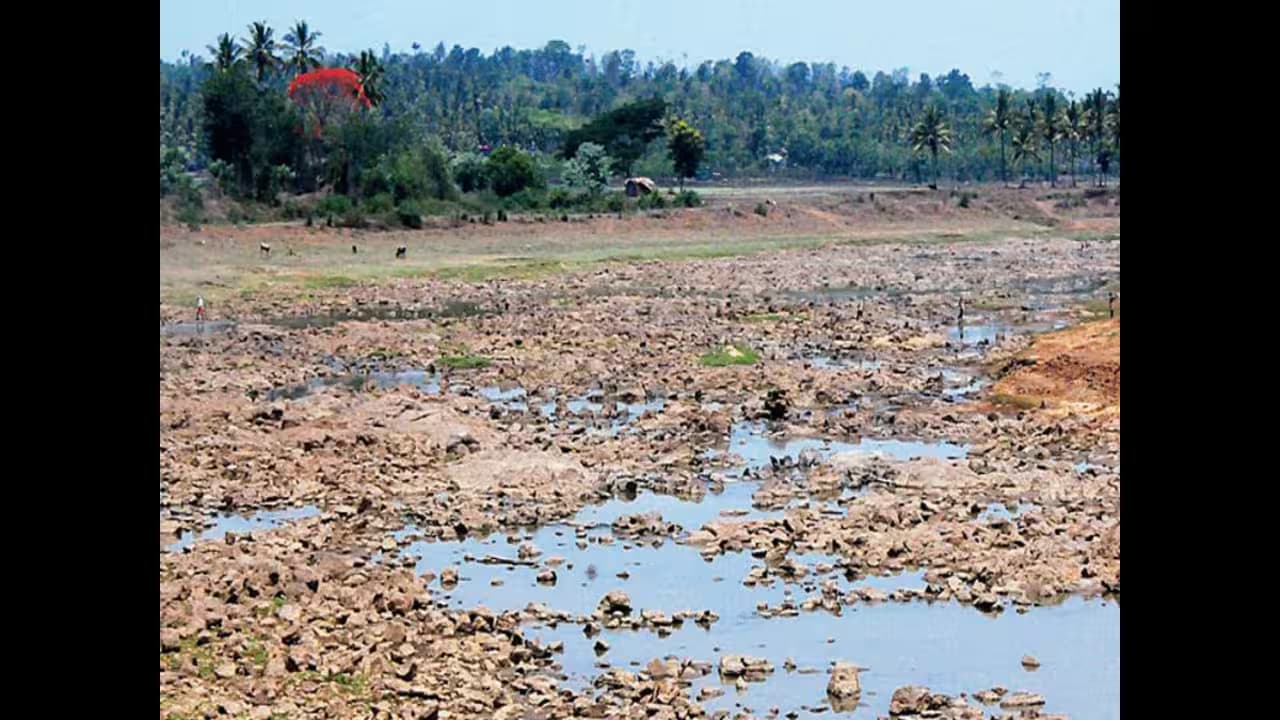
    • Drought Impact: Recent drought conditions revealed record low water levels in the Kabini reservoir, exposing polluted riverbeds and stagnant stretches of water, demonstrating environmental stress.

    • Population at Risk: The population of Saragur town is approximately 50,000, adding urgency to address sewage discharge issues affecting drinking water and ecosystems downstream.

    • Ecologically Sensitive Regions: The Heggadadevanakote region, traversed by the Kabini, is ecologically significant due to its dense forests and tribal habitats, necessitating heightened environmental protection.

    • Policy Proposal: Mohan proposed mandatory treatment of wastewater for all urban local bodies and industries near rivers through Sewage Treatment Plants (STPs) or Effluent Treatment Plants (ETPs) before discharge.

    India Advocates for Sustainable Land Restoration
    Environment and Ecology24-Aug-2026

    India Advocates for Sustainable Land Restoration

    Summary of Key Points from UNCCD COP 17 Conference in Ulaanbaatar, Mongolia

    International Conference:

    • Event: United Nations Convention to Combat Desertification (UNCCD) 17th Conference of the Parties (COP 17).
    • Location: Ulaanbaatar, Mongolia.

    Key Highlights:

    • Call for Financing: India emphasized the need for diverse, adequate, predictable, and sustainable international financing for land restoration and drought resilience.
    • Ministerial Dialogue: Environment Minister Bhupender Yadav discussed innovative financial mechanisms for healthy land and drought resilience.

    Financial Framework:

    • Green Financing: Mentioned India's successful mixed green finance framework that supports climate adaptation, sustainable land use, forestry, agriculture, and biodiversity conservation.
    • Investment Perspective: Yadav stated that land restoration should be viewed as an investment in food, water, biodiversity, livelihoods, and long-term resilience rather than a cost.

    Public-Private Partnerships:

    • Emphasis on the necessity of robust public-private partnerships in addressing desertification, land degradation, and drought beyond public budget allocations.

    Sovereign Green Bonds:

    • Highlighted the role of sovereign green bonds as a means to raise capital for land restoration, drought resilience, sustainable forestry, and other environmental priorities.

    Green Credit Initiative:

    • Introduced a market-based initiative (Green Credit) that enables public and private entities to finance the restoration of degraded forest land. Credits issued post-restoration (after five years) require achieving at least 40% forest cover density.
    • Credits can be utilized for compensatory afforestation, legal plantation, or CSR obligations.

    Compensation Mechanism:

    • Discussion on India’s compensation mechanism directing payments received for land restoration towards compensatory afforestation and ecosystem restoration, integrating corporate financing within environmental regulatory processes.

    Importance of Coordination:

    • Emphasized the significance of coordinating mechanisms like the Green Credit Program and compensatory afforestation fund to integrate public and private finance with citizen participation.

    Commitment to Sharing Experiences:

    • India reaffirmed its commitment to share experiences, security measures, institutional arrangements, lessons learned, and areas needing improvement in land restoration and drought resilience strategies.

    Evaluation of Financial Innovation:

    • Yadav concluded that the success of innovative financing should be evaluated based on its effectiveness in reaching the ecosystems and communities that need it most, ensuring sustainable restoration and resilience.

    Conclusion:

    The conference underscored India's proactive stance in addressing global challenges related to land degradation and drought through innovative financial mechanisms and collaborative efforts, reflecting a commitment to sustainable environmental practices.

    India's Land Restoration Commitment Highlighted
    Environment and Ecology24-Aug-2026

    India's Land Restoration Commitment Highlighted

    Summary of Key Points on Land Restoration and Environmental Policies from UNCCD COP17

    Event: United Nations Convention to Combat Desertification (UNCCD) COP17
    Location: Ulaanbaatar, Mongolia
    Key Speaker: Bhupender Yadav, Union Minister for Environment, Forest and Climate Change, India

    Land Restoration Achievements

    • Restoration Area: India has restored 21.76 million hectares of land from 2011 to 2020.
    • Employment Generation: This restoration has created approximately 1.22 billion person-days of employment.
    • National Priority: Land restoration is emphasized as a national priority integral to sustainable land management, biodiversity conservation, climate change mitigation, and rural development.

    Commitments and Framework

    • Bonn Challenge: India is a leading signatory, initially committing in 2015 to restore degraded and deforested land, later increasing the target to 26 million hectares by 2030.
    Landslide in Guinea Claims Lives
    Environment and Ecology24-Aug-2026

    Landslide in Guinea Claims Lives

    Landslide Incident in Guinea

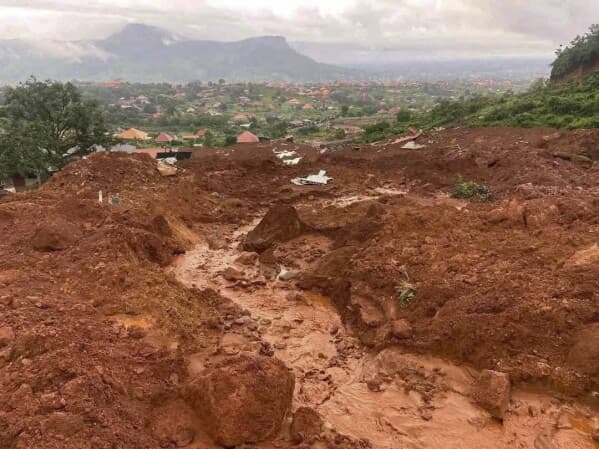
    • Event Details: On August 23, 2026, a landslide at a landfill in Conakry, Guinea, resulted in 30 fatalities, with 6 individuals seriously injured and 16 others sustaining lighter injuries. The disaster occurred around 2 a.m. in the Gbessia commune, reportedly large enough to engulf multiple structures, including a building.

    • Government Response:

      • Djenab Toure, Guinea’s Minister of Territorial Administration, announced plans to close the landfill due to safety concerns exacerbated by the ongoing rainy season.
      • The government committed to relocating waste outside the capital to mitigate future risks.
    • Economic Context:

      • Guinea is rich in natural resources, holding the world's largest bauxite reserves and significant untapped iron ore deposits, particularly at Simandou, where a major mining project was initiated in November 2025.
      • Despite these resources, the country faces infrastructural challenges and poverty, with approximately 3.7 million out of 15.1 million citizens living below the poverty line, defined as earning less than $4.20 per day, according to an April World Bank report.
    1,700 meters
    500-meter branch channel
  • Dredging Depth: Efforts are targeting a depth of up to one meter since March of this year, and measures have been put in place to dispose of sediments and invasive species safely.
  • Community Involvement

    • Local Concerns: Fishing communities have expressed the need for continuous monitoring and supervision during dredging, emphasizing that one-time measures will not yield sustainable results.
    • Proposal for Monitoring: Residents are advocating for regular assessments of the mussel infestation and measures to identify and mitigate the underlying causes of the proliferation.

    Research and Studies

    • Inter-Departmental Collaboration: The Fisheries Department is currently undertaking a study to explore effective eradication strategies for the invasive species and to address a recent mass fishkill in the Kosasthalaiyar river.

    Future Recommendations

    • Preventive Measures: Residents have called for authorities to assess the factors contributing to the invasive species' spread and implement comprehensive preventive strategies.
    • Community Engagement: The local community has requested to be included in the supervisory process to safeguard critical breeding grounds affected by the dredging activities.

    Conclusion

    The initiative undertaken by the WRD reflects ongoing efforts to manage environmental concerns related to invasive species while highlighting the importance of community engagement and the need for continuous monitoring and preventive actions to ensure the sustainability of local ecosystems.

    Community-Led Initiatives

    • Revitalization Programs: Community-led restoration of springs and recharge areas in hilly regions.
    • All-India Watershed Program: Aimed at preventing land degradation from rainwater, involving community organizations and rural employment programs.

    Water Supply and Safety

    • Drinking Water Programs: Ensuring reliable domestic water supply during crises, prioritizing service levels, local quality testing, and sensitive areas.
    • Crop Insurance: Introduction of crop insurance to protect farmers from drought and other losses, ensuring quick and transparent claim settlements through technology-based assessments.

    Capacity Development

    • Community Ownership: Emphasis on community ownership, capacity building, and livelihood diversification as central to transitioning from reactive relief to proactive, technology-enabled resilience.

    International Cooperation and Call to Action

    • Global Action on Drought: Minister Yadav called for stronger global actions, increased investment in ecosystem restoration, robust early warning systems, and coordinated efforts.
    • Sharing Knowledge: India expressed readiness to share knowledge and capabilities to ensure drought prevention for all, acknowledging the existential threat drought poses to the most vulnerable populations.

    Conclusion

    • The overarching ambition is to shift from reactive crisis management to proactive preparedness and enhanced capacity to manage drought, ensuring sustainable water and food security, biodiversity, and economic stability.
  • Monitoring and Enforcement: Advocated for strict monitoring, regular inspections, and stringent penalties for non-compliance to ensure adherence to water treatment policies.

  • Pilot Project Suggestion: Requested the launch of a pilot project on the Kabini to establish a comprehensive river pollution prevention model, which could be replicated across major river basins in India.

  • Public Health and Biodiversity: Emphasized the connection between river health, public health, agricultural viability, and biodiversity conservation, urging for immediate action to protect these vital ecosystems.

  • Long-term Sustainability: Mohan’s initiative underscores the importance of safeguarding rivers for the health of future generations, agriculture, wildlife, and forest conservation.

  • Second Progress Report: Recently released, covering the restoration activities during 2011-2020.
  • Evaluation Metrics: The evaluation goes beyond land area to include restoration in forests, agriculture, and water conservation, focusing on ecological and socio-economic characteristics of landscapes.
  • Future Directions

    • Next Reporting Cycle (2021-2025): Aims to strengthen the national evidence base for restoration, focusing on three dimensions: restored area, financial flows, and employment generated.
    • Multi-Sectoral Approach: A multi-sectoral and landscape-based approach will be developed for effective implementation of restoration commitments.

    Government Schemes and Initiatives

    • Green India Mission: Enhancing forest and tree cover, ecosystem services, and resilience to climate change.
    • Compensatory Afforestation Fund Management and Planning Authority: Allocating resources for afforestation and related restoration activities.
    • Urban Forestry Initiatives: Through the Nagar Van Scheme, promoting restoration in urban and peri-urban landscapes.

    Collaborative Efforts

    • Emphasizes the need for coordination across local communities, states, and the central government for effective restoration efforts.
    • Stresses the importance of innovative financing mechanisms, knowledge sharing, and continuous local community involvement to enhance restoration outcomes.

    Conclusion

    • Long-term Goals: Beyond merely restoring land, India aims for improved restoration quality, financing, and measurable sustainable outcomes.
    • Commitment to International Partnerships: India is dedicated to working with international partners to advance large-scale restoration efforts, highlighting the role of strong institutions and sustained funding in achieving ambitious restoration commitments.

    Constitutional and Policy References

    • Constitutional Provisions: Implicit alignment with the Directive Principles of State Policy (DPSP) promoting environmental sustainability and conservation.
    • International Collaboration: Commitment to global environmental agendas and partnerships in land restoration initiatives.

    This summary encapsulates the critical aspects of India's commitments and actions towards land restoration and sustainable environmental management as highlighted during the UNCCD COP17.

  • Social Impact: The emotional toll on affected families is profound, illustrated by the tragic account of a mother who lost all five of her children in the disaster.

  • Disaster Management: Ongoing rescue operations are in effect to search for survivors, reflecting the need for improved disaster response mechanisms in the context of natural calamities exacerbated by environmental conditions.

  • This incident underscores the pressing issues of urban planning, waste management, and disaster preparedness within the context of Guinea's socioeconomic challenges.