iAspirants
Ladakh and Kerala's Cultural Dances
Published on:
Share this post
Article Summary
Overview of Cultural and Ecological Significance of Traditional Dances in India
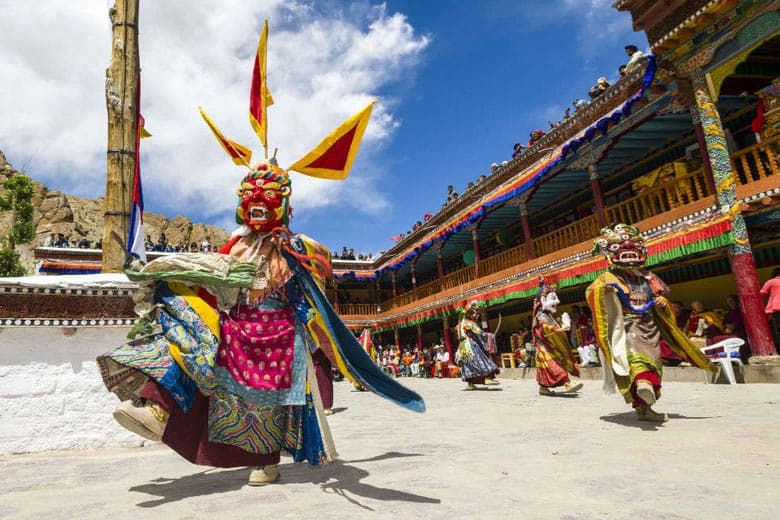
Ladakhi Cultural Dances
Chartses Dance:
- Represents the migration of birds.
- Performed by women in Sulma gowns.
- Signifies the community’s cultural acknowledgment of seasonal cycles.
Jabro Dance:
- Performed with a yak costume, symbolizing the relationship between humans and yaks, crucial for survival in harsh climates.
- Highlights community integrity and ecological harmony.
Kerala’s Theyyam Dance
- Sacred Groves (Kaavus):
- Serve as protected biodiversity hotspots and tropical rainforests.
- Theyyam rituals play a crucial role in protecting these areas from encroachment.
- Cultural Relevance:
- Represents a deep connection between humans and nature.
- Rituals serve as mechanisms for ecological management.
Ecological Management through Cultural Practices
- Traditional dances across India function as sophisticated ecological management systems.
- Cultural performances reflect a social contract between communities and their ecosystems.
- These practices institutionalize respect for flora and fauna, promoting sustainability long before modern environmental science emerged.
Importance for Modern Environmental Issues
- The integration of traditional culture with ecological stewardship offers insights in addressing climate change.
- Protecting culture equates to safeguarding ecological diversity and health.
Key Takeaways
- Traditional dances are significant in fostering environmental conservation in India's diverse ecological zones.
- Cultural heritage serves as a blueprint for sustainable living, harmonizing human existence with nature.
- Lessons from these traditions can guide contemporary environmental efforts.
Key Terms & Concepts
| Ladakh | High-altitude cold desert region |
| Chartses dance | Cultural dance mimicking birds |
| Jabro dance | Cultural dance with yak costume |
| Kerala | Location of sacred groves |
| Kaavus | Sacred groves as biodiversity hotspots |
| Theyyam dance | Cultural dance protecting groves |
| Climate change | Challenge affecting ecosystems |
| Cultural reverence | Catalyst for conservation |