iAspirants
Jules Bordet's Immunology Breakthroughs
Published on:
Share this post
Article Summary
Exam-Focused Notes on Nobel Prize in Physiology or Medicine
Historical Context:
- The Nobel Prize in Physiology or Medicine was not awarded from 1915 to 1918 due to the disruptions caused by World War I.
- The prize resumed in 1919, awarded to Jules Bordet for his work on immunity.
Key Contributions of Jules Bordet:
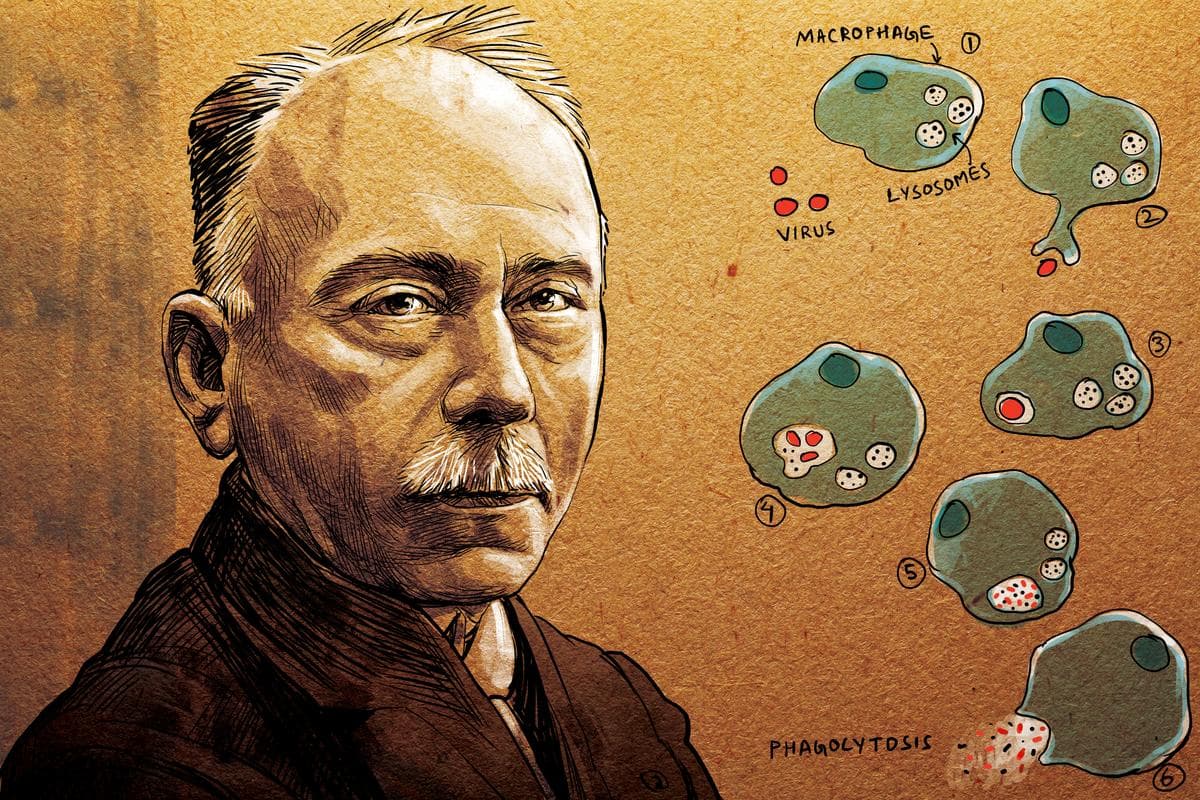
- Immunology Foundations: Bordet's research laid the groundwork for modern immunology, specifically explaining the body’s defense mechanisms against microbes.
- Discovery of Antibody and Complement System:
- Demonstrated that immunity depends on two components: specific antibodies and a heat-sensitive substance in blood serum (later known as the complement system).
- Showed that antibodies bind to bacteria but require the complement for effective destruction, revolutionizing the understanding of immune responses.
Notable Discoveries:
- Developed the complement fixation test, an early laboratory method for detecting antibodies, which became critical in diagnostic microbiology.
- Isolated the bacterium responsible for whooping cough (Bordetella pertussis) in collaboration with Octave Gengou, improving disease diagnosis significantly.
Scientific Impact:
- His work transformed microbiology from observational to experimental science through objective measurement of immune responses.
- Reshaped the understanding of immunity as a multi-faceted process involving cellular and humoral interactions.
Modern Relevance:
- The complement system consists of over 30 proteins crucial for the innate immune response, involved in targeting pathogens and orchestrating inflammatory responses.
- Bordet's discoveries underpin the scientific basis for current serological tests and vaccine design.
- Recent research continues to explore complement system roles in diseases like age-related macular degeneration, lupus, kidney disorders, and neurodegenerative diseases.
Legacy:
- Bordet led the Pasteur Institute in Brussels, furthering his research until his death in 1961.
- His contributions remain pivotal in immunology, influencing both diagnostic practices and therapeutic developments in contemporary medicine.
Conclusion:
- Jules Bordet's Nobel Prize-winning work established enduring principles in immunology, shaping the understanding of how the immune system defends against infections and impacting subsequent medical research and clinical practices.
Key Terms & Concepts
| Nobel Prize in Physiology or Medicine | Award for immunology discoveries |
| Jules Bordet | Discoverer of immunity mechanisms |
| 1915-1918 | Period of withheld Nobel Prize |
| immunology | Field of study for Bordet |
| complement system | Mechanism in immunity |
| antibodies | Proteins for immune response |
| Pasteur Institute | Institution for research |
| Bordet-Gengou agar | Culture medium for bacteria |
| 1901 | Year Bordet returned to Belgium |
| 1961 | Year Bordet passed away |
| Wassermann test | Test based on Bordet's work |