iAspirants
Current AffairsPrelims PYQsUPSC CSE SyllabusUPSC CSE StrategyBlogsPricing
Login
iAspirants

Your AI-powered companion for UPSC preparation.

Quick Links

  • Home
  • About Us
  • Current Affairs
  • Prelims PYQs
  • UPSC CSE Syllabus
  • UPSC CSE Strategy
  • Blogs

Company

  • Pricing
  • FAQs
  • Contact Us
  • Login

Legal

  • Privacy Policy
  • Terms & Conditions
  • Return Policy

© 2025 iAspirants, Inc. All rights reserved.

  1. Blogs
  2. Polity and Governance

Judiciary Reinforces Civil Liberties Protection

Published on: 11-Sep-2026

Share this post

Judiciary Reinforces Civil Liberties Protection

Article Summary

Key Points from Judicial Interventions on Civil Liberties

  1. Judicial Authority and Civil Liberties:

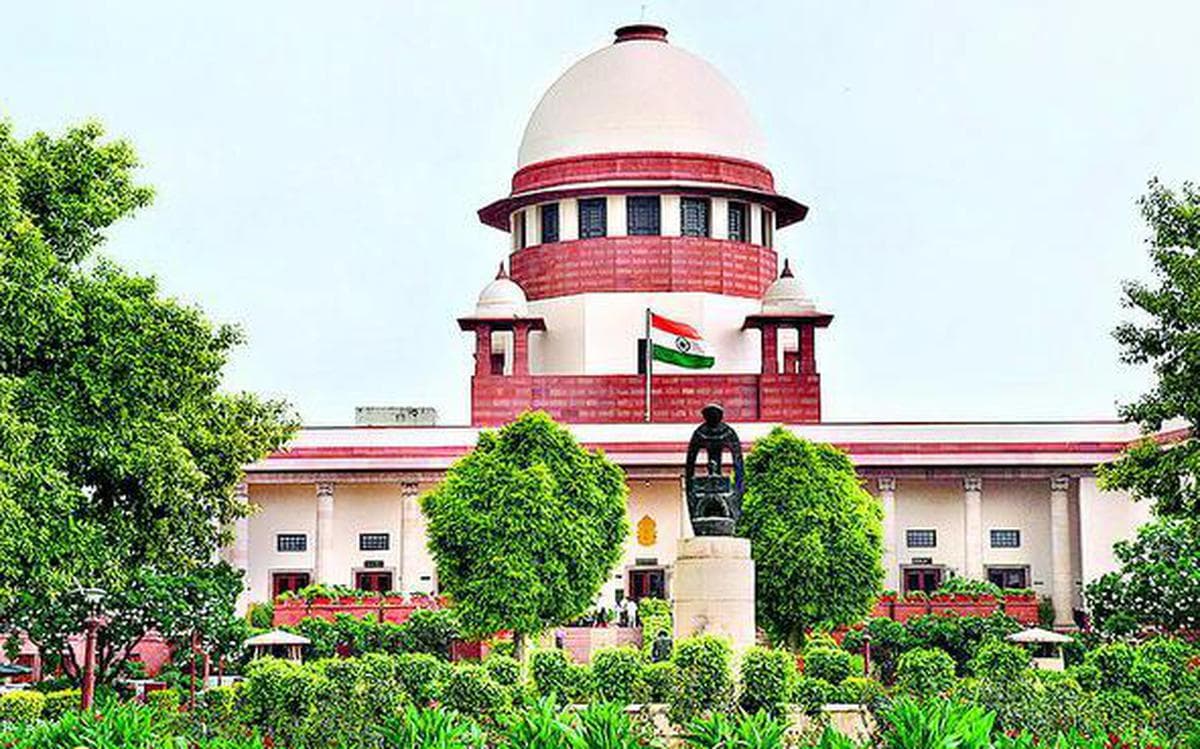
    • The Chief Justice of India (CJI), Surya Kant, emphasized the judiciary's role in safeguarding civil liberties against state overreach.
    • The Supreme Court (SC) has expanded the constitutional promise of civil liberties through significant judicial reviews and rulings.
  2. Constitutional References:

    • The discussions around the right to freedom of speech and expression relate to Article 19 of the Indian Constitution, which guarantees the right to assemble peaceably and without arms.
    • The court interventions affirm the judiciary's commitment to uphold constitutional rights, particularly in the context of student protests.
  3. Recent Judicial Rulings:

    • The SC quashed cases against student protesters on September 1, maintaining that only those with a criminal history should face legal action.
    • The Allahabad High Court quashed charges under the National Security Act (NSA) against student Akriti Chaudhary, labeling such charges as “arbitrary and vague”.
  4. Government Accountability:

    • The Supreme Court demanded accountability for the issuance of notices against students participating in protests, highlighting the need for reasonable and precise definitions of legal restrictions on protests.
  5. Judicial Critique of Executive Actions:

    • The Allahabad High Court criticized government officials, including District Magistrates (DM) and Station House Officers (SHO), for the casual exercise of authority, warning against the risk of developing a dystopian state with oppressive control over freedoms.
    • Court’s directions included the grant of compensation to Chaudhary for the misuse of authority.
  6. Right to Protest:

    • Emphasis on the right to peaceful protest as a crucial aspect of democracy, especially pertinent in contexts involving youth engagement and expression.
    • Both the SC and the Allahabad HC's rulings serve to fortify the legal standing of peaceful protests as a fundamental right.
  7. Government Response Required:

    • The government is urged to respect and acknowledge the fundamental rights ensured by the Constitution, particularly in the context of rising discontent reflected through protests.
    • The judiciary conveyed a critical message for the executive to reassess its approach to civil liberties, emphasizing that any overreach must be checked.
  8. Long-term Implications:

    • The interventions by the judiciary may set precedents for future actions against state coercion and are crucial in maintaining a balance of power within the democratic framework of India.
    • Establishing protections for civil liberties is vital for fostering a healthy democratic environment, where citizens, especially youth, feel empowered to voice their concerns without fear of repression.

Conclusion

The recent judicial rulings reaffirm that the right to protest and civil liberties must be preserved, serving as a protective mechanism against arbitrary state actions. These interventions not only protect individual rights but also underscore the importance of a vigilant and independent judiciary in a democratic society.

Key Terms & Concepts

Supreme Court of IndiaExpanded constitutional civil liberties
Chief Justice Surya KantOversaw judicial review process
Constitutional Right to ProtestFundamental civil liberty
National Security Act (NSA)Legislation governing state authority
Allahabad High CourtQuashed arbitrary NSA charges
Akshat TripathiSubject of notice revocation
Akriti ChaudharySubject of quashed NSA charges
Compensation OrderDirected payment for state violence
Orwellian DystopiaDescribes potential state overreach
Protests at Jantar MantarDemonstration of civil dissent
September 1 OrderQuashed cases against student protesters

Mind Map for UPSC Civil Services Revision

Turn UPSC Civil Services Current Affairs Into Exam-Ready Notes

Reading Polity and Governance current affairs is half the work. Revise them with ready-made notes and test what actually stuck.

  • Daily UPSC Civil Services current affairs analysis
  • Revision notes, mind maps & MCQs
  • Prelims mock tests with instant results

Related UPSC Civil Services Current Affairs Articles

Ladakh Governance Model Under Discussion
Polity and Governance14-Sep-2026

Ladakh Governance Model Under Discussion

Key Highlights on Ladakh's Governance and Constitutional Provisions

  1. Union Territory Legislative Body:

    • The Ministry of Home Affairs (MHA) is in negotiations with Ladakh representatives about the formation, name, composition, and powers of a Union Territory-level legislative body.
  • A meeting on September 9, 2026, sought input from the Kargil Democratic Alliance (KDA) and Apex Body Leh regarding governance at the UT level.
  • Constitutional Provisions and Amendments:

    • MHA proposed a constitutional amendment under Article 371(K) which pertains to special provisions for certain areas. This amendment requires Parliament's approval.
    • The arrangement will provide Ladakh neither full statehood nor its own legislature but aims to grant specific powers and protections.
  • Key Governance Questions:

    • Representatives are tasked with addressing:
      • The proposed name and structure of the legislative body.
      • Executive powers and representation in relation to existing Ladakh Autonomous Hill Development Councils (LAHDCs).
      • The functions of the UT legislative body versus those retained at the district level.
      • Principles for power allocation between governing bodies.
  • Constitutional and Legislative Safeguards:

    • Discussions aim to secure safeguards concerning land, culture, heritage, natural resources, and employment for Ladakh.
    • Ladakh's Chief Secretary indicated the need for a draft exploring the relationship and distribution of powers between the new body and LAHDCs.
  • Political and Legislative Framework:

    • Establishing such a governance system would require a two-thirds majority in Parliament.
    • The KDA and ABL have outlined demands for a UT-level elected legislature and safeguards under the Sixth Schedule of the Indian Constitution.
  • Current Agitation and Demands:

    • The agitation for increased democratic control includes:
      • Demand for statehood for Ladakh.
      • Constitutional protections under the Sixth Schedule.
      • Job reservations for local youth.
      • Creation of separate parliamentary constituencies for Kargil and Leh.
    • The Ladakh administration has ruled out statehood and a legislature but claims that the proposed arrangement offers greater protections than those provided under the Sixth Schedule.
  • Conclusion

    The ongoing negotiations and discussions surrounding governance in Ladakh emphasize the region's need for constitutional protections and a framework that accounts for its unique cultural and administrative requirements. The proposed changes through Article 371(K) reflect the government's acknowledgment of the aspirations of the Ladakhi people while aiming for a stable governance model.

    Digital News Publishers Code of Ethics
    Polity and Governance12-Sep-2026

    Digital News Publishers Code of Ethics

    Digital News Publishers Association: Code of Ethics Summary

    1. Constitutional References:

    • Emphasizes adherence to Article 19(1)(a) of the Constitution of India, safeguarding the freedom of speech and expression in the context of digital news publishing.

    2. Legal Framework:

    • Compliance with over 30 media-related laws, such as the Information Technology Act, 2000, the Indian Penal Code (IPC), and the Criminal Procedure Code (CrPC).

    3. Self-Regulatory Ethics:

    • Establishes high standards, ethics, and practices for digital news publishing while ensuring editorial and content independence.

    4. Key Precepts of the Code:

    • Accuracy, Transparency & Fairness:
      • Mandatory pre-publication verification to avoid publishing inaccurate or distorted content.
    • Right of Reply:
      • Obligation to include comments from individuals or parties mentioned in reports, and update articles with new developments upon request.
    • Correction Procedures:
      • Protocol for editing or deleting content found to be false or inaccurate, with acknowledgment of the correct information.
    • Intellectual Property Rights:
      • Respect for copyright and permissions for use of third-party materials.
    • Sensitive Reporting Guidelines:
      • Careful reporting on matters of crime, sexual harassment, and communal disputes, including the presumption of innocence and avoiding sensationalism.

    5. Legal Compliance in Specific Cases:

    • Adherence to IT Act Sections 67, 67A, and 67B regarding the publication of obscene and sexually explicit material.

    6. Grievance Redressal Mechanism:

    • Following the grievance procedures outlined by the Information Technology (Intermediary Guidelines) Rules, 2011, including the appointment of grievance officers for timely complaint resolution.

    7. Training and Awareness:

    • Regular training programs for editorial staff on relevant laws, including but not limited to:
      • The Indecent Representation of Women (Prohibition) Act
      • Right to Information Act
      • Juvenile Justice and POCSO Act
      • Procedures for reporting sensitive issues without violating privacy rights.

    8. Reporting Practices:

    • Special care required in reporting on:
      • Sexual harassment, child abuse, communal or religious disputes.
      • Respect victims' identities and ensure confidentiality in cases involving minors or sensitive legal matters.

    9. Communal Harmony:

    • Ensures reporting maintains communal harmony and presents information with due caution to avoid inciting communal strife.

    This Code aims to establish responsible digital news publishing while ensuring journalistic independence and ethical conduct.

    Decentralization and Governance for Development
    Polity and Governance11-Sep-2026

    Decentralization and Governance for Development

    Exam-Focused Notes on Decentralized Governance and Community Action in India

    Key Concepts:

    1. Decentralized Community Action: Emphasizes the role of local governance and community participation, leading to improved outcomes in development programs.
    2. Collaborative Governance: Collective problem-solving involving citizens, professionals, and local governments that leads to greater efficiency and accountability in service delivery.

    Successful Examples:

    • National Rural Livelihood Mission (NRLM):

      • Engaged 100 million women through 10 million self-help groups.
      • Demonstrates the effectiveness of decentralized management.
    • Swachh Bharat Mission-Grameen:

      • Success attributed to community-driven initiatives.

    Core Principles for Transformation:

    1. Collaborative Governance: Essential for efficient service delivery.
    2. Women’s Agency: Empowerment of women roles in local governance enhances outcomes.
    3. Technology as Enabler: Digital infrastructure supports governance and public services.
    4. Accountability and Public Trust: Critical for effective governance.
    5. Professional and Community Resource Engagement: Incorporating local professionals and community resource persons improves service delivery.

    Economic Context:

    • There has been a significant decline in extreme poverty over the past 20 years; however, many households are vulnerable to regression.
    • Productivity gains remain elusive; the challenge of achieving dignified wages persists.
    • Direct Benefit Transfers and access to credit via women’s bank accounts present new development opportunities.

    Political and Institutional Framework:

    • Need for a new approach to governance: Transition from centralized models to decentralized community governance.
    • Support for local government's roles as per the 11th and 12th Schedules of the Constitution, which detail responsibilities concerning various sectors.

    Challenges Identified:

    • Bureaucratic Barriers: Existing systems often hinder qualitative outcomes.
    • Democracy Complications: Democratic processes can sometimes lead to inefficiencies within local governance.
    • Need for Institutional Reforms: Focus on community validation and accountability in governance practices.

    Recommendations for Policy Implementation:

    • Enhanced Financing for local governance to address specific deficits as identified by the Panchayat Advancement Index (PAI).
    • Direct Elections at the basti (local community) level to ensure accountability and closer governance to citizens.
    • Integration of Community Organizations with local elected bodies to foster participatory decision-making.

    Implications for Social Development:

    • Strong local governance paired with empowered community agencies can directly impact social indicators, such as poverty and human development indices.
    • Areas like Kerala, Tamil Nadu, Himachal Pradesh, Goa, and Sikkim exhibit improvements owing to collaborative governance practices.

    Healthcare Example:

    • ASHA Workers: Their enhancement in capabilities has transitioned many into roles akin to community health workers, improving primary healthcare accountability.

    Conclusion:

    For achieving the vision of Viksit Bharat (Developed India), a shift towards collaborative and decentralized governance is crucial. It necessitates cooperation between state, society, and markets, alongside genuine community engagement, to ensure durable and impactful outcomes in governance and development initiatives.

    Exclusion of Citizens from Electoral Rolls
    Polity and Governance11-Sep-2026

    Exclusion of Citizens from Electoral Rolls

    Summary of Electoral Roll Exclusion Issue in India

    1. Constitutional References:

      • Article 326: Establishes the right to vote for citizens aged 18 and above, subject to qualifications established by law.
      • Article 14: Guarantees equality before the law to all persons, questioning the arbitrary nature of excluding 13 crore citizens.
      • Representation of the People Act, 1950:
        • Part III: Details the eligibility and procedure for registering to vote.
        • Section 16: Outlines grounds of disqualification including citizenship status.
        • Section 21: Governs revision of electoral rolls and conditions for deletions (e.g., for deceased individuals or those who have moved).
        • Section 22: Requires that individuals be given the right to be heard regarding the correction or deletion of their names from the electoral rolls.
    2. Judicial Context:

    • The Supreme Court of India's endorsement of the recent electoral roll revisions has raised concerns about the legality and constitutionality of excluding millions from the rolls as it could undermine democratic principles.
  • Government Actions:

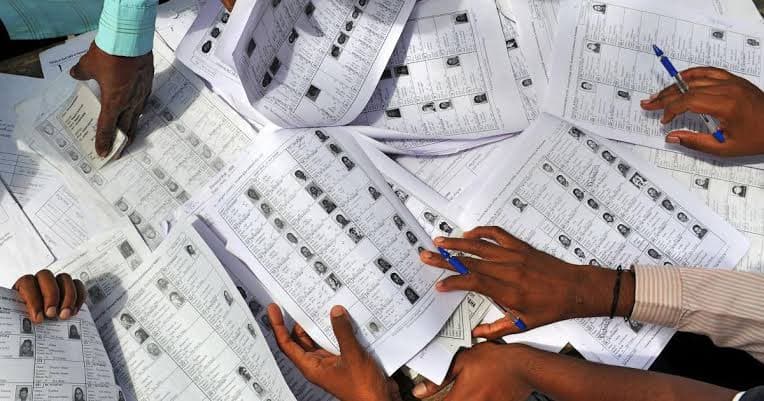
    • The Election Commission of India (ECI) has embarked on a "Special Intensive Revision" of electoral rolls, which has resulted in the exclusion of 13 crore citizens.
    • Notably, 48 lakh electors from Delhi and 2 crore from Maharashtra have been removed from the electoral rolls.
    • Concerns raised about the legality of this process suggest that the ECI has not provided adequate justification for such significant exclusions.
  • Statistical Analysis:

    • The exclusion affects an estimated 13 crore individuals, raising issues about their ability to access fundamental rights and benefits relating to identification and entitlements, such as passports and ration cards.
  • Impact on Democracy:

    • Historical context from the Constituent Assembly debates highlights the importance of inclusivity and fairness in electoral processes. Prominent figures emphasized that democratic elections must remain free from governmental prejudice and arbitrary practices.
    • The recent decisions are seen as contributing to a shrinking democracy, with potentially severe implications for the electoral outcomes in ongoing elections, such as those for Bihar and West Bengal assemblies.
  • Rights and Safeguards:

    • The exclusion process has reportedly ignored vital statutory safeguards, raising questions about who will advocate for the rights of those excluded.
    • Deletion of names from electoral rolls has shifted the burden to individuals to reclaim their voter status, leading to uncertainty and potential deprivation of rights.
  • Conclusion:

    • The current scenario underlines significant discrepancies in the execution of electoral policies and the adherence to constitutional mandates, calling into question the overall integrity of the electoral process in India.