iAspirants
ISRO's Ambitious Plans and Employee Concerns
Published on:
Share this post
Article Summary
Summary of Key Points from ISRO Developments
Indian Space Research Organisation (ISRO)
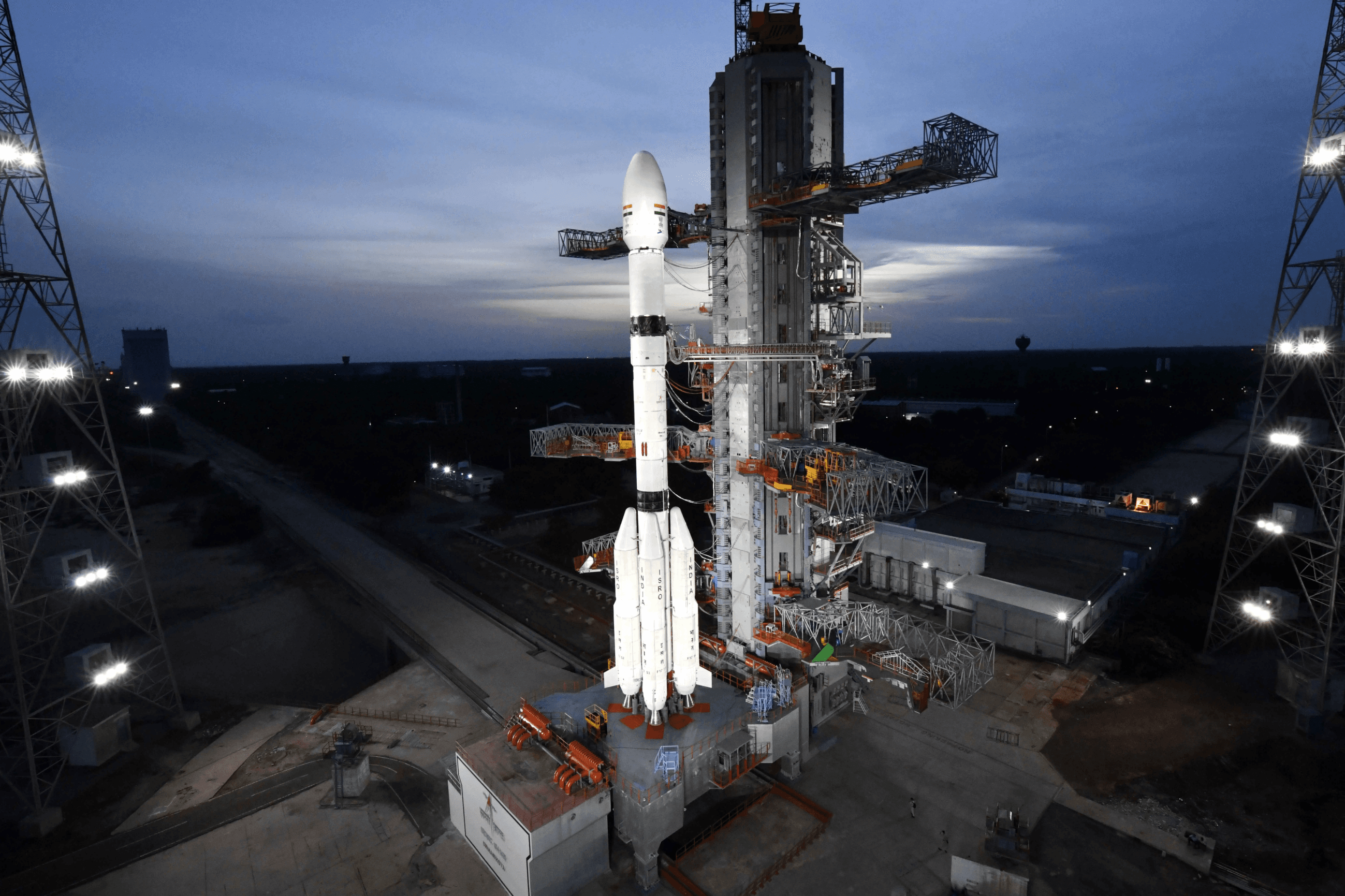
- Recent Achievement: Launched its first geosynchronous imaging satellite (EOS-05) using the GSLV (Geosynchronous Satellite Launch Vehicle).
Indian Space Policy (April 2023)
- Future Vision: ISRO aims to pivot towards ambitious exploratory missions and reduce focus on commercial satellite production and rocket launches.
Employee Concerns
- Employee Associations' Letter: Nine employee organizations expressed concerns regarding job security, recruitment, and outsourcing of core functions.
- ISRO's Response: Assurance that it will not be privatized or diminished, emphasizing growth in the role of private industry without addressing fears of job losses directly.
Budgetary Context
- Comparative Budget: NASA's budget is significantly larger at $24.4 billion compared to ISRO's ₹13,705 crore.
- Historical Comparison: NASA’s budget as a percentage of GDP decreased from 0.7% in 1966 to 0.1% currently, and its workforce reduced from 36,000 during the Apollo program to about 14,000.
Industry Dynamics
- Private Sector Relationship: ISRO has historically maintained a manufacturing relationship with established private sector firms (e.g., Walchandnagar, L&T).
- Emerging Trends: New entrants in the space sector focus on satellite data services and often rely on fleeting foreign capital.
Strategic Considerations
- Long-Term Goals: The vision for India's space sector by 2035 includes becoming a source of export earnings and a hub for value-added services that create jobs and utilize skilled labor.
- Global Competition: Acknowledgment of the need to recognize the strength of China’s space program and the importance of strategic decisions today for future competitiveness.
Policy Recommendations
- Call for Transparency: A need for ISRO to develop a clear policy that outlines its vision and operational strategies in light of changing dynamics and employee concerns.
Conclusion
The developments within ISRO highlight a significant shift in focus towards exploratory missions while raising concerns among employees regarding job security and operational changes. The need for a transparent policy and strategic direction that aligns with both national interests and employee welfare is critical as India aims to enhance its position in the global space landscape.
Key Terms & Concepts
| ISRO | Indian space agency |
| EOS-05 | first geosynchronous imaging satellite |
| GSLV | launch vehicle for satellites |
| Indian Space Policy | policy from April 2023 |
| NASA | U.S. space agency |
| $24.4 billion | NASA budget comparison |
| ₹13,705 crore | ISRO budget |
| 2035 | future target year |
| 14,000 | current NASA employees |
| 36,000 | NASA employees at Apollo's peak |
| China's space programme | competitive space program |
| IN-SPACe | agency for private participation |