iAspirants
International Warnings from Himalayan Disasters
Published on:
Share this post
Article Summary
Summary Notes:
Diplomacy and Conflict Resolution:
- Prime Minister Narendra Modi emphasized the need to shift from an “endless war” to an “end of war,” promoting dialogue and diplomacy as essential means for resolving international conflicts. This highlights India's stance on international relations, encouraging diplomatic negotiations over military solutions.
Himalayan Disasters and Ecological Concerns:
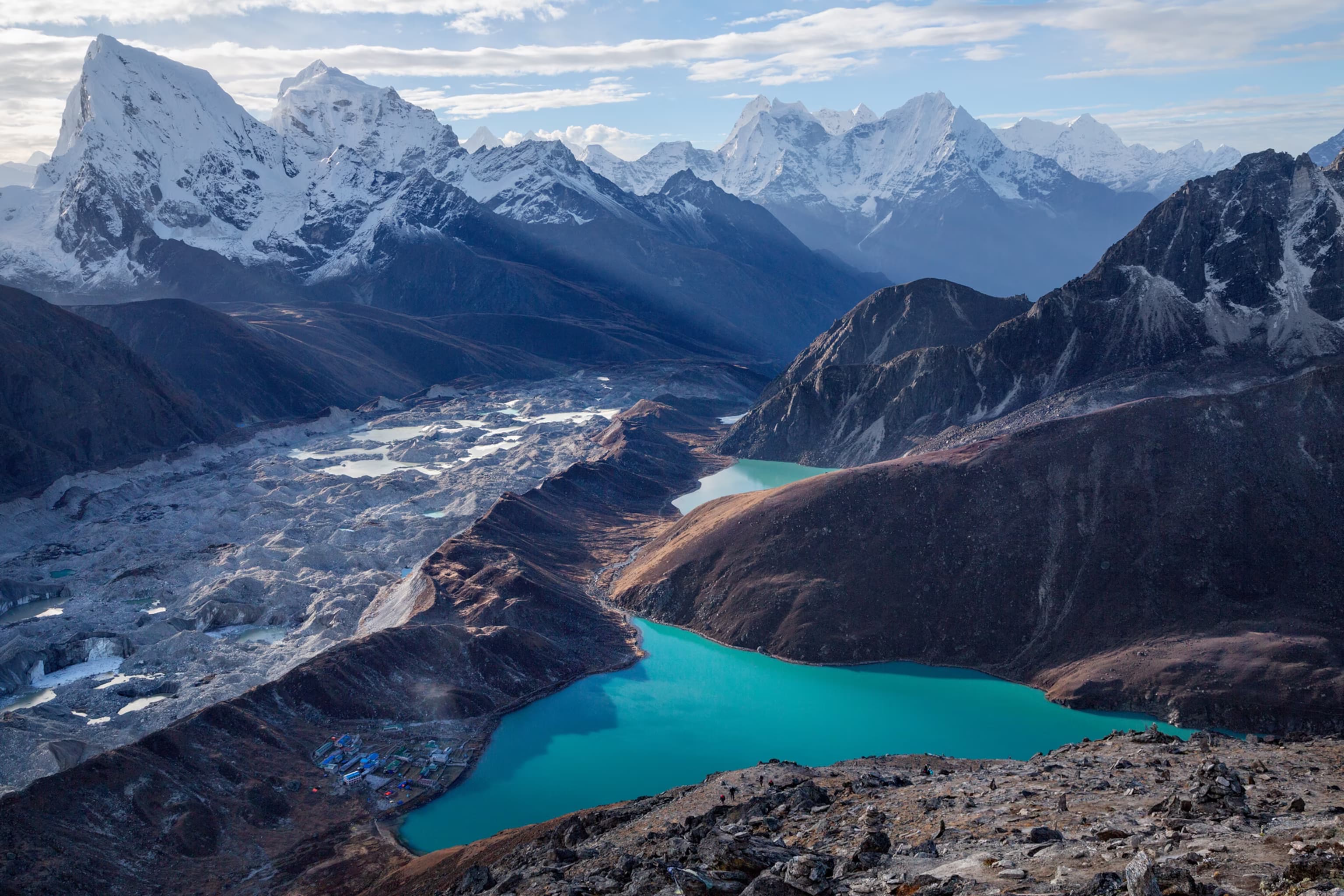
- The ongoing ecological challenges in the Himalayan region, highlighted by recent disasters in Nepal, emphasize the fragile geological characteristics of the area.
- Past disasters (e.g., the 2013 Uttarakhand disaster, 2021 Chamoli tragedy) illustrate a repetitive governmental response pattern of compensation and temporary committees without substantial preventive measures or long-term planning.
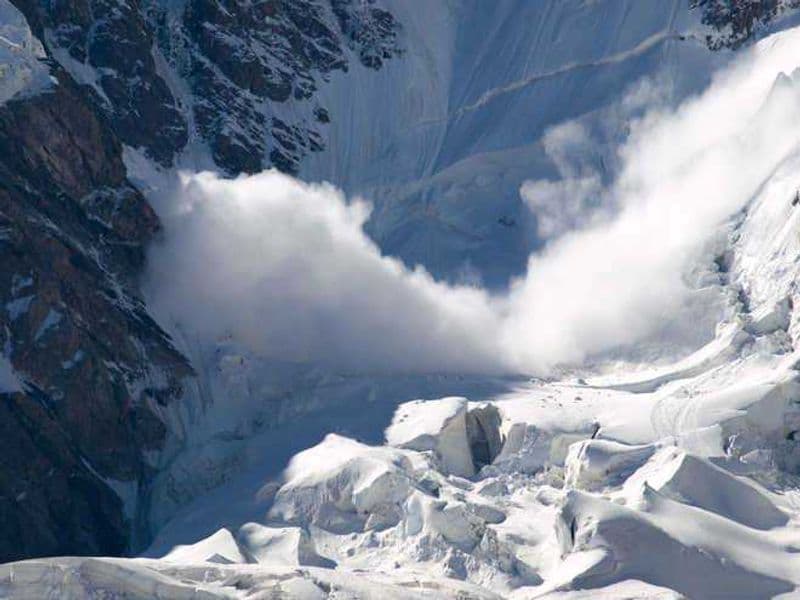
- Current scientific investigations are focusing on the implications of high-altitude rock-and-ice avalanches and the impact of climate change on glacier melting in the Himalayas.
- The need for reevaluating development models is underscored; a greater emphasis on ecological assessments for infrastructure projects is recommended.
Local Community Engagement:
- It is essential to involve local communities as active stakeholders in the development process rather than as mere recipients of compensation after disasters.
Development vs. Ecological Cost:
- The debate on development priorities continues, where rapid developments such as highways and tunnels may incur significant ecological costs.
- There is a growing concern that the region is becoming economically reliant on tourism and construction, which may lead to unsustainable practices.
Economic Implications:
- Infrastructure projects must consider cumulative ecological impacts and not merely the immediate benefits of increased traffic and connectivity.
- The discussion encourages local economies to diversify beyond construction, contracting, and real estate to ensure sustainable development.
International Recognition:
- The recognition of ecological and geological fragility in the Himalayas presents the opportunity for international collaboration on environmental protection and disaster preparedness initiatives.
Future Implications:
- The overarching lesson from recent disasters is the pressing need for reflective and precautionary approaches to development, particularly in ecologically sensitive regions like the Himalayas.
- Continuous monitoring of the ecological situation and rigorous planning may safeguard communities and the environment from foreseeable future disasters.
This synthesis illustrates critical themes emerging from the recent discourse on international relations and environmental challenges that have implications for policy, development, and community engagement in India and the broader Himalayan region.
Key Terms & Concepts
| Nepal disaster | warning for ecological awareness |
| Uttarakhand disaster 2013 | historical ecological disaster event |
| Chamoli tragedy 2021 | historical ecological disaster event |
| Himalayas | geologically fragile mountains |
| glacier melt | climate change impact |
| high-altitude rock-and-ice avalanche | cause of recent disaster |
| ecological cost | impact of development projects |
| local communities | stakeholders in disaster planning |