iAspirants
Current AffairsPrelims PYQsUPSC CSE SyllabusUPSC CSE StrategyBlogsPricing
Login
iAspirants
Current AffairsPrelims PYQsUPSC CSE SyllabusUPSC CSE StrategyBlogsPricingContact UsLoginSignUp
iAspirants

Your AI-powered companion for UPSC preparation.

Study Resources

  • Current Affairs
  • Prelims PYQs
  • UPSC CSE Syllabus
  • UPSC CSE Strategy
  • Blogs

Practice & Plans

  • Mains Answer Evaluation
  • Pricing
  • Sign Up
  • Login

Company

  • Home
  • About Us
  • Contact Us
  • FAQs

Legal

  • Privacy Policy
  • Terms & Conditions
  • Return Policy

© 2026 iAspirants, Inc. All rights reserved.

  1. Blogs
  2. Biodiversity

Insights on Bonobos and Humanity

Published on: 15-Nov-2026

Source: Indian Express

Share this post
Insights on Bonobos and Humanity

Article Summary

  • Species Classification: The bonobo was classified as a separate species from the chimpanzee in 1933.

  • Research Publication: A significant paper in Current Biology contributes to existing knowledge about bonobos, countering oversimplified paradigms.

  • Behavioral Studies: Bonobos have been traditionally characterized as the "loving ape," known for conflict resolution through grooming, compromise, and dialogue, especially within matriarchal social groups.

  • Dietary Habits: They were perceived to have a more vegetarian diet in contrast to chimps; however, recent studies reveal that bonobos also engage in hunting behaviors.

  • Social Structure: Bonobos tend to be led more often by females, further challenging preconceived notions about gender roles in both animal and human societies.

  • Counterarguments to Theories: Research findings suggest bonobos might serve as evidence against the “man as hunter” narrative regarding the evolutionary history of humans.

  • Complexity of Species: There is a call to view both chimps and bonobos as complex beings in their own right, rather than merely as reflections of human history or behaviors.

  • Implications on Human Understanding: The findings encourage a re-evaluation of how humanity perceives its past and the evolutionary traits shared with these great apes.

  • Cultural Commentary: The narrative suggests that humanity’s own cultural advancements may not translate to better moral standings compared to other species, highlighting an introspective view on human behavior and its consequences.

This summary encompasses findings from scientific research regarding bonobos and their behavioral traits which challenge prior assumptions and theories about both bonobos and human evolution.

Key Terms & Concepts

BonoboSpecies exhibiting complex behavior
ChimpanzeeRelated species for comparison
Current BiologyPublication of recent research
1933Year of bonobo classification
Matriarchal social groupsSocial structure of bonobos
Vegetarian dietDietary classification of bonobos
Hunter theoriesDebate around human origins

Mind Map for UPSC Civil Services Revision

Turn UPSC Civil Services Current Affairs Into Exam-Ready Notes

Reading Biodiversity current affairs is half the work. Revise them with ready-made notes and test what actually stuck.

  • Daily UPSC Civil Services current affairs analysis
  • Revision notes, mind maps & MCQs
  • Prelims mock tests with instant results

Related UPSC Civil Services Current Affairs Articles

Challenges in Tigress Relocation Process
National and International Importance14-Nov-2026

Challenges in Tigress Relocation Process

Summary of Buxa Tiger Reserve Incident Involving Relocated Tigress

Incident Overview

  • A tigress was relocated from Valmiki Tiger Reserve (Bihar) to Buxa Tiger Reserve (West Bengal) and escaped shortly after release.
  • The relocation took place on September 29-30, with reports indicating that the tigress sustained multiple injuries during transport.
Practise Mains answer writingUpload a handwritten answer and get it evaluated

Injuries and Health Issues

  • Injuries included abrasions on front paw pads, a chipped lower canine, and worn foreclaws due to stress during the transfer.
  • The tigress was reported to be pregnant but miscarried three foetuses shortly after being recaptured on November 3. The foetuses were preserved for further study.

Judicial and Administrative Oversight

  • National Tiger Conservation Authority (NTCA) and Wildlife Institute of India (WII) involved in oversight; investigations initiated regarding the handling of the tigress.
  • NTCA requested veterinary reports and emphasized that major decisions should involve expert consultations.

Enclosure and Habitat Concerns

  • The holding pen used for the tigress was initially designed for chital (deer), lacking the reinforced structure required for larger cats, leading to the escape.
  • Buxa Forest Minister stated that the enclosure was deemed temporary, sparking criticism regarding lack of proper facilities for rehabilitating tigers.

Expert Opinions and Recommendations

  • Dr. K Ramesh (WII) stressed the need for a better-designed enclosure to ensure safety and recovery of such animals.
  • Rajesh Gopal (Expert Committee Chair) stated the tigress should have remained in a secure enclosure until fully recovered.

Transport and Sedation Issues

  • The tigress displayed distress during transport, with complications arising from anesthesia and a prolonged transfer duration.
  • Problems included the loss of her radio collar in transit, which hindered monitoring.

Future Considerations for Buxa Tiger Reserve

  • Local official indicated plans to improve infrastructure and manage tiger populations to reinforce local ecosystem resilience.
  • The relocation project aims to link tiger populations across eastern and western regions, enhancing biodiversity.

Policy Implications

  • This incident underscores the importance of wildlife management policies, specifically regarding rehabilitation measures for relocated wildlife, reinforced by constitutional mandates for the protection of wildlife under Article 48A (Protection and improvement of environment and safeguarding of forests and wildlife).

Notable Dates

  • Tigress captured: September 29-30.
  • Arrived at Buxa: October 1.
  • Official release: October 2, but actual release occurred on October 4.
  • Second recapture: November 3; escaped on November 8.

Conclusion

  • The Buxa Tiger Reserve case exemplifies the challenges in wildlife rehabilitation policies and emphasizes the need for improved facilities, thorough health checks, and comprehensive transport protocols to ensure the safety and recovery of relocated wildlife. Continued monitoring and evaluation are essential to prevent future occurrences.
Critical Decline of Coral Reef Ecosystems
Environment and Ecology04-Nov-2026

Critical Decline of Coral Reef Ecosystems

News Summary on Coral Reefs and Marine Ecosystems

Key Findings:

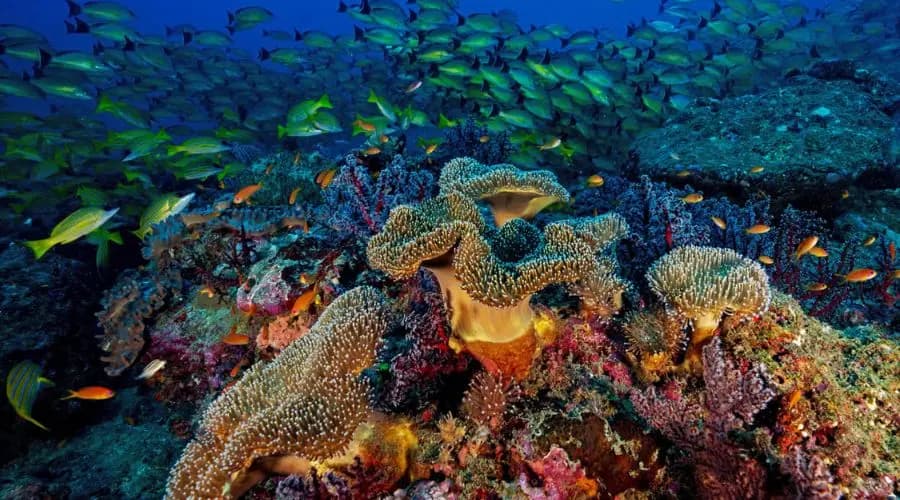
  • Coral Reef Status: The International Union for Conservation of Nature (IUCN) has assessed all 13 distinct coral reef ecoregions in South Asia as “critically endangered.” This includes significant regions in India, Bangladesh, Sri Lanka, the Maldives, and the Chagos Archipelago.
  • Area Coverage: These ecoregions cover over 8,000 square kilometers and approximately represent 4% of the world’s coral reefs.

Scientific Research:

  • Study Background: The study is based on 18 years of ground data predominantly provided by the Zoological Survey of India (ZSI) and represents the first comprehensive ecosystem assessment of its kind.
  • Authors and Contributors: Researchers from ZSI, including Dr. Tamal Mondal, led the study, which was published in the IUCN Red List of Ecosystems on October 22.

Environmental Impact:

  • Threats: The research predicts that rising marine heatwaves and recurring mass bleaching over the next 50 years could push coral reefs past a point of no return, jeopardizing marine biodiversity.
  • Ecological Importance: Coral reefs are vital for maintaining marine ecosystems, often termed "marine rainforests" for their biodiversity contributions. Their extinction would lead to the collapse of related ecosystems, threatening fish populations and coastal protections.

Methodology and Parameters:

  • The IUCN employs nine parameters to evaluate ecosystem risk, with ‘critically endangered’ marking a critical stage before extinction.

Contributions from India:

  • India provided the largest national contribution to the IUCN's analysis, showcasing the country’s active role in marine ecosystem monitoring.

Climate Change Context:

  • The assessments incorporate projections from IPCC climate scenarios, exacerbating the risks faced by coral reefs in the region.

Conclusion

This study underscores the urgent need for conservation efforts targeting coral reefs, especially considering their ecological significance and the potential impact of climate change. Collaboration among various scientific organizations and countries is crucial to mitigate further risks and preserve these vital marine ecosystems.

Impact of Climate on Truffle Production
Environment and Ecology04-Nov-2026

Impact of Climate on Truffle Production

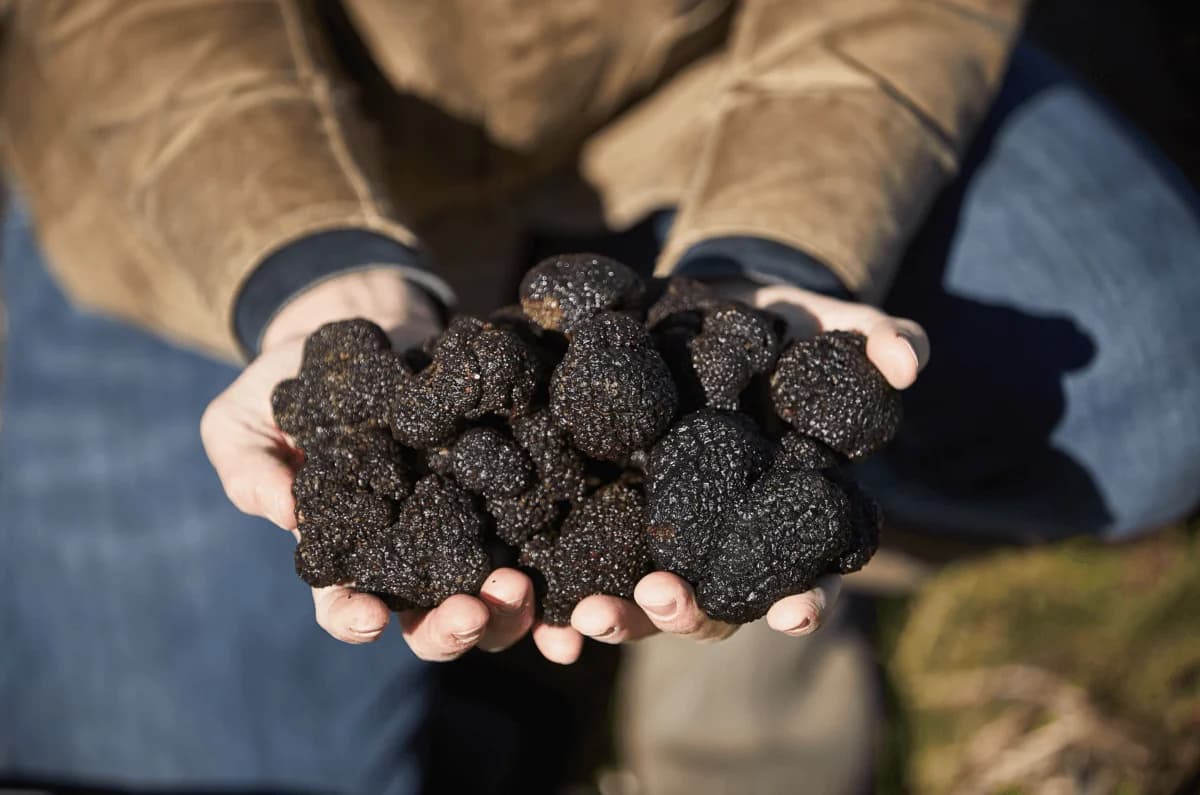
  • Climate Change Impact: Rising temperatures and drier summers are negatively impacting the growth and production of truffles, particularly in Italy's Piedmont region. This phenomenon is also observed in other agricultural products such as cocoa, coffee, and vanilla.

  • Historical Context of Food Extinction:

    • Passenger Pigeon: Once abundant in North America, the species was hunted to extinction, with the last individual dying in captivity in 1914.
    • Silphium: A herb favored by the Romans, it was so extensively consumed that it went extinct in the 1st or 2nd century CE.
  • Changing Agricultural Patterns:

    • In regions like Bordeaux (France) and Tuscany (Italy), warmer climates lead to early ripening of grapes, affecting wine flavor profiles.
  • Geographic Shift in Truffle Production:

    • Scotland is experiencing suitable conditions for truffle growth, offering a potential substitute for traditional Italian truffles as climate change constrains production in Southern Europe.
  • Biodiversity and Sustainable Practices: The situation underscores the importance of biodiversity in food production and the need for sustainable agricultural practices in the face of climate change.

  • Policy Implications: The loss of biodiversity affects food security and necessitates policies aimed at climate adaptation and the preservation of agricultural heritage.

  • International Agreements: Actions in response to climate change can be guided by international treaties such as the Paris Agreement, which aims to limit global warming and mitigate its impacts on ecosystems and agriculture.

  • Science and Technology: Innovations in agricultural science may provide new methods for cultivating truffles or other crops under changing climatic conditions, promoting resilience in food systems.

  • These points highlight the interconnectedness of climate change, agricultural productivity, and historical precedents in food species extinction, marking significant themes for environmental sustainability discussions.