iAspirants
Indigenous Communities and Elephant Conservation
Published on:
Share this post
Article Summary
Notes on Indigenous Communities and Elephant Conservation in Tamil Nadu
Indigenous Knowledge and Practices
- Indigenous communities possess generations of ecological knowledge essential for biodiversity conservation, particularly concerning ecosystems, wildlife behavior, and sustainable practices.
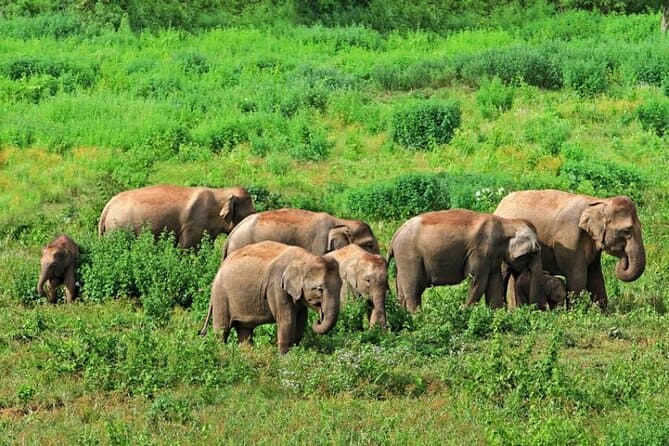
- In Tamil Nadu, communities such as the Kaatunaickers, Kurumbas, and Malasars have longstanding traditions in elephant care at historical sites like Theppakadu Elephant Camp, established in the 1920s.
Training Practices
- The Theppakadu Elephant Camp rehabilitates 27 elephants using traditional, compassionate training methods without conventional tools (e.g., ankush).
- Mahouts, primarily local tribal members, utilize techniques that integrate scientific understanding of elephant behavior with humane treatment.
Tribes and Their Contributions
- Malasars, residing at Kozhikamuthi Elephant Camp, utilize a distinct set of over 60 commands for elephant cooperation, underscoring their deep cultural bond with elephants.
- The community received national recognition (Gaj Gaurav Award) for their conservation efforts and significant contributions to wildlife management.
Human-Elephant Conflict and Conservation Policies
- Project Elephant: Launched by the Ministry of Environment, Forest, and Climate Change, this flagship initiative aims to mitigate human-elephant conflict by funding various conservation projects across states.
- Use of technology: AI-based monitoring systems are installed to predict elephant movements and reduce collisions, but their effectiveness requires field studies and proper integration with existing ecosystems.
Recent Incidents and Challenges
- A tragic incident occurred on August 13, involving the death of an elephant mother and calf on a railway track, highlighting ongoing conflicts between human infrastructure and wildlife.
- Experts emphasize that technological solutions must be tailored to local contexts to effectively mitigate human-elephant conflicts. An example includes successful cooperative planning in Valparai, which minimized conflicts through involvement of locals and stakeholders.
Environmental Considerations
- Mitigation strategies must consider the ecology and behavior of elephants, recognizing that standard methods may not be universally applicable across diverse landscapes.
- Armed with historical knowledge and a deep connection to nature, indigenous communities play a vital role in species conservation efforts, promoting sustainable coexistence between humans and elephants.
Key Takeaways
- The essence of indigenous wisdom in wildlife management is showcased through the practices of tribal communities managing elephants.
- Official policies like Project Elephant emphasize the need for integrated approaches combining technology, local wisdom, and compassion.
- Successful conservation hinges on understanding and respecting both human and wildlife needs in a diverse ecological landscape.
These points reflect the key facts, practices, and policies surrounding elephant conservation and the role of indigenous communities in Tamil Nadu.
Key Terms & Concepts
| World Indigenous Peoples’ Day | Honoring Indigenous knowledge |
| The Elephant Whisperers | Documentary on elephants |
| Mudumalai Tiger Reserve | Location of elephant camp |
| Kozhikamuthi elephant camp | Traditional care for elephants |
| Project Elephant | Conservation initiative in India |
| AI-enabled monitoring and early warning systems | Technology for conflict mitigation |
| Gaj Gaurav Award | National honor for elephant conservation |
| August 12 | World Elephant Day |
| AI-based systems in Coimbatore | Technology to reduce elephant deaths |