iAspirants
HomeAbout UsCurrent AffairsPrelims PYQsPricing
iAspirants
HomeAboutBlogsFAQsPricingLogin
Privacy PolicyTerms & ConditionsReturn PolicyContact Us

© 2025 iAspirants, Inc. All rights reserved.

  1. Blogs
  2. Environment and Ecology

India's Waste Management and Economic Vision

Published on: 13-Aug-2026

Share this post

India's Waste Management and Economic Vision

Article Summary

Summary of Key Points on Waste Management and Organic Resources in India

Context and Vision:

  • Viksit Bharat by 2047: India's aim for developed status by 2047, necessitating sustained economic growth over the next two decades.
  • Rising consumption in urban and rural India leads to increased waste generation, with both economic and environmental impacts.

Current Challenges in Waste Management:

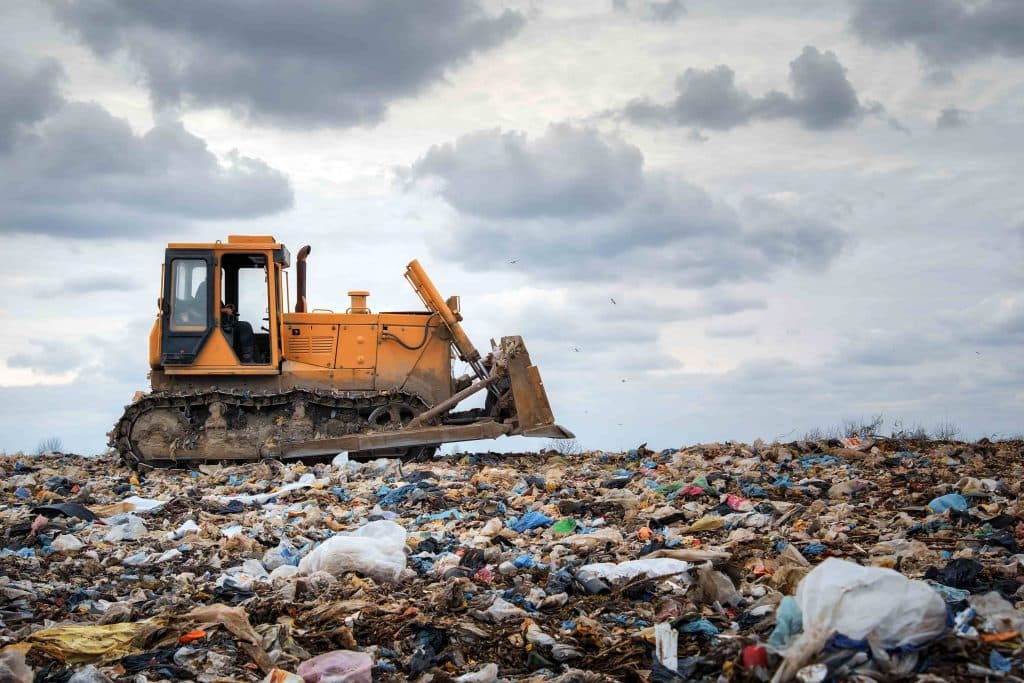
  • Waste Generation: Growth in waste volume and complexity across urban and rural areas, with evidence seen in public spaces (lakes, parks, urban roads).
  • Environmental Impact: Open burning practices exacerbate air pollution and contribute to the release of greenhouse gases such as methane.

Waste Composition:

  • Waste includes hazardous materials, recyclable items, and biodegradable organic waste, indicating a need for proper management.
  • Organic waste is pivotal for composting, biogas generation, and reducing environmental pollution.

Regulatory Framework:

  • Solid Waste Management Rules, 2026: Emphasize source segregation and local wet waste treatment methods like composting.
  • India's existing regulatory framework has been criticized for gaps in actionable outcomes.

Institutional Complexity:

  • Fragmented Responsibility: Management of organic waste is divided among 16 ministries, creating a lack of clear accountability.
    • Example: Community composting initiatives involve multiple governing bodies (Ministry of Jal Shakti, local panchayats, Ministry of Rural Development).

Economic Perspective:

  • Investment and Job Creation: Improved organic waste management could unlock a market worth $51 billion by 2047, attracting $24 billion investments and generating approximately 2.6 million jobs.
  • Climate Benefits: Effective waste management can significantly reduce methane emissions and improve urban air quality.

Rural Contributions:

  • Rural India, often overlooked, contributes substantially to total waste generation, including agricultural and biowaste.

Data and Information Gaps:

  • Current data regarding organic waste is siloed within government systems, hindering cohesive resource management efforts.
  • Emphasis on the principle: “What cannot be measured cannot be managed,” stressing the importance of integrated waste data.

Recommended Reforms:

  1. Organic Resource Inventory: Develop an inventory capturing quantity, quality, and seasonality of organic waste, enhancing local governance.
  2. Coordinated Scheme Objectives: Align various schemes toward a unified goal of resource recovery.
  3. Market Development: Establish reliable markets for recovered products (e.g., quality compost) to support agricultural efficiency and environmental objectives.

Constitutional and Policy References:

  • Schemes: Swachh Bharat Mission, MGNREGS (Mahatma Gandhi National Rural Employment Guarantee Scheme).
  • Environmental Goals: Aligning recovery efforts with national climate priorities to reduce reliance on imported fertilizers and mitigate local air pollution.

In summary, achieving a sustainable and effective waste management system in India requires a unified approach, clear accountability among governing bodies, and integration of existing data to unlock economic and environmental benefits.

Key Terms & Concepts

Viksit BharatVision for developed India by 2047
Solid Waste Management Rules, 2026Regulatory framework for waste
Swachh Bharat Mission-GrameenRural sanitation program
MGNREGSFunding source for labor
Council on Energy, Environment and Water (CEEW)Research organization providing estimates
$51 billionMarket opportunity by 2047
$24 billionExpected investments in waste management
26 lakhPotential direct jobs created
MethaneGreenhouse gas from waste
Quality compost and biocharProducts from organic waste recovery
Data integrationNeeded for systemic response
Organic-resource inventoryTo manage organic waste sources

Mind Map for UPSC Civil Services Revision

Turn UPSC Civil Services Current Affairs Into Exam-Ready Notes

Reading Environment and Ecology current affairs is half the work. Revise them with ready-made notes and test what actually stuck.

  • Daily UPSC Civil Services current affairs analysis
  • Revision notes, mind maps & MCQs
  • Prelims mock tests with instant results

Related UPSC Civil Services Current Affairs Articles

India's Marine Resource Management Program
Environment and Ecology12-Aug-2026

India's Marine Resource Management Program

Exam-Focused Notes on Marine Biology and Resource Management in India

Government Initiative:

  • The Ministry of Earth Sciences has implemented a comprehensive program through the Kochi-based Center for Marine Living Resources and Ecology (CMLRE) to assess and monitor marine living resources (MLR) in India's Exclusive Economic Zone (EEZ).
Carbon sequestrationBenefit of compost
Rural and urban wasteMain contributors to total waste

Surveys Conducted:

  • Over the past three years (2023-2026), CMLRE has conducted 19 surveys to evaluate fish resources and marine biodiversity within the Indian EEZ.

Key Applications of Scientific Data:

  • The scientific data obtained is utilized for:
    • Sustainable fisheries management.
    • Marine conservation.
    • Evidence-based policy-making.

Specific Programs and Goals:

  • Estimation of potential fish yield in the Indian EEZ (conducted every eight years).
  • Identification of Ecologically and Biologically Significant Areas (EBSA).
  • Development of biodiversity inventories and genomic reference libraries.
  • Identification of fish breeding grounds and seasons.
  • Presentation of data aligned with national and international commitments, including the Convention on Biological Diversity and Sustainable Development Goal 14 (SDG-14).
  • Publication of scientific reports on deep-sea and remote marine resources in the Indian EEZ.

Long-term Monitoring and Assessment:

  • The program includes long-term observation and monitoring of fish resources, biodiversity, and environmental factors in the Indian EEZ.
  • Ongoing mapping and evaluation of marine ecosystems.

Conservation Efforts:

  • The establishment of the Bhavsar National Reserve for the long-term preservation and documentation of deep-sea biological samples.
  • Support for modern classification and biodiversity research through advanced scientific technologies and digitization of collections and data.

Collaboration:

  • Capacity building and collaboration with national and international institutions in the field of marine science.

Alignment with National Policies:

  • The program supports the conservation of sensitive marine ecosystems and the sustainable management of marine living resources in accordance with national priorities and international commitments.

Judicial and Legislative Framework:

  • While specific constitutional articles or legal frameworks were not mentioned in the text, the program aligns with India's commitments under international treaties and national environmental policies.

Overall Impact:

  • The initiative aims to enhance scientific research, ecosystem monitoring, and long-term assessment of marine living resources, contributing to sustainable development and biodiversity conservation in India's marine areas.
Opposition to Sewage Treatment Plant Plans
Environment and Ecology12-Aug-2026

Opposition to Sewage Treatment Plant Plans

Summary of Key Points on Sewage Treatment Plant Controversy in Valayambattu Village

Location & Demographics:

  • Valayambattu Village, Tirupattur District
    • Under Alangayam Panchayat Union
    • Population: Over 4,000 families
    • Livelihood: Primarily agriculture (crops like paddy, green chilli, brinjal, groundnuts, greens, and mango) and weaving.

Proposed Project:

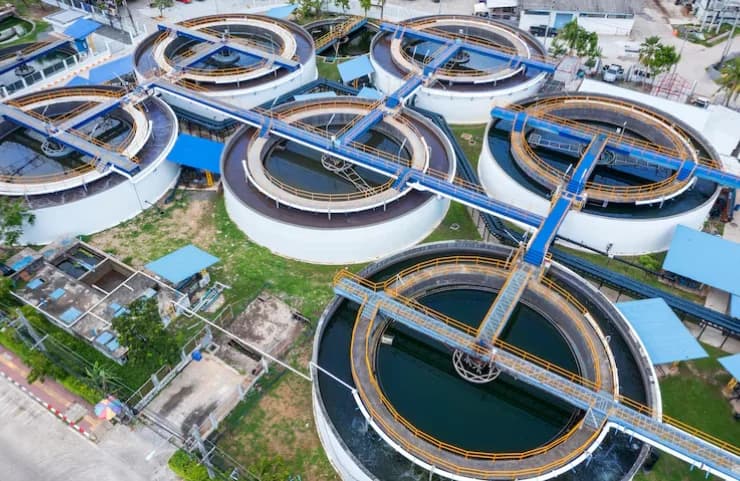
  • Sewage Treatment Plant (STP)
    • Proposed site: 10-acre plot identified near the Palar River, close to Valayambattu village.
    • Intended to treat sewage from Vaniyambadi Municipality, located about 2 km away.
    • Aim: To end illegal sewage discharge into existing stormwater drains, which currently pollute lakes and ponds.

Community Concerns:

  • Groundwater Pollution: Residents fear the STP will contaminate groundwater and affect the quality of the water bodies.
  • Impact on Agriculture: Concerns that the STP's proximity to farming areas will harm water quality and thus affect agricultural productivity in the surrounding villages.
  • Alternative Proposals: Residents suggest relocating the STP to a site away from agricultural and water bodies, advocating for its use as grazing land or for rainwater storage to prevent flooding.

Municipal Justification:

  • Cost Constraints: Vaniyambadi municipal officials faced challenges finding affordable land within municipal limits, leading to the choice of the Valayambattu site.
  • Sewage Management Improvement: The STP is projected to enhance wastewater management and recycle water for irrigation of public spaces.

Environmental and Agricultural Context:

  • Water Bodies: The village has several water bodies and is situated near the confluence of Kallar and Palar rivers.
  • Risk of Inundation: Concerns expressed over housing inundation during monsoon if land is used for STP instead of rainwater storage.

Stakeholder Perspectives:

  • Residents' Stance: Advocacy for environmental assessments and alternative site identification to mitigate potential risks to agriculture and water quality.
  • Municipal Officials' Perspective: Framing the STP as a necessary measure for wastewater management and public health improvement.

Summary of Implications:

  • Environmental Impact: The situation raises critical questions about balancing urban development, environmental sustainability, and agricultural needs.
  • Community Engagement: Highlights the importance of involving local communities in decision-making processes regarding infrastructure that affects their livelihoods and environment.

Conclusion:

The proposed STP in Valayambattu presents significant implications for environmental health, agricultural sustainability, and community welfare. Balancing civic needs with ecological concerns remains a pressing issue in urban planning.

World Elephant Day Celebrates Conservation Efforts
Environment and Ecology12-Aug-2026

World Elephant Day Celebrates Conservation Efforts

World Elephant Day: Conservation Efforts and Significance

Environmental and Ecological Importance

  • Elephant Population: India is home to approximately 60% of the world's wild Asian elephants, with an estimated population of 22,446 elephants as per the Synchronous All-India Elephant Estimation (SAIEE) 2021-25.
  • Keystone Species: Elephants play a crucial role in maintaining forest ecosystems, supporting biodiversity, and ensuring ecological balance. Their migratory behavior helps create paths and water sources beneficial for other wildlife.

Government Initiatives

  • Project Elephant: Launched by the Government of India under the Ministry of Environment, Forest and Climate Change (MoEFCC) to protect elephant habitats and mitigate human-elephant conflicts. It provides financial and technical assistance to states.
  • Elephant Reserves: India has established 33 elephant reserves covering an area of 80,777 square kilometers, with an increase of 8,610 square kilometers since 2014. This initiative enhances habitat connectivity and ecological integrity.
  • Elephant Corridors: Identified and confirmed 150 corridors across four regions to facilitate safe movement and genetic diversity of elephant populations, reducing human-elephant conflict.

Conservation Techniques

  • Technological Integration: Use of DNA-based sampling for population assessments and monitoring through technology-driven measures like AI-enabled systems for real-time alerts in railway corridors.
  • Monitoring Framework: The Management Effectiveness Evaluation Framework for Elephant Reserves was introduced in 2023 to ensure transparent evaluation and management.

Legislative Framework

  • Wildlife Protection Act, 1972: Governs the protection of elephants from illegal trade and trafficking.
  • Captive Elephants (Transfer or Transport) Rules, 2024: Introduced to regulate the movement of captive elephants and prevent illegal transfers.

Community Engagement

  • Local Community Involvement: The government promotes community participation in wildlife protection through financial aid for damages caused by wildlife, including compensation for injuries and crop loss.
  • Human-Wildlife Conflict Mitigation: The Human-Wildlife Conflict Advisory provides strategies for managing conflicts, including hotspot mapping and rapid response teams.

Economic and Statistical Data

  • Railway Safety Measures: The government has identified 127 sensitive railway sections across 14 states to reduce elephant fatalities, implementing protective measures such as underpasses and using advanced technologies like optical fiber intrusion detection.
  • Reduction in Train-Related Deaths: Deaths of elephants from train incidents decreased from 26 in 2013 to 12 in 2024, representing a reduction of over 50%.

Cultural Significance

  • Cultural Heritage: Elephants hold significant cultural value in India, symbolizing wisdom and authority in various traditions, including their role in religious practices and community identities.

Conclusion

India's commitment to elephant conservation reflects a blend of scientific research, community participation, and traditional values, aiming to secure the future of Asian elephants while promoting ecological balance and cultural heritage. The ongoing efforts highlight the importance of sustainable coexistence between humans and wildlife.

Formation of Multidisciplinary Central Team
Environment and Ecology11-Aug-2026

Formation of Multidisciplinary Central Team

Key Highlights on Cloudburst Events in Himachal Pradesh

  1. Formation of Multi-Sectoral Central Team (MSCT):

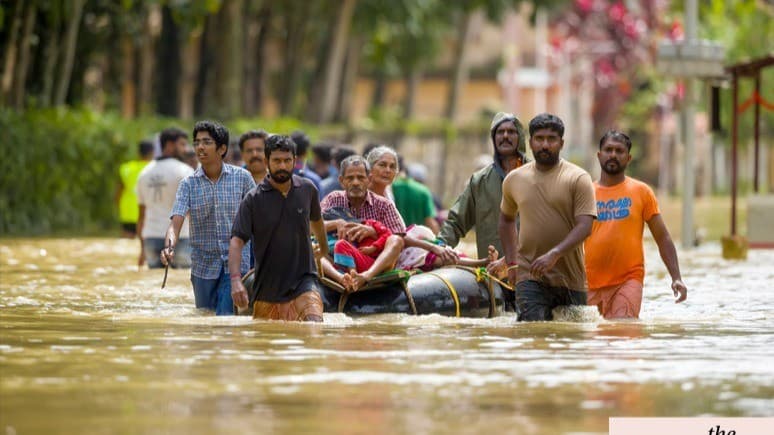
    • A Multi-Sectoral Central Team (MSCT) has been established to address the increasing frequency and intensity of cloudbursts, sudden floods, landslides, and heavy rainfall in Himachal Pradesh.
    • The team comprises experts from various agencies, including:
      • National Disaster Management Authority (NDMA)
      • Central Building Research Institute (CBRI), Roorkee
      • Indian Institute of Tropical Meteorology (IITM), Pune
      • Indian Institute of Technology (IIT), Indore
      • Other relevant agencies.
  2. Responsibilities of MSCT:

    • Conduct a scientific assessment of the causes behind the rising extreme weather events in Himachal Pradesh.
    • Analyze geographical and ground conditions of the most affected areas.
    • Compile and scrutinize data obtained from various agencies.
    • Recommend long-term measures to mitigate the impact of such disasters.
  3. Climate Change Influence:

    • Assessments by meteorological experts and scientific institutions indicate that climate change is leading to increased intensity and frequency of extreme rainfall in the Himalayan region.
    • Rapid melting of snow and instability of debris brought by glaciers are causing untimely landslides in high-altitude areas and heightened water flow.
  4. Human-Induced Factors:

    • The MSCT's study suggests that anthropogenic factors are also contributing to the escalating risks in the region.
  5. Government Response:

    • The information was shared by Minister of State for Home Affairs, Shri Nityanand Rai, in a written reply to a question in the Lok Sabha, indicating the government's acknowledgment of the issue and its proactive measures.
  6. Constitutional and Policy Framework:

    • While specific constitutional articles or amendments were not mentioned, the government's response aligns with the constitutional duty to protect citizens from natural disasters and the Directive Principles of State Policy (DPSPs) related to environmental protection and sustainable development.
  7. International Context:

    • The information reflects broader global challenges related to climate change and disaster management, which are pertinent to international discussions and agreements on environmental sustainability.
  8. Scientific and Technological Implications:

    • The involvement of scientific institutions highlights the role of research and technology in understanding and mitigating the effects of climate change and natural disasters.

This summary encapsulates the critical developments regarding cloudburst incidents in Himachal Pradesh, emphasizing the government's strategic response and the scientific understanding of the underlying issues.

Rooftop Gardens Cool Chennai Urban Heat
Environment and Ecology11-Aug-2026

Rooftop Gardens Cool Chennai Urban Heat

Summary of Rooftop Gardens Study in Chennai

Study Overview

  • Conducted by: IIT-Madras and Okapi Research and Advisory.
  • Objective: Investigate the impact of urban rooftop gardens on thermal comfort and indoor temperatures in Chennai.
  • Locations: Studies at four sites - Adyar, Chromepet, Otteri, and Adambakkam.

Key Findings

  • Cooling Effect: Rooftop gardens resulted in indoor temperatures being 1°C to 2°C cooler compared to rooms under exposed roofs.
  • Surface Temperature Reduction: Roof surface temperatures decreased by 8°C to 12°C with the installation of rooftop gardens.
  • Specific Temperature Readings:
    • In Adambakkam, the garden-covered room recorded 33.7°C at 5 p.m. compared to 37°C in the room without a garden (a reduction of 3.2°C).
    • In Adyar, a garden-covered room recorded 32.1°C at 6 p.m., down from 34.3°C (a reduction of 2.2°C).
  • Ambient Temperature Difference: In Otteri, an ambient temperature difference of 8.1°C was noted; 35.7°C over the garden-covered roof vs. 43.8°C over an exposed roof.

Methodology

  • Various sensors were employed to measure:
    • Incoming and outgoing radiation.
    • Temperature at roof surfaces, ceilings, and heights above the roof.

Implications

  • Urban Cooling Strategy: The study underscores the effectiveness of rooftop gardens as a passive cooling strategy, especially beneficial for vulnerable communities.
  • Policy Recommendation: Advocated for consideration of rooftop gardens in broader urban heat mitigation strategies as they are an affordable option.
  • Future Research: Further exploration intended to assess the scaling up of benefits from building-level to city-level, including the transformation of 20%-30% of urban terraces into rooftop gardens to combat urban heat island effects.

Conclusion

The study concludes that integrating rooftop gardens can significantly reduce heat exposure in urban environments and should be prioritized in urban planning and environmental policies for climate resilience.