iAspirants
Current AffairsPrelims PYQsUPSC CSE SyllabusUPSC CSE StrategyBlogsPricing
Login
iAspirants

Your AI-powered companion for UPSC preparation.

Quick Links

  • Home
  • About Us
  • Current Affairs
  • Prelims PYQs
  • UPSC CSE Syllabus
  • UPSC CSE Strategy
  • Blogs

Company

  • Pricing
  • FAQs
  • Contact Us
  • Login

Legal

  • Privacy Policy
  • Terms & Conditions
  • Return Policy

© 2025 iAspirants, Inc. All rights reserved.

  1. Blogs
  2. Economic and Social Development

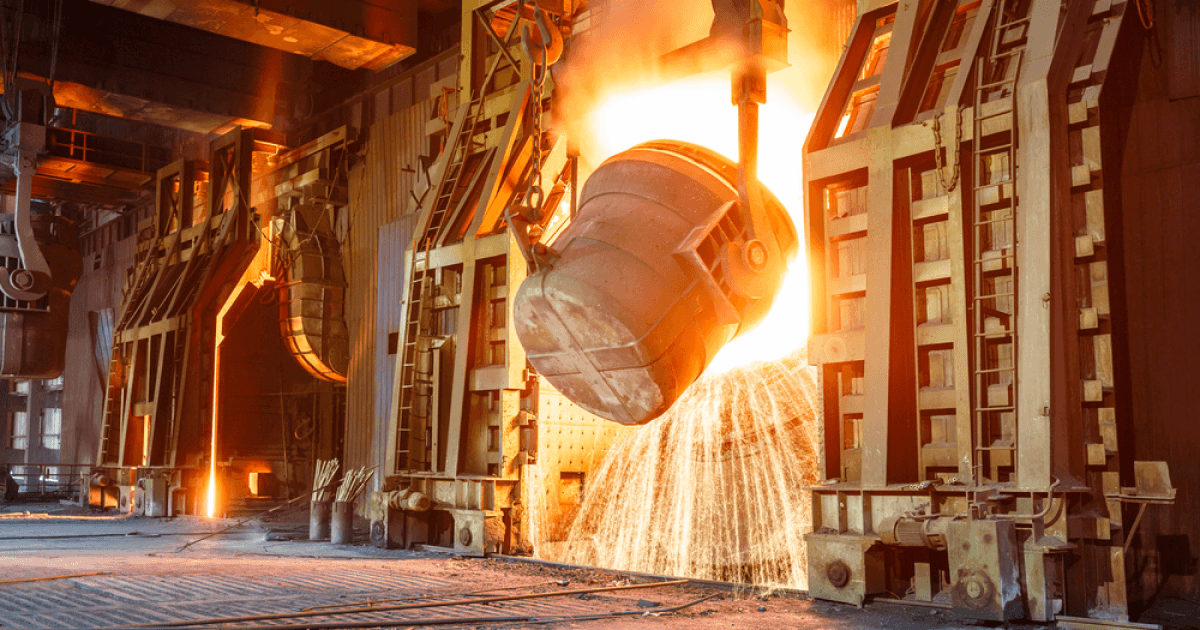
India's Steel Sector Self-Reliance Progress

Published on: 05-May-2026

Share this post

India's Steel Sector Self-Reliance Progress

Article Summary

India’s Steel Sector: Key Developments and Data

Overview

  • Global Standing: India is the world’s second-largest steel producer since 2018, accounting for 7.9% of global crude steel production (up from 5.2% in 2014).
  • Consumption Growth: Finished steel consumption increased from 77 million tonnes (MT) in 2014-15 to an estimated 163.7 MT in 2025-26.

Economic Indicators

  • Production Targets: India aims for a steel production capacity of 500 MT by 2047.
  • Employment: Government initiatives have created over 13,000 jobs in the specialty steel sector.
  • Production Growth: Crude steel production rose from 43.44 MT in 2004-05 to 168.4 MT in 2025-26, with a CAGR of ~9% between 2021-22 and 2025-26.

Government Schemes and Policies

  • Production Linked Incentive (PLI) Scheme:
    • Launched in 2021 with a financial outlay of ₹6,322 crore, targeting specialty steel production.
    • Achievements include ₹23,022 crore investment and 2.4 million tonnes of specialty steel produced.
  • National Steel Policy (2017):
    • Aims for crude steel capacity of 300 MTPA by 2030-31 and a per capita finished steel consumption increase to 158 kg.
    • Targets to reduce coking coal import dependency from 85% to 65% by 2030-31.

Environmental Initiatives

  • Decarbonisation Goals:
    • Commitment to achieve net-zero emission intensity by 2070, with green steel production emphasizing renewable energy and green hydrogen.
    • The Green Steel Taxonomy, introduced in 2024, defines 'green steel' based on CO2 emissions.
    • As of March 2026, 89 steel units received green steel certification.

Trade Performance

  • Exports and Imports:
    • Steel exports rose by 29.1% year-on-year in March 2026, while imports declined by 9.5%.
    • Major export destinations include Vietnam, Belgium, and Taiwan, which account for over 50% of total finished steel exports.

Quality Control and Standards

  • Steel Quality Control Orders (QCOs):
    • Mandate compliance with BIS standards, banning sub-standard products and ensuring quality in the domestic market.
    • A total of 143 QCOs for 723 products have been enforced as of December 2025.

Infrastructure and Logistics

  • PM GatiShakti Masterplan:
    • Supports logistics planning by mapping steel units and their capacities to enhance infrastructure development.
  • Identification of Steel Zones:
    • The government is fast-tracking key logistics projects across 12 major steel zones to improve connectivity and support sector growth.

International Agreements and Collaborations

  • FDI Policies:
    • Foreign Direct Investment in the steel sector increased by 120% from 2014 to 2024, with 100% FDI under the automatic route.
  • Free Trade Agreements: Efforts to enhance market access through agreements with the UK, EU, and others.

Future Outlook

  • Technological Integration:
    • Initiatives like the AI in Steel Pavilion aim to leverage technology for operational challenges across the steel value chain.
  • Sustainability Focus:
    • Emphasis on R&D for low-carbon technologies, recycling policies, and promotion of indigenous technologies to bolster self-reliance and sustainability in the steel sector.

This summary encapsulates the significant advancements and strategies within India's steel sector, emphasizing its contribution to economic growth, sustainability, and self-reliance in line with national policies and global standards.

Key Terms & Concepts

Second-largest steel producerPosition held since 2018
₹23,022 croreInvestment under PLI scheme
2.4 million tonnesOutput from specialty steel
13,264 direct jobsJobs created by PLI scheme
66%Achievement of National Steel Policy target
500 MTTarget steel production capacity by 2047
9.1%Cumulative index growth FY 2025-26
National Steel Policy 2017Aims for 300 MTPA capacity
Atmanirbhar BharatVision for self-reliance
Green Steel TaxonomyDefines green steel production
CCUS technologiesFocused on emissions reduction
12.34 MTVolume certified as green steel
₹20,000 crore

Mind Map for UPSC Civil Services Revision

Turn UPSC Civil Services Current Affairs Into Exam-Ready Notes

Reading Economic and Social Development current affairs is half the work. Revise them with ready-made notes and test what actually stuck.

  • Daily UPSC Civil Services current affairs analysis
  • Revision notes, mind maps & MCQs
  • Prelims mock tests with instant results

Related UPSC Civil Services Current Affairs Articles

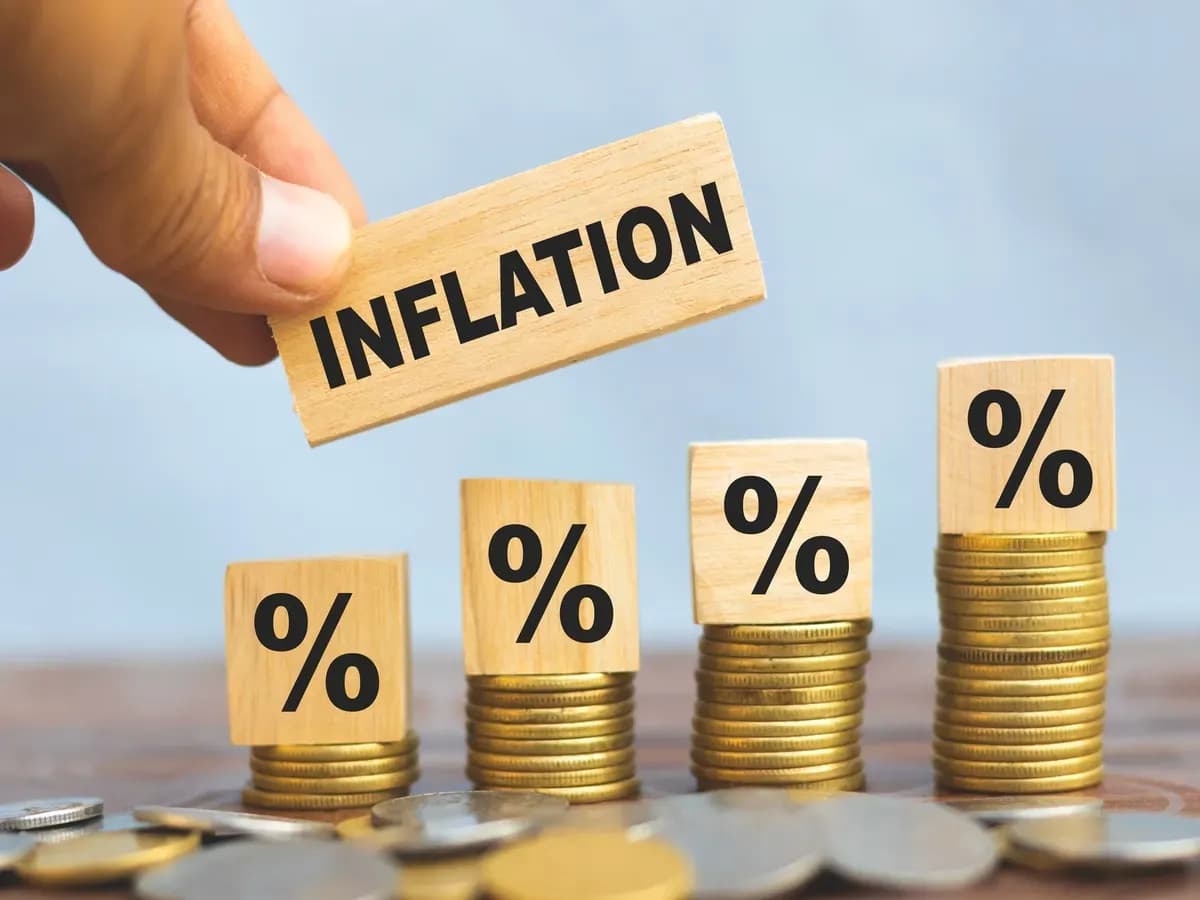
India's Inflation and Monetary Policy Update
Economic and Social Development21-Sep-2026

India's Inflation and Monetary Policy Update

Monetary Policy Context in India

Key Economic Indicators:

  • Repo Rate: Currently held at 5.25% by the Reserve Bank of India (RBI).
  • Inflation Rates:
    • Consumer Price Inflation: (August 2023), up from (July).
Budget for CCUS technologies
PM GatiShakti MasterplanSupports logistics planning
143 QCOsQuality Control Orders issued
120%Increase in FDI inflow (2014-2024)
4.82%
4.45%
  • Food Inflation: Higher at 5.95%.
  • Core Inflation: Approximately 4.2%.
  • Monetary Policy Dynamics:

    • The real interest rate may approach zero if inflation expectations rise. This scenario indicates a shift from a positive real interest rate environment.
    • RBI projects inflation for FY2026-27 at around 5%, but current rates exceed this projection.

    External Factors Affecting Inflation:

    • Oil Prices: Brent crude oil has surpassed $100 a barrel, approaching $110, influenced by geopolitical tensions in West Asia affecting shipping routes.
    • The combination of rising oil prices, a weaker rupee, and elevated global commodity prices adds to inflationary pressures.

    Banking Sector Analysis:

    • Bank Credit Growth: Strong at 19.1% as of August 2023.
    • Deposit Growth: Increased to 17.8%, the fastest rate in a decade, partly due to the RBI's special FCNR(B) scheme.
    • Credit-Deposit Ratio: Approximately 80.3% at the end of August.

    Impact of Inflation on Savings:

    • Rising inflation reduces the real return on conventional bank deposits, encouraging households to explore alternatives such as mutual funds, equities, and gold.
    • There is a historical correlation between gold imports and inflation expectations (correlation coefficient of 0.83 between 2010-2013).

    Judicial and Institutional Considerations:

    • The RBI's decision-making reflects a tension between the need to manage inflation and the implications of a steadily growing economy and bank credit.
    • The timing of monetary policy adjustments is crucial; a timely 25-basis-point increase may be preferable to a later 50-basis-point response in managing inflation expectations.

    Conclusion:

    India is navigating a nuanced economic landscape where inflationary pressures are juxtaposed with robust growth and credit demand. The RBI may need to reassess its monetary policy strategies promptly to avoid a zero real interest rate environment which could further complicate inflation control.

    Coal India Advances Energy and Technology
    Economic and Social Development20-Sep-2026

    Coal India Advances Energy and Technology

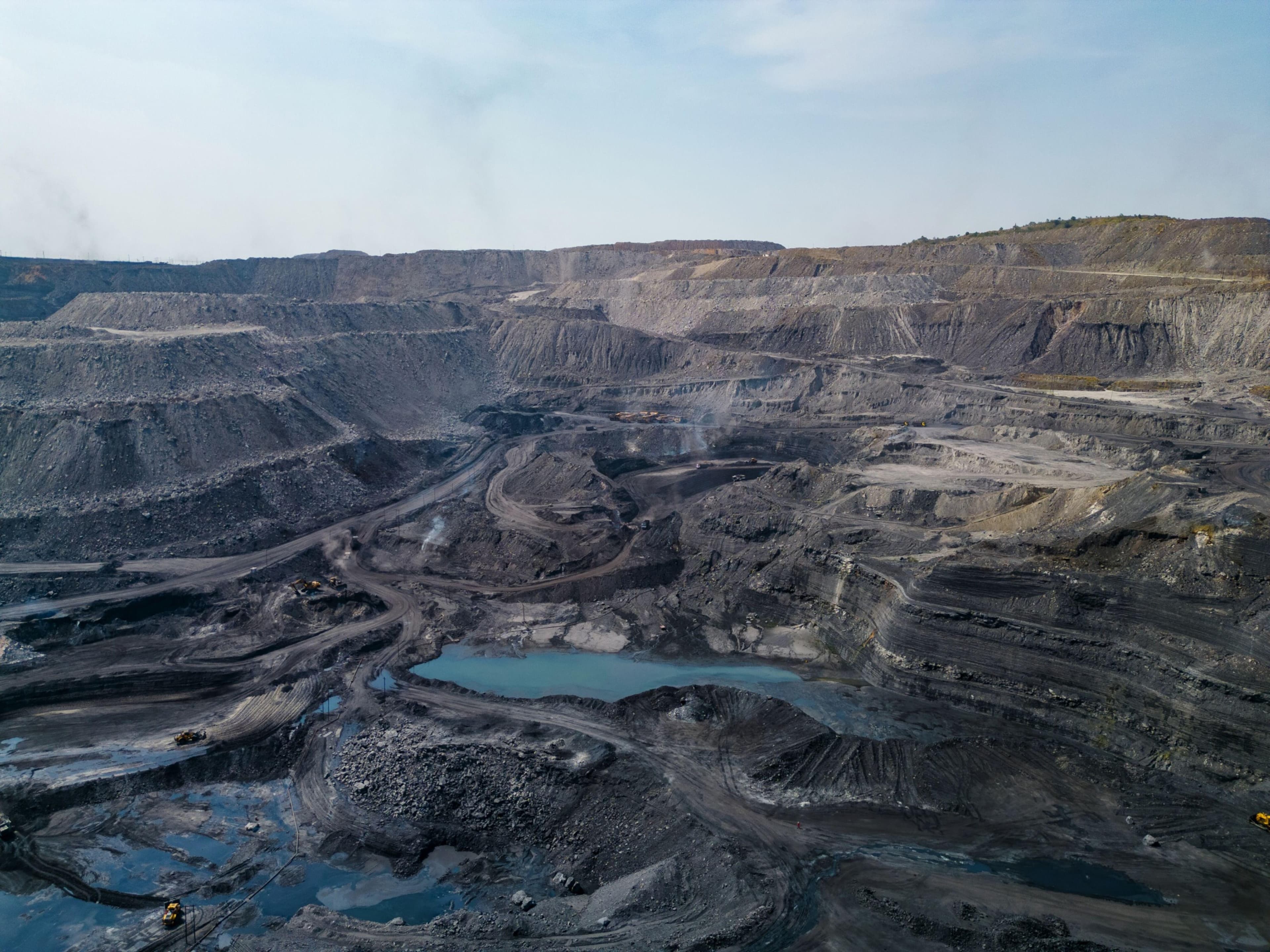
    Coal India Limited (CIL) Strategic Initiatives and Technological Diversification

    Overview

    • CIL Diversification: Transition from traditional coal mining to a technology-driven portfolio encompassing energy, minerals, advanced materials, and R&D.
    • Strategic Focus Areas:
      • Coal gasification
      • Thermal energy
      • Renewable energy
      • Energy storage
      • Development of critical minerals and indigenous technology.

    Key Projects and Investments

    • Investment in Coal-to-Chemicals:
      • Total estimated investment of ₹69,346 crores across four coal-to-chemical projects.
      • Projects include:
        • Talcher Fertilizers Ltd: Urea production capacity of 1.27 MMT/year, cost ₹19,062.22 crores.
        • India Coal Gasification & Chemicals Ltd: Ammonium nitrate production capacity of 0.66 MMT/year, cost ₹25,015.89 crores.
        • Coal Gas India Ltd: Synthetic natural gas production capacity of 633.6 million NM³/year, cost ₹13,052.81 crores.
        • CIL-BPCL Chandrapur: Synthetic natural gas production capacity of 633.6 million NM³/year, cost ₹12,214.86 crores.

    Technological Developments

    • Coal Gasification:
      • Converts coal to synthetic gas (syngas) for producing synthetic natural gas, ammonia, urea, etc.
      • Promotes import substitution.
    • Underground Coal Gasification (UCG): Pilot project in Kasta West Block, Eastern Coalfields, with phases aimed for completion by 2026.
    • Renewable Energy:
      • Installation of approximately 550 MW solar capacity, including floating solar projects.
      • Joint venture with Damodar Valley Corporation for a 2x800 MW ultra-supercritical thermal power project.

    Battery Energy Storage Systems (BESS)

    • Ongoing Projects:
      • Telangana's TGGENC0 Choutuppal: 187.5 MW/750 MWh capacity.
      • Odisha: 80 MW/320 MWh capacity across four locations.
    • Importance: Supports integration of renewable energy, demand management, and grid stability.

    Critical Minerals and Advanced Materials

    • Focus Areas:
      • Development of graphite and rare earth elements (REE) in Madhya Pradesh, Chhattisgarh, Andhra Pradesh, and Maharashtra.
      • Establishment of an integrated graphite value chain from mining to production.

    Research and Development (R&D)

    • R&D Framework: Established in 1975, leading to the formation of the R&D Board in 1994 and a Supreme Committee in 2003.
    • Annual R&D Budget: ₹61.31 crores in FY 2023-24, projected to increase to ₹500 crores by FY 2029-30.
    • Key R&D Areas: Smart mining using AI and IoT, waste-to-wealth initiatives, clean coal technology, and alternative uses of coal.

    Economic and Environmental Considerations

    • Risk Management: CIL adopts a proactive risk management approach covering technology, market, financial, environmental, and operational risks.
    • Sustainability Goals: Focus on carbon reduction, efficient resource utilization, and environmental impact management.

    Future Directions

    • Strategic Partnerships: CIL aims to leverage technology transfer and localization through joint ventures for market access.
    • Priorities: Aiming for responsible diversification, technology roadmaps, and establishing a hub-and-spoke network for R&D collaboration.

    Conclusion

    • CIL's Evolution: Transitioning from a coal-centric model to a diversified energy and minerals entity, focusing on sustainability, technology innovation, and self-reliance in energy and mineral security.
    Punjab's Struggle Against Drug Addiction
    Economic and Social Development19-Sep-2026

    Punjab's Struggle Against Drug Addiction

    Summary of Key Points Related to Addiction and Governance in Punjab

    Addiction Context in Punjab

    • Over 1 million individuals registered at government de-addiction clinics in Punjab.
    • Historical context: Afeem (opium) and its cultural use have been prevalent for over 200 years; substance use has deep roots in community traditions.

    Nature of Addiction

    • Opioids (e.g., opium, heroin) affect brain receptors; heroin leads to quicker addiction compared to opium due to its rapid impact on the body.
    • Addiction is often misunderstood; treatment requires more than willpower—it's a complex biological condition influenced by substance chemistry.

    Urgency and Governance in Addressing Addiction

    • Governance failure: Current measures have not broken existing drug supply networks.
    • Technological measures: Recommendations for border control include:
      • Detection grids
      • Counter-drone systems
      • Improved forensic capabilities to trace drug origins

    Budget and Resource Allocation

    • The funding directed towards de-addiction programs in Punjab is inadequate:
      • The entire budget for de-addiction is described as a "rounding error" relative to other priority areas (e.g., power subsidy).
      • There is a lack of specialists: Punjab has a deficit of psychiatrists and counselors.

    Economic and Employment Factors

    • An emphasis on providing jobs for recovering addicts to prevent relapse.
    • Cost of medication (30 Rupees health clinic vs. 300 Rupees on the black market) demonstrates a disparity that indicates a lack of regulation and support.

    Recovery Potential

    • Addiction recovery is possible; the brain can heal, albeit slowly.
    • Continuous support and medical assistance post-recovery are critical, with noted high relapse rates occurring 18 months after treatment.

    Conclusions and Recommendations

    • The issue of addiction is framed as a medical condition compounded by a criminal supply chain and requires focused governance.
    • Importance of prioritizing investments in mental health treatment and de-addiction services in Punjab to curb the crisis.

    This summary provides an analytical view of the addiction situation in Punjab, highlighting the need for substantial reforms, resource allocation, and a shift in societal understanding of addiction as a medical rather than purely moral crisis.