iAspirants
India's Semiconductor Future Development
Published on:
Share this post
Article Summary
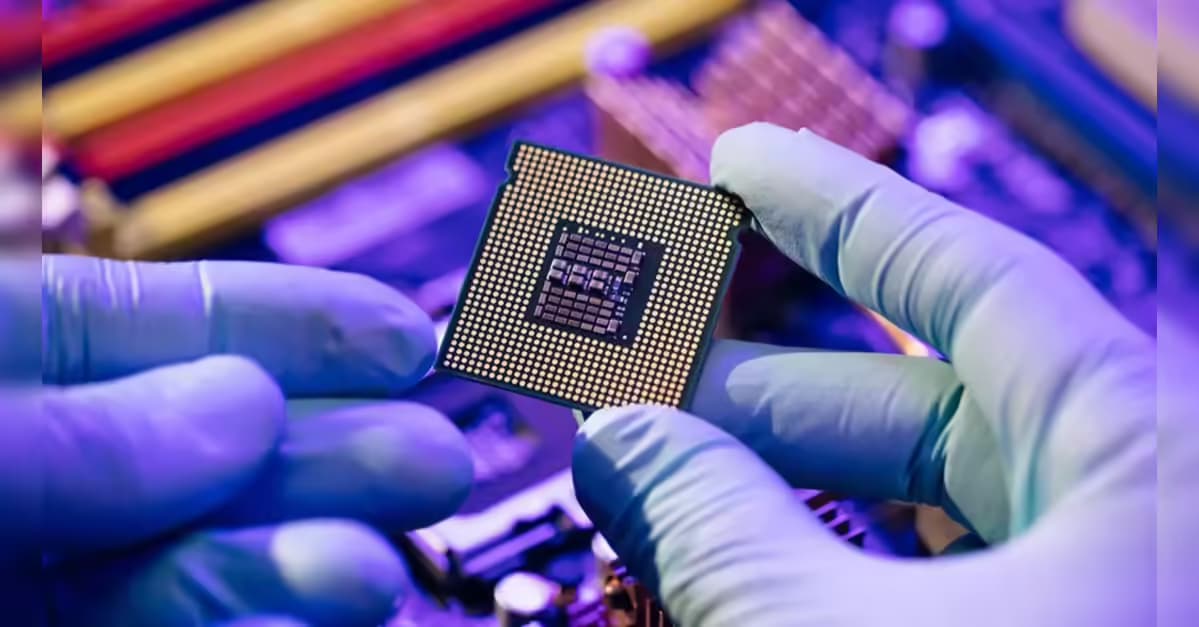
India Semiconductor Mission Overview
Government Initiatives:
- Semicon 1.0 and 2.0:
- Semicon 1.0: Launched in December 2021 with an allocation of ₹76,000 crore to establish a domestic semiconductor and display manufacturing ecosystem.
- Semicon 2.0: Approved on July 15, 2026, with a budget of ₹1,27,500 crore, focusing on enhancing capabilities across six strategic pillars:
- Research and Development
- Chip Design
- Machinery & Materials
- Establishment of more fabs
- Talent Development
- Strengthening the ATMP/OSAT industry.
Economic Data:
- Global Semiconductor Market Growth: Projected CAGR of 6.5% from 2014-2024, expected to rise to 8.5% over the next 5-10 years.
- India's Semiconductor Demand: Estimated to reach $110 billion by FY2030 and exceed $200 billion by FY2035.
- Import Expenditure: India spent approximately $150 billion on semiconductor imports from FY2017 to FY2025, with a CAGR of 23%. If trends continue, by FY2035, annual imports could reach $240 billion.
Strategic Importance:
- Semiconductors are critical for modern technologies including AI, telecommunications, electric mobility, defense, and advanced manufacturing.
- They enable innovations in IoT, 5G/6G, data centers, and autonomous vehicles.
- The geopolitical landscape has highlighted risks in supply chains, prompting major economies to bolster domestic semiconductor capabilities.
Judicial and Legislative Framework:
- The National Electronics Policy (NPE) 2019 and subsequent schemes (e.g., Production Linked Incentives (PLI)) promote electronics and semiconductor manufacturing.
- Electronics Manufacturing Policy: Aims to create a robust ecosystem for manufacturing electronic components and semiconductors.
International Collaborations:
- India has engaged in semiconductor collaborations with the USA, Japan, EU, Singapore, and the Netherlands.
- A joint declaration on semiconductor ecosystem partnership was signed with Germany during Chancellor's visit in January 2026.
Technological Developments:
- Semiconductor Laboratory (SCL), Mohali: Develops space-grade chips for satellites and space missions.
- Chandrayaan-3: Featured an Indian-made camera chip for its imaging systems.
Key Achievements under Semicon 1.0:
- Approval for 12 semiconductor manufacturing units with a proposed investment of over ₹1.64 lakh crore.
- Five units have commenced commercial production.
- 24 chip design projects approved, valued at approximately ₹900 crore.
- Over 500 organizations and 1 lakh engineers are now engaged in advanced chip design.
Future Outlook:
- The focus is on building a comprehensive semiconductor ecosystem from raw materials to finished chips.
- Aiming for strategic autonomy and high-value employment opportunities within India.
- Continuous policy support will be crucial for sustaining growth in the semiconductor sector.
Constitutional References:
- The initiatives align with the Directive Principles of State Policy (DPSPs) promoting economic development and self-sufficiency.
Conclusion
India's semiconductor mission is pivotal for technological self-reliance and economic growth, positioning the country as a global semiconductor hub by strengthening domestic capabilities and fostering international collaborations.
Key Terms & Concepts
| Semicon 2.0 | Approved semiconductor initiative |
| ₹1,27,500 crore | Funding for Semicon 2.0 |
| 15 July 2026 | Approval date for Semicon 2.0 |
| CAGR 6.5% | Global semiconductor market growth |
| CAGR 23% | Import growth rate of semiconductors |
| ₹150 billion | Spent on semiconductor imports |
| ₹240 billion | Projected annual import by 2035 |
| Semicon 1.0 | Previous semiconductor initiative |
| December 2021 | Approval date for Semicon 1.0 |
| National Electronics Policy 2019 | Framework for electronics manufacturing |
| Electronics Manufacturing Cluster Scheme 2.0 | Support for electronics infrastructure |
| Aditya-L1 Mission | Uses radiation-hardened chips |