iAspirants
Current AffairsPrelims PYQsUPSC CSE SyllabusUPSC CSE StrategyBlogsPricing
Login
iAspirants
Current AffairsPrelims PYQsUPSC CSE SyllabusUPSC CSE StrategyBlogsPricingContact UsLoginSignUp
iAspirants

Your AI-powered companion for UPSC preparation.

Study Resources

  • Current Affairs
  • Prelims PYQs
  • UPSC CSE Syllabus
  • UPSC CSE Strategy
  • Blogs

Practice & Plans

  • Mains Answer Evaluation
  • Pricing
  • Sign Up
  • Login

Company

  • Home
  • About Us
  • Contact Us
  • FAQs

Legal

  • Privacy Policy
  • Terms & Conditions
  • Return Policy

© 2026 iAspirants, Inc. All rights reserved.

  1. Blogs
  2. International Relations

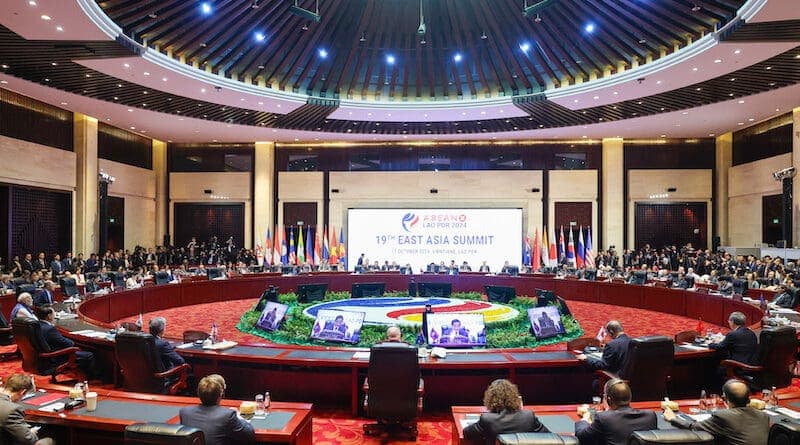
India's Position at East Asia Summit

Published on: 24-Jul-2026

Source: The Hindu

Share this post

India's Position at East Asia Summit

Article Summary

Key Highlights from the 21st East Asia Summit

International Maritime Security

  • Maritime Safety: External Affairs Minister S. Jaishankar emphasized that global maritime channels must remain safe and unimpeded, aligning with international law.
  • Regional Stability: India advocates for dialogue and diplomacy to resolve conflicts in the Gulf region and Myanmar amidst evolving global orders described as “uncertain and volatile”.

Key Positions on Regional Conflicts

  • Myanmar: India supports ASEAN efforts for a political solution to the civil conflict, with military challenges to governance since February 2021.
  • Israel-Palestine: India reiterated its stance that a two-state solution is essential for lasting peace.

Empowering ASEAN Centrality

  • Regional Cooperation: Jaishankar highlighted India's commitment to ASEAN centrality, suggesting that the conclusions of a legally binding Code of Conduct (CoC) compliant with the United Nations Convention on Law of the Sea (UNCLOS) 1982 is crucial for South China Sea management.

Economic Impact

  • Jaishankar remarked on the global economy's challenges, highlighting that conflicts adversely affect energy, food, and health security for the Global South.

Combatting Terrorism and Cybercrime

  • Zero Tolerance Policy: Jaishankar reinforced India’s policy of zero tolerance for terrorism and underscored the need for collective action against international cyber scams, which have affected multiple nations.

Interaction with Pakistan

  • Indus Waters Treaty (IWT): In response to comments made by Pakistan's Foreign Minister Ishaq Dar regarding Kashmir and the IWT, India's Ministry of External Affairs asserted that such remarks reflect a pattern of fabricating falsehoods, especially concerning cross-border terrorism.
  • IWT in Abeyance: India has suspended the IWT since the April 2025 terror attack in Pahalgam, underscoring the strained relations between the two nations.

Upcoming Initiatives by India

  • East Asia Summit Events: India will host two significant events this year:
    • The 7th EAS Conference on Maritime Security Cooperation in Kochi.
    • The EAS Maritime Heritage Festival in Lothal, an ancient port city.

This summary outlines India's robust international diplomatic stance, commitment to regional stability, and proactive approach to maritime security amidst ongoing global conflicts and economic repercussions.

Key Terms & Concepts

East Asia SummitInternational diplomatic meeting
GeorgiaCivil conflict stakeholder
Persian GulfGeopolitical crisis region
MyanmarSite of civil conflict
Ethnic Armed Organisations (EAOs)Challengers to military authority
United Nations Convention on the Law of the Sea (UNCLOS) 1982Legal framework for maritime issues
Indo-PacificRegional strategy emphasis
India’s zero tolerance for terrorismNational security policy stance
Indus Waters Treaty (IWT)Water sharing agreement
April 20, 2025Terror attack incident date
two-state solutionProposed peace resolution

Mind Map for UPSC Civil Services Revision

Turn UPSC Civil Services Current Affairs Into Exam-Ready Notes

Reading International Relations current affairs is half the work. Revise them with ready-made notes and test what actually stuck.

  • Daily UPSC Civil Services current affairs analysis
  • Revision notes, mind maps & MCQs
  • Prelims mock tests with instant results

Related UPSC Civil Services Current Affairs Articles

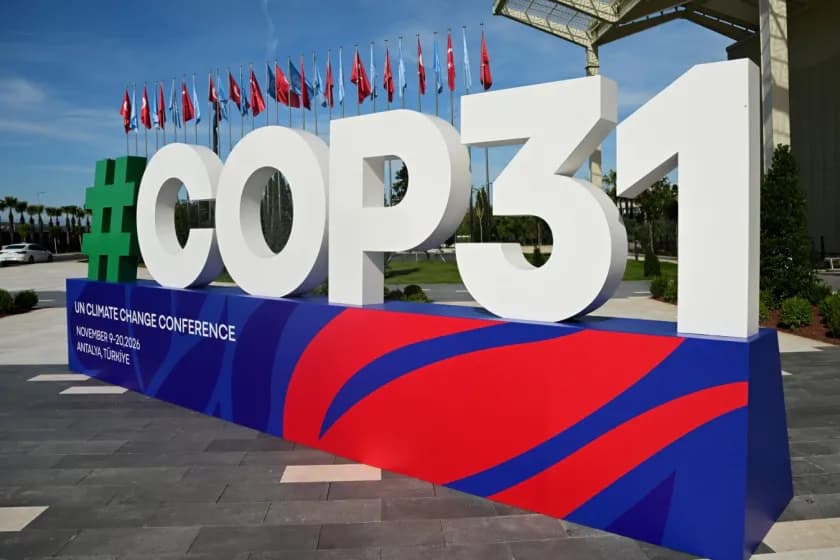
COP31 Focuses on Climate Implementation
International Relations05-Nov-2026

COP31 Focuses on Climate Implementation

Summary of COP31 and Climate Action Framework

Conference of Parties (COP) Overview:

  • COP31 branded as “COP of the Future: The COP of Implementation.”
  • COP27 (Egypt) and COP30 (Brazil) presented similar themes of implementation.

Roles and Responsibilities:

Practise Mains answer writingUpload a handwritten answer and get it evaluated
  • Turkey hosts COP31 and leads the non-negotiated Action Agenda.
  • Australia steers the negotiations.
  • Emphasis on implementation of commitments under the Paris Agreement.

Transforming Dialogue:

  • Shift from queries on what and who will act to how actions are to be executed and current statuses.
  • Increasing reliance on action agendas to drive climate solutions rather than formal negotiations.

2035 Voluntary Targets:

  • Proposed voluntary targets include:
    • Electricity comprising 35% of final energy demand.
    • Halving global waste growth.
    • Reducing energy-use intensity in buildings by at least 25%.
  • As of now, only 5% of cooperative climate initiatives since 2015 have met their goals.

Nationally Determined Contributions (NDCs):

  • 2035 NDCs are expected by February 2025; pressing need for timely submissions underscored by COP31 presidency.
  • Only Colombia and Turkey have submitted their second biennial transparency reports by late October 2023.

Importance for Developing Countries:

  • Climate finance from developed nations is crucial for developing countries to cope with impacts and reduce emissions.
  • The accountability of the Global South on its NDCs is often tied to funding and scrutiny from the Global North.

Implementation Metrics:

  • COP31 will analyze progress through reports including NDC Synthesis and Biennial Transparency Reports (BTR).
  • The Facilitative, Multilateral Consideration of Progress forum serves to monitor experiences and issues among states but lacks enforcement mechanisms.

Recommendations for COP31:

  1. Turkey should encourage timely submissions of BTR from all parties to leverage synthesis findings in discussions.
  2. Developed countries should publish comprehensive biennial reports on climate finance.
  3. An annual public report on progress towards 2035 targets should be established for accountability.

Conclusion:

  • Effective implementation defines true commitment to climate goals, requiring collaborative efforts on measurement and reporting of progress.
  • Successful climate summits must align with the urgency of the climate crisis and showcase tangible advancements in mitigation efforts.

Key Terms for Study:

  • COP, UNFCCC, Paris Agreement, NDC, BTR, climate finance, adaptation plans, Global North/South relations, action agenda.
India's Strategic Engagement with USA
International Relations05-Nov-2026

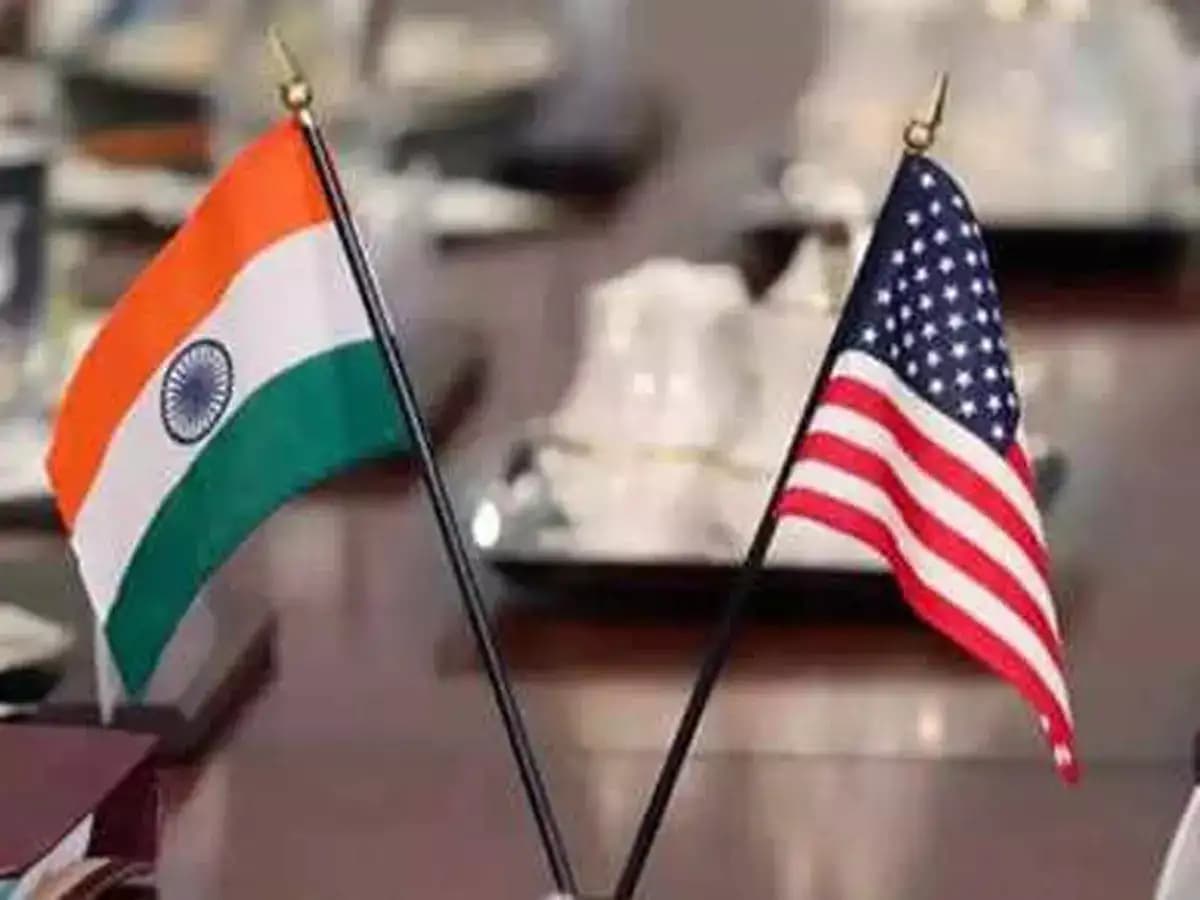
India's Strategic Engagement with USA

Summary of Key Points from Article on US-India Relations Post Midterm Elections

Political Context

  • US Midterm Elections Outcome: The Democratic Party's victory indicates substantial political shifts within the U.S. that India must navigate.
  • Significance for India: Emphasis on the need for a deeper understanding of American politics beyond a simplistic dichotomy (Republicans vs. Democrats).

Diplomatic Engagement

  • Upcoming Meetings: Prime Minister Narendra Modi has opportunities to meet former President Donald Trump at the East Asia Summit and the G20 summit.
  • Long-term Strategy:
    • Move away from binary perceptions of the U.S. political landscape.
    • Recognize the importance of adaptability and engagement across the diverse political spectrum in the U.S.

Historical Context

  • Civil Nuclear Agreement of 2008: A precedent for building America-India relations through bipartisan support and broad engagement, highlighting India’s strategic importance not being leveraged automatically.

Challenges in Indo-U.S. Relations

  • Changing Political Dynamics:
    • The Republican Party is divided, with factions including economic nationalists, libertarians, and traditional conservatives.
    • The Democratic Party faces internal challenges, particularly from progressives focused on issues like economic inequality and foreign policy.

Engagement Strategies

  • Broaden Outreach:
    • Importance of reconnecting with American progressives who have become increasingly critical of India.
    • Increased interaction necessary between Indian political parties, civil society, and American institutions such as think tanks and universities.

Key Takeaways for Indian Political Class

  1. Engagement Beyond Diplomacy: Importance of investing in connections across American society, not just with government leaders.
  2. Long-term Political Relationships: Establishing enduring ties rather than relying solely on individual leaders or transient administrations.
  3. Diverse Political Networks: Understanding and engaging with the multiplicity of political influences in the U.S., including ethnic minorities and grassroots movements.

Economic and Strategic Considerations

  • Importance of U.S.-India relations for India's economic transformation, technological advancements, and regional security framework.
  • Recognition of active participation in discussions surrounding trade, human rights, and military alliances as critical for future interactions.

This analysis underscores that India's approach to its relationship with the United States should evolve into a more nuanced and multifaceted engagement that accounts for changing political landscapes and diverse constituencies in the U.S.

India's Stance on Climate Goals
International Relations04-Nov-2026

India's Stance on Climate Goals

Summary Notes on COP 31 and India's Climate Strategy

Event: 31st United Nations Annual Climate Conference (COP 31)
Location: Antalya, Türkiye
Dates: November 9 - 21, 2026

Key Points from India's Participation:

  1. Union Environment Minister: Bhupender Yadav will represent India at COP 31.

  2. Electrification Target Proposal: Türkiye has proposed a global target to meet 35% of energy needs from electricity by 2035 to curb emissions. India has not yet committed support for this target, emphasizing the need to consider national circumstances and sovereignty in such pledges.

  3. India's Climate Priorities:

    • Advocacy for adherence to principles of equity and common but differentiated responsibilities (CBDR).
    • Acknowledgment that an immediate phase-out of fossil fuels is unrealistic as energy access is prioritized for the population.
    • Strong emphasis on addressing poverty-eradication programs alongside climate obligations.
  4. India's Commitments:

    • India's stance is to be part of the solution to climate change issues.
    • Call for developed countries to fulfill their climate finance obligations and support the initiation of the Climate Finance Work Programme at COP 31.
  5. Other Proposals from Türkiye:

    • Halving global waste growth by 2035.
    • Reducing energy consumption intensity in the building sector by at least 25%.

Contextual Background:

  • International Context: COP 31 follows seasons of heightened global dialogue on climate, emphasizing commitments under the Paris Agreement, where nations are tasked with measurable emissions reduction contributions.

  • India's Position: Reflects the need to balance developmental goals with environmental obligations, citing concerns on energy security, poverty alleviation, and sovereignty as critical factors in climate negotiations.

Constitutional and Policy Framework References:

  • Common but Differentiated Responsibilities (CBDR): A principle delineating the responsibility of developed and developing countries in addressing climate change based on their varying contributions to the problem and respective capabilities.

  • Sovereignty and National Circumstances: Discussions around climate obligations must respect the contexts and conditions each nation faces, including energy demands and socioeconomic needs.

This summary encapsulates India's expectations and approaches towards global climate negotiations, highlighting its commitment to sustainable development while advocating for equitable climate action frameworks.

Quad Alliance Strengthens Indo-Pacific Cooperation
International Relations01-Nov-2026

Quad Alliance Strengthens Indo-Pacific Cooperation

Quad Ministerial Meeting Highlights - November 2026

  1. Background:

    • The Quad (United States, India, Japan, Australia) held its third Foreign Ministers' meeting in less than six months, following gatherings in New Delhi (May 2026) and Manila (July 2026).
  2. Key Participants:

    • U.S. Secretary of State Marco Rubio
    • Indian External Affairs Minister S. Jaishankar
    • Japanese Foreign Minister Toshimitsu Motegi
    • Australian Foreign Minister Penny Wong
  3. Discussions and Agreements:

    • Supply Chains and Economic Security:

      • Quad ministers emphasized building "reliable and open supply chains" and "trusted and resilient infrastructure."
      • Concerns raised regarding economic coercion, export restrictions, and disruptive non-market policies affecting global supply chains.
    • Maritime Cooperation:

      • Reaffirmed the necessity to protect navigational rights in key maritime areas: Strait of Hormuz, Red Sea, and Bab el-Mandeb Strait, as per international law (UNCLOS).
  4. Financial Commitments:

    • U.S. pledged $10 million to develop infrastructure for recovering critical minerals from waste in India and ASEAN nations.
    • Quad members committed over $85 million for technical and financial assistance in relation to AI and initiatives like Pax Silica.
  5. Energy Security:

    • The first-ever Quad Fuel Security Forum was held, focusing on advancing fuel security in the Indo-Pacific and enhancing strategic petroleum reserves.
  6. Cyber Security:

    • Quad nations expressed concern over online and cyber scams threatening national and international peace, committing to dismantle such operations.
  7. Business Promotion:

    • Launch of the inaugural Quad Business Leaders’ Forum aimed at enhancing ties between public and private sectors.
  8. Overall Goals:

    • Cooperation on next-generation technologies, maritime security, and critical mineral sourcing highlighted as priorities to counter China's assertiveness in the Indo-Pacific region.
  9. International Law Reference:

    • Emphasis on navigational rights and freedoms in accordance with international law reflects adherence to standards established under UNCLOS (United Nations Convention on the Law of the Sea).
  10. Conclusion:

    • The meeting signified a continued commitment among Quad nations to strengthen economic and strategic ties, balancing power dynamics in the Indo-Pacific and enhancing collaborative frameworks for security and prosperity.