iAspirants
Current AffairsPrelims PYQsUPSC CSE SyllabusUPSC CSE StrategyBlogsPricing
Login
iAspirants
Current AffairsPrelims PYQsUPSC CSE SyllabusUPSC CSE StrategyBlogsPricingContact UsLoginSignUp
iAspirants

Your AI-powered companion for UPSC preparation.

Study Resources

  • Current Affairs
  • Prelims PYQs
  • UPSC CSE Syllabus
  • UPSC CSE Strategy
  • Blogs

Practice & Plans

  • Mains Answer Evaluation
  • Pricing
  • Sign Up
  • Login

Company

  • Home
  • About Us
  • Contact Us
  • FAQs

Legal

  • Privacy Policy
  • Terms & Conditions
  • Return Policy

© 2026 iAspirants, Inc. All rights reserved.

  1. Blogs
  2. Economic and Social Development

India's Looming Power Shortage Crisis

Published on: 20-Nov-2026

Source: Indian Express

Share this post
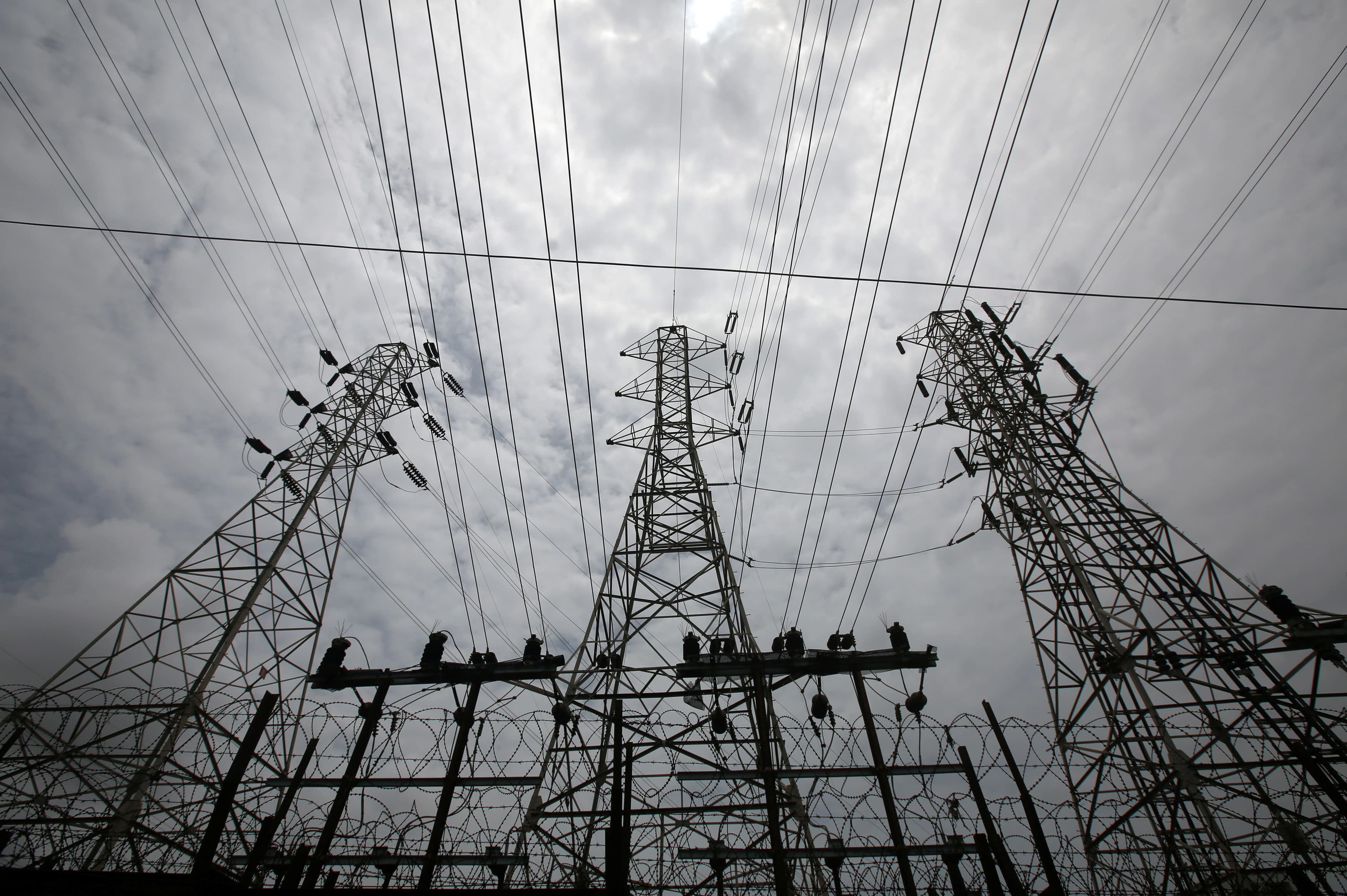
India's Looming Power Shortage Crisis

Article Summary

Summary of Key Points on India's Power Supply Crisis

  1. Current Situation:

    • India faces a potential power shortage due to declining baseload thermal capacity and coal stock worries.
    • Multiple states are seeking urgent short-term electricity procurement, with prices reaching Rs 19-20 per unit, well above the regulated cap of Rs 10 per unit in power exchanges.
  2. State Responses:

    • States involved in power procurement include Tamil Nadu, Kerala, Rajasthan, Gujarat, and Uttar Pradesh.
    • Private utilities such as Noida Power Company and Adani Electricity also seeking additional supply.
  3. Coal Stock Statistics:

    • Coal stocks at thermal power plants have decreased by approximately 66% from April to September 2026.
    • Current coal inventory stands at 20.79 million tonnes (mt), down from 55 mt at the beginning of April.
    • The normative coal storage requirement for these plants is around 59 mt, but current storage capabilities can handle up to 80 mt, with plans to potentially double this capacity.
  4. Government Measures:

    • The Ministry of Power is exploring measures to increase coal storage capacity and is prioritizing coal stock rebuilding ahead of summer.
    • The Central Electricity Authority (CEA) has called for a reassessment of coal-based capacity additions, proposing an increase of 105-150 gigawatts (GW) by 2035.
  5. Policy Context:

    • A policy decision from nearly a decade ago scaled down thermal capacity expansion, which undermines grid stability during peak demand periods.
    • The National Electricity Plan (2017-2022) aimed to limit new thermal capacity additions post-2022, focusing instead on renewable sources.
    • The previous push to limit imported coal projects due to rising prices further constrained coal availability.
  6. Energy Supply Dynamics:

    • Increased reliance on solar energy has contributed to grid instability, particularly during non-solar hours, thus exacerbating the power shortage risk.
    • The real-time frequency profile of the grid shows a decline below the mandated limits, indicating stress on the electricity system due to high demand and inadequate supply.
  7. Future Considerations:

    • The need for a balanced approach towards renewable energy and thermal production, with a focus on reliable baseload energy sources to meet demand.
    • The Government's ongoing assessments and plans regarding energy storage systems and thermal capacity are crucial for managing future shortages.
  8. Economic Indicators:

    • The surge in short-term power prices indicates stress in the electricity market and the potential impact on economic activity due to rising energy costs.

Conclusion: The looming power crisis emphasizes the necessity for a strategic overhaul in energy policy, particularly concerning coal-based power capacity and the integration of renewable energies with stable energy storage solutions. Ongoing government discussions and planned interventions are critical in preventing impending shortages in electricity supply.

Key Terms & Concepts

Ministry of PowerRegulator of electricity supply
Tamil Nadu, Kerala, Rajasthan, Gujarat, Uttar PradeshStates procuring additional power
Rs 19-20 per unitPrice of power in tenders
Rs 10 per unitCap on spot prices
High Price Day-Ahead Market (HP-DAM)Market for high-priced electricity
59 million tonnesNormative coal storage requirement
80 million tonnesCurrent storage capacity
160 million tonnesProposed expanded storage capacity
66%Decrease in coal stocks (April-September)
20.79 million tonnesCoal inventory as of November 15
105-150 gigawattsCoal-based power capacity needed by 2035
National Electricity Plan (2017-22)Policy guiding thermal capacity additions

Mind Map for UPSC Civil Services Revision

Turn UPSC Civil Services Current Affairs Into Exam-Ready Notes

Reading Economic and Social Development current affairs is half the work. Revise them with ready-made notes and test what actually stuck.

  • Daily UPSC Civil Services current affairs analysis
  • Revision notes, mind maps & MCQs
  • Prelims mock tests with instant results

Related UPSC Civil Services Current Affairs Articles

Impact of AI Boom and Bust
Economic and Social Development20-Nov-2026

Impact of AI Boom and Bust

Exam-Focused Notes on AI Boom and Bust

Key Individuals and Companies:

  • Jensen Huang: CEO of Nvidia, pivotal in AI chip development.
  • Nvidia Valuation: Reached $5.7 trillion, surpassing India's GDP and stock market value.
  • Stock Value: Huang's shares valued at $75, with a notable personal leather jacket selling at $960,000.
50 GWUnder-construction thermal projects
Nuclear generationFocus for correcting energy policy
Practise Mains answer writingUpload a handwritten answer and get it evaluated

Industry Overview:

  • AI Business Model: Nvidia's growth shaped by the demand for AI chips, with significant financing for customers.
  • Impact of Leadership Change: Huang's exit raises concerns about the stability and future of the AI sector.

Economic Indicators:

  • Potential Economic Loss: A collapse of the AI bubble could result in an estimated 8% loss of American household wealth.
  • Electricity Demand: Surge in demand due to data centers, necessitating new capacity investments.

Policy Implications:

  • Regulatory Push: Voter sentiment has shifted towards regulating AI and pausing unchecked data center proliferation. Nine states threatened a pause on new data centers.
  • Legislative Response: Democrats controlling Congress are likely to focus on AI regulation, allowing time to establish regulations.

Historical Context:

  • Previous AI Winters: Historical precedents of AI development include "winters" (1974-80 and 1987-93), which allowed regulatory and research focus shifts toward sustainable AI technologies.

Technological Developments:

  • AI Infrastructure Utilization: Existing data centers could be adapted for various applications, including genomic sequencing and drug discovery.
  • Cost-Effective AI Solutions: Developing nations or enterprises demonstrated building capable AI models at lower costs without relying solely on advanced chips.

Societal Adaptation:

  • Register of AI Risks & Remedies: A framework documenting 103 incidents related to AI risks, indicating pre-existing legal structures for mitigating harms.
  • Exploring Open-Source AI: A categorization of model sharing and open-source solutions may democratize AI accessibility and encourage broader adoption.

Environmental Considerations:

  • Sustainable Practices: Excess energy produced by data centers could be repurposed to mitigate environmental impacts.

Conclusion:

The exit of a significant figure in the AI industry may symbolize the turning point towards a more regulated, environmentally sustainable, and resilient AI market. Previous technological upheavals illustrate the potential for societal adaptation through regulation and innovation despite short-term economic challenges.

Impact of Layoffs and AI Adoption
Economic and Social Development20-Nov-2026

Impact of Layoffs and AI Adoption

  • Context: The rise of layoffs has been amplified by the integration of artificial intelligence (AI) in businesses and substantial investments in AI infrastructure, raising concerns about job security in India.

  • Labour Codes: India commemorates the first anniversary of the implementation of four Labour Codes on November 21. These codes are crucial in regulating the employment landscape and addressing worker protections.

  • Severance Pay: The discussion around severance pay has gained traction, highlighting the legal and social security measures available for workers facing layoffs.

  • Constitutional Framework: Indian workers' rights concerning employment are protected under various Articles of the Constitution. Notably:

    • Article 21: Right to life and personal liberty, which includes the right to livelihood.
    • Article 39 (Directive Principles of State Policy): Emphasizes the need for the state to secure the right to adequate means of livelihood for all citizens.
  • Social Security Framework: Post-layoff, there are discussions around the adequacy of the social security system in India, including:

    • Employee Provident Fund (EPF) and the Employees' State Insurance (ESI) schemes, which provide financial security during unemployment.
  • Judicial Precedents: Previous judicial rulings have also shaped the current understanding of severance pay and workplace rights, emphasizing the necessity for adequate compensation and social welfare.

  • Economic Data: An increasing trend in layoffs reflects a broader economic situation where the adoption of AI in industries may impact employment rates and job availability.

  • International Trends: This scenario is part of a global trend where many nations are reevaluating labor laws in the wake of technological advancements and shifting employment paradigms.

  • Government Initiatives: The Indian government has been urged to review and possibly enhance existing social security measures, ensuring comprehensive coverage for laid-off workers amid rising unemployment rates due to automation and AI advancements.

  • Expert Insights: K.R. Shyam Sundar and Rahul Charkha provide a professional perspective on the implications of these changes for workers in India, emphasizing the need for robust labor policies to address new-age employment challenges.

These notes encapsulate the key issues regarding layoffs and labor rights in India amidst technological shifts, highlighting the need for a strengthened legal and social safety net for workers.

CSR Funding Trends in India
Economic and Social Development19-Nov-2026

CSR Funding Trends in India

Key Points on Corporate Social Responsibility (CSR) in India

Overview of CSR Funding:

  • Annual CSR Spending: ₹40,794 crore in FY25, with a growth rate of 15% annually over the past decade.
  • Funding Concentration: Approximately 80% of CSR funding concentrated in five sectors:
    • Education: 35%
    • Healthcare: 21%

Specific Sector Insights:

  1. Non-Communicable Diseases (NCDs):

    • NCDs account for 60% of deaths in India (increased from 45% in 2004-06).
    • Funding distribution:
      • Cancer: 62% of NCD funding.
      • Cardiovascular Diseases: 12% despite over half of NCD deaths.
  2. Youth Employment Challenges:

    • Youth Unemployment Rate: 9.9%, rising to 25.9% among graduates.
    • School-to-Work Transition:
      • Only 24 paise of every rupee allocated to education and skilling supports actual exposure to the workforce.
  3. Women’s Economic Agency:

    • Total Identifiable CSR Funding: ₹1,122.8 crore (29% of women-focused funding).
    • Key funding allocation:
      • 77% directed towards skilling and livelihoods.
    • Notable barriers include:
      • Inadequate care infrastructure.
      • Unsafe mobility.
      • Limited market access.
  4. Groundwater Resilience:

    • States of Punjab, Rajasthan, and Haryana: 49% of critical and over-exploited groundwater units.
    • Received only about 7% of identifiable CSR funding in groundwater resilience.
  5. Innovation and Research:

    • Total CSR funding between FY23 and FY25: approximately ₹298 crore.
    • No industry directs more than 1.2% of total CSR spending to innovation.

Conclusion and Recommendations:

  • Need for Strategic Agility: While CSR funding has been stable and predictable, there is a need for more adaptable and targeted approaches that address pressing development challenges effectively.
  • Corporate Responsibility: Emphasis on not just the amount spent but the impact of that expenditure on significant social issues.

Implication for Policy and Practice:

  • Encourage reallocation and diversification of CSR funds to cover pressing areas like NCDs, youth employment challenges, and groundwater resilience.
  • Foster collaborations between corporates and local communities to ensure CSR initiatives have a meaningful impact on development challenges.

This data highlighted the essential monitoring of CSR practices to align funding with critical social needs while ensuring transparency and effective resource allocation.

India's First Sustainable Aviation Fuel Plant
Economic and Social Development19-Nov-2026

India's First Sustainable Aviation Fuel Plant

Notes on Sustainable Aviation Fuel (SAF) in India

Overview

  • India is set to commence commercial production of Sustainable Aviation Fuel (SAF) with a plant initiated by Indian Oil Corporation at its Panipat refinery. This plant, capable of producing 30,000 tonnes annually using used cooking oil, is aimed at primarily meeting future blending mandates for international flights.

Key Facts & Figures

  • Plant Capacity: 30,000 tonnes/year at Indian Oil's Panipat refinery; 41,000 tonnes/year expected at Bharat Petroleum's Mumbai refinery next month.
  • Market Share: Indian Oil and Bharat Petroleum together hold over 90% of the market for international jet fuel sales in India.
  • Blending Mandates: Proposed blending targets are 1% by 2027, 2% by 2028, and 5% by 2030 for international flights.
  • Production Cost: SAF is currently 2-3 times more expensive than conventional jet fuel, necessitating discussions to bridge the cost gap.

Constitutional and Policy Framework

  • National SAF Policy: Still in development amidst governmental plans to address blending mandates outlined under the National Biofuel Coordination Committee (NBCC).
New US Restrictions on AI Technology
National and International Importance18-Nov-2026

New US Restrictions on AI Technology

Summary of US Restrictions on AI Chip Exports to China

1. Overview of New Restrictions:

  • The US Commerce Department announced stringent restrictions on AI chip exports aimed at preventing Chinese firms from accessing advanced American technology through foreign data centers.
  • The regulations address loopholes allowing Chinese companies to utilize servers in countries like Malaysia and Singapore to gain computing capabilities.

2. Regulatory Details:

  • The interim final rule issued by the Bureau of Industry and Security (BIS) restricts overseas data centers that supply significant computing resources to Chinese firms, requiring governmental authorization for the importation of specific advanced American chips.
  • Companies linked to counterparts in China via subsidiaries are also targeted by these new rules.

3. Technical Specifications and Thresholds:

  • The threshold for restricted remote access is set at an aggregate Total Processing Performance (TPP) of more than 12 million, indicating significant computing capacity.
  • New licensing requirements apply to exports of advanced semiconductors to five nations: Malaysia, Singapore, Indonesia, Thailand, and Brazil.

4. Exemptions and Transition Period:

  • Certain shipments to US-based companies are exempt under specific reporting requirements.
  • Existing data centers will have a 90-day period from the rules' effective date to secure the necessary licenses.

5. Impact of Recent Controversies:

  • The regulations are partly a response to controversy surrounding chipmaker Nvidia and its connections through cloud computing partner Megaspeed.
  • The resignation of Nvidia CEO Jensen Huang heightened scrutiny, as reports surfaced about his association with Alice Huang, linked to possible intelligence connections.

6. Broader Context of Export Controls:

  • The US aims to limit access to powerful semiconductors citing concerns that AI capabilities could enhance military and cyber-espionage initiatives in China.
  • In the past, chip shipment restrictions have led to challenges, as Chinese companies continue finding alternative access routes to advanced chips.

7. Research Findings Impacting Policy:

  • A study from Unemployment Labs indicated that several advanced Chinese AI systems were made using Nvidia's restricted Blackwell processors, intensifying debates over the effectiveness of existing export controls.
  • Epoch AI research estimates approximately two million advanced AI chips made their way to China during 2024 and 2025 via undisclosed arrangements.

8. Conclusion and Policy Implications:

  • The new export controls represent a significant policy shift by the US government in response to potential national security threats and challenges posed by loopholes in technology export regulations.
  • The effectiveness of these measures will be closely monitored in light of the ongoing investigations into chip access and the integrity of the US technology sector.

Constitutional and Legal References

  • No specific constitutional articles or amendments were cited in the news; however, these export controls reflect ongoing legal frameworks surrounding national security and international trade practices.

International Relations Context

  • The restrictions on chip exports may further strain US-China relations, particularly in technology and trade sectors, affecting global supply chains and international economic dynamics.
Redrawing India's Poverty Line Necessity
Economic and Social Development18-Nov-2026

Redrawing India's Poverty Line Necessity

  • Poverty Line Definition: The poverty line serves as a threshold to determine economic deprivation, requiring accurate measurement through reliable data.

  • Challenges in Measurement: Current assessments of poverty in India face challenges due to:

    • Irregular periodicity of necessary surveys.
    • Delayed data collection and publication.
  • Current Status: Despite a reported decline in extreme poverty levels, broader economic inequalities persist, indicating that economic growth has not benefited marginalized sections of society.

  • Need for Reevaluation: Call for a comprehensive review and redrawing of the poverty line, emphasizing the use of robust data to reflect true economic conditions and ensure equitable distribution of resources.

  • Government Response: Though not specified, this highlights the potential necessity for government action in aligning social welfare policies and economic development goals.

  • Economic Indicators: Notable economic inequalities referenced imply a disparity in wealth distribution, with lower-income individuals not fully gaining from India’s economic growth trajectory.

Space: Essential for National Security
National and International Importance18-Nov-2026

Space: Essential for National Security

Summary of Key Points on Space Security and Its Implications

Overview of Space Utilization

  • Transformation of Space: Space has evolved from a niche scientific field to a critical infrastructure component.
  • Dependencies: Key sectors relying on space technologies include:
    • Communications: Essential for everyday interactions and business operations.
    • Navigation: Supports various industries, including transport and logistics.
    • Weather Forecasting: Vital for disaster management and agriculture.
    • Banking: Space systems facilitate secure and reliable transactions.
    • Critical Infrastructure: National defenses and utilities are increasingly dependent on satellites.

Strategic Importance

  • National Resilience: Space capabilities contribute significantly to national security, aiding in military communications, positioning, surveillance, and situational awareness.
  • : A robust space infrastructure is crucial for achieving and maintaining strategic independence.
  • CORSIA Compliance: India will need to comply with the Carbon Offsetting and Reduction Scheme for International Aviation starting from 2027.
  • International Context

    • Global Efforts: Push from the International Civil Aviation Organization (ICAO) to decarbonize global aviation; several countries have already implemented SAF blending mandates (e.g., UK, EU, Japan, Singapore).
    • CORSIA Requirements: Airlines must offset emissions exceeding 2020 levels, with SAF blending being a viable solution to meet these standards.

    Technological Insights

    • SAF shares chemical properties with conventional aviation turbine fuel (ATF), allowing existing aircraft engines to utilize SAF blends (up to 50%).
    • Technological approval exists for manufacturing SAF from ethanol; however, Europe restricts ethanol from food crops, impacting potential supply for Indian producers.

    Challenges

    • Cost Management: The high production cost of SAF poses challenges to its adoption. Further discussions with the government are required to find feasible pricing solutions.
    • Ethanol Production Concerns: India's main ethanol production is from food crops, limiting options for SAF production under European restrictions.

    Future Prospects

    • Continued investments and developments in SAF are anticipated, with potential for India to emerge as a global production hub for sustainable aviation fuel.
    • Attention needed on formulating comprehensive policies to support the scale-up of SAF production across both international and domestic flights.

    Conclusion

    India's initiatives in SAF production signify an important step towards sustainable aviation amidst global climate commitments, leveraging local resources while navigating economic and regulatory challenges.

    This summary presents the critical elements related to poverty assessments in India and suggests a need for policy reevaluation to aid in addressing economic disparity effectively.

    Strategic Autonomy

    Evolving Threat Landscape

    • Shift from Destruction to Disruption: Modern threats extend beyond the physical destruction of satellites to interference techniques like:
      • Jamming: Disrupts communications.
      • Spoofing: Deceives navigation systems.
      • Cyber Interference: Targets satellite networks, ground stations, and associated infrastructures.
      • Electronic Warfare: Harms signal reliability without direct damage to spacecraft.

    Implications of Vulnerabilities

    • Complex Attribution and Response: Interference methods complicate the identification of attackers and the formulation of responses.
    • Architecture Vulnerability: The reliance on interconnected systems means that vulnerability is not limited to satellites but includes the entire network linking space infrastructure to terrestrial users.

    Conclusion

    • Need for Enhanced Security Measures: With increasing dependence on space-enabled services, and the shift in threat dynamics, a comprehensive approach to space security is urgently needed to safeguard national interests and mitigate risks associated with disruptions.

    This summary highlights the critical infrastructure role of space technologies, the evolving threats faced, and the need for enhanced security measures to address vulnerabilities that could impact national resilience and strategic autonomy.