iAspirants
India's Leap in Geothermal Energy
Published on:
Share this post
Article Summary
Geothermal Energy in India: Key Facts and Developments
Overview of Geothermal Energy
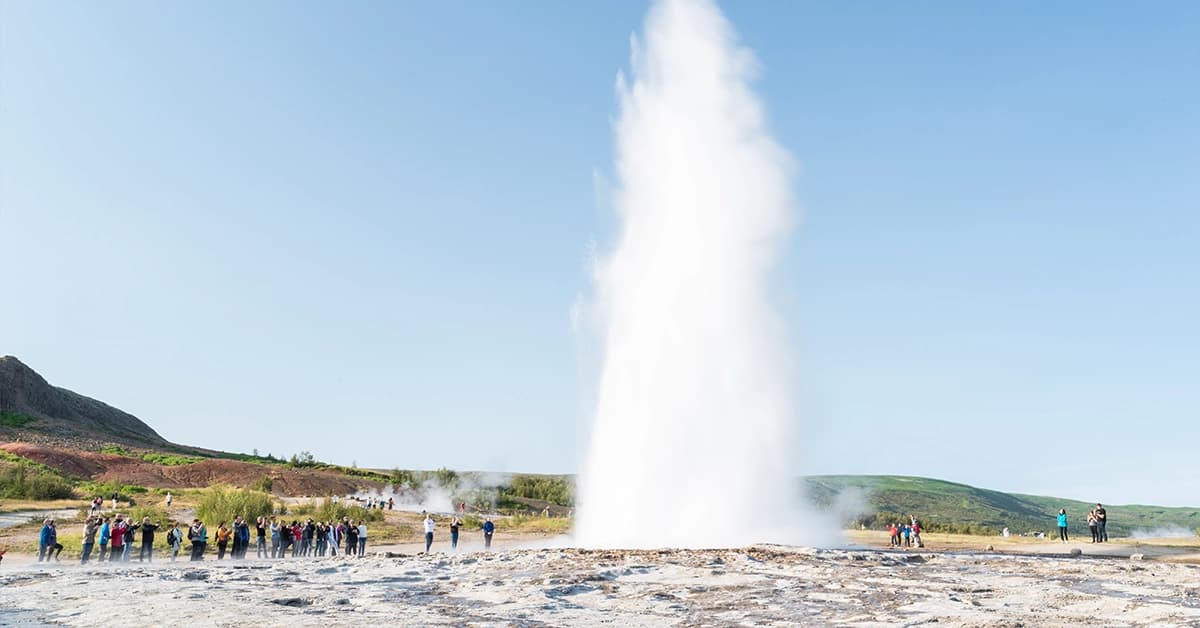
- Definition: Geothermal energy is derived from the Earth's internal heat, considered a renewable and low-carbon energy source.
- Significance: Provides a continuous and reliable source of energy, unlike solar and wind, which are weather-dependent.
National Policy on Geothermal Energy
- Objective: To integrate geothermal energy as a significant component of India's renewable energy framework, contributing to the target of net-zero emissions by 2070.
- Implementation: The Ministry of New and Renewable Energy (MNRE) is the nodal ministry responsible for executing this policy, notified in September 2025.
Recent Developments
- First Geothermal Wells: The commissioning of India's first two geothermal wells in Puga Valley, Ladakh, marks a significant milestone for geothermal energy in India.
- Elevation: These wells are located over 14,000 feet above sea level.
- Capacity: The initiative aims to establish a 1 MW performance-based geothermal energy project.
Geothermal Resource Potential
- Theoretical Capacity: India has an estimated geothermal energy potential of approximately 10.6 GW.
- Geological Mapping: The Geological Survey of India (GSI) has identified 381 hot springs and 10 geothermal provinces, including the Himalayan and Naga-Lushai regions.
Technology and Research Initiatives
- Enhanced Geothermal Systems (EGS): Advanced technologies like EGS and Advanced Geothermal Systems (AGS) are being explored to expand geothermal energy opportunities.
- Pilot Projects: Several pilot projects are underway, including:
- A project in Ankleshwar, Gujarat, retrofitting abandoned oil and gas wells for power generation.
- A demonstration project in Gandhinagar, Gujarat, integrating solar and geothermal energy.
- Research in Tawang, Arunachal Pradesh, assessing geothermal resources.
International Collaborations
- Partnerships: India collaborates with countries like Australia and Iceland to enhance geothermal energy research and technology development.
- Bilateral Agreements: Agreements with Saudi Arabia include geothermal energy as a key area of cooperation.
Economic and Environmental Impact
- Energy Security: Geothermal energy contributes to energy security and reduces reliance on fossil fuels.
- Applications: Beyond electricity generation, geothermal energy can be utilized for heating, cooling, and agricultural purposes.
Future Prospects
- Expansion Plans: The government aims to broaden the scope of geothermal energy applications, enhancing its role in India's renewable energy mix.
- Ecosystem Development: Ongoing research and development initiatives are crucial for the commercial viability of geothermal energy in India.
Conclusion
Geothermal energy is emerging as a vital component of India's renewable energy strategy, with significant potential for sustainable development and energy security. The commitment to harness geothermal resources reflects India's holistic approach towards achieving its climate goals and diversifying its energy portfolio.
Key Terms & Concepts
| Geothermal Energy National Policy | Framework for geothermal energy |
| Puga Valley | Site of first geothermal wells |
| 14,000 feet | Height of geothermal wells |
| 1 Megawatt | Capacity of geothermal project |
| 10.6 Gigawatts | India's theoretical geothermal capacity |
| 2070 | Net-zero emissions target year |
| Indian Geological Survey | Mapped geothermal resources |
| 5 Geothermal Provinces | Identified geothermal regions |
| RE-RTD Program | Renewable energy technology development |
| International Renewable Energy Agency | Global geothermal energy data source |
| Ground Source Heat Pump | Supports heating and cooling |
| Australia and Iceland | International partners in geothermal |