iAspirants
Current AffairsPrelims PYQsUPSC CSE SyllabusUPSC CSE StrategyBlogsPricing
Login
iAspirants

Your AI-powered companion for UPSC preparation.

Quick Links

  • Home
  • About Us
  • Current Affairs
  • Prelims PYQs
  • UPSC CSE Syllabus
  • UPSC CSE Strategy
  • Blogs

Company

  • Pricing
  • FAQs
  • Contact Us
  • Login

Legal

  • Privacy Policy
  • Terms & Conditions
  • Return Policy

© 2025 iAspirants, Inc. All rights reserved.

  1. Blogs
  2. International Relations

India's Evolving Relations with West Asia

Published on: 05-Sep-2026

Share this post

India's Evolving Relations with West Asia

Article Summary

Summary of India-West Asia Relations

Strategic Approach:

  • Historically, India maintained a stance of deliberate ambiguity in its West Asia relations, emphasizing balance and non-alignment among key players—Saudi Arabia, Iran, Israel, and the UAE.
  • This approach, now termed "multi-alignment," allowed India to manage its foreign policy without committing to security obligations with any specific nation, fostering economic and diplomatic ties across the region.

Economic Significance:

  • West Asia is a critical economic partner for India, serving as a source of crude oil and offering significant remittance inflows from the Indian diaspora working in the region.
  • The region is projected to experience an economic renaissance, bolstered by its rich natural resources (oil and gas) and a favorable demographic profile that requires a large influx of labor, which India can supply.

Geopolitical Dynamics:

  • India's foreign policy is influenced by the perception of a shifting global economic landscape, where the center of gravity is moving from the West to Asia, enhancing West Asia’s role as a strategic connector.
  • The region is viewed as a vital bridge — both maritime and terrestrial — linking the declining economies of the West with the rising economies of the East.

Constitutional and Policy Framework:

  • While specific constitutional references were not detailed in the provided text, India’s foreign policy is guided by its commitment to promoting its economic interests and ensuring the welfare of its citizens overseas.
  • Policies fostering labor migration and economic ties with West Asian countries suggest an alignment with the Directive Principles of State Policy (DPSP) under Article 39(e) and (f) of the Indian Constitution, advocating for the protection of workers' rights and safeguarding their interests.

Energy Security:

  • India’s energy strategy is intricately linked with West Asia's oil and gas reserves, which play a crucial role in its energy security and broader economic development.

Future Outlook:

  • As India seeks to capitalize on the "highly dynamic" economic opportunities in the region, the interplay between regional powers will continue to shape India's foreign policy and economic partnerships in West Asia, necessitating a careful balance of relations.

This overview underscores the multifaceted nature of India's engagement with West Asia, highlighting economic, geopolitical, and strategic dimensions central to its national interests.

Key Terms & Concepts

West AsiaKey region for economic ties
oil and gasMajor natural resource input
RiyadhPower center in relations
TehranPower center in relations
Tel AvivPower center in relations
Abu DhabiPower center in relations
multi-alignmentNew diplomatic strategy
economic renaissancePotential economic growth phase
AsiaEmerging global economic center
natural resourcesBasis for strategic partnerships
trade and investmentCore to economic relations

Mind Map for UPSC Civil Services Revision

Turn UPSC Civil Services Current Affairs Into Exam-Ready Notes

Reading International Relations current affairs is half the work. Revise them with ready-made notes and test what actually stuck.

  • Daily UPSC Civil Services current affairs analysis
  • Revision notes, mind maps & MCQs
  • Prelims mock tests with instant results

Related UPSC Civil Services Current Affairs Articles

India's Diplomatic Efforts in Ukraine
International Relations05-Sep-2026

India's Diplomatic Efforts in Ukraine

Summary of Key Points from the Article

International Relations:

  • India's Role in Ukraine-Russia Conflict: External Affairs Minister S. Jaishankar emphasized India's continuous dialogue with both Ukrainian and Russian governments to find ways to mitigate or cease ongoing conflicts, now in its fifth year.

Statements from Leaders:

  • Meetings and Discussions: Jaishankar met Ukrainian President Volodymyr Zelenskyy and top officials in Kyiv, expressing India's readiness to aid in resolving the war.
  • Zelenskyy's Acknowledgment: Zelenskyy appreciated India's commitment to ending the conflict, highlighting the need for peace.

Key Themes:

  • Global Challenges: Jaishankar discussed global issues such as supply chain resilience and the security of food, fuel, and fertilizers with Polish officials, indicating collaboration on these fronts.
  • India's Position: Jaishankar reiterated that "endless war must give way to an end to war," stressing the tragedy of prolonging conflict. This aligns with Prime Minister Modi’s public stance on the necessity for dialogue.

Diplomatic Efforts:

  • Promotion of Diplomacy: India is advocating for dialogue and diplomacy as the only viable solution to the conflict, rather than focusing solely on trade dynamics, such as oil purchases from Russia.

Strategic Insights:

  • War Impact: Jaishankar stated that protracted war leads to increased death, destruction, and economic burden, not just for the parties involved but also for the global community.

Notable Points for Exam Preparation:

  • Diplomatic Engagement: Understand India's roles and efforts in international diplomacy, particularly in conflict-resolution scenarios.
  • Geopolitical Implications: Recognize how the Ukraine-Russia war affects global supply chains and international relations.
  • Peace Advocacy: Reflect on India’s strategic vision towards peace and conflict resolution, led by its high-ranking officials.

Conclusion: India's diplomatic strategy is focused on promoting peace and dialogue to resolve the Ukraine-Russia conflict, underscoring its position as a significant player in international affairs. The importance of continuing conversation and negotiation over military engagements is a central theme of India's foreign policy approach.

Modi's Agenda at SCO Summit
International Relations04-Sep-2026

Modi's Agenda at SCO Summit

Summary of the Prime Minister's Participation at the SCO Summit in Bishkek, Kyrgyzstan

  1. Event Overview:

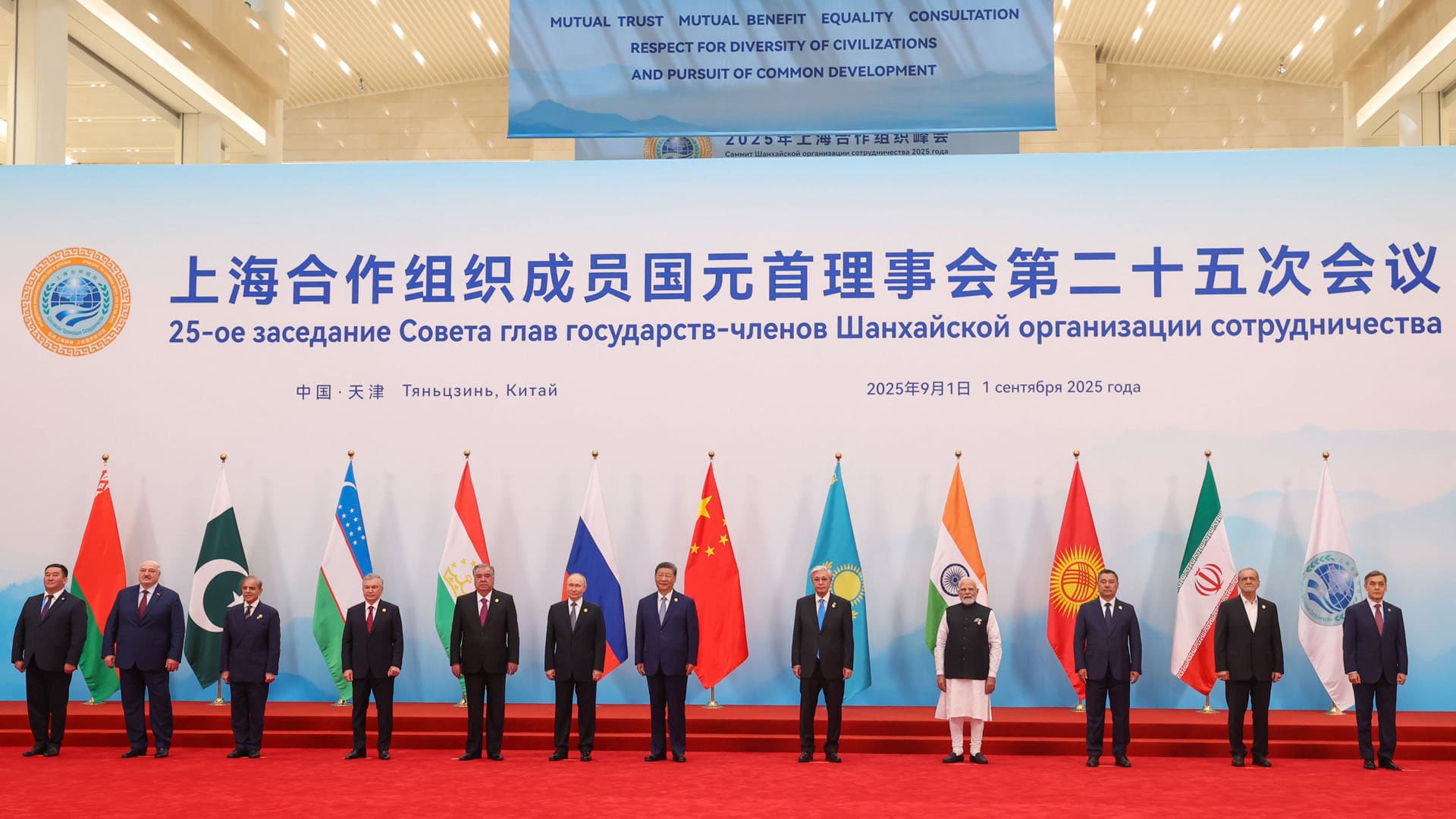
    • Prime Minister Narendra Modi attended the annual Shanghai Cooperation Organisation (SCO) summit in Bishkek, marking the 25th anniversary of the grouping.
    • The summit addressed the economic impacts resulting from the ongoing U.S.-Israel conflict with Iran.
  2. SCO and BRICS Relations:

    • The SCO includes key members like Iran and Pakistan. Importance was placed on Pakistan's new role as the SCO chair.
    • India is set to host a BRICS summit in Delhi on September 12-13, including leaders from Russia, China, and Iran.
  3. Key Issues Discussed:

    • The Bishkek declaration condemned U.S. and Israel's actions against Iran, while asserting Iran's right to peaceful nuclear technology under the Non-Proliferation Treaty (NPT).
    • Modi emphasized the need for dismantling “terrorist financing, recruitment, radicalization, and safe havens”, urging the SCO to avoid “double standards” in terrorism policy.
  4. Regional Challenges:

    • The summit highlighted strained ties between India and Central Asian nations, with Modi's visits representing an initiative to enhance discussions on trade and critical sectors.
    • Tensions from the Pahalgam attacks and geopolitical shifts were noted, including Pakistan's engagement with the U.S. and a new security pact with Saudi Arabia and Turkey.
  5. Judicial/Legislative Context:

    • India’s advocacy for a unified declaration against terrorism in the context of cross-border terrorism received support through the summit’s declaration.
  6. Economic and Security Concerns:

    • The economic security of the SCO is impacted by U.S. tariffs, the Iran conflict, and sanctions on Russia, posing challenges to energy security and connectivity (e.g., Hormuz Strait blockade).
  7. Constitutional and International Agreements:

    • The Bishkek declaration reinforces positions against terrorism and advocates for collective security, reflecting India's ongoing diplomatic strategies in response to its constitutional stance on national security.
  8. Policy Directions:

    • India aims to revive trade relationships and diplomatic engagement with Central Asia, with Modi’s strategic conversations involving trade, tourism, and critical minerals.
  9. Future Outlook:

    • The outcome of Pakistan’s presidency in the SCO remains uncertain; Modi's call for decisive actions and solidarity against terrorism reflects a proactive strategy in India's foreign policy and its engagement in regional security dialogues.
  10. Scientific and Technological Collaboration:

    • While specific scientific collaborations were not detailed, the emphasis on critical minerals suggests an underlying interest in resource-based cooperation.

This summary captures the salient discussions and outcomes from the SCO summit that are relevant for understanding regional dynamics and India's foreign policy.

India-Belgium Strengthening Strategic Partnership
International Relations03-Sep-2026

India-Belgium Strengthening Strategic Partnership

Joint Statement Highlights: India-Belgium Relations

  1. Historical Context:

    • India and Belgium share deep historical ties, notably during World War I when thousands of Indian soldiers fought in Belgium.
  2. Strategic Partnership:

    • Recent developments have expanded cooperation from traditional sectors to strategic areas such as defense and clean energy.
    • Collaboration includes the development of advanced defense equipment like the Zorawar tank.
  3. Economic Growth:

    • India’s economy recorded a growth rate of 7.8% in the last quarter.
    • The India-European Union Free Trade Agreement (2023) aims to enhance economic ties and promote global stability and shared prosperity.
  4. Investment Initiatives:

    • Establishment of an “Investment Fast-Track Mechanism” for Belgian companies in India.
    • Formation of the India-Belgium Business Forum to enhance business collaboration.
  5. Bilateral Trade Goals:

    • Target to double bilateral trade in the next five years through various initiatives.
  6. Defense and Security Cooperation:

    • Agreement to enhance military exchange and training cooperation.
    • Focus on defense co-development and co-production through government and defense industry agreements.
    • Strengthening intelligence sharing and cooperation against crime.
  7. Clean Energy and Sustainability:

    • Memorandum of Understanding (MoU) on renewable energy to enhance sustainability cooperation.
    • Collaboration on critical minerals processing and recycling.
    • Joint efforts in the semiconductor sector, leveraging Belgium's expertise and India's scale, particularly through the IMEC Institute partnership.
  8. People-to-People Ties:

    • Initiatives to strengthen connections between startups and enhance capacity building in the maritime sector.
    • Plans to solidify university and research collaborations.
    • Upcoming “Migration and Mobility Partnership Agreement” to facilitate talent mobility.
  9. Global and Regional Issues:

    • Both nations emphasize the rule of law, dialogue, and diplomacy in addressing global conflicts, including the situation in Ukraine and West Asia.
    • Commitment to countering terrorism in all forms.
  10. Cultural Ties:

    • Recognition of the long-standing connection between India and Belgium through the diamond trade, aiming to evolve this historical relationship into a broader partnership.

The joint statement underscores a commitment to fostering a robust partnership that addresses economic, defense, and cultural dimensions, paving the way for future collaborations.

India-China Boundary Talks Insights
International Relations03-Sep-2026

India-China Boundary Talks Insights

Summary of India-China Boundary Negotiations and Relevant Agreements

Context

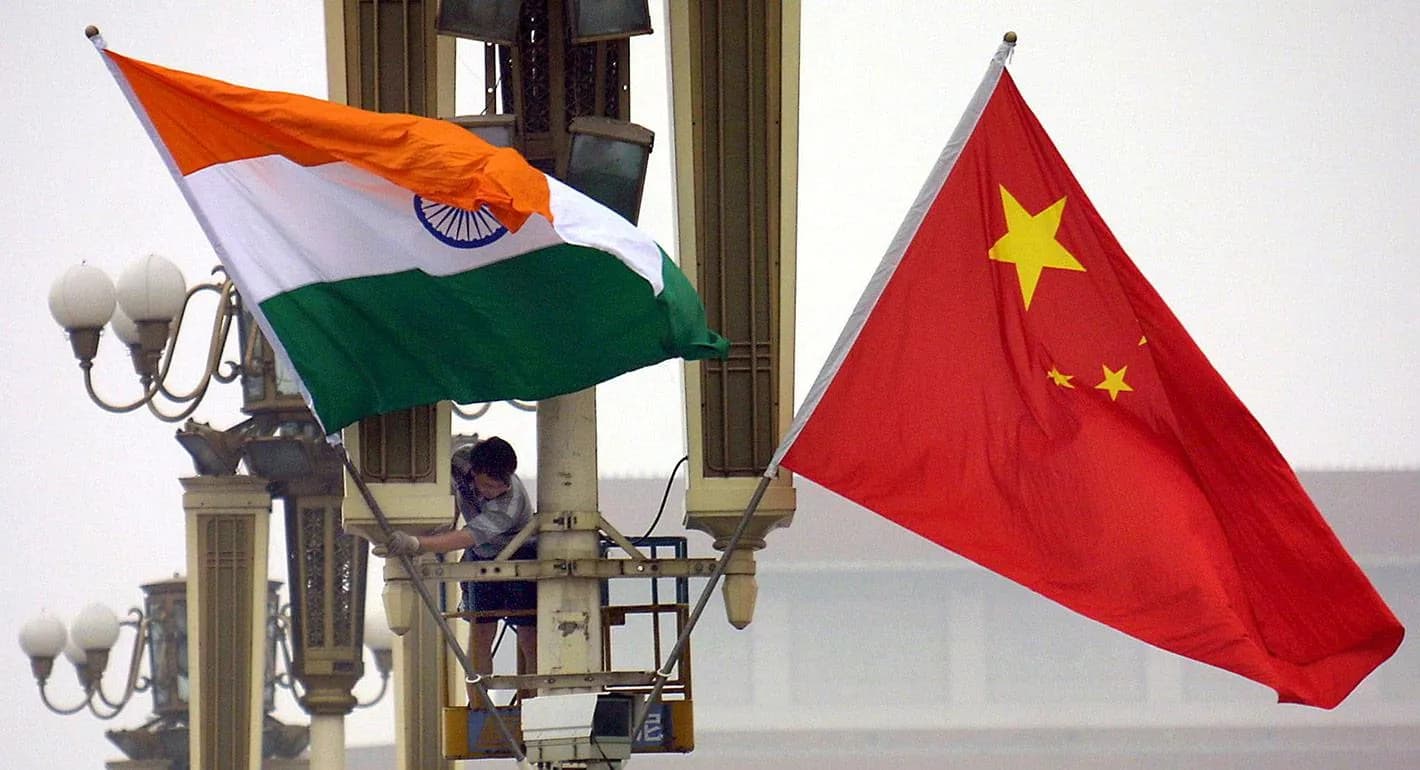
  • On August 25, 2026, National Security Adviser Ajit Doval and China’s Foreign Minister Wang Yi conducted the 25th round of discussions regarding the India-China boundary issue in Beijing.

Key Outcomes

  1. Eight Points of Outcomes and Consensus:

    • Document includes a commitment to advance discussions on “Early and Substantial Harvest” of boundary delimitation and border management.
    • Establishment of an Expert Group on Boundary Delimitation and a Working Group on Border Management under the Working Mechanism for Consultation and Coordination (WMCC).
  2. Historical Reference in Negotiations:

    • The term "Early and Substantial Harvest" was introduced by India in 2019 during discussions involving Sikkim and the Middle Sector boundary.
  3. Territorial Claims:

    • India maintains claims over approximately 2,450 sq km in the Middle Sector, which includes areas like Barahoti and Lapthal.
  • Previous dialogues proposed settlement focused only on Sikkim, which India rejected.
  • Constitutional and Legal Framework

    • Article III of the 2005 Agreement on Political Parameters and Guiding Principles stipulates a package settlement covering all sectors of the India-China boundary.
    • The boundary is anchored in the Anglo-Chinese Convention of 1890, which presents interpretative challenges as it contains contradictory clauses regarding the boundary alignment.

    Strategic Implications

    • A piecemeal settlement may reinforce China's territorial gains while compromising Indian negotiating positions.
    • Settlements on trijunctions may impact India’s bargaining power with Bhutan and influence China’s proposals to Bhutan, particularly regarding the Doklam Plateau.

    Risk Factors

    • Infrastructure projects like China’s hydropower plant in Medog County near the India-China border raise concerns about regional stability, particularly in seismic zones due to nuclear potential.

    Required Measures for Genuine Progress

    1. Adherent application of delineation based solely on the highest-watershed principles.
    2. Clear exclusion of trijunction points from Expert Group mandates, to be resolved in consultation with involved countries.
    3. Renewal and good-faith extension of India's 2019 proposals to maintain strong negotiation stance.

    Points of Continued Discussion

    • Discussions highlighted the need for additional meetings and hotlines to facilitate communication on border issues and pilgrimages.
    • Emphasis on maintaining dialogue concerning trans-border river projects without conflating them with boundary negotiations.

    Conclusion

    • The negotiations underline the complexities nested in the historical, socio-political context between India and China. The strategic interplay of boundaries will necessitate an alignment with both domestic interests and international treaties to navigate future developments effectively.

    Important Articles and Agreements

    • 2005 Agreement on Political Parameters and Guiding Principles for Settlement: A critical framework for managing India-China boundary discussions.
    • Anglo-Chinese Convention of 1890: Legal reference for boundary discussions, highlighting discrepancies complicating the negotiations.

    This structured overview translates complex negotiations into key actionable insights, focusing on relevant legal frameworks, historical context, and strategic imperatives.