iAspirants
India's Education Reform Urgency
Published on:
Share this post
Article Summary
Key Points on Indian Education Reforms and Policy Recommendations
1. Constitutional References & Rights
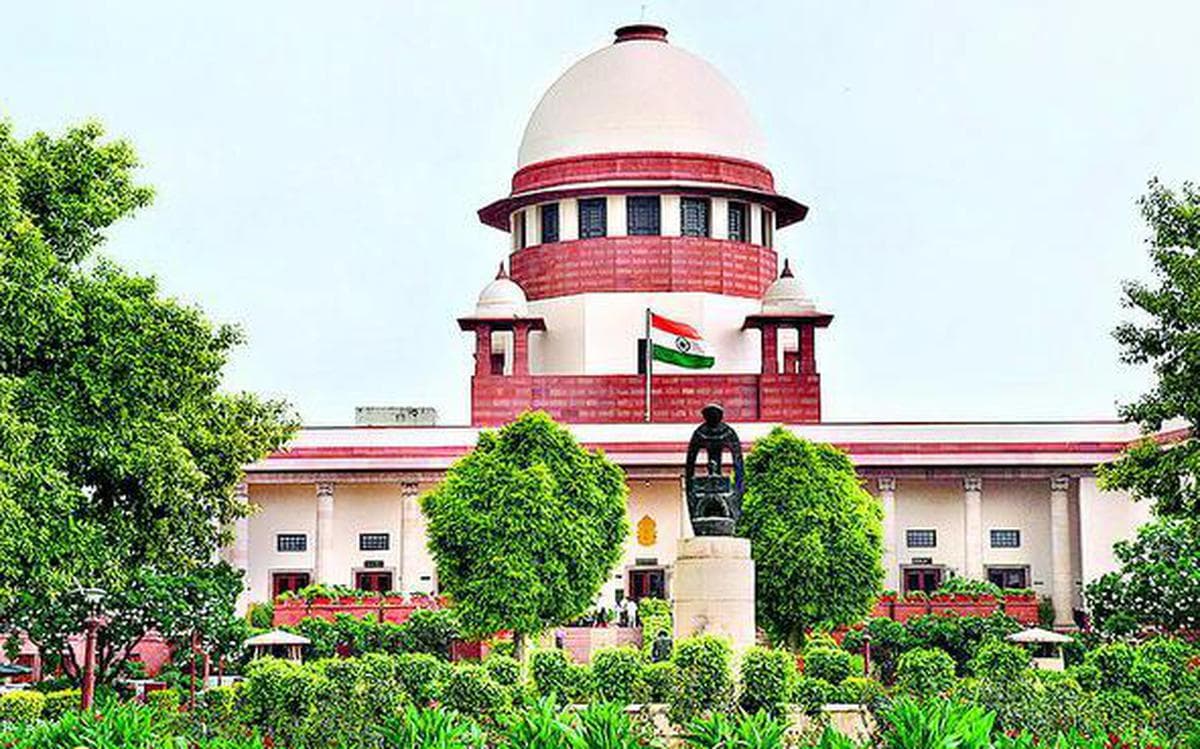
- The Supreme Court emphasizes the state's duty to preserve the life of individuals, including those on an indefinite fast, while respecting their right to dissent.
2. Current Education Landscape
- India boasts a demographic dividend, with approximately half of its population under the age of 25, which is a significant opportunity for development.
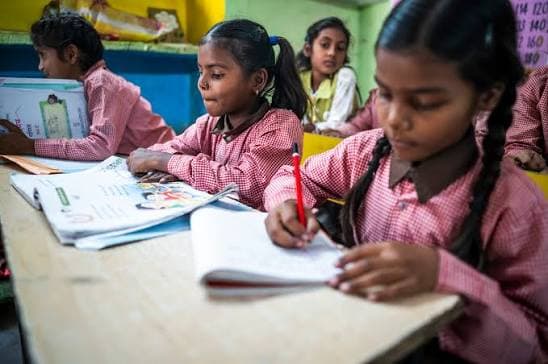
- Current education policies have focused on access but lack emphasis on quality and excellence in learning outcomes.
3. Urgent Education Reforms Proposed:
Reform Examination Systems:
- Shift from rote learning to competency-based assessment.
- Focus on evaluative methods that assess thinking, creativity, and ethical judgment.
Dismantling Coaching Culture:
- Create a system where examinations reflect genuine educational outcomes rather than memorization.
- Introduce multiple examination windows and give importance to school performance.
National Teacher Excellence Mission:
- Elevate the teaching profession through rigorous preparation and continuous development.
- Advocate for teaching as a respected career.
Timely Filling of Vacancies:
- Implement a merit-based recruitment process for vacant teaching positions across all educational levels.
Reconnect Education with Society:
- Emphasize practical experiences such as apprenticeships and community service integrated into education.
Enhance Government School Quality:
- Ensure minimum educational standards across all schools, emphasizing infrastructure and qualified teachers.
Greater Academic Freedom:
- Trust educational institutions to innovate without governmental micromanagement, allowing flexibility in curriculum and pedagogy.
Establish Transparency Measures:
- Create a national public education dashboard to monitor and compare educational institutions’ performance.
Increase Public Investment in Education:
- Raise the budget for education to at least 6% of GDP, with 2% allocated for research to enhance the educational landscape.
Establish a National Education Reform Commission:
- Create an independent body responsible for setting national benchmarks, auditing progress, and ensuring accountability.
4. Historical Context & National Importance
- The current situation presents a critical juncture in India’s history, requiring a collective effort beyond political affiliations to enhance the education system, which is essential for future national progress.
5. Judicial Rulings & Institutional Responsibilities
- Ongoing discussions in Parliament reflect the need to elevate educational policy debates, focusing on reformative action rather than political reshuffling.
6. Responsibilities of Citizens & Governments
- The responsibility to advocate for educational reform lies with all citizens, necessitating an inclusive approach towards building a robust educational foundation for future generations.
Conclusion
Sonam Wangchuk’s activism highlights the pressing need for educational reform in India, seeking innovative approaches that prioritize quality learning over quantity of achievements. By addressing systemic flaws, the nation can aspire to transform its educational landscape, turning current challenges into catalysts for a national renaissance in education.
Key Terms & Concepts
| Union Education Minister | Accountability for education system |
| National Teacher Excellence Mission | Improve teaching quality |
| Vishwa Guru | Aspiration for educational leadership |
| 6% of GDP | Target for public education investment |
| 2% of GDP | Target for research funding |
| Supreme Court | Judgments on life preservation |
| NEET, JEE, CUET, UPSC | Entrance exams in India |
| Himalayan Institute of Alternatives | Founded for educational innovation |
| 10 urgent reforms | Proposed educational changes |
| Anganwadis | Early childhood education points |