iAspirants
India's Economic Growth Forecast Insights
Published on:
Source: Indian Express
Share this post
Article Summary
Economic Overview and Forecasts:
GDP Growth Rate:
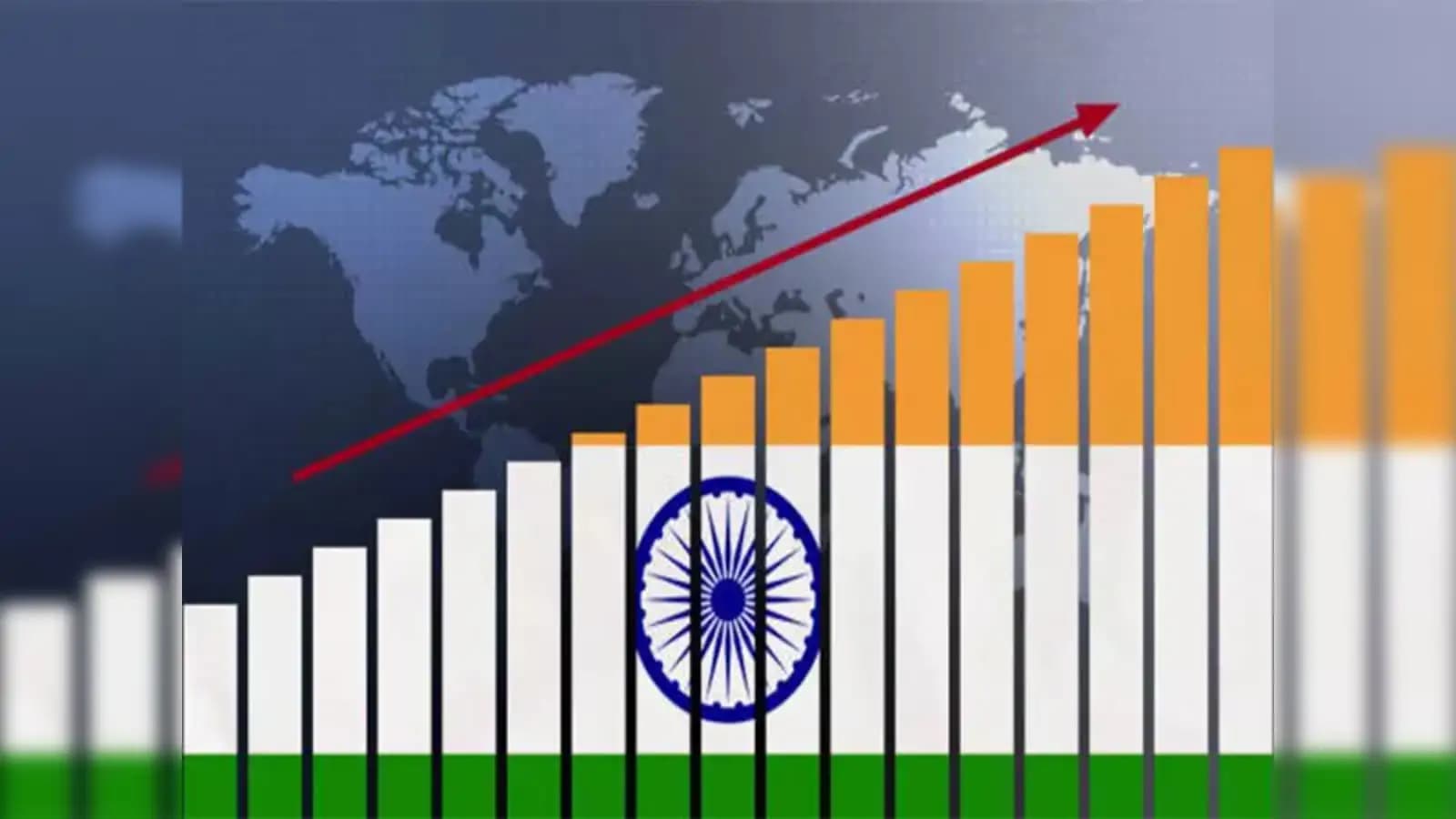
- IMF raised India’s GDP growth forecast for 2026-27 to 7% (up from 6.4%).
- RBI projects growth at 7.1% for the current year.
- Recent quarterly growth data indicates a growth rate of 7.8% for April-June.
Macroeconomic Fundamentals:
- India’s economy shows resilience amid global shocks, particularly from the West Asian crisis, which raised supply-side concerns and imported inflation risks.
- However, challenges include unsustainable debt levels and a high cost of borrowed capital.
Capital Flow and Investment Risks:
- Heightened risks of capital flight from Emerging Market Economies (EMEs) due to geopolitical instability and fluctuations in US bond yields and the dollar valuation.
- Concerns about a potential stock-market bubble fueled by hyper AI investments.
Festive Season Impacts:
- The upcoming festive season is expected to be crucial for the economy, necessitating close monitoring of inflation and structural issues like high unemployment and inequality.
Underlying Economic Concerns:
- Persistent informality in the job market, with rural-to-urban migrants facing poor job opportunities and high living costs.
- Calls for a focus on ‘real’ growth benefits and the need for an intersectional approach to economic validation.
Policy and Government Focus:
- Shift in Economic Strategy:
- Proposal for the government to move from focusing on GDP numbers to a more inclusive, prosperity-driven growth process.
- Need for decentralised policy coordination with states and enhanced state-market interactions to prevent monopolistic practices.
Judicial and Constitutional Context:
Macroeconomic Stability:
- India's stability amid global economic turmoil reflects the effectiveness of macroeconomic principles rooted in the Constitution, including:
- Directive Principles of State Policy (DPSPs) promoting economic welfare (Articles 36-51).
- India's stability amid global economic turmoil reflects the effectiveness of macroeconomic principles rooted in the Constitution, including:
Addressing Structural Challenges:
- The necessity for provisions addressing labor rights, living wages, and social security to improve job conditions and reduce inequality.
Implications for Society:
- Societal Well-being:
- Economic growth measured by GDP needs to encompass actual well-being across diverse societal groups.
- Importance of productive investments that yield quality employment as part of the broader economic narrative.
Conclusion:
Rebalancing India’s economic framework to incorporate prosperity-focus alongside traditional GDP metrics is essential for equitable growth. Addressing the fundamental issues of informality and inequality will be critical in shaping an inclusive economic future.
Key Terms & Concepts
| International Monetary Fund | GDP growth rate forecast |
| 7 per cent | Projected GDP growth for 2026-27 |
| 6.4 per cent | Previous GDP forecast figure |
| Reserve Bank of India | GDP growth prospect revision |
| 7.1 per cent | GDP growth estimate for this year |
| 7.8 per cent | Quarterly growth rate |
| West Asian crisis | Source of supply-side concerns |
| Rupee volatility | Indicator of economic stability |
| High unemployment | Key macro challenge |
| Inequality | Structural issue in economy |
| Capital flight risks | Economic stability concern |
| Informal economy | Widening employment challenge |
| GDP |