iAspirants
Current AffairsPrelims PYQsUPSC CSE SyllabusUPSC CSE StrategyBlogsPricing
Login
iAspirants

Your AI-powered companion for UPSC preparation.

Quick Links

  • Home
  • About Us
  • Current Affairs
  • Prelims PYQs
  • UPSC CSE Syllabus
  • UPSC CSE Strategy
  • Blogs

Company

  • Pricing
  • FAQs
  • Contact Us
  • Login

Legal

  • Privacy Policy
  • Terms & Conditions
  • Return Policy

© 2026 iAspirants, Inc. All rights reserved.

  1. Blogs
  2. International Relations

India's Diplomatic Engagement with Azerbaijan

Published on: 29-Oct-2026

Source: Indian Express

Share this post

India's Diplomatic Engagement with Azerbaijan

Article Summary

Summary of Key Points

Diplomatic Relations

  • Relation Reset: External Affairs Minister S. Jaishankar’s recent visit to Baku indicates a turnaround in India's relations with Azerbaijan, previously strained.
  • National Interests Over Ethnic Affiliations: The engagement underscores the significance of nationalism and self-interest over purely ethnic and religious political alliances.

Historical Context

  • Strategic Bloc Perceptions: Indian perceptions of Turkey, Azerbaijan, and Pakistan as a strategic alliance intensified during Operation Sindoor (May 2025), occurring alongside the 2021 Islamabad Declaration supporting Pakistan's stance on Kashmir.

International Organizations

  • Organisation of Turkic States (OTS): Formed in 2021 from the Turkic Council of 2009; it encompasses Turkey, Azerbaijan, Kazakhstan, Kyrgyzstan, Uzbekistan, and has Turkmenistan as an observer. Its agenda covers trade, transport, technology, and culture but struggles with common security commitments.

Political Dynamics

  • Tensions Between Turkey and Azerbaijan: Recent friction includes Azerbaijan's secular education policies clashing with Turkey's conservative stances and diverging foreign policy orientations, especially regarding relationships with Israel.

Central Asian Relations

  • Multi-vector Partnerships: Central Asian republics maintain a cautious stance, balancing relationships with Russia and China alongside ties to Turkey, similar to India's "multi-alignment" foreign policy model.

Economic and Energy Interests

  • Strategic Importance of Azerbaijan:
    • Located strategically near Russia and Iran, and connected with regional markets through Georgia and Turkey.
    • Rich in energy resources and significant transport links, enhancing its geopolitical relevance.

International Transport Corridor

  • International North-South Transport Corridor (INSTC): Critical for India's access to Azerbaijan and other regions in Eurasia, allowing for expanded diplomatic and economic relations.

India's Diplomatic Strategy

  • Engagement with Azerbaijan and Armenia: India seeks to bolster ties with Azerbaijan while maintaining its partnership with Armenia, as both nations work towards normalization.

Challenges and Opportunities

  • Common Interests vs. Divergent Policies: Despite Azerbaijan's ties with Turkey, its independent geopolitical posture and relationships with Israel and the UAE present avenues for India to explore common interests.
  • Navigating Pakistan Relationships: While India recognizes other countries’ ties with Pakistan, it emphasizes the importance of neutrality regarding Indo-Pak disputes in international forums.

Conclusion

Jaishankar's visit to Azerbaijan reflects India's initiative to reinvigorate its influence in the Caucasus, considering the region's complex mix of national interests and geopolitical dynamics. India must adapt to this evolving landscape to enhance its strategic partnerships and secure economic benefits.

Key Terms & Concepts

Operation SindoorMilitary operation during May 2025
Islamabad Declaration2021 declaration on Kashmir issue
Organisation of Turkic States (OTS)Regional cooperation organization
Turkic CouncilEstablished in 2009
Azerbaijan's energy resourcesInfluence across Eurasia
International North-South Transport CorridorImportant transport project
Collective Security Treaty OrganisationMilitary alliance involving Central Asia
Turkish investmentEconomic ties with Central Asia

Mind Map for UPSC Civil Services Revision

Turn UPSC Civil Services Current Affairs Into Exam-Ready Notes

Reading International Relations current affairs is half the work. Revise them with ready-made notes and test what actually stuck.

  • Daily UPSC Civil Services current affairs analysis
  • Revision notes, mind maps & MCQs
  • Prelims mock tests with instant results

Related UPSC Civil Services Current Affairs Articles

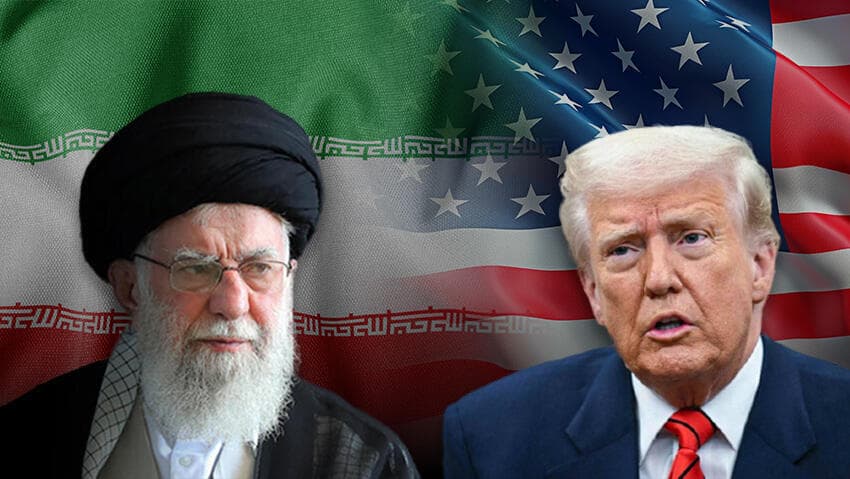
US-Iran Tensions Impact Global Energy
International Relations29-Oct-2026

US-Iran Tensions Impact Global Energy

Summary of Key Facts and Events

Dolores Huerta's Legacy

  • Dolores Huerta (co-founder of the United Farm Workers) died at age 96.
  • Key achievements: Secured better wages and working conditions for farmworkers, created the slogan “Sí, se puede” which was famously used by Barack Obama.

Middle East Tensions and Conflicts

  • Ongoing US-Iran war poses threats to global shipping, particularly through the Strait of Hormuz, critical for oil supply.
  • Reports of an oil tanker catching fire after hitting mines.
  • Increasing military actions: Houthi militia claims attacks on Saudi Arabia's oil refinery; Saudi-led coalition intercepts missiles from Houthis.

International Diplomacy Efforts

  • New draft deal presented by Qatari mediators aims to end the US-Iran conflict, focusing on mutual concerns and a seven-day timeline for confidence-building measures.
  • Recent discussions regarding the Middle Eastern conflict took place in Moscow, involving Iran, Saudi Arabia, Pakistan, and Turkey.

Economic Implications

  • Oil prices surged over 1% following attacks on Saudi infrastructure, with Brent crude reaching $115.47 per barrel.
  • The Iran war is driving an oil production and export boom across the Americas, with a projected 10% increase in production due to diversification from Middle Eastern supplies.

US Military and Strategic Actions

  • The US has issued warnings to Gulf States about possible military actions post-midterm elections against Iran.
  • An increase in military presence, including deployment of missile defense systems to prepare for potential escalations.
  • President Donald Trump's ambiguous post-election military strategy includes threats against Iran, claiming sanctions have significantly weakened its economy.

Judicial and Legislative Notes on Iran

  • An Iranian lawmaker emphasizes a need to expel US troops from the region, declaring that military resistance, not diplomacy, has been effective.
  • Iranian officials assert the country's commitment to resisting foreign military presence while calling for regional cooperation for security.

Ongoing Regional Conflicts

  • Allegations against Houthi forces for desecrating bodies of fallen soldiers, increasing the humanitarian crisis in Yemen.
  • The resurgence of missile strikes in Yemen and ongoing military disputes around the Bab al-Mandeb strait add to the volatile situation in the region.

International Agreements and Reactions

  • Iranian Foreign Ministry denounces US actions as contempt for international diplomacy, expressing dissatisfaction with US commitments to past agreements.
  • A call for serious concerted efforts by regional Islamic countries to address issues stemming from Israeli actions in the region.

Environmental and Ecological Concerns

  • The disruptions in oil supply due to the Iran conflict have long-term implications for global energy security, which could increase reliance on alternative energy sources and influence ecological policies in oil-dependent nations.

Conclusion

The geopolitical landscape in West Asia is currently marked by increased tensions between the US, Iran, and regional actors, posing significant challenges to international diplomacy and economic stability, particularly in oil supply chains.

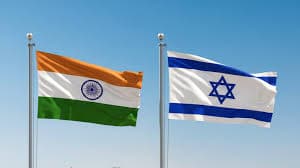
Israel Elections Impact on India-Israel Ties
International Relations27-Oct-2026

Israel Elections Impact on India-Israel Ties

Israel Elections 2026 Overview and Implications for India-Israel Relations

Key Facts and Figures

  • Date of Election: October 27, 2026.
  • Parliament Structure: The Knesset consists of 120 members.
  • Prime Minister Candidates:
    • Benjamin Netanyahu (Likud)
    • Gadi Eisenkot (Yashar, former army chief)
    • Naftali Bennett (former prime minister)

Domestic Political Landscape

  • Predictions: Pre-election surveys indicate a potential hung parliament, with no party likely to secure a majority.
  • Major Issues: Candidates focus on security, particularly concerning Iran, Hamas, and the Palestinian Authority.
    • Netanyahu emphasizes a hard stance against Hamas and opposition to Palestinian statehood.
    • Eisenkot proposes more moderate rebuilding efforts and limited engagement with the Palestinian Authority.

Implications for India

  • Core Interests:
    • Defence Cooperation: India and Israel signed a memorandum of understanding on defense cooperation in November 2025 and elevated their relationship to a “Special Strategic Partnership for Peace, Innovation, and Prosperity” during Modi's February 2026 visit.
    • Technological Collaboration: Areas of focus include artificial intelligence, cybersecurity, water management, agriculture, and space.
    • Bilateral Trade: Ongoing negotiations for a free trade agreement with regional forums like I2U2 (India, Israel, US, UAE) and the India-Middle East-Europe Economic Corridor (IMEC).

Stability of Relations

  • Continuity Assured: Regardless of the election outcome, officials suggest India-Israel relations will remain strong.
    • Mishelle Sirota (Israeli Embassy Spokesperson): Stated that diplomatic ties will not change regardless of the election results.
  • Potential Changes:
    • A new Israeli prime minister could alter the dynamics of personal rapport with Indian Prime Minister Narendra Modi but key strategic interests are expected to persist.

Other Considerations

  • Strategic Balance: India will need to navigate its defense partnership with Israel while considering broader interests in the Gulf and West Asia, particularly concerning energy supplies and regional trade.
  • Regional Context: The outcome of the elections could affect India's diplomatic priorities and responses to rising tensions in West Asia, particularly in relation to conflicts involving Iran and its allies.

Summary

The elections in Israel are pivotal for shaping the future of India-Israel relations, with anticipation of continuity in defense and technological cooperation regardless of the outcome. While Netanyahu's potential victory would likely preserve existing channels of communication between him and Modi, any change in leadership could introduce new dynamics. Ongoing bilateral trade discussions and regional initiatives further underline the strategic importance of the relationship.

Complexities of US-Iran Conflict
International Relations26-Oct-2026

Complexities of US-Iran Conflict

Summary of Key Points on US-Iran Conflict and Military Strategy

Strategic Context:

  • The US-Israel confrontation with Iran presents complex military and political challenges.
  • Military actions have damaged Iran's military infrastructure but have not achieved a decisive political outcome.
  • The fundamental question remains: what does victory look like in this conflict?

Military Considerations:

  • The US faces a dilemma in defining its objectives: whether to eliminate Iran's nuclear capabilities, dismantle missile systems, secure the Hormuz Strait, or change Iranian behavior.
  • Without a clear end state, further military escalation risks prolonging the conflict without resolving it.
  • Iran's strategy relies on asymmetric warfare, utilizing missiles, drones, and dispersed infrastructure to remain a significant threat.

Iran's Defense Strategy:

  • Iran has adapted to the US military's strengths by enhancing its unconventional warfare capabilities.
  • The country’s military strategy involves remaining threatening enough to complicate adversary operations rather than matching conventional US firepower.
  • Infrared technology and historical links with North Korea and China play a role in Iran’s military sustenance and replenishment capabilities.

Supply Chain Challenges:

  • Iran’s logistical networks and relationships with countries like Russia complicate sanctions and military efforts to isolate it.
  • Despite surveillance and naval controls, arms and military components have continued to flow through indirect networks across regional borders, demonstrated by groups like ISIS and the Houthis.

US Military Logistics:

  • The US is facing challenges regarding industrial capacity and the replenishment of munitions, including heavy consumption of missiles in combat operations.
  • Maintaining readiness in various global theaters (Ukraine, Indo-Pacific) limits the US's ability to address the conflict effectively against Iran.

Economic Aspects:

  • While Iran can sustain military operations, economic hardships due to inflation, disrupted trade, and reduced revenues may eventually limit its capabilities.
  • Political instability due to internal economic distress does not automatically lead to military vulnerability.

Iranian Resilience:

  • Iran can endure military punishment but the economic strain presents ongoing challenges.
  • A broader conflict involving neighboring regions or groups could escalate tensions without a clear resolution pathway.

Post-Election Implications:

  • The outcomes of the November 3 US midterms could affect President Trump’s strategic choices regarding military engagement and negotiations with Iran.
  • The US must balance the use of military force with diplomatic solutions to avoid indefinite conflict.

Conclusion:

  • Military success involves not just inflicting damage on the adversary but also achieving a sustainable resolution to the conflict.
  • The situation requires careful analysis of both military and diplomatic strategies to navigate ongoing tensions between the US, Israel, and Iran effectively.

Relevant Constitutional and International Considerations:

  • The discussion touches upon international relations and military engagement principles, possibly referencing international law governing warfare and the use of force.
  • The complex interactions highlight the importance of strategic clarity in foreign policy decision-making, emphasizing the need for a well-defined military and diplomatic approach.

This summary serves to encapsulate the multifaceted nature of the conflict and its implications for military strategy and international relations.

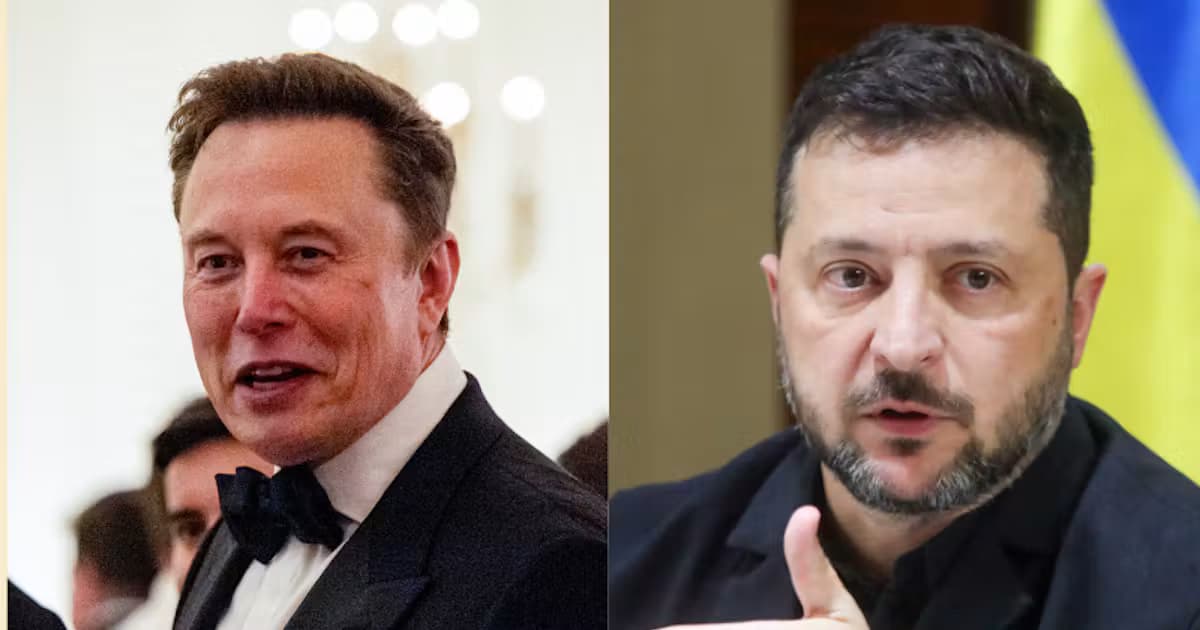
Ukraine Starlink Restrictions Explained
International Relations26-Oct-2026

Ukraine Starlink Restrictions Explained

Summary of Key Points on Starlink and Starshield in Ukraine Conflict

Overview of Starlink and Starshield:

  • Starlink: A satellite internet network developed by SpaceX, comprising over 11,000 satellites in low-Earth orbit. Launched in 2019, it provides internet connectivity through portable satellite dishes, enabling communication even when local networks are disrupted.
  • Starshield: A military-oriented service for government applications, developed using Starlink technology. It offers encrypted communications, surveillance capabilities, and specialized equipment for military use.

Recent Developments:

  • In mid-October 2026, Ukrainian forces faced connectivity issues with Starlink and Starshield, particularly affecting drone operations—especially when drones traveled faster than approximately 160 kmph.
  • On October 24, 2026, the Ukrainian Defence Ministry announced that operations were restored, achieving speeds above 400 kmph necessary for effective military operations.

Impacts on Military Operations:

  • Ukrainian drones utilize satellite technology for extensive operational range and control. Communications disruptions resulted in operational risks, such as interruptions lasting 10-20 seconds and forced mission cancellations.
  • The developments highlighted the vulnerability of Ukraine’s reliance on satellite communications amid ongoing conflict; the country’s military operations are heavily dependent on these technologies.
  • Government and Military Oversight:

    • While SpaceX operates Starlink, the US government is a significant user of Starshield, contributing billions in contracts. Control dynamics between SpaceX and the US government raised concerns after restrictions were reported.
    • Reports indicated the restrictions were potentially ordered from within the White House, underlining ambiguity about decision-making authority affecting performance.

    Economic and Strategic Implications:

    • The situation reflects broader geopolitical tensions between Washington and Kyiv, especially amid directives from former US President Donald Trump to Ukraine—including calls to cease attacks on Russian targets.

    Background Context:

    • The ongoing conflict between Russia and Ukraine has led to increasing reliance on technology like satellite communications. Both Starlink and Starshield play critical roles in military strategy and logistics.

    Conclusion:

    The recent incident regarding Starlink and Starshield highlights significant dependencies of Ukraine's military on technology controlled by external entities, raising questions of operational autonomy and the implications of foreign influence in warfare.