iAspirants
India's Digital Censorship Tactics
Published on:
Share this post
Article Summary
Constitutional Framework:
- Article 19(1)(a) of the Indian Constitution guarantees the right to freedom of speech and expression, which could be invoked in discussions about censorship and suppression of political speech.
Legislation and Policy:
- The Information Technology Act, 2000, particularly Section 79(3)(b), has been referenced regarding the regulation of online content, allowing for the takedown of posts deemed illegal. This law emphasizes the responsibilities of intermediaries in moderating content.
- There is concern that the government’s nudging of platforms like Meta could lead to increased censorship reminiscent of practices in autocratic regimes.
Government Actions:
- The Union government has summoned Meta representatives to address the removal of Prime Minister Narendra Modi’s video and discuss the suppression of protest-related content.
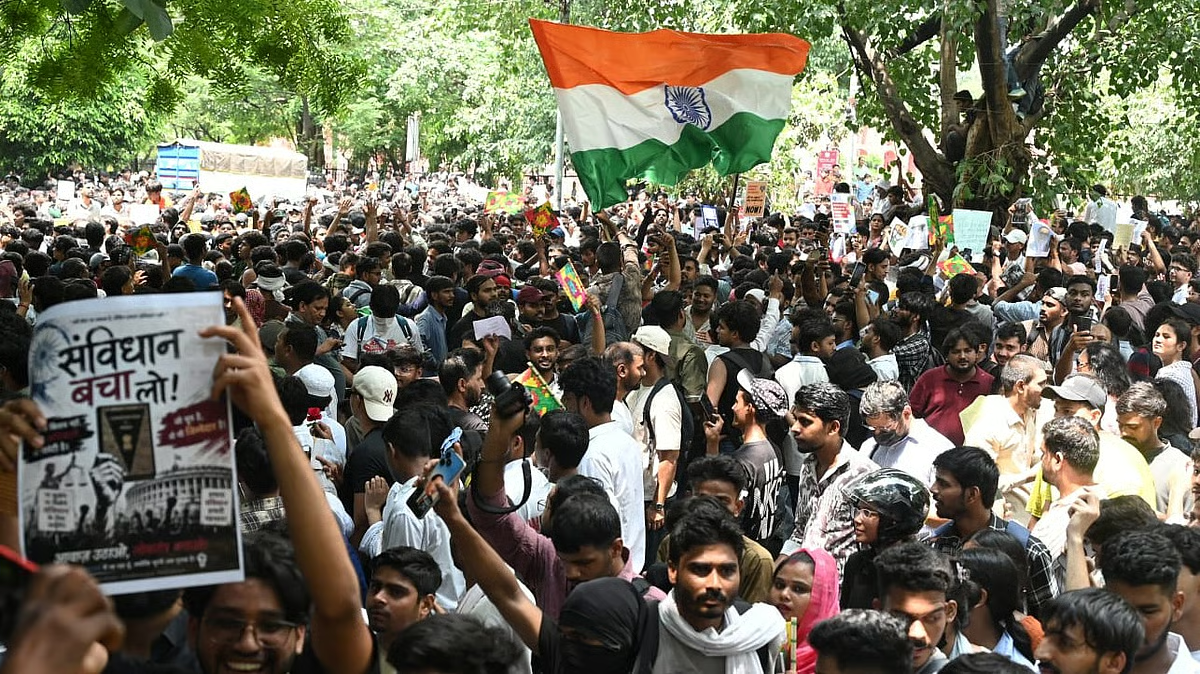
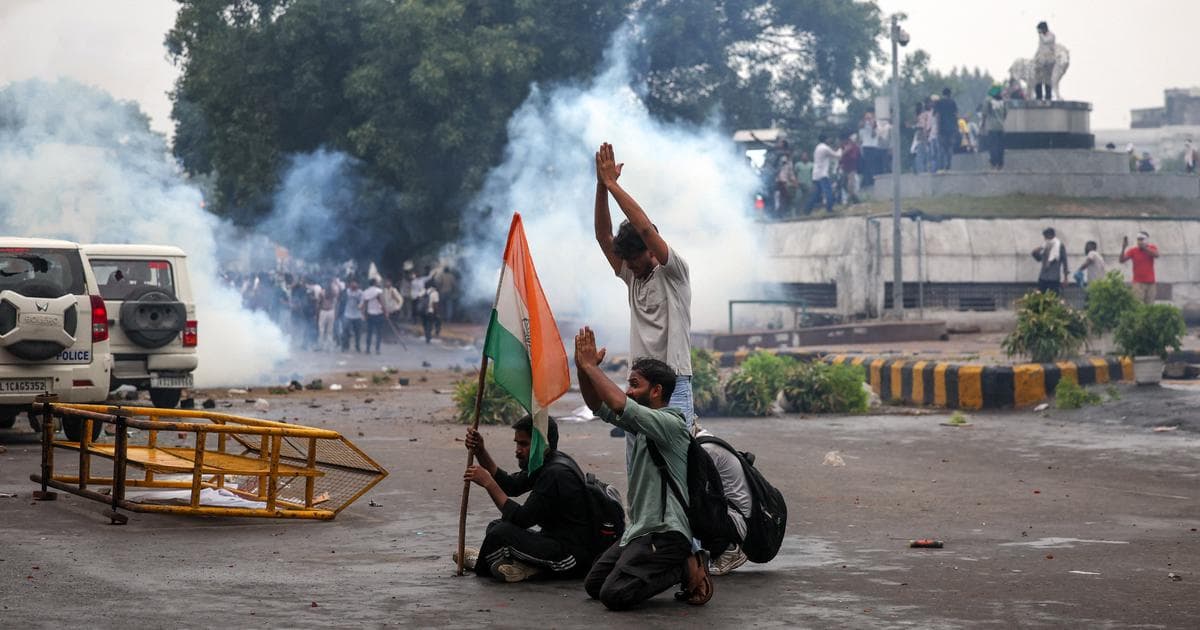
- Reports indicate that a series of takedown notices have resulted in the removal of posts related to protests, raising issues of potential infringement on democratic rights.
Comparative International Context:
- The situation in India is likened to censorship practices in Pakistan (banning of TikTok for immoral content) and China (extensive removal of dissenting content), suggesting a trend towards tighter controls over digital communication.
- This comparison highlights the global implications of government actions on free expression and the risks of creating a tightly controlled digital environment.
Impact on Democracy:
- The text underscores that mass mobilizations and public discourse are essential to democracy. The narrative suggests that suppressing these forms of expression could have damaging long-term effects on society and governance.
Technological Considerations:
- The potential for existing AI technologies to aid in content moderation reflects the intersection of tech capabilities and government regulation, raising ethical questions about AI's role in managing political content.
Judicial Overreach and Censorship:
- The automatic compliance of platforms to takedown requests under the mentioned section highlights a concerning trend that could lead to unchecked censorship by the government through digital platforms.
Broader Societal Concerns:
- There is a warning about the potential for future governments to misuse existing provisions for censorship if current trends are left unchecked, emphasizing the importance of maintaining a balance between regulation and freedom of expression.
This summary captures the essential facts and analysis of the government's interactions with Meta, the legal frameworks involved, and the implications for democratic practices in India.
Key Terms & Concepts
| Meta | Parent company of Facebook and Instagram |
| Information Technology Act, 2000 | Legal framework enabling content regulation |
| Section 79(3)(b) | Censorship clause for content |
| China | Country with stringent internet control |
| Pakistan | Country where TikTok was banned |
| Artificial Intelligence | Potential solution for content moderation |
| Jantar Mantar | Site of protests in India |
| August 15, 2026 | Date of article publication |