iAspirants
India's 80th Independence Reflection
Published on:
Share this post
Article Summary
Key Points from the Article
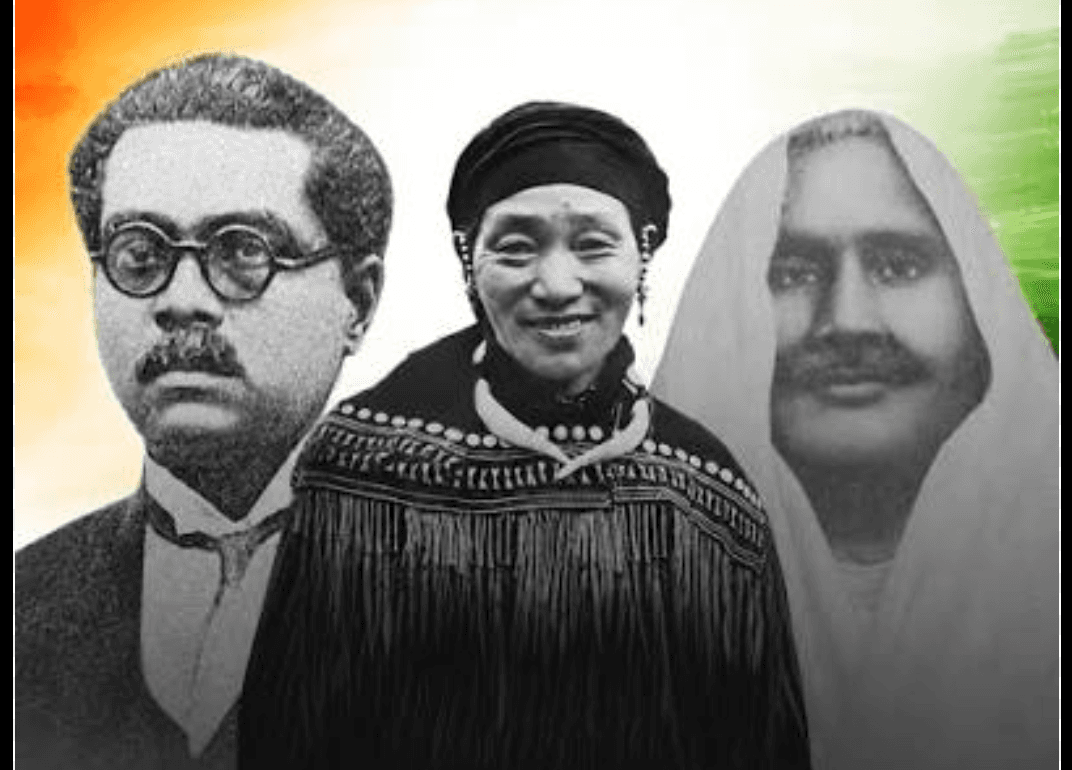
Historical Context and Independence
- India has entered its 80th year of Independence, marking a historical journey from colonial rule to freedom, traversing challenges including wars, famines, and pandemics.
- Reference to the phrase “tryst with destiny” highlights the significance of this period for national identity.
Democratic Principles and Challenges
- The Article emphasizes the constitutional framework of India, notably focusing on values of fraternity, justice, and individual freedoms anchored within the Constitution.
- Notable challenges to democracy include:
- Increased communal discord and social divisions.
- Power dynamics that compromise the spirit of governance and disregard constitutional ethics and rights.
Constitutional and Legal Framework
- Supreme Court of India’s role emphasized as the custodian of individual freedoms through landmark cases like:
- Puttaswamy (2017) - Right to Privacy.
- Romila Thapar (2018) - Protection of historical discourse.
- Navtej Johar (2018) - Decriminalization of Section 377.
- Criticism addressed towards judicial processes, particularly:
- Delays in adjudication and issues in bail matters depicting judicial inefficiencies.
- Concerns regarding the collegium system in judicial appointments.
Electoral Processes and Governance
- The autonomy and integrity of the Election Commission of India are under scrutiny amid widespread allegations impacting its reputation.
- Concerns over electoral integrity, with mentions of electoral processes influenced by money and muscle power impacting democracy.
Economic and Social Policies
- The article calls attention to inadequate welfare schemes fail to address the needs of the marginalized, prompting a need for substantial reforms.
- Emphasis on social and economic justice as fundamental principles of governance as envisaged by the Constitution.
Youth and Citizenry Involvement
- The importance of active citizen participation in governance is highlighted as a remedial measure against systemic issues.
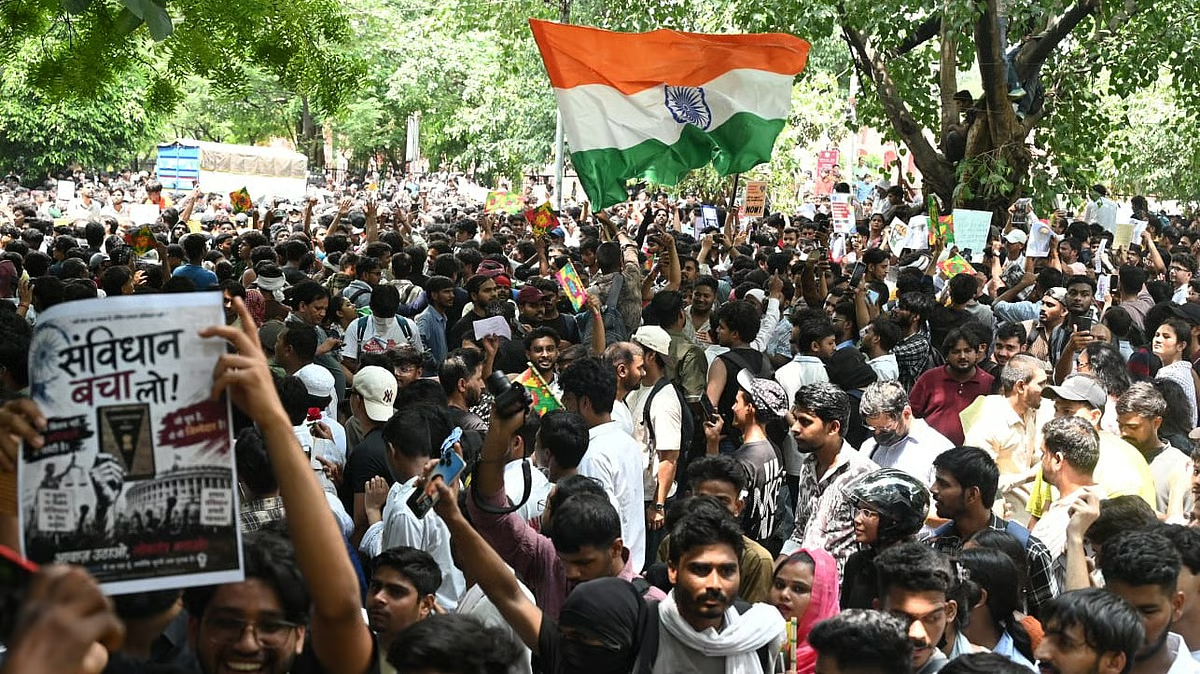
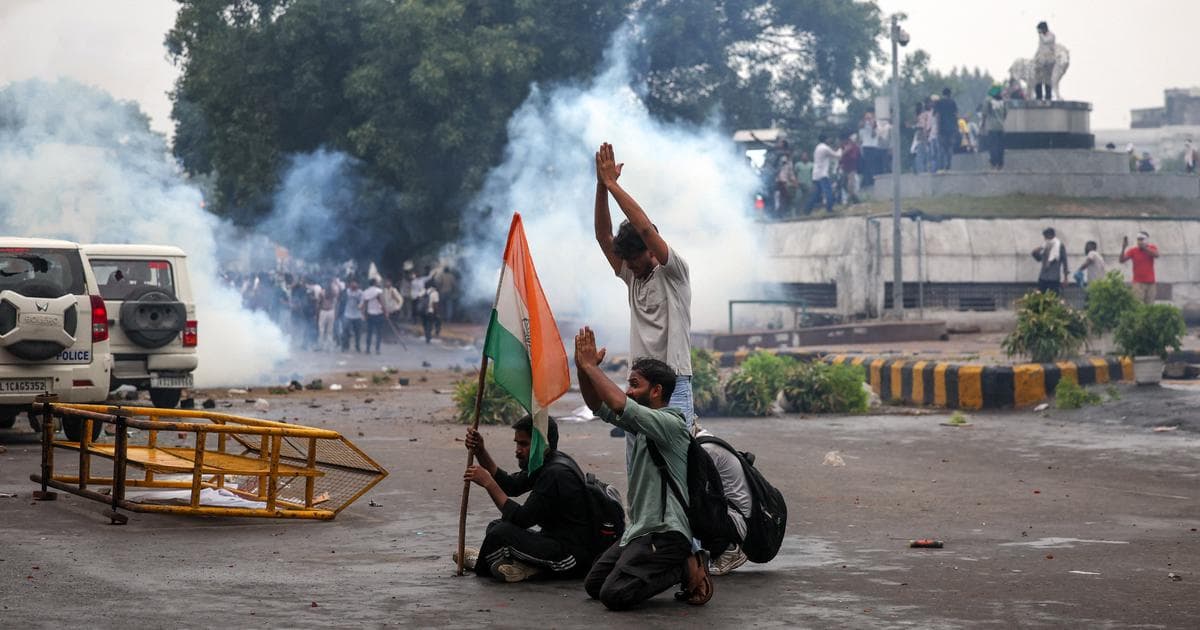
- Recent student protests are viewed as representing hope for democracy and justice, suggesting a resurgence of idealism among youth.
Global and National Identity
- The article reflects on India's leadership role in shaping global order amidst complex realities and calls for a renaissance in political culture prioritizing ethical governance.
Conclusion
- A call to action for citizens to embody the moral imperatives of the Constitution and uphold principles that transcend personal and divisive identities.
- Reinforcement of the idea that maintaining democracy requires vigilance, ethical governance, and a collective responsibility towards justice and inclusivity.
Final Remarks
The article serves as a reflective commentary on the progress and challenges of India's democratic framework in its 80 years of independence, invoking a call for unity, ethical governance, and active civic engagement.
Key Terms & Concepts
| 80th year of Independence | Anniversary of nation's freedom |
| freedom fighters | Contributors to India's independence |
| British colonial rule | Historical period of oppression |
| scientific and technological accomplishments | Achievements in science and tech |
| defence and nuclear capabilities | National security strength |
| Centre-State relations | Federal governance dynamics |
| Puttaswamy (2017) | Judicial landmark case |
| Navtej Johar (2018) | Judicial landmark case |
| Romila Thapar (2018) | Judicial landmark case |
| ‘Bulldozer’ justice case (2024) | Recent judicial scrutiny |
| Electoral processes | Mechanism for democratic elections |
| Election Commission of India | Superintendent of elections |